SEMH: A teacher's guide

Updated on  

January 2, 2026

SEMH: A teacher's guide

|

February 18, 2022

How can schools best cater for the diverse needs of their SEMH children to increase access to the curriculum?

Course Enquiry
Copy citation

Main, P (2022, February 18). SEMH: A teacher's guide. Retrieved from https://www.structural-learning.com/post/semh-a-teachers-guide

Key Takeaways

  1. Behaviour as Communication: Children with SEMH needs often use behaviour to express what they cannot put into words. Developing oracy skills through structured speaking and listening activities can help children better articulate their feelings and needs. Understanding behaviour as communication transforms how we respond.
  2. Hidden Disabilities: SEMH needs are often invisible, leading to children being seen as "naughty" rather than struggling. Recognition is the first step to support.
  3. Whole-School Responsibility: Effective SEMH support requires consistent approaches across the school, not just specialist intervention. Every interaction matters, which is why comprehensive teaching assistant training is crucial for consistent support.
  4. Regulation Before Learning: Children who are dysregulated cannot access learning. Supporting emotional regulation is a prerequisite for academic progress through targeted social-emotional learning activities.

What Is SEMH?

Social, Emotional and Mental Health (SEMH) is a category of Special Educational Needs and Disabilities (SEND) identified in the SEND Code of Practice. Children with SEMH needs experience difficulties that affect their social relationships, emotional wellbeing, and/or mental health, requiring comprehensive SEMH provision and student wellbeing strategies, which in turn impact their learning and development. This means adapting learning objectives to meet their specific needs.

SEMH replaced the earlier term BESD (Behavioural, Emotional and Social Difficulties) in 2014. It's worth noting that some children with SEMH needs may also have co-occurring conditions such as high functioning autism requiring specialised autism support resources. This change reflected a shift in understanding: from seeing behaviour as the problem to recognising that behaviour often signals underlying emotional and mental health needs. Some children may also require additional support such as dyslexia support alongside their SEMH provision.

Recognising SEMH Needs

Internalising Behaviours

Some children with SEMH needs turn difficulties inward. They may be withdrawn, anxious, excessively quiet, or appear disconnected. They might struggle to form friendships, avoid participation, or show physical symptoms of stress. These children are easily overlooked because they do not disrupt, but their needs are just as significant.

Externalising Behaviours

Other children express difficulties outwardly through challenging behaviour. This might include aggression, defiance, disruption, difficulty following instructions, or emotional outbursts. These behaviours attract attention but are often addressed through sanctions rather than support, missing the underlying need. In some cases, these behaviours may indicate conditions such as ADHD, which requires proper ADHD assessments for accurate identification.

Warning Signs

Changes from baseline behaviour are significant. Tools like the Boxall Profile can help assess these changes systematically. A previously engaged child becoming withdrawn, or a calm child becoming volatile, may indicate emerging SEMH difficulties. Other signs include persistent difficulty with relationships, low self-esteem, extreme reactions to setbacks, difficulty managing emotions, and patterns of concerning behaviour across contexts.

What Are the Underlying Needs Behind SEMH Behaviours?

SEMH behaviours often communicate unmet needs such as feeling unsafe, overwhelmed, or unable to cope with academic or social demands. Children may be expressing anxiety, trauma, sensory overload, or difficulties with emotional regulation through their behaviour. Understanding behaviour as communication helps teachers respond with support rather than punishment.

Observed BehaviourPossible Underlying NeedSupportive Response
Aggression when challengedFear of failure, threat responseReduce perceived threat, scaffold success
Withdrawal from activitiesAnxiety, low self-efficacyBuild confidence through achievable tasks
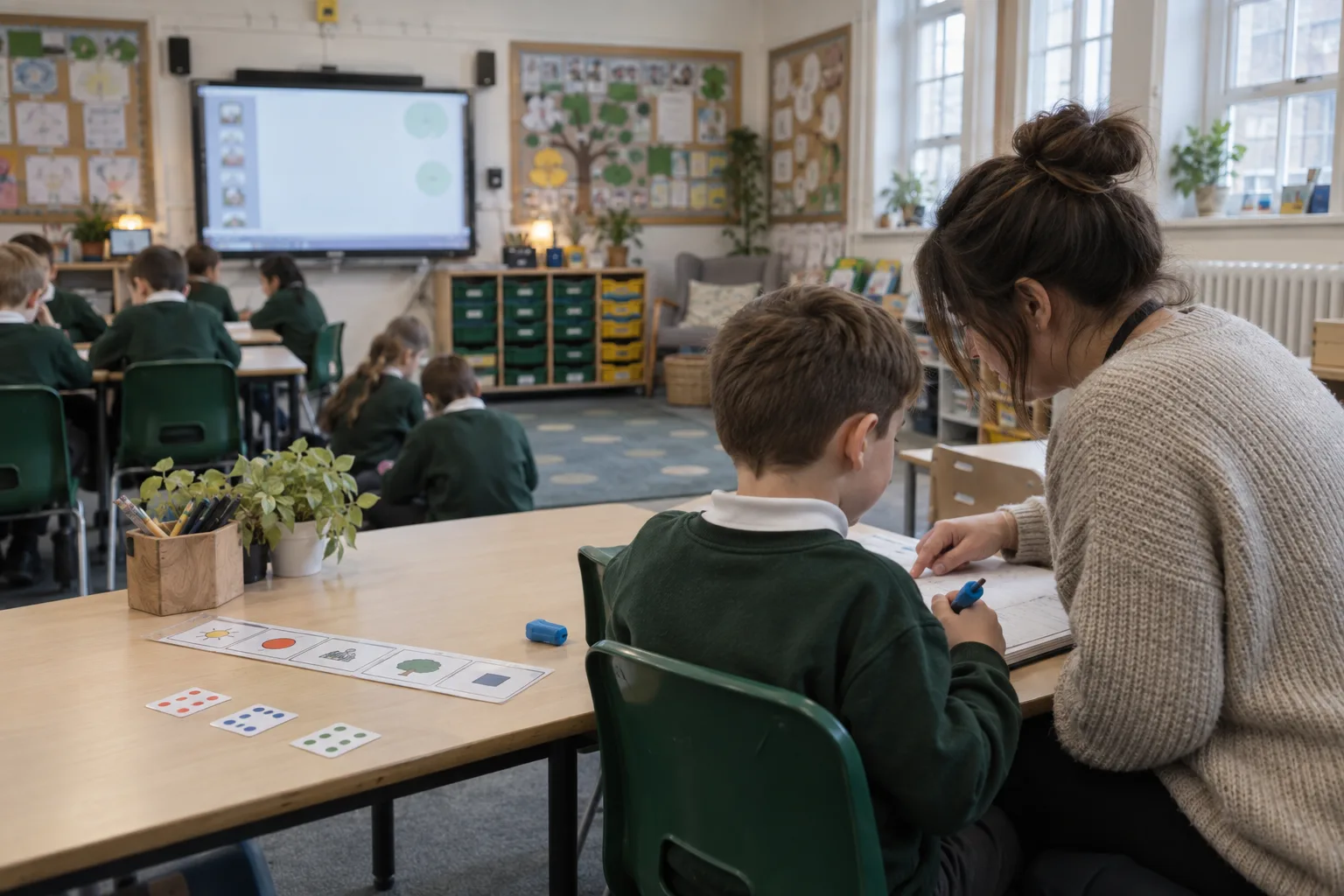
Difficulty with transitionsNeed for predictability, anxietyPrepare for changes, visual timetables
Emotional outburstsOverwhelm, poor emotional regulationTeach regulation strategies, co-regulate
Seeking adult attention constantlyAttachment needs, insecurityReliable adult relationship, consistent responses
Refusing to start workTask avoidance due to fear of failureBreak tasks down, ensure achievability

Classroom Strategies

Relational Approaches

For many children with SEMH needs, the relationship with their teacher is crucial. Showing genuine interest, maintaining warmth even when behaviour is challenging, and providing predictable responses builds the security that allows children to take learning risks. Some children need a key adult who provides consistent connection throughout the day.

Environmental Considerations

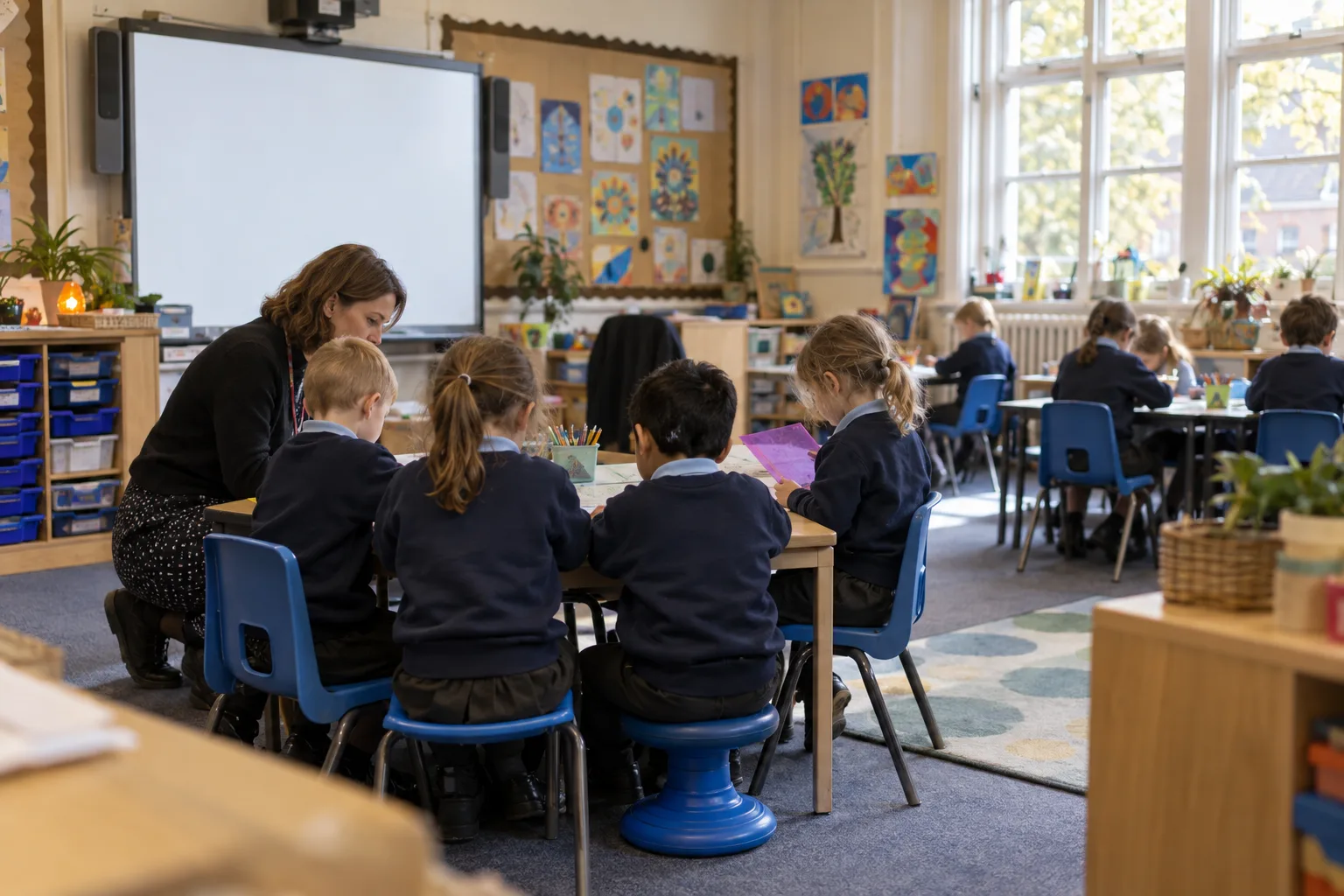
The classroom environment affects emotional regulation. Reducing sensory overload, providing calm spaces, clear organisation, and predictable routines helps children feel safe. Consider seating positions, noise levels, visual clutter, and transition management.

Emotional Literacy

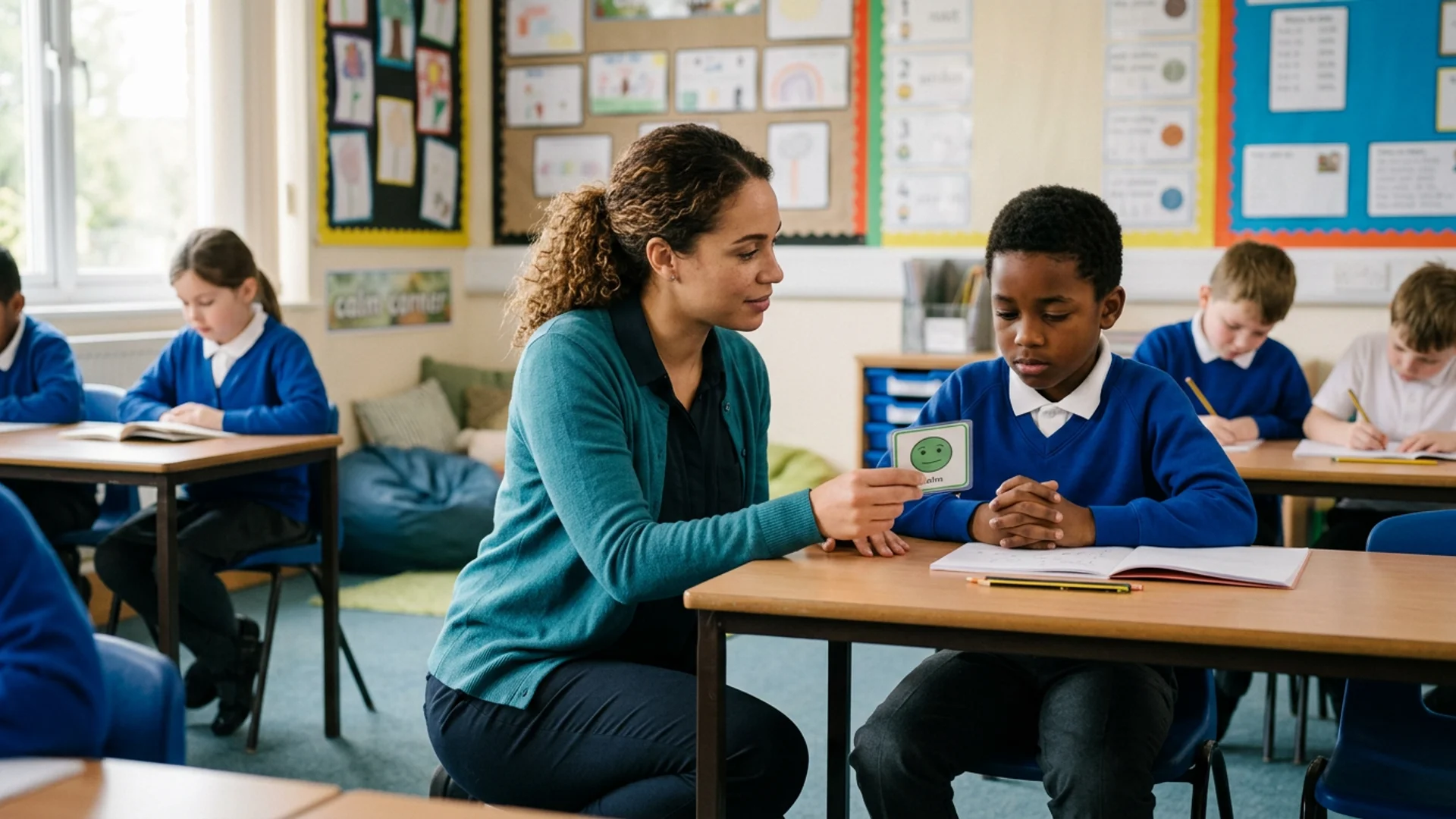
Many children with SEMH needs struggle to identify and express their emotions. Teaching emotional vocabulary, using visual emotion tools, and normalising discussion of feelings develops the language children need to express needs without behaviour.

Regulation Support

Teaching and practising regulation strategies when children are calm prepares them for moments of dysregulation. Strategies might include breathing techniques, movement breaks, sensory tools, or planned calm spaces. Co-regulation (the adult staying calm and helping the child regulate) is essential before self-regulation is possible.

Whole-School Approaches

Consistent Behaviour Policy

Children with SEMH needs benefit from consistent, predictable responses. Policies that focus on relationships and restoration rather than purely punitive approaches support development. Staff need training to implement policies consistently while understanding individual needs.

Nurture Provision

Many schools provide nurture groups or nurture principles across the school. Nurture approaches recognise that learning is understood developmentally, the classroom offers a safe base, nurture is important for wellbeing, language is vital for communication, all behaviour is communication, and transitions are significant.

Mental Health Support

Schools increasingly have mental health leads and access to counsellors or therapeutic support. Early identification and appropriate referral ensures children access support before difficulties escalate. Strong links with external agencies including CAMHS, educational psychology, and social care support children with more complex needs.

How Can Teachers Build Positive Relationships With SEMH Pupils?

Building positive relationships with SEMH pupils requires consistency, patience, and genuine care. Teachers who prioritise connection over correction often see the most significant improvements in both behaviour and learning. Small, consistent actions build trust over time and create the foundation for educational progress.

Start each day with a personal greeting that shows you notice and value the child. This might be a simple "Good morning, I'm glad you're here" or commenting on something positive from the previous day. For children with attachment difficulties, knowing an adult is consistently pleased to see them provides essential security. Maintain this warmth even after difficult days, children with SEMH needs often expect rejection and test relationships to confirm their negative expectations.

Create opportunities for positive interactions outside of academic demands. This might include sharing a special responsibility, having lunch together occasionally, or finding moments to discuss the child's interests. One teacher transformed her relationship with a challenging Year 5 pupil by spending five minutes each morning discussing football while the class settled. These non-academic connections provide a buffer when learning becomes difficult and give children experience of positive adult relationships they can draw upon during challenging moments.

What Role Do Parents and Carers Play in Supporting SEMH Needs?

Parents and carers are essential partners in supporting children with SEMH needs. Effective home-school collaboration ensures consistent approaches and helps children feel secure across settings. However, many parents of SEMH children have experienced negative school interactions, making relationship building crucial.

Begin parent relationships with strengths-based conversations. Share specific examples of when their child has succeeded, however small. Many parents of SEMH children only hear from school when things go wrong, creating defensive responses. Regular positive communication, perhaps a weekly email highlighting progress, builds trust and opens dialogue about challenges. When discussing difficulties, frame them as shared problems to solve together rather than complaints about the child.

Provide practical strategies parents can use at home that mirror school approaches. This might include visual timetables for morning routines, consistent language for emotions, or agreed responses to dysregulation. One school created video guides showing key regulation techniques, ensuring parents felt confident supporting their children. Remember that some parents may have their own unmet SEMH needs or negative school experiences. Approaching them with empathy and without judgement models the inclusive environment their children need.

How Can Schools Effectively Monitor and Assess SEMH Progress?

Monitoring SEMH progress requires looking beyond behaviour charts to understand emotional and social development. Effective assessment captures small steps forward and identifies patterns that inform support. Regular review ensures interventions remain appropriate as children's needs evolve.

Develop assessment tools that capture multiple perspectives. The Boxall Profile provides structured assessment of developmental needs and can track progress over time. Complement formal tools with regular observations, pupil voice activities, and parent feedback. One primary school created weekly reflection sheets where children rated their week using emotion faces and identified what helped them succeed. These simple tools revealed patterns staff had missed and gave children ownership of their progress.

Set realistic, measurable targets that acknowledge the non-linear nature of SEMH development. Rather than expecting consistent improvement, recognise that progress often includes setbacks. Targets might focus on increasing regulated days per week, expanding friendship skills, or building specific coping strategies. Review points should celebrate progress whilst adjusting support for emerging needs. Document not just what happened but what support made the difference, this evidence base informs future planning and demonstrates the impact of interventions.

Frequently Asked Questions

Is SEMH a diagnosis?

No. SEMH is an educational category describing a type of special educational need, not a medical diagnosis. Children with SEMH needs may or may not have diagnosed conditions such as anxiety disorders, ADHD, or attachment difficulties. The SEMH category focuses on educational impact and need for support.

Should children with SEMH be in mainstream schools?

Most children with SEMH needs can thrive in mainstream schools with appropriate support. Some children with more complex needs may benefit from specialist provision. The decision should be based on individual needs and what provision can offer, not on diagnosis or behaviour alone.

How do I balance the needs of SEMH children with the rest of the class?

This is a genuine challenge. Good strategies for SEMH children often benefit all learners. Consistent routines, relational approaches, and calm environments support everyone. Where individual support is needed, schools should provide additional resource rather than expecting class teachers to manage alone.

What if a child's behaviour is dangerous?

Safety must be maintained. Schools should have clear protocols for managing crisis situations and supporting children who present risk. This might include individual risk assessments, additional adult support, and clear de-escalation procedures. When behaviour is dangerous, children need more support, not less, though that support may need to be provided differently.

Loading audit...

Key Takeaways

  1. Behaviour as Communication: Children with SEMH needs often use behaviour to express what they cannot put into words. Developing oracy skills through structured speaking and listening activities can help children better articulate their feelings and needs. Understanding behaviour as communication transforms how we respond.
  2. Hidden Disabilities: SEMH needs are often invisible, leading to children being seen as "naughty" rather than struggling. Recognition is the first step to support.
  3. Whole-School Responsibility: Effective SEMH support requires consistent approaches across the school, not just specialist intervention. Every interaction matters, which is why comprehensive teaching assistant training is crucial for consistent support.
  4. Regulation Before Learning: Children who are dysregulated cannot access learning. Supporting emotional regulation is a prerequisite for academic progress through targeted social-emotional learning activities.

What Is SEMH?

Social, Emotional and Mental Health (SEMH) is a category of Special Educational Needs and Disabilities (SEND) identified in the SEND Code of Practice. Children with SEMH needs experience difficulties that affect their social relationships, emotional wellbeing, and/or mental health, requiring comprehensive SEMH provision and student wellbeing strategies, which in turn impact their learning and development. This means adapting learning objectives to meet their specific needs.

SEMH replaced the earlier term BESD (Behavioural, Emotional and Social Difficulties) in 2014. It's worth noting that some children with SEMH needs may also have co-occurring conditions such as high functioning autism requiring specialised autism support resources. This change reflected a shift in understanding: from seeing behaviour as the problem to recognising that behaviour often signals underlying emotional and mental health needs. Some children may also require additional support such as dyslexia support alongside their SEMH provision.

Recognising SEMH Needs

Internalising Behaviours

Some children with SEMH needs turn difficulties inward. They may be withdrawn, anxious, excessively quiet, or appear disconnected. They might struggle to form friendships, avoid participation, or show physical symptoms of stress. These children are easily overlooked because they do not disrupt, but their needs are just as significant.

Externalising Behaviours

Other children express difficulties outwardly through challenging behaviour. This might include aggression, defiance, disruption, difficulty following instructions, or emotional outbursts. These behaviours attract attention but are often addressed through sanctions rather than support, missing the underlying need. In some cases, these behaviours may indicate conditions such as ADHD, which requires proper ADHD assessments for accurate identification.

Warning Signs

Changes from baseline behaviour are significant. Tools like the Boxall Profile can help assess these changes systematically. A previously engaged child becoming withdrawn, or a calm child becoming volatile, may indicate emerging SEMH difficulties. Other signs include persistent difficulty with relationships, low self-esteem, extreme reactions to setbacks, difficulty managing emotions, and patterns of concerning behaviour across contexts.

What Are the Underlying Needs Behind SEMH Behaviours?

SEMH behaviours often communicate unmet needs such as feeling unsafe, overwhelmed, or unable to cope with academic or social demands. Children may be expressing anxiety, trauma, sensory overload, or difficulties with emotional regulation through their behaviour. Understanding behaviour as communication helps teachers respond with support rather than punishment.

Observed BehaviourPossible Underlying NeedSupportive Response
Aggression when challengedFear of failure, threat responseReduce perceived threat, scaffold success
Withdrawal from activitiesAnxiety, low self-efficacyBuild confidence through achievable tasks
Difficulty with transitionsNeed for predictability, anxietyPrepare for changes, visual timetables
Emotional outburstsOverwhelm, poor emotional regulationTeach regulation strategies, co-regulate
Seeking adult attention constantlyAttachment needs, insecurityReliable adult relationship, consistent responses
Refusing to start workTask avoidance due to fear of failureBreak tasks down, ensure achievability

Classroom Strategies

Relational Approaches

For many children with SEMH needs, the relationship with their teacher is crucial. Showing genuine interest, maintaining warmth even when behaviour is challenging, and providing predictable responses builds the security that allows children to take learning risks. Some children need a key adult who provides consistent connection throughout the day.

Environmental Considerations

The classroom environment affects emotional regulation. Reducing sensory overload, providing calm spaces, clear organisation, and predictable routines helps children feel safe. Consider seating positions, noise levels, visual clutter, and transition management.

Emotional Literacy

Many children with SEMH needs struggle to identify and express their emotions. Teaching emotional vocabulary, using visual emotion tools, and normalising discussion of feelings develops the language children need to express needs without behaviour.

Regulation Support

Teaching and practising regulation strategies when children are calm prepares them for moments of dysregulation. Strategies might include breathing techniques, movement breaks, sensory tools, or planned calm spaces. Co-regulation (the adult staying calm and helping the child regulate) is essential before self-regulation is possible.

Whole-School Approaches

Consistent Behaviour Policy

Children with SEMH needs benefit from consistent, predictable responses. Policies that focus on relationships and restoration rather than purely punitive approaches support development. Staff need training to implement policies consistently while understanding individual needs.

Nurture Provision

Many schools provide nurture groups or nurture principles across the school. Nurture approaches recognise that learning is understood developmentally, the classroom offers a safe base, nurture is important for wellbeing, language is vital for communication, all behaviour is communication, and transitions are significant.

Mental Health Support

Schools increasingly have mental health leads and access to counsellors or therapeutic support. Early identification and appropriate referral ensures children access support before difficulties escalate. Strong links with external agencies including CAMHS, educational psychology, and social care support children with more complex needs.

How Can Teachers Build Positive Relationships With SEMH Pupils?

Building positive relationships with SEMH pupils requires consistency, patience, and genuine care. Teachers who prioritise connection over correction often see the most significant improvements in both behaviour and learning. Small, consistent actions build trust over time and create the foundation for educational progress.

Start each day with a personal greeting that shows you notice and value the child. This might be a simple "Good morning, I'm glad you're here" or commenting on something positive from the previous day. For children with attachment difficulties, knowing an adult is consistently pleased to see them provides essential security. Maintain this warmth even after difficult days, children with SEMH needs often expect rejection and test relationships to confirm their negative expectations.

Create opportunities for positive interactions outside of academic demands. This might include sharing a special responsibility, having lunch together occasionally, or finding moments to discuss the child's interests. One teacher transformed her relationship with a challenging Year 5 pupil by spending five minutes each morning discussing football while the class settled. These non-academic connections provide a buffer when learning becomes difficult and give children experience of positive adult relationships they can draw upon during challenging moments.

What Role Do Parents and Carers Play in Supporting SEMH Needs?

Parents and carers are essential partners in supporting children with SEMH needs. Effective home-school collaboration ensures consistent approaches and helps children feel secure across settings. However, many parents of SEMH children have experienced negative school interactions, making relationship building crucial.

Begin parent relationships with strengths-based conversations. Share specific examples of when their child has succeeded, however small. Many parents of SEMH children only hear from school when things go wrong, creating defensive responses. Regular positive communication, perhaps a weekly email highlighting progress, builds trust and opens dialogue about challenges. When discussing difficulties, frame them as shared problems to solve together rather than complaints about the child.

Provide practical strategies parents can use at home that mirror school approaches. This might include visual timetables for morning routines, consistent language for emotions, or agreed responses to dysregulation. One school created video guides showing key regulation techniques, ensuring parents felt confident supporting their children. Remember that some parents may have their own unmet SEMH needs or negative school experiences. Approaching them with empathy and without judgement models the inclusive environment their children need.

How Can Schools Effectively Monitor and Assess SEMH Progress?

Monitoring SEMH progress requires looking beyond behaviour charts to understand emotional and social development. Effective assessment captures small steps forward and identifies patterns that inform support. Regular review ensures interventions remain appropriate as children's needs evolve.

Develop assessment tools that capture multiple perspectives. The Boxall Profile provides structured assessment of developmental needs and can track progress over time. Complement formal tools with regular observations, pupil voice activities, and parent feedback. One primary school created weekly reflection sheets where children rated their week using emotion faces and identified what helped them succeed. These simple tools revealed patterns staff had missed and gave children ownership of their progress.

Set realistic, measurable targets that acknowledge the non-linear nature of SEMH development. Rather than expecting consistent improvement, recognise that progress often includes setbacks. Targets might focus on increasing regulated days per week, expanding friendship skills, or building specific coping strategies. Review points should celebrate progress whilst adjusting support for emerging needs. Document not just what happened but what support made the difference, this evidence base informs future planning and demonstrates the impact of interventions.

Frequently Asked Questions

Is SEMH a diagnosis?

No. SEMH is an educational category describing a type of special educational need, not a medical diagnosis. Children with SEMH needs may or may not have diagnosed conditions such as anxiety disorders, ADHD, or attachment difficulties. The SEMH category focuses on educational impact and need for support.

Should children with SEMH be in mainstream schools?

Most children with SEMH needs can thrive in mainstream schools with appropriate support. Some children with more complex needs may benefit from specialist provision. The decision should be based on individual needs and what provision can offer, not on diagnosis or behaviour alone.

How do I balance the needs of SEMH children with the rest of the class?

This is a genuine challenge. Good strategies for SEMH children often benefit all learners. Consistent routines, relational approaches, and calm environments support everyone. Where individual support is needed, schools should provide additional resource rather than expecting class teachers to manage alone.

What if a child's behaviour is dangerous?

Safety must be maintained. Schools should have clear protocols for managing crisis situations and supporting children who present risk. This might include individual risk assessments, additional adult support, and clear de-escalation procedures. When behaviour is dangerous, children need more support, not less, though that support may need to be provided differently.

Cognitive Development

Back to Blog