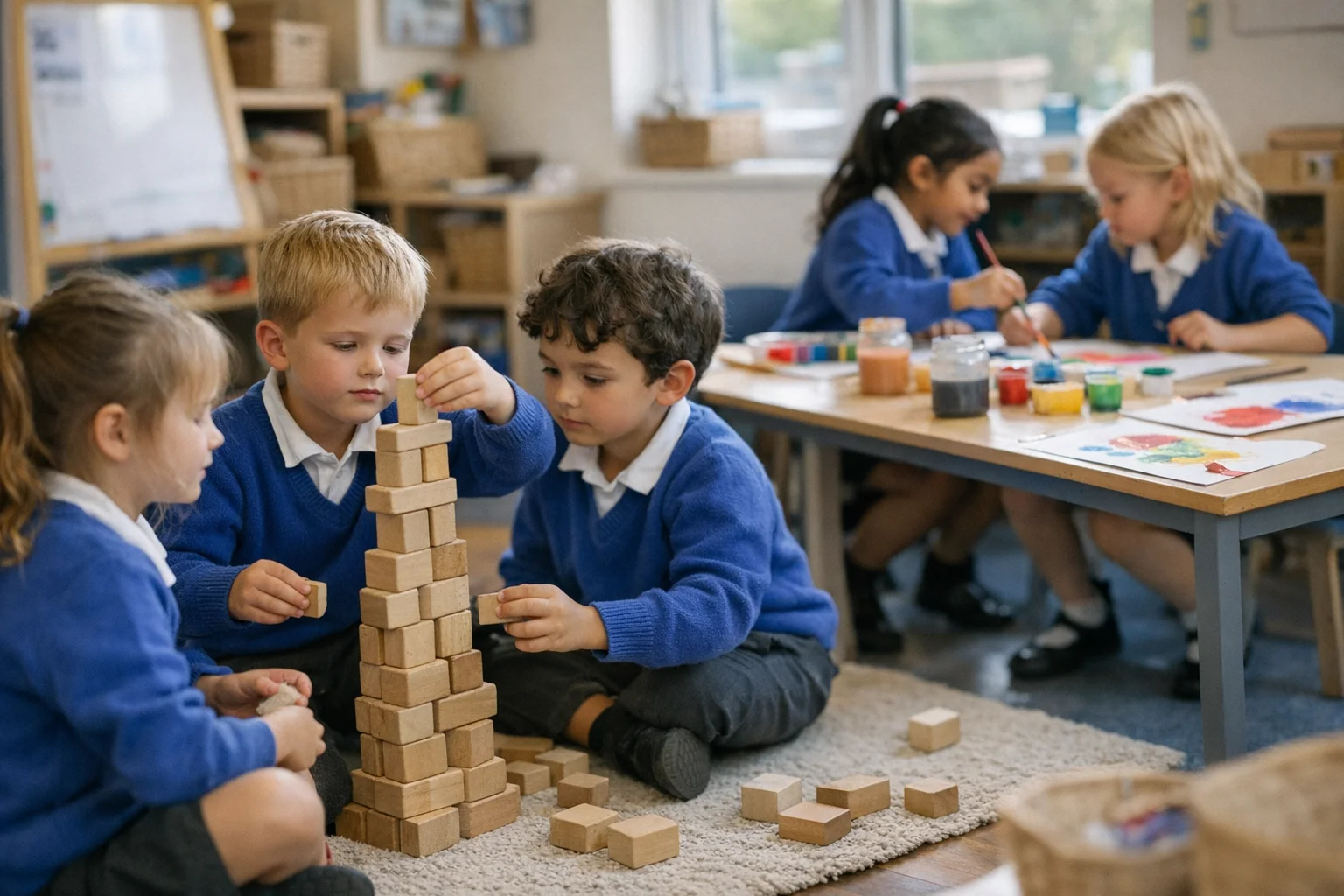
10 Essential Classroom Activities to Enhance Social-Emotional LearningEarly years students in royal blue jumpers building with blocks and painting at learning stations for social-emotional learning

Updated on  

January 30, 2026

10 Essential Classroom Activities to Enhance Social-Emotional Learning

|

October 16, 2024

Discover essential classroom activities designed to enhance social and emotional learning, fostering students' emotional growth and academic success.

Course Enquiry
Copy citation

Main, P. (2024, October 16). 10 Essential Classroom Activities to Enhance Social-Emotional Learning. Retrieved from www.structural-learning.com/post/classroom-activities-to-enhance-social-emotional-learning

In a world where emotional intelligence is as vital as academic achievement, educators face the challenge of integrating social-emotional learning(SEL) within their classrooms. These skills, which encompass self-awareness, self-regulation, social awareness, relationship skills, and responsible decision-making, play a critical role in shaping well-rounded individuals. Implementing peer-supported inclusion strategies can further strengthen these social connections.

Key Takeaways

  1. Beyond Morning Registration: Transform daily greetings into powerful emotional check-ins that reveal hidden student struggles and build trust in minutes
  2. The 5-Minute breakthrough: Discover why gratitude lists outperform behaviour charts for improving focus, reducing anxiety, and creating positive classroom dynamics
  3. Conflict Skills Through Play: Master role-playing scenarios that turn playground disputes into learning opportunities, building emotional intelligence before problems escalate
  4. Art Activities That Connect: Harness collaborative creativity to break down social barriers, especially for students who struggle with various challenges, including visual processing disorders, autism in schools, and with learning difficulties (including those who may need tests for dyspraxia) and with traditional communication methods

Classroom environments that prioritise SEL not only enhance students' ability to connect with others but also improve their overall educational experience. Activities that creates emotional expression and interpersonal skills can lead to healthier classroom dynamics, increased engagement, and better academic performance. Following Rosenshine's Principles alongside SEL activities can create a comprehensive approach to effective teaching. The significance of nurturing these aspects of student development cannot be overstated.

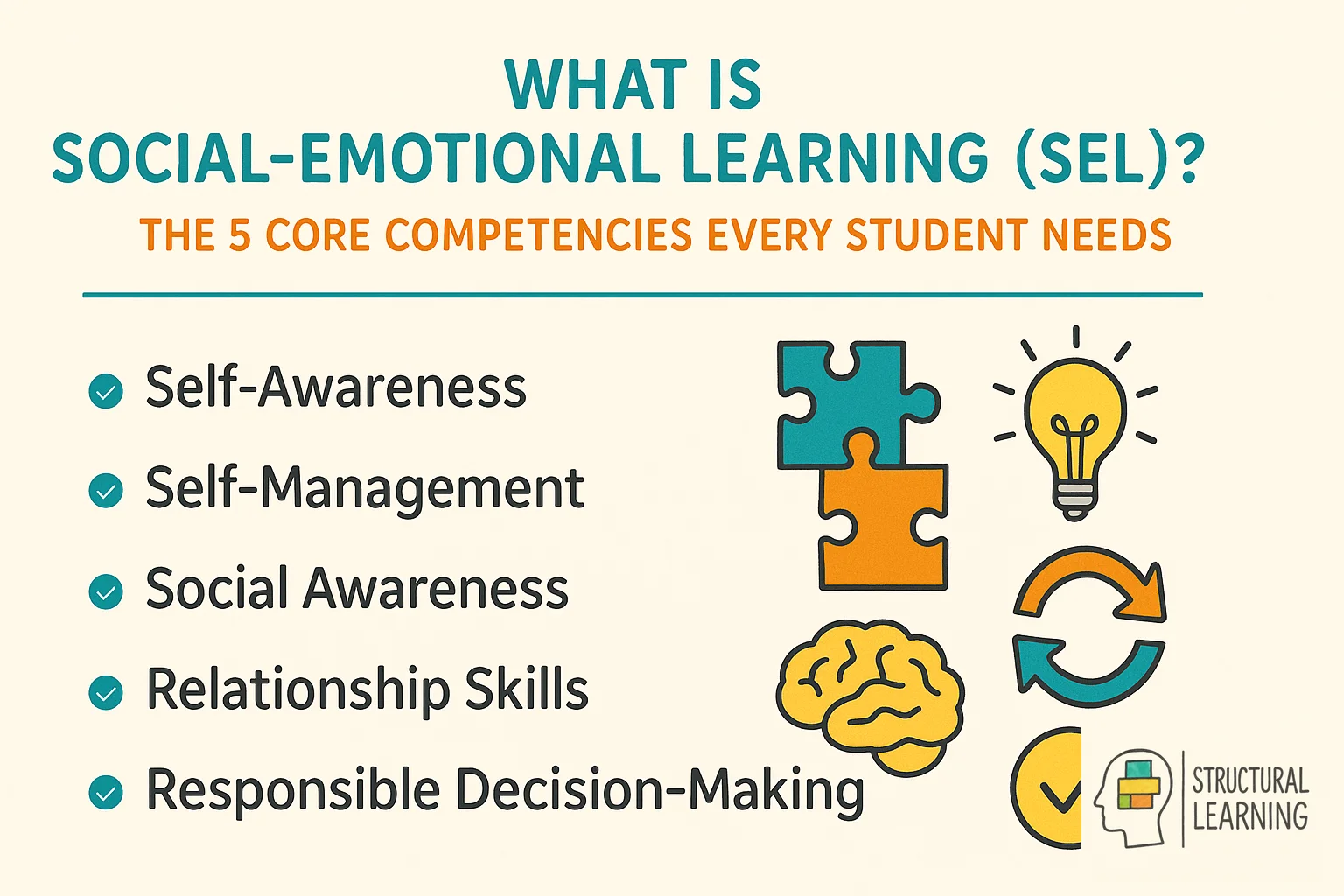
Infographic defining Social-Emotional Learning and its 5 core competencies for students
What is Social-Emotional Learning (SEL)?

ten essential activities that educators can implement to enrich social-emotional learning in their classrooms. From daily greetings and reflective journaling to role-playing scenarios and calming exercises, these activities promise to create a supportive and emotionally aware learning environment.

Daily Greetings and Emotional Check-Ins

Personalized greetings at the classroom door can transform the morning mood and offer teachers a quick insight into each student's emotional state. Offering students a choice in their greeting, ranging from a simple "hello" to a handshake or smile, nurtures autonomy and strengthens the teacher-student connection.

Social-Emotional Learning framework showing five core competencies: self-awareness, self-regulation, social awareness, relationship skills, and responsible decision-making
SEL Framework

Furthermore, daily emotional check-ins serve as a critical touchpoint for students. They open a window for students to share their feelings, which is key in building emotional awareness and helps alleviate stress. Tools like feelings charts or emotion cards support these exchanges, allowing students to pinpoint and express their emotions more precisely.

Adopting these practices regularly centers the classroom on emotional health and awareness, a move that yields benefits for everyone. As students learn to communicate their feelings, a supportive environment emerges, enhancing the overall classroom community. Such initiatives not only enable students to practice emotional skills but also lead to developing healthy and supportive relationships among peers, crucial in their journey of social-emotional learning.

Reflective Journaling: Nurturing Self-Expression

Reflective journaling emerges as a powerful tool within the classroom, not only boosting self-awareness but also using self-regulation for students. During school hours, they find a haven in their journals, a safe space to candidly spill out thoughts and emotions, contributing to their emotional resilience and AI adaptive tools skills. Teachers often introduce journals with prompts that invite students to explore personal strengths, future objectives, and even gratitude. This practice cultivates a growth mindset, crucial for psychological health.

Moreover, when educators engage by providing feedback or sharing their thoughts in response to students' entries, they reinforce trust and establish deeper connections. This dynamic proves vital in creating a supportive classroom community.

Engagement in consistent journaling exercises equips students with vital emotional skills. They learn to process and regulate their feelings, a cornerstone of social-emotional learning, thereby enhancing their overall capability to handle complex social interactions and forge healthy, supportive relationships. Reflective journaling, simple in its approach, plays a substantial role in nurturing life skills and facilitates responsible decisions as part of the broader social-emotional learning framework.

Gratitude Lists: Cultivating Appreciation

A gratitude list serves as a bridge to emotional well-being in the classroom, promoting empathy and instilling a positive mindset in students. The exercise of keeping a gratitude journal begins with conversations about the value of being thankful. Students are then asked to maintain a record noting what they appreciate each day.

Allocating five minutes of the school day to this practice enables students to habitually acknowledge the positives in their surroundings. Through the simple act of recording three things they are thankful for, students learn to focus on affirmative aspects of life consistently. Such practice in gratitude doesn't just lift spirits but also sharpens concentration and brings a sense of calm.

As students persist in noting down moments of gratitude, they cultivate emotional skills crucial for healthy relationships. They engage more deeply with their environment, identifyingbeautiful moments and small acts of kindness that might otherwise be overlooked. This heightened awareness translates into enhanced empathy, as students become more attuned to the contributions of others and the interconnectedness of their classroom community.

The practice of gratitude lists creates ripple effects throughout the learning environment. Teachers often report that students who regularly engage in gratitude exercises demonstrate improved behaviour, increased cooperation, and greater resilience when facing challenges. These outcomes align perfectly with the core competencies of social-emotional learning, particularly in developing self-awareness and relationship skills that benefit the entire classroom dynamic.

Role-Playing for Conflict Resolution

Role-playing scenarios provide students with safe opportunities to practice navigating social conflicts and developing crucial problem-solving skills. Through structured dramatic exercises, learners explore different perspectives, experiment with various communication strategies, and build confidence in handling challenging interpersonal situations.

Teachers can create scenarios based on common classroom conflicts, such as disagreements over resources, misunderstandings between friends, or exclusion from group activities. By acting out these situations, students gain valuable experience in active listening, expressing emotions constructively, and finding mutually beneficial solutions. This approach particularly supports students who struggle with social cues or have difficulty articulating their feelings.

The process of role-playing allows students to step into others' shoes, developing empathy and social awareness. As they practice different responses to conflict situations, they develop a toolkit of strategies that can be applied in real-world scenarios. This experiential learning method proves especially effective because it engages multiple senses and creates memorable experiences that students can draw upon when facing actual conflicts.

Collaborative Art Projects

Collaborative art projects break down social barriers and create meaningful connections between students who might not otherwise interact. These creative endeavours provide non-verbal outlets for expression whilst encouraging cooperation, compromise, and shared problem-solving. Art activities offer particular benefits for students who find traditional communication methods challenging, including those with autism, learning difficulties, or anxiety disorders.

Group murals, collages about classroom values, or collaborative storytelling through art allow students to contribute their unique strengths whilst working towards common goals. These projects naturally encourage peer support and celebrate diversity in thinking and creative expression. Students learn to negotiate ideas, share resources, and appreciate different artistic styles and approaches.

Through collaborative creation, students develop essential relationship skills whilst building self-confidence. The process of creating together often leads to organic conversations about feelings, experiences, and perspectives, deepening understanding between classmates. These shared creative experiences become positive memories that strengthen classroom community bonds.

Mindfulness and Calming Strategies

Incorporating mindfulness practices into the daily routine provides students with essential self-regulation tools. Simple breathing exercises, guided visualisations, and body awareness activities help students recognise and manage their emotional states. These techniques prove particularly valuable during transitions, before assessments, or when classroom energy levels become overwhelming.

Teachers can establish designated calm spaces within the classroom where students can practice mindfulness techniques independently. Teaching students to recognise their emotional triggers and respond with appropriate calming strategies builds emotional intelligence and personal responsibility. Regular practice of these techniques contributes to improved focus, reduced anxiety, and enhanced learning readiness.

The integration of mindfulness practices supports all five core competencies of social-emotional learning. As students develop greater self-awareness and emotional regulation, they become more capable of maintaining positive relationships and making thoughtful decisions. These skills transfer beyond the classroom, supporting students' overall wellbeing and social development.

Peer Mentoring Programs

Structured peer mentoring systems create opportunities for students to support one another whilst developing leadership skills and empathy. Pairing older students with younger ones, or creating buddy systems within the same class, encourages positive social interactions and builds a sense of community responsibility.

These programs allow students to practice relationship skills in meaningful ways whilst contributing to others' success. Mentors develop confidence and communication abilities, whilst mentees benefit from peer support and additional guidance. The reciprocal nature of these relationships strengthens social bonds and creates a more inclusive classroom environment.

Regular reflection sessions help both mentors and mentees process their experiences and develop deeper understanding of effective communication and support strategies. These programs particularly benefit students who may struggle with traditional adult-student relationships, offering alternative pathways for connection and growth.

Community Service Learning

Engaging students in community service projects extends social-emotional learning beyond the classroom walls whilst developing civic responsibility and empathy. Age-appropriate service activities, such as creating cards for elderly residents, organising classroom supply drives, or participating in environmental projects, help students understand their connection to broader communities.

These experiences naturally develop responsible decision-making skills as students consider the impact of their actions on others. Service learning projects also provide authentic contexts for practicing collaboration, communication, and problem-solving skills. Students gain perspective on their own circumstances whilst developing compassion for diverse experiences and needs.

The reflection component of service learning proves crucial for maximising social-emotional benefits. Through discussions and journaling about their service experiences, students develop deeper understanding of social issues, personal values, and their capacity to make positive contributions to society.

Emotion Regulation Games

Interactive games focused on emotional recognition and regulation make social-emotional learning engaging and memorable. Activities such as emotion charades, feelings matching games, or scenario-based decision-making exercises help students practice identifying emotions and appropriate responses in low-stakes, enjoyable contexts.

These games can be adapted for different age groups and learning needs, ensuring all students can participate meaningfully. Digital tools and apps designed for emotional learning can supplement traditional games, particularly appealing to students who respond well to technology-enhanced learning experiences.

Regular implementation of emotion regulation games creates a classroom culture where discussing feelings and practicing social skills becomes normalised and valued. Students develop emotional vocabulary and confidence in expressing their needs, contributing to a more supportive and understanding classroom environment.

Restorative Circle Discussions

Restorative circle practices provide structured opportunities for students to address conflicts, celebrate successes, and build community connections. These circles create safe spaces for honest communication whilst teaching students valuable listening skills and perspective-taking abilities.

Circle discussions can address various topics, from processing challenging events to setting classroom norms and celebrating achievements. The circular format ensures all voices are heard equally whilst the structured approach helps students practice respectful communication and active listening skills.

Regular participation in circle discussions builds students' confidence in expressing themselves whilst developing empathy for others' experiences. These practices support all aspects of social-emotional learning whilst strengthening classroom community bonds and promoting inclusive participation.

Conclusion: Building Emotionally Intelligent Learning Communities

The integration of these ten essential classroom activities creates a comprehensive approach to social-emotional learning that benefits both individual students and the broader classroom community. By consistently implementing daily greetings, reflective journaling, gratitude practices, role-playing scenarios, collaborative art projects, mindfulness exercises, peer mentoring, community service, emotion regulation games, and restorative circles, educators establish learning environments where emotional intelligence flourishes alongside academic achievement.

The success of social-emotional learning initiatives depends largely on consistent implementation and genuine commitment from educators. These activities require minimal resources but demand intentional planning and regular reflection to maximise their impact. Teachers who embrace SEL practices often discover that addressing students' emotional and social needs actually enhances rather than detracts from academic learning, creating more engaged, resilient, and cooperative learners.

As we continue to recognise the critical importance of emotional intelligence in students' overall development, these classroom activities provide practical, evidence-based strategies for nurturing well-rounded individuals. The investment in social-emotional learning pays dividends not only in improved classroom dynamics but in preparing students for lifelong success in relationships, career endeavours, and civic participation. Through these intentional practices, educators contribute to developing the emotionally intelligent leaders and citizens our world desperately needs.

Further Reading

For further academic research on this topic:

For educators seeking to deepen their understanding of social-emotional learning implementation and effectiveness, the following research provides valuable insights and evidence-based strategies:

  • Durlak, J. A., Weissberg, R. P., Dymnicki, A. B., Taylor, R. D., & Schellinger, K. B. (2011). The impact of enhancing students' social and emotional learning: A meta-analysis of school-based universal interventions. Child Development, 82(1), 405-432. This comprehensive meta-analysis demonstrates the significant positive effects of SEL programs on academic performance, social behaviour, and emotional wellbeing.
  • Zins, J. E., Bloodworth, M. R., Weissberg, R. P., & Walberg, H. J. (2007). The scientific base linking social and emotional learning to school success. Journal of Educational and Psychological Consultation, 17(2-3), 191-210. This research establishes the scientific foundation for integrating social-emotional learning with academic instruction.
  • Collaborative for Academic, Social, and Emotional Learning. (2020). Fundamentals of SEL implementation: A guide for school leadership teams. Chicago, IL: CASEL. This practical guide offers comprehensive strategies for implementing SEL programs at the classroom and school level.
  • Hoffman, D. M. (2009). Reflecting on social emotional learning: A critical perspective on trends in the United States. Review of Educational Research, 79(2), 533-556. This critical analysis provides important considerations for implementing SEL practices whilst addressing potential challenges and cultural considerations.
  • Rimm-Kaufman, S. E., & Hulleman, C. S. (2015). SEL in elementary school settings: Identifying mechanisms that matter. Handbook of Social and Emotional Learning, 151-166. This research identifies specific classroom practices and teacher behaviours that contribute to successful social-emotional learning outcomes.
Loading audit...

In a world where emotional intelligence is as vital as academic achievement, educators face the challenge of integrating social-emotional learning(SEL) within their classrooms. These skills, which encompass self-awareness, self-regulation, social awareness, relationship skills, and responsible decision-making, play a critical role in shaping well-rounded individuals. Implementing peer-supported inclusion strategies can further strengthen these social connections.

Key Takeaways

  1. Beyond Morning Registration: Transform daily greetings into powerful emotional check-ins that reveal hidden student struggles and build trust in minutes
  2. The 5-Minute breakthrough: Discover why gratitude lists outperform behaviour charts for improving focus, reducing anxiety, and creating positive classroom dynamics
  3. Conflict Skills Through Play: Master role-playing scenarios that turn playground disputes into learning opportunities, building emotional intelligence before problems escalate
  4. Art Activities That Connect: Harness collaborative creativity to break down social barriers, especially for students who struggle with various challenges, including visual processing disorders, autism in schools, and with learning difficulties (including those who may need tests for dyspraxia) and with traditional communication methods

Classroom environments that prioritise SEL not only enhance students' ability to connect with others but also improve their overall educational experience. Activities that creates emotional expression and interpersonal skills can lead to healthier classroom dynamics, increased engagement, and better academic performance. Following Rosenshine's Principles alongside SEL activities can create a comprehensive approach to effective teaching. The significance of nurturing these aspects of student development cannot be overstated.

Infographic defining Social-Emotional Learning and its 5 core competencies for students
What is Social-Emotional Learning (SEL)?

ten essential activities that educators can implement to enrich social-emotional learning in their classrooms. From daily greetings and reflective journaling to role-playing scenarios and calming exercises, these activities promise to create a supportive and emotionally aware learning environment.

Daily Greetings and Emotional Check-Ins

Personalized greetings at the classroom door can transform the morning mood and offer teachers a quick insight into each student's emotional state. Offering students a choice in their greeting, ranging from a simple "hello" to a handshake or smile, nurtures autonomy and strengthens the teacher-student connection.

Social-Emotional Learning framework showing five core competencies: self-awareness, self-regulation, social awareness, relationship skills, and responsible decision-making
SEL Framework

Furthermore, daily emotional check-ins serve as a critical touchpoint for students. They open a window for students to share their feelings, which is key in building emotional awareness and helps alleviate stress. Tools like feelings charts or emotion cards support these exchanges, allowing students to pinpoint and express their emotions more precisely.

Adopting these practices regularly centers the classroom on emotional health and awareness, a move that yields benefits for everyone. As students learn to communicate their feelings, a supportive environment emerges, enhancing the overall classroom community. Such initiatives not only enable students to practice emotional skills but also lead to developing healthy and supportive relationships among peers, crucial in their journey of social-emotional learning.

Reflective Journaling: Nurturing Self-Expression

Reflective journaling emerges as a powerful tool within the classroom, not only boosting self-awareness but also using self-regulation for students. During school hours, they find a haven in their journals, a safe space to candidly spill out thoughts and emotions, contributing to their emotional resilience and AI adaptive tools skills. Teachers often introduce journals with prompts that invite students to explore personal strengths, future objectives, and even gratitude. This practice cultivates a growth mindset, crucial for psychological health.

Moreover, when educators engage by providing feedback or sharing their thoughts in response to students' entries, they reinforce trust and establish deeper connections. This dynamic proves vital in creating a supportive classroom community.

Engagement in consistent journaling exercises equips students with vital emotional skills. They learn to process and regulate their feelings, a cornerstone of social-emotional learning, thereby enhancing their overall capability to handle complex social interactions and forge healthy, supportive relationships. Reflective journaling, simple in its approach, plays a substantial role in nurturing life skills and facilitates responsible decisions as part of the broader social-emotional learning framework.

Gratitude Lists: Cultivating Appreciation

A gratitude list serves as a bridge to emotional well-being in the classroom, promoting empathy and instilling a positive mindset in students. The exercise of keeping a gratitude journal begins with conversations about the value of being thankful. Students are then asked to maintain a record noting what they appreciate each day.

Allocating five minutes of the school day to this practice enables students to habitually acknowledge the positives in their surroundings. Through the simple act of recording three things they are thankful for, students learn to focus on affirmative aspects of life consistently. Such practice in gratitude doesn't just lift spirits but also sharpens concentration and brings a sense of calm.

As students persist in noting down moments of gratitude, they cultivate emotional skills crucial for healthy relationships. They engage more deeply with their environment, identifyingbeautiful moments and small acts of kindness that might otherwise be overlooked. This heightened awareness translates into enhanced empathy, as students become more attuned to the contributions of others and the interconnectedness of their classroom community.

The practice of gratitude lists creates ripple effects throughout the learning environment. Teachers often report that students who regularly engage in gratitude exercises demonstrate improved behaviour, increased cooperation, and greater resilience when facing challenges. These outcomes align perfectly with the core competencies of social-emotional learning, particularly in developing self-awareness and relationship skills that benefit the entire classroom dynamic.

Role-Playing for Conflict Resolution

Role-playing scenarios provide students with safe opportunities to practice navigating social conflicts and developing crucial problem-solving skills. Through structured dramatic exercises, learners explore different perspectives, experiment with various communication strategies, and build confidence in handling challenging interpersonal situations.

Teachers can create scenarios based on common classroom conflicts, such as disagreements over resources, misunderstandings between friends, or exclusion from group activities. By acting out these situations, students gain valuable experience in active listening, expressing emotions constructively, and finding mutually beneficial solutions. This approach particularly supports students who struggle with social cues or have difficulty articulating their feelings.

The process of role-playing allows students to step into others' shoes, developing empathy and social awareness. As they practice different responses to conflict situations, they develop a toolkit of strategies that can be applied in real-world scenarios. This experiential learning method proves especially effective because it engages multiple senses and creates memorable experiences that students can draw upon when facing actual conflicts.

Collaborative Art Projects

Collaborative art projects break down social barriers and create meaningful connections between students who might not otherwise interact. These creative endeavours provide non-verbal outlets for expression whilst encouraging cooperation, compromise, and shared problem-solving. Art activities offer particular benefits for students who find traditional communication methods challenging, including those with autism, learning difficulties, or anxiety disorders.

Group murals, collages about classroom values, or collaborative storytelling through art allow students to contribute their unique strengths whilst working towards common goals. These projects naturally encourage peer support and celebrate diversity in thinking and creative expression. Students learn to negotiate ideas, share resources, and appreciate different artistic styles and approaches.

Through collaborative creation, students develop essential relationship skills whilst building self-confidence. The process of creating together often leads to organic conversations about feelings, experiences, and perspectives, deepening understanding between classmates. These shared creative experiences become positive memories that strengthen classroom community bonds.

Mindfulness and Calming Strategies

Incorporating mindfulness practices into the daily routine provides students with essential self-regulation tools. Simple breathing exercises, guided visualisations, and body awareness activities help students recognise and manage their emotional states. These techniques prove particularly valuable during transitions, before assessments, or when classroom energy levels become overwhelming.

Teachers can establish designated calm spaces within the classroom where students can practice mindfulness techniques independently. Teaching students to recognise their emotional triggers and respond with appropriate calming strategies builds emotional intelligence and personal responsibility. Regular practice of these techniques contributes to improved focus, reduced anxiety, and enhanced learning readiness.

The integration of mindfulness practices supports all five core competencies of social-emotional learning. As students develop greater self-awareness and emotional regulation, they become more capable of maintaining positive relationships and making thoughtful decisions. These skills transfer beyond the classroom, supporting students' overall wellbeing and social development.

Peer Mentoring Programs

Structured peer mentoring systems create opportunities for students to support one another whilst developing leadership skills and empathy. Pairing older students with younger ones, or creating buddy systems within the same class, encourages positive social interactions and builds a sense of community responsibility.

These programs allow students to practice relationship skills in meaningful ways whilst contributing to others' success. Mentors develop confidence and communication abilities, whilst mentees benefit from peer support and additional guidance. The reciprocal nature of these relationships strengthens social bonds and creates a more inclusive classroom environment.

Regular reflection sessions help both mentors and mentees process their experiences and develop deeper understanding of effective communication and support strategies. These programs particularly benefit students who may struggle with traditional adult-student relationships, offering alternative pathways for connection and growth.

Community Service Learning

Engaging students in community service projects extends social-emotional learning beyond the classroom walls whilst developing civic responsibility and empathy. Age-appropriate service activities, such as creating cards for elderly residents, organising classroom supply drives, or participating in environmental projects, help students understand their connection to broader communities.

These experiences naturally develop responsible decision-making skills as students consider the impact of their actions on others. Service learning projects also provide authentic contexts for practicing collaboration, communication, and problem-solving skills. Students gain perspective on their own circumstances whilst developing compassion for diverse experiences and needs.

The reflection component of service learning proves crucial for maximising social-emotional benefits. Through discussions and journaling about their service experiences, students develop deeper understanding of social issues, personal values, and their capacity to make positive contributions to society.

Emotion Regulation Games

Interactive games focused on emotional recognition and regulation make social-emotional learning engaging and memorable. Activities such as emotion charades, feelings matching games, or scenario-based decision-making exercises help students practice identifying emotions and appropriate responses in low-stakes, enjoyable contexts.

These games can be adapted for different age groups and learning needs, ensuring all students can participate meaningfully. Digital tools and apps designed for emotional learning can supplement traditional games, particularly appealing to students who respond well to technology-enhanced learning experiences.

Regular implementation of emotion regulation games creates a classroom culture where discussing feelings and practicing social skills becomes normalised and valued. Students develop emotional vocabulary and confidence in expressing their needs, contributing to a more supportive and understanding classroom environment.

Restorative Circle Discussions

Restorative circle practices provide structured opportunities for students to address conflicts, celebrate successes, and build community connections. These circles create safe spaces for honest communication whilst teaching students valuable listening skills and perspective-taking abilities.

Circle discussions can address various topics, from processing challenging events to setting classroom norms and celebrating achievements. The circular format ensures all voices are heard equally whilst the structured approach helps students practice respectful communication and active listening skills.

Regular participation in circle discussions builds students' confidence in expressing themselves whilst developing empathy for others' experiences. These practices support all aspects of social-emotional learning whilst strengthening classroom community bonds and promoting inclusive participation.

Conclusion: Building Emotionally Intelligent Learning Communities

The integration of these ten essential classroom activities creates a comprehensive approach to social-emotional learning that benefits both individual students and the broader classroom community. By consistently implementing daily greetings, reflective journaling, gratitude practices, role-playing scenarios, collaborative art projects, mindfulness exercises, peer mentoring, community service, emotion regulation games, and restorative circles, educators establish learning environments where emotional intelligence flourishes alongside academic achievement.

The success of social-emotional learning initiatives depends largely on consistent implementation and genuine commitment from educators. These activities require minimal resources but demand intentional planning and regular reflection to maximise their impact. Teachers who embrace SEL practices often discover that addressing students' emotional and social needs actually enhances rather than detracts from academic learning, creating more engaged, resilient, and cooperative learners.

As we continue to recognise the critical importance of emotional intelligence in students' overall development, these classroom activities provide practical, evidence-based strategies for nurturing well-rounded individuals. The investment in social-emotional learning pays dividends not only in improved classroom dynamics but in preparing students for lifelong success in relationships, career endeavours, and civic participation. Through these intentional practices, educators contribute to developing the emotionally intelligent leaders and citizens our world desperately needs.

Further Reading

For further academic research on this topic:

For educators seeking to deepen their understanding of social-emotional learning implementation and effectiveness, the following research provides valuable insights and evidence-based strategies:

  • Durlak, J. A., Weissberg, R. P., Dymnicki, A. B., Taylor, R. D., & Schellinger, K. B. (2011). The impact of enhancing students' social and emotional learning: A meta-analysis of school-based universal interventions. Child Development, 82(1), 405-432. This comprehensive meta-analysis demonstrates the significant positive effects of SEL programs on academic performance, social behaviour, and emotional wellbeing.
  • Zins, J. E., Bloodworth, M. R., Weissberg, R. P., & Walberg, H. J. (2007). The scientific base linking social and emotional learning to school success. Journal of Educational and Psychological Consultation, 17(2-3), 191-210. This research establishes the scientific foundation for integrating social-emotional learning with academic instruction.
  • Collaborative for Academic, Social, and Emotional Learning. (2020). Fundamentals of SEL implementation: A guide for school leadership teams. Chicago, IL: CASEL. This practical guide offers comprehensive strategies for implementing SEL programs at the classroom and school level.
  • Hoffman, D. M. (2009). Reflecting on social emotional learning: A critical perspective on trends in the United States. Review of Educational Research, 79(2), 533-556. This critical analysis provides important considerations for implementing SEL practices whilst addressing potential challenges and cultural considerations.
  • Rimm-Kaufman, S. E., & Hulleman, C. S. (2015). SEL in elementary school settings: Identifying mechanisms that matter. Handbook of Social and Emotional Learning, 151-166. This research identifies specific classroom practices and teacher behaviours that contribute to successful social-emotional learning outcomes.

SEND

Back to Blog

{"@context":"https://schema.org","@graph":[{"@type":"Article","@id":"https://www.structural-learning.com/post/classroom-activities-to-enhance-social-emotional-learning#article","headline":"10 Essential Classroom Activities to Enhance Social-Emotional Learning","description":"Discover essential classroom activities designed to enhance social and emotional learning, fostering students' emotional growth and academic success.","datePublished":"2024-10-16T09:41:41.449Z","dateModified":"2026-01-26T10:09:32.212Z","author":{"@type":"Person","name":"Paul Main","url":"https://www.structural-learning.com/team/paulmain","jobTitle":"Founder & Educational Consultant"},"publisher":{"@type":"Organization","name":"Structural Learning","url":"https://www.structural-learning.com","logo":{"@type":"ImageObject","url":"https://cdn.prod.website-files.com/5b69a01ba2e409e5d5e055c6/6040bf0426cb415ba2fc7882_newlogoblue.svg"}},"mainEntityOfPage":{"@type":"WebPage","@id":"https://www.structural-learning.com/post/classroom-activities-to-enhance-social-emotional-learning"},"image":"https://cdn.prod.website-files.com/5b69a01ba2e409501de055d1/695026b9b80822308d2bfcfe_y7d56w.webp","wordCount":2873},{"@type":"BreadcrumbList","@id":"https://www.structural-learning.com/post/classroom-activities-to-enhance-social-emotional-learning#breadcrumb","itemListElement":[{"@type":"ListItem","position":1,"name":"Home","item":"https://www.structural-learning.com/"},{"@type":"ListItem","position":2,"name":"Blog","item":"https://www.structural-learning.com/blog"},{"@type":"ListItem","position":3,"name":"10 Essential Classroom Activities to Enhance Social-Emotional Learning","item":"https://www.structural-learning.com/post/classroom-activities-to-enhance-social-emotional-learning"}]},{"@type":"FAQPage","@id":"https://www.structural-learning.com/post/classroom-activities-to-enhance-social-emotional-learning#faq","mainEntity":[{"@type":"Question","name":"What is social-emotional learning (SEL) and why is it important in the classroom?","acceptedAnswer":{"@type":"Answer","text":"Social-emotional learning encompasses five key areas: self-awareness, self-regulation, social awareness, relationship skills, and responsible decision-making. These skills are as vital as academic achievement because they create well-rounded individuals, improve classroom dynamics, increase student "}},{"@type":"Question","name":"How can teachers implement daily emotional check-ins without disrupting lesson time?","acceptedAnswer":{"@type":"Answer","text":"Teachers can transform morning registration into powerful emotional check-ins by offering personalised greetings at the classroom door and giving students choices in how they greet (hello, handshake, or smile). Use tools like feelings charts or emotion cards to help students quickly identify and exp"}},{"@type":"Question","name":"Why are gratitude lists more effective than traditional behaviour charts?","acceptedAnswer":{"@type":"Answer","text":"Gratitude lists outperform behaviour charts because they focus on positive aspects rather than negative behaviours, leading to improved concentration, reduced anxiety, and calmer classroom dynamics. Spending just five minutes daily having students record three things they're thankful for builds emot"}},{"@type":"Question","name":"How can role-playing activities help prevent playground conflicts before they escalate?","acceptedAnswer":{"@type":"Answer","text":"Role-playing scenarios allow students to practice conflict resolution skills in a safe environment, turning potential disputes into learning opportunities. These activities build emotional intelligence by helping students understand different perspectives and develop appropriate responses to challen"}},{"@type":"Question","name":"What are feelings collages and how do they benefit students who struggle with traditional communication?","acceptedAnswer":{"@type":"Answer","text":"Feelings collages are art activities where students explore and express emotions through visual creativity using colours, textures, and imagery. They particularly benefit students who find it difficult to verbalise their feelings, as art provides an alternative pathway for emotional expression whils"}}]}]}