For schools and trusts

Hands-on professional learning.

Call it metacognition, critical thinking or independent learning. Underneath every one of those is the same thing: learners who were never shown how to think through a task. A session your staff do with their hands, that makes the thinking concrete, visible and teachable. Any subject, any age.

No pitch, no slide deck. Just a conversation about your school.

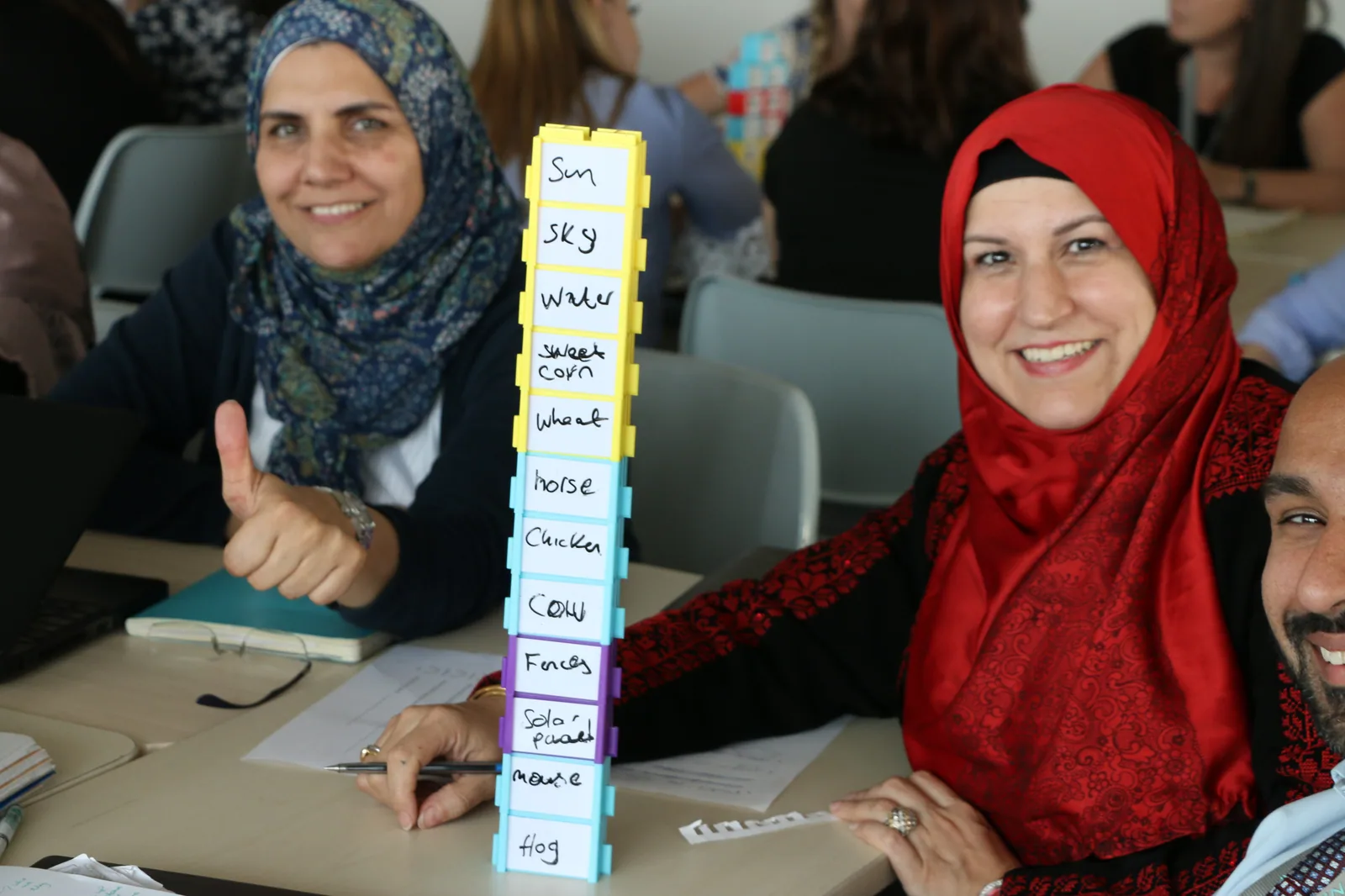
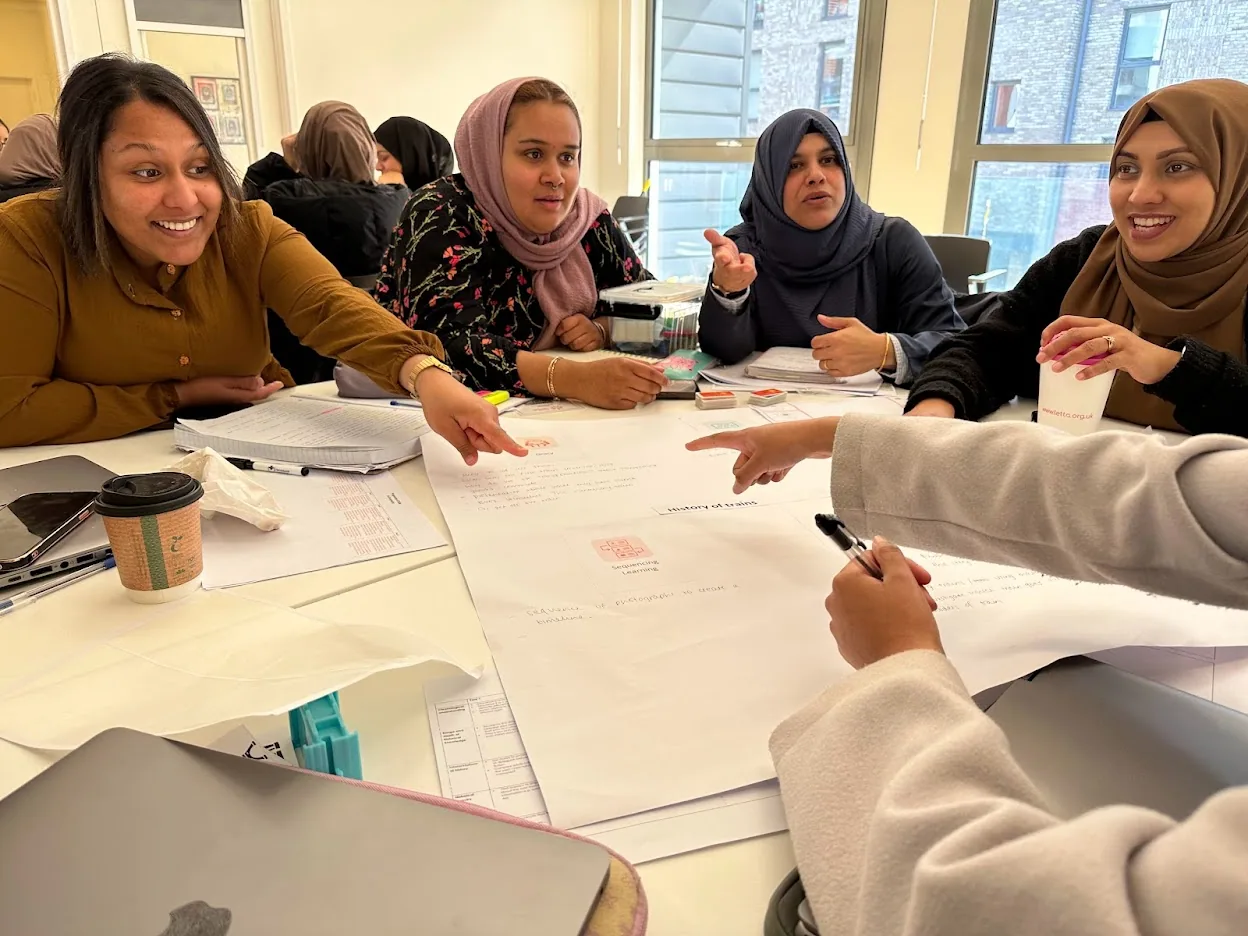
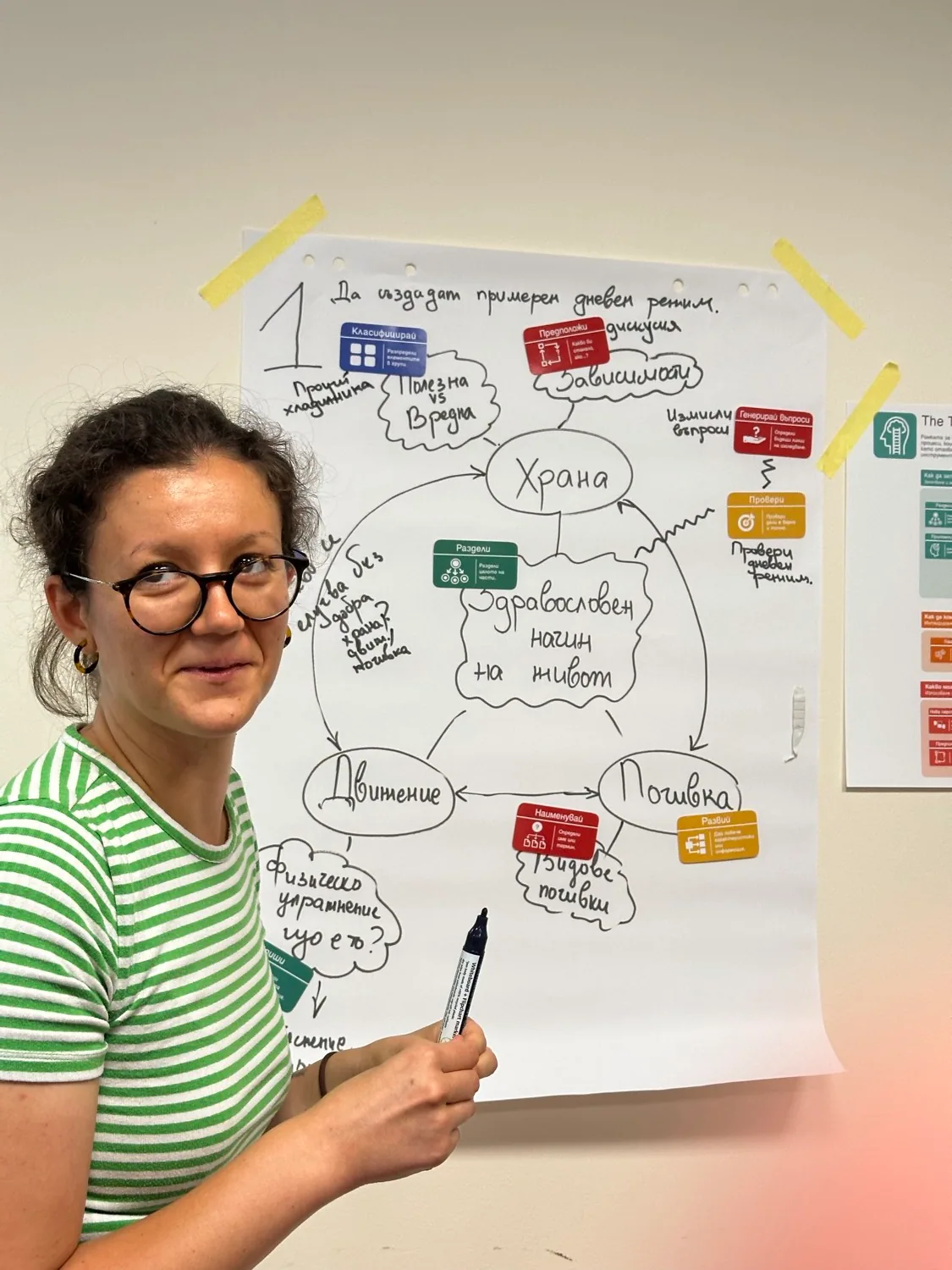
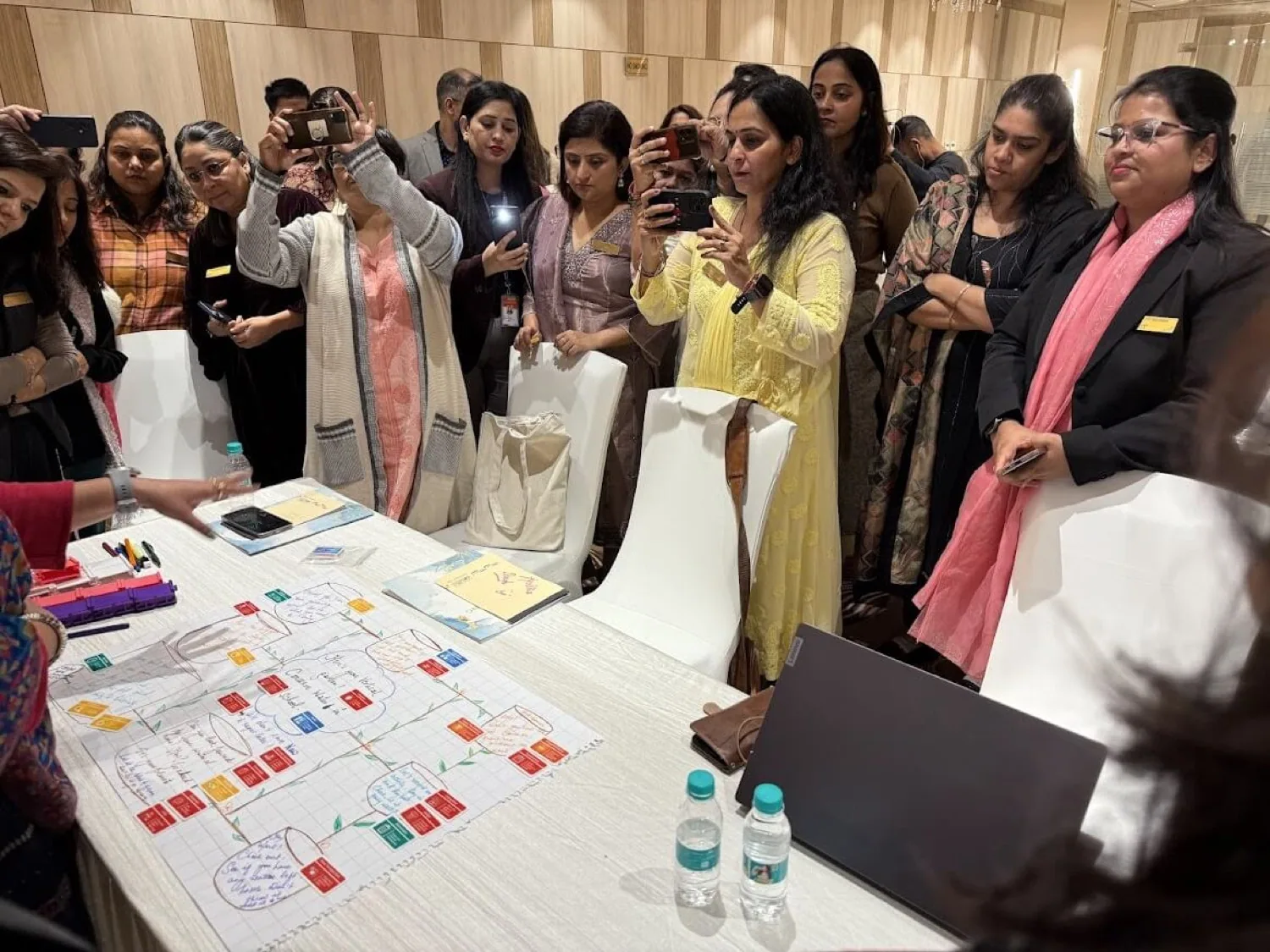
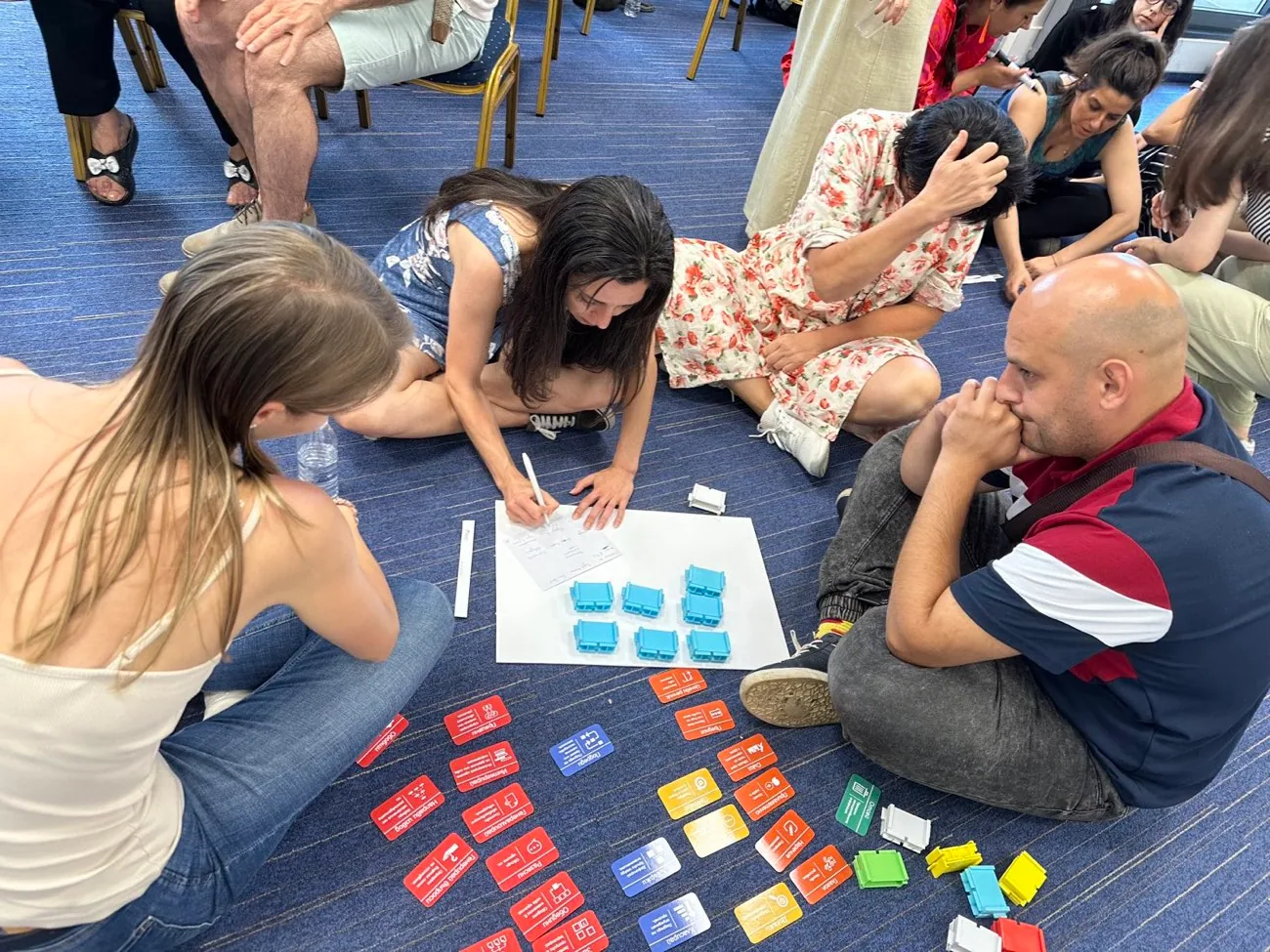
A teacher in Bulgaria beside the concept map she has just built, with the Thinking Framework command cards stuck to it.Teachers crowding round a table to photograph a learning journey they have drawn, at a conference outside Delhi.Teachers sitting on the floor sorting Thinking Framework command cards and Writer's Block.
Designing a learning experiencePlanning a topic around the thinking it asks for, not the tasks it fills. Sharing what a table builtEvery group presents the lesson they have just rebuilt. Exploring taxonomies of learningSorting the thinking moves a task actually demands.

What we believe

Show learners how their thinking works, and every task gets easier.

Metacognition is not a topic for a staff meeting. It is the skill underneath reading, revising, writing and talking. Give learners the words for what their mind is doing and they can do it on purpose. Here is where you would see it first.

  • Reading comprehension

    Comprehension is what happens when a learner can think their way through a text.

  • Revision and retrieval

    Organisation is learning. If you can organise information, you can retrieve it.

  • Writing

    Writing is thinking that has been organised, and only then written down.

  • Speaking and listening

    Talk is where half-formed thinking gets finished off.

What a session covers

The Thinking Framework, and three ways to use it.

The Thinking Framework is a one-page map of the kinds of thinking a lesson asks for, with a card for each. It goes on the wall, into hands and into plans. We start here, in the first hour, then put it to work on your own curriculum, not on an example of mine.

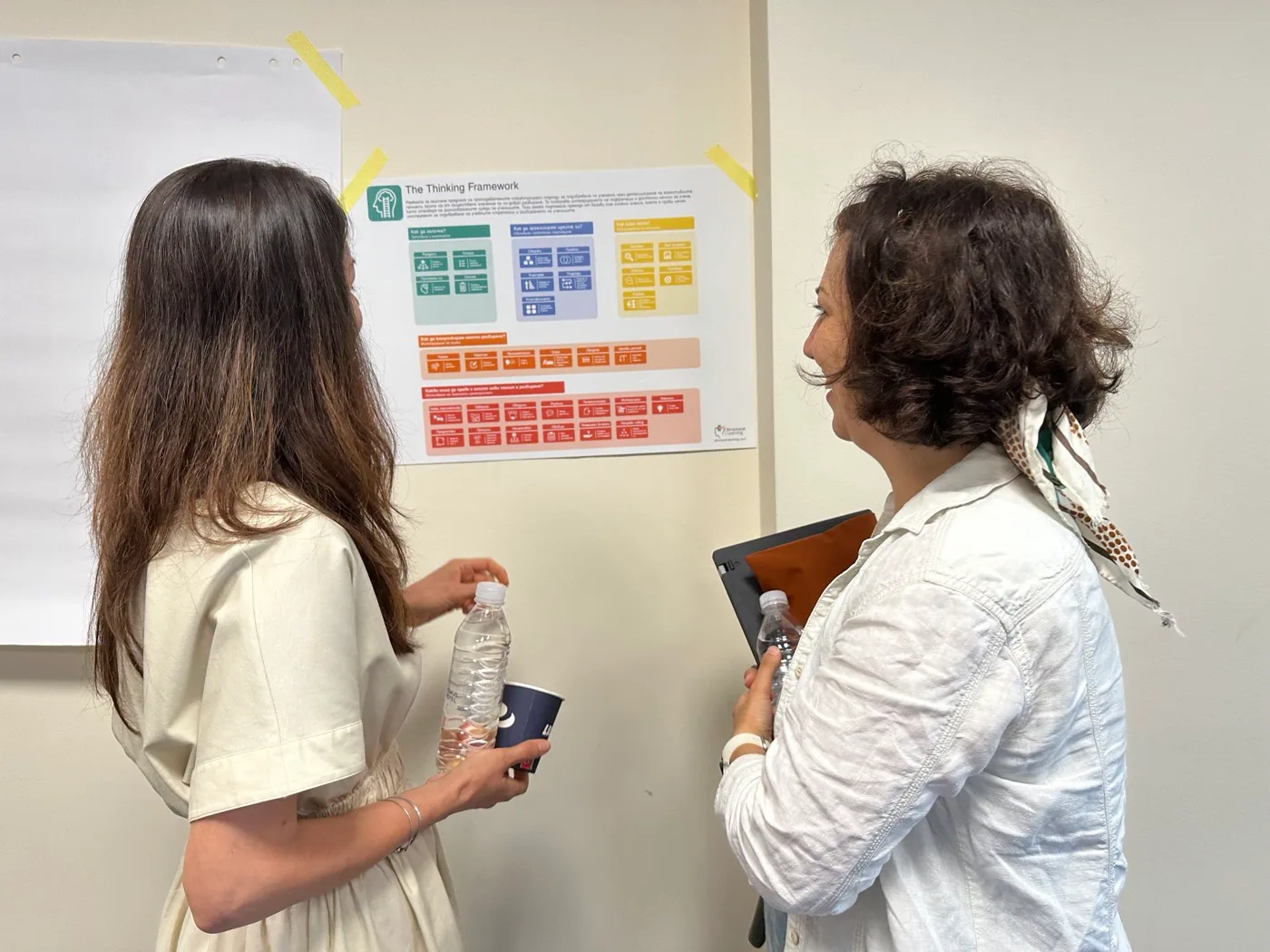
  • Two teachers standing at the Thinking Framework poster on a classroom wall.
    On the wall. The five kinds of thinking as a poster the class can point at.
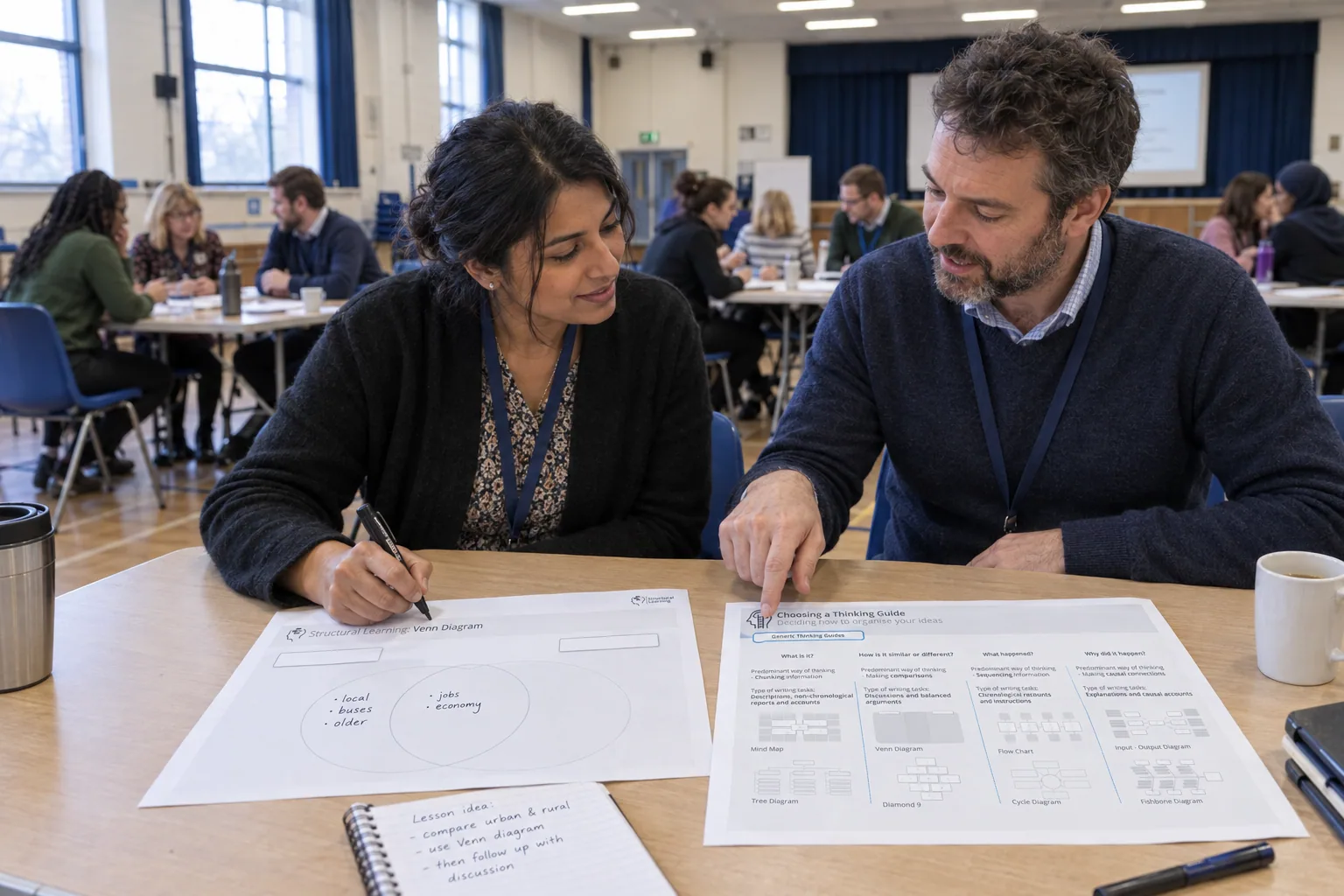
  • Two teachers at a staff session comparing organisers to choose a thinking guide for a lesson.
    In hand. A card for each thinking move, chosen for the lesson.
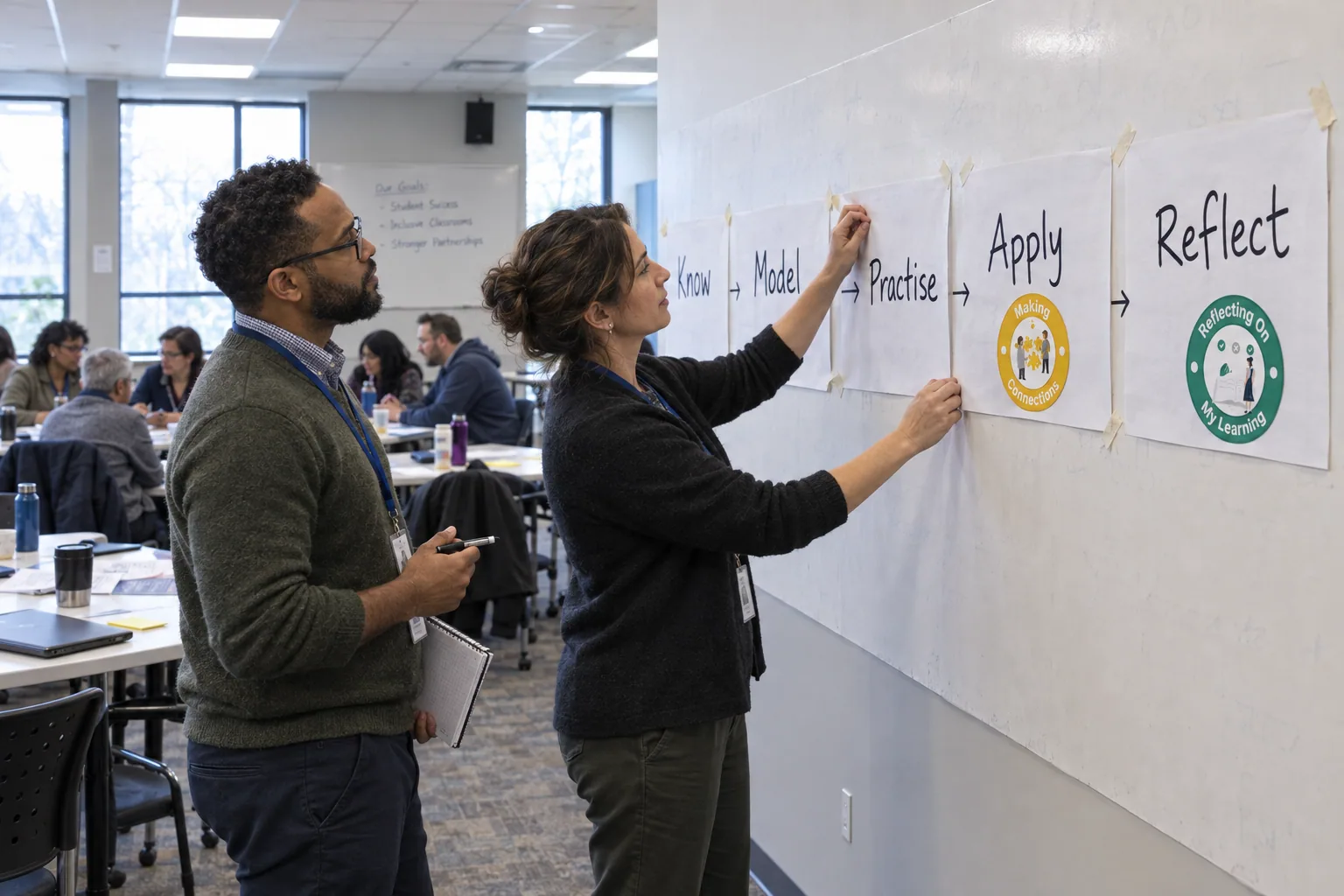
  • Two teachers pinning the stages of a lesson, Know, Model, Practise, Apply, Reflect, along a wall in order.
    In a plan. The stages of a lesson, stuck up in the order they will happen.

Every card, explained: the Thinking Framework page →

The Thinking Framework

One shared language for learning, across your whole learning community.

Every teacher and every learner uses the same words for the thinking a task asks for. Watch three of the cards plan a Year 6 rivers lesson, name the move, then mark the work.

  1. 1 · PlanPick the thinking the lesson needs, in the order it needs it: retrieve, then sequence, then explain.
  2. 2 · DeliverSay the move out loud. Learners know what they are doing and why, and the teacher can teach it.
  3. 3 · AssessThe same three cards become the success criteria on the work. Nothing new to mark against.
Retrieve1 Sequence2 Explain3 “Sequence the course of the river. Then explain the order.” I can retrieve what erosion does I can sequence the course of a river I can explain why the valley changes Three cards, one lesson, in the order it needs them. The move is named out loud, so it can be taught. The same three cards become the success criteria.

The three activities

Map It, Say It and Build It make thinking happen.

Language and thinking are not two things. A learner who can say an idea, draw it or build it has a hold on it that a learner who only listened does not. Map It is drawing the thinking out, Say It is talking it through, Build It is making it with blocks. Your staff work through all three on their own curriculum.

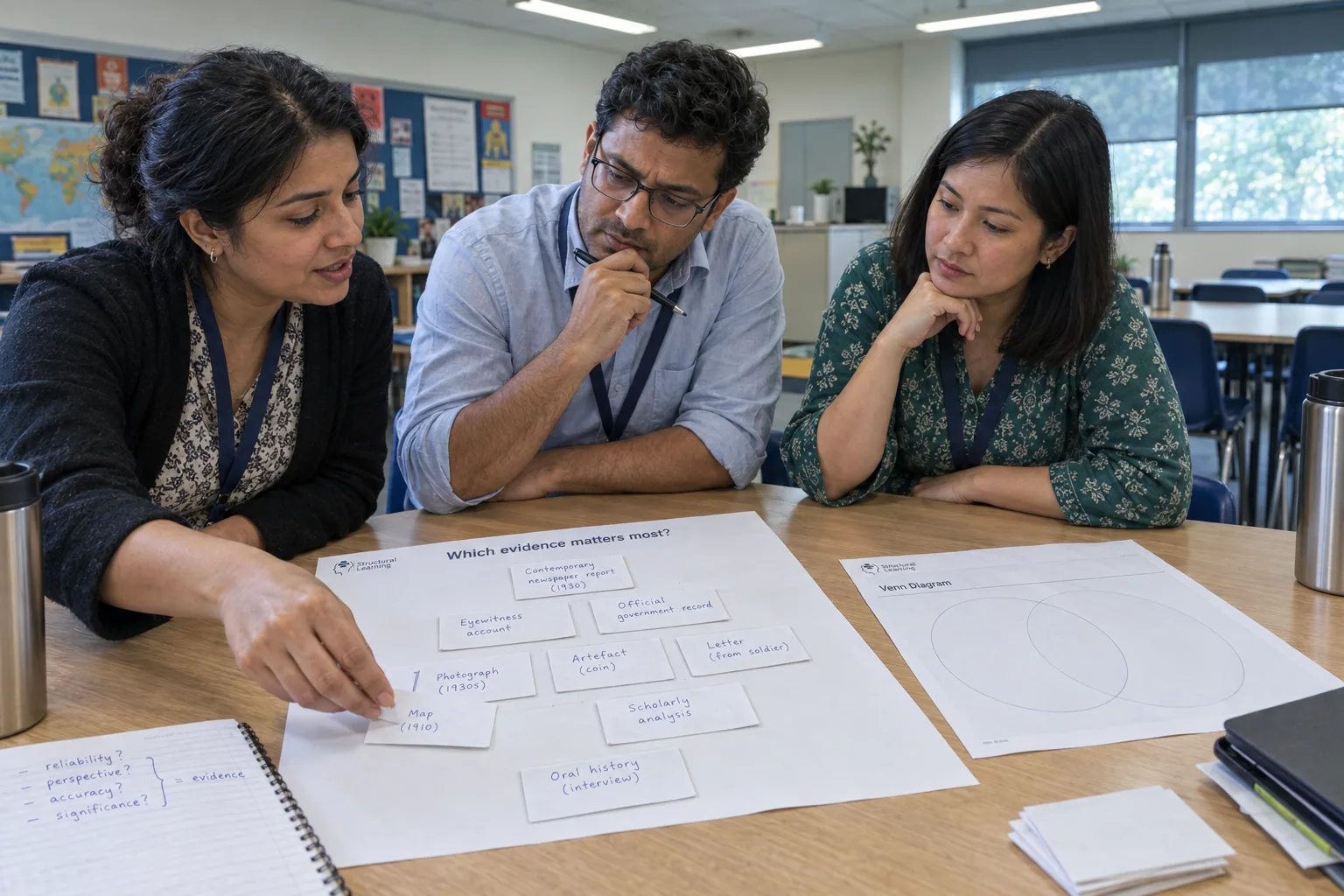
  • Three teachers at a staff session ranking pieces of historical evidence on a Diamond 9 organiser, deciding which matters most.

    Map It · organising ideas

    Teachers mapping their ideas together

    An organiser puts the thinking on the page, where a team can see it, argue with it and improve it before anyone writes a word.

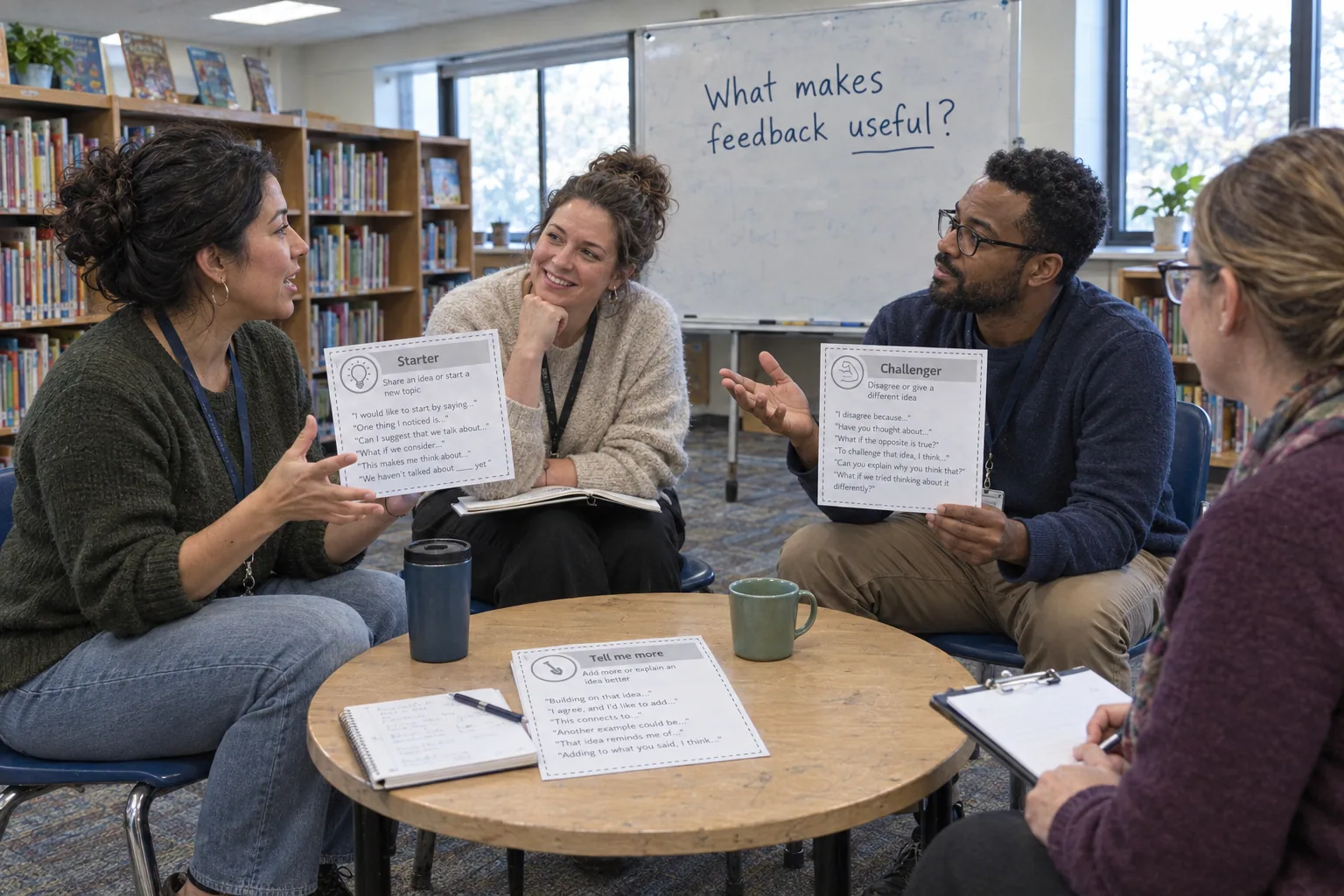
  • Four teachers holding Talk Tactics role cards, one speaking, rehearsing a discussion about what makes feedback useful.

    Say It · exploratory talk

    Teachers finding the talk in their lessons

    Exploratory talk is where a half-formed idea gets finished. Teaching teams look at their own lessons for the moments it could happen, and plan them in.

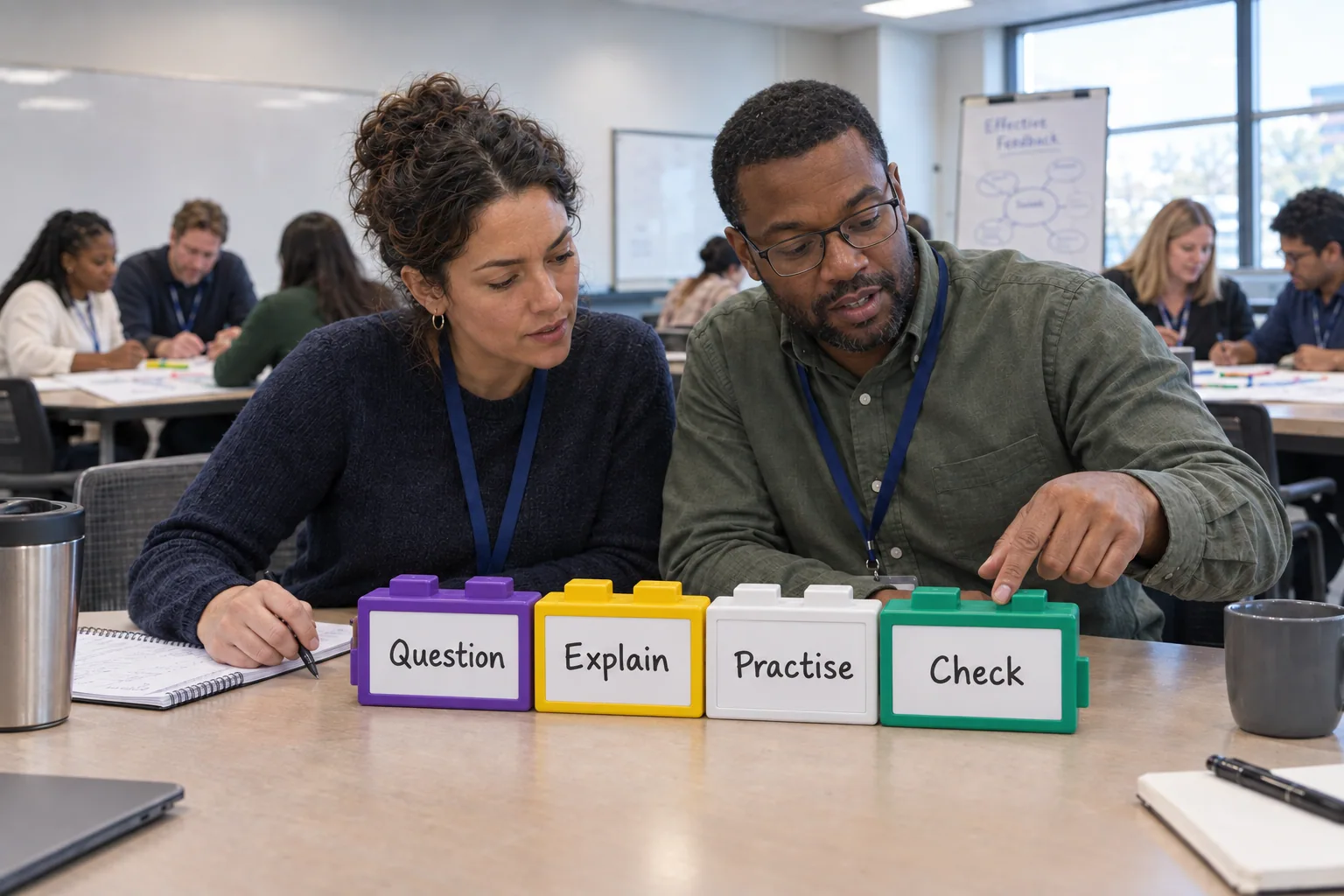
  • Two teachers in a full workshop room building a four-step learning journey, Question, Explain, Practise, Check, with Writer's Block.

    Build It · building with knowledge

    Teachers building an argument in blocks

    The shape of an answer, built before a word of it is written, and still movable. Show a team one use and they find four more.

Try it now, about a minute

What are you seeing in classrooms?

This is an exercise we run with your staff. You name what you keep seeing. We follow it down to what is actually causing it. Nobody is handed a solution; the room works it out. Pick one, or watch it cycle.

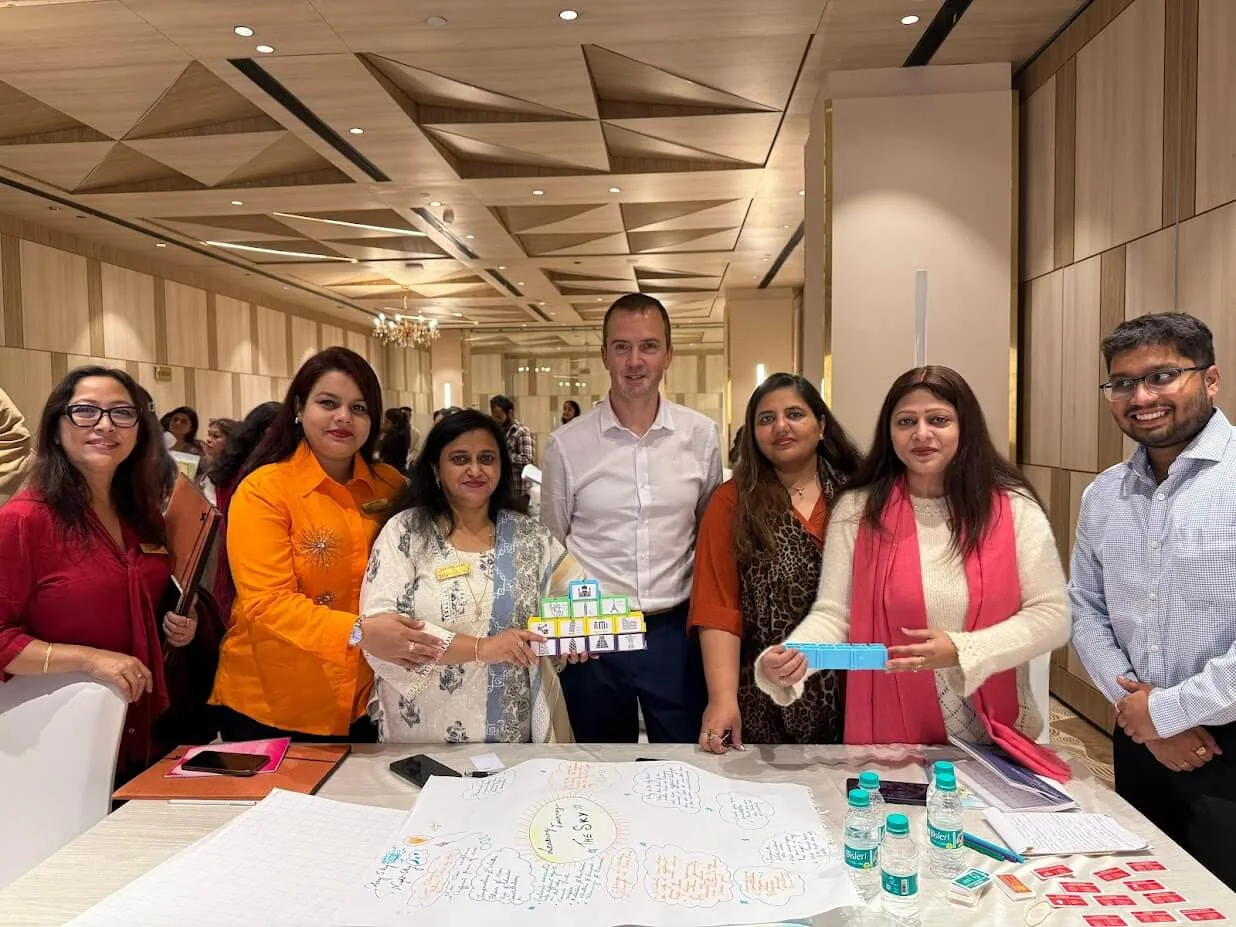
Paul Main with a team of teachers in Delhi, holding the blocks they have just built over the plan they drew for it
Delhi. A teaching team with their first build, and the plan underneath it.

What are you seeing in your classroom?

What you are seeing

    Why not try

    In your school it might be called

    What happens in the room

    After school · 90 minutes Half day · 3 hours Full day · 5 hours Across two days

    A session, start to finish.

    First your staff play learning detective, working out why a task was hard. Then learning architect, rebuilding one of their own. The shape stays the same at every length. What changes is how far we get into your curriculum.

    This is not three hours of me presenting. We build the theory of change in the room, with your staff, about your learners. The session models the thinking we want from children rather than describing it, and everyone leaves having argued for their own view of how learning works.

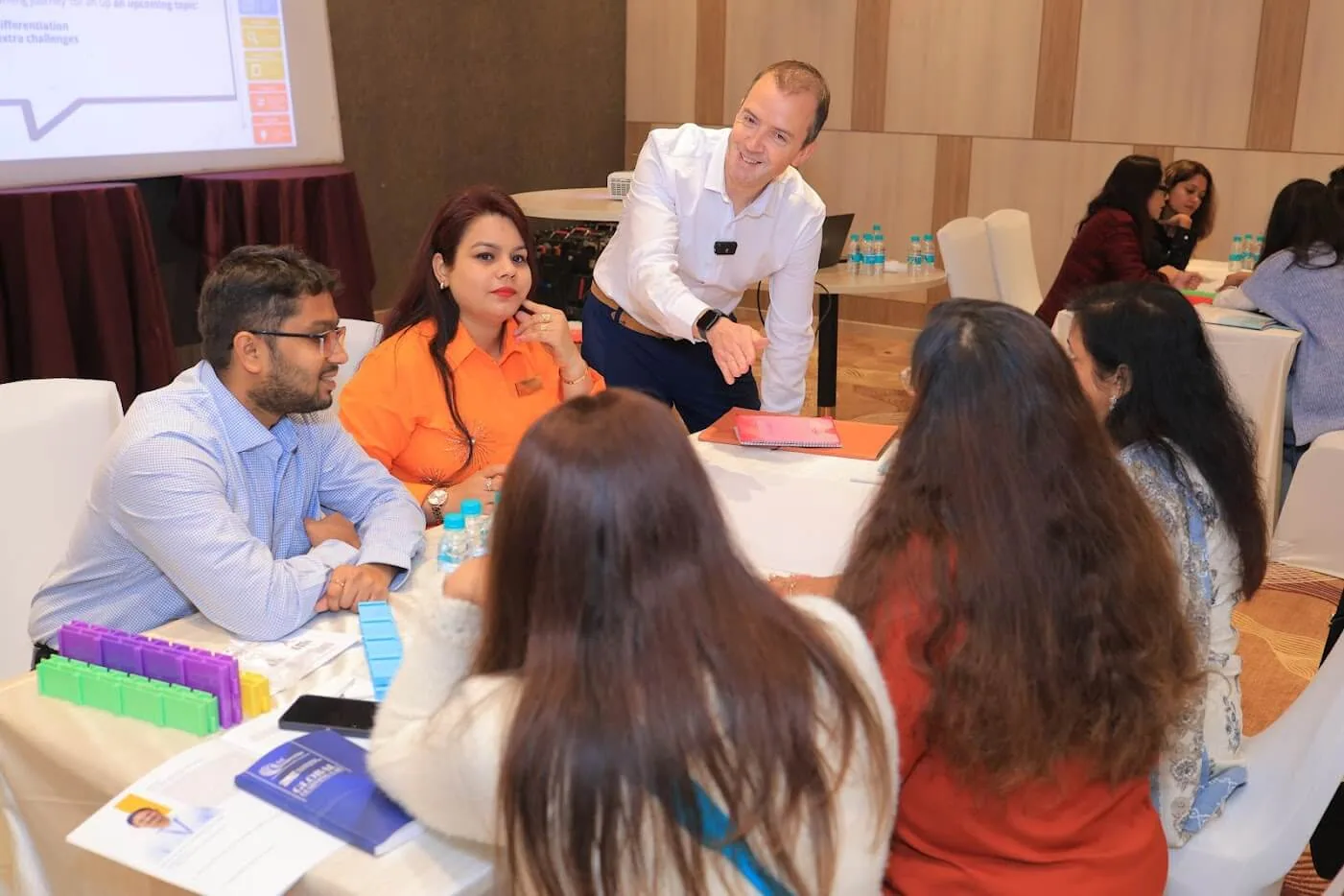
    Paul Main leaning over a table of teachers in Delhi as they build with Writer's Block
    Blocks and organisers on the table. Nobody sits and watches.
    1. 1 Show

      I introduce the ideas

      A short input, then a task with no explanation, the kind we set learners every day. Your staff feel what a learner feels when the thinking is never named.

    2. 2 Play

      Your colleagues get their hands on it

      Not my worked example. We take a lesson your staff are actually teaching and pull apart the thinking it quietly assumes. Blocks, organisers and talk structures come out. Nobody sits and watches.

    3. 3 Plan

      You leave with a plan

      Before we finish, every person writes what they will change, in which lesson, next week. You keep everything we made.

    What does a session look like?

    Taking the lid off learning, together.

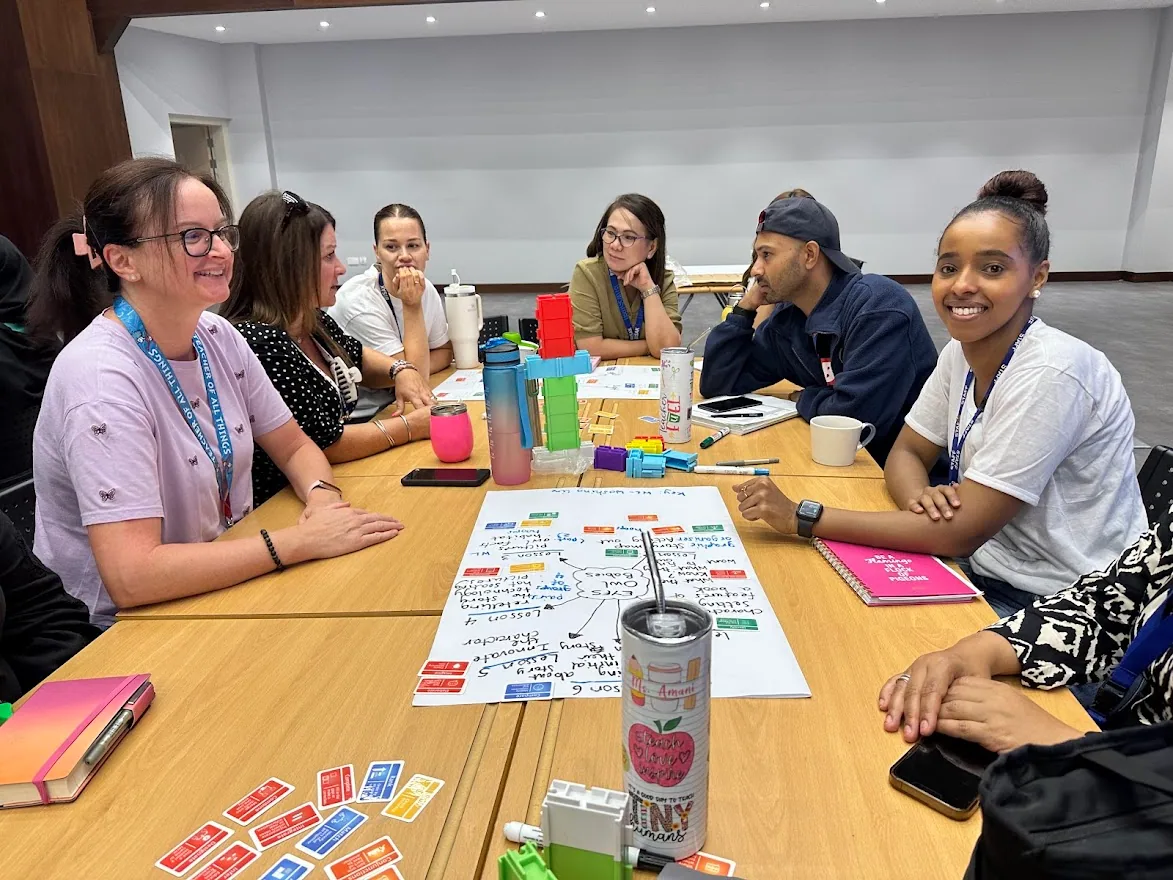
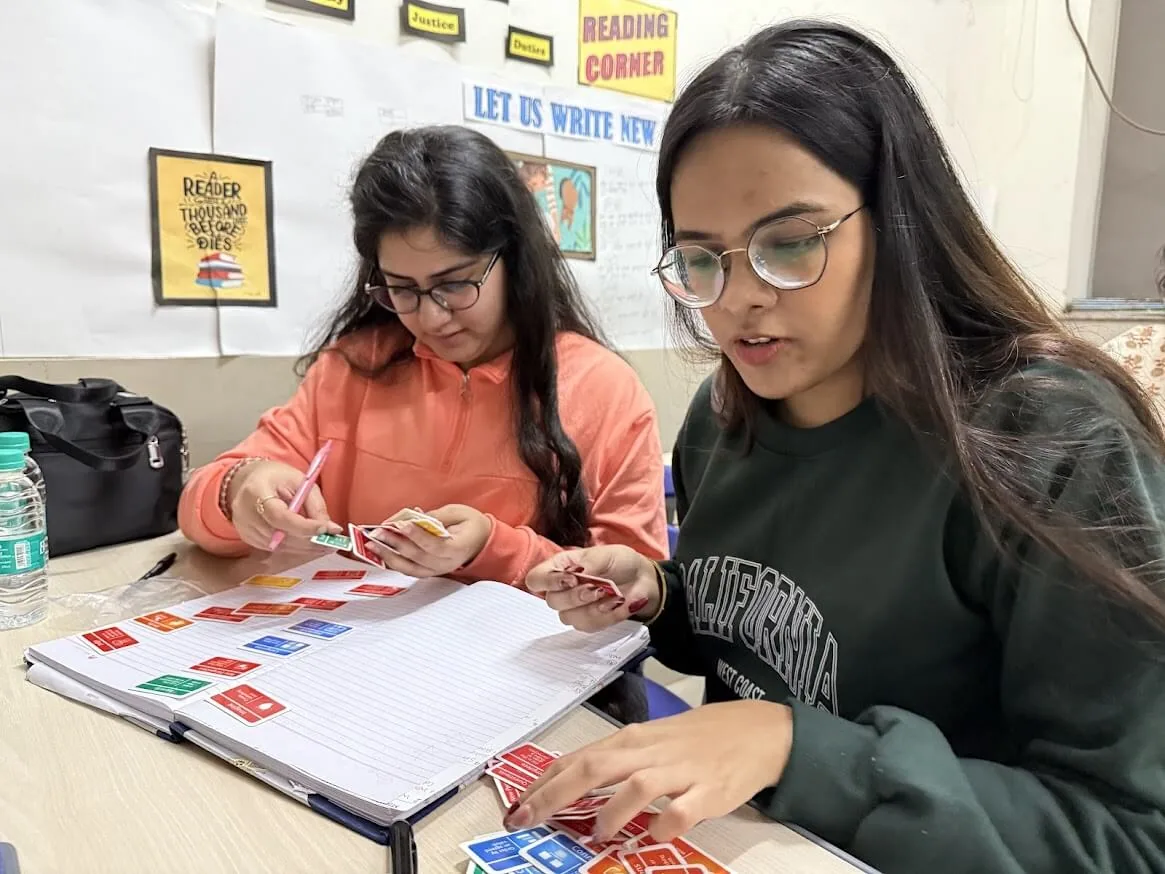
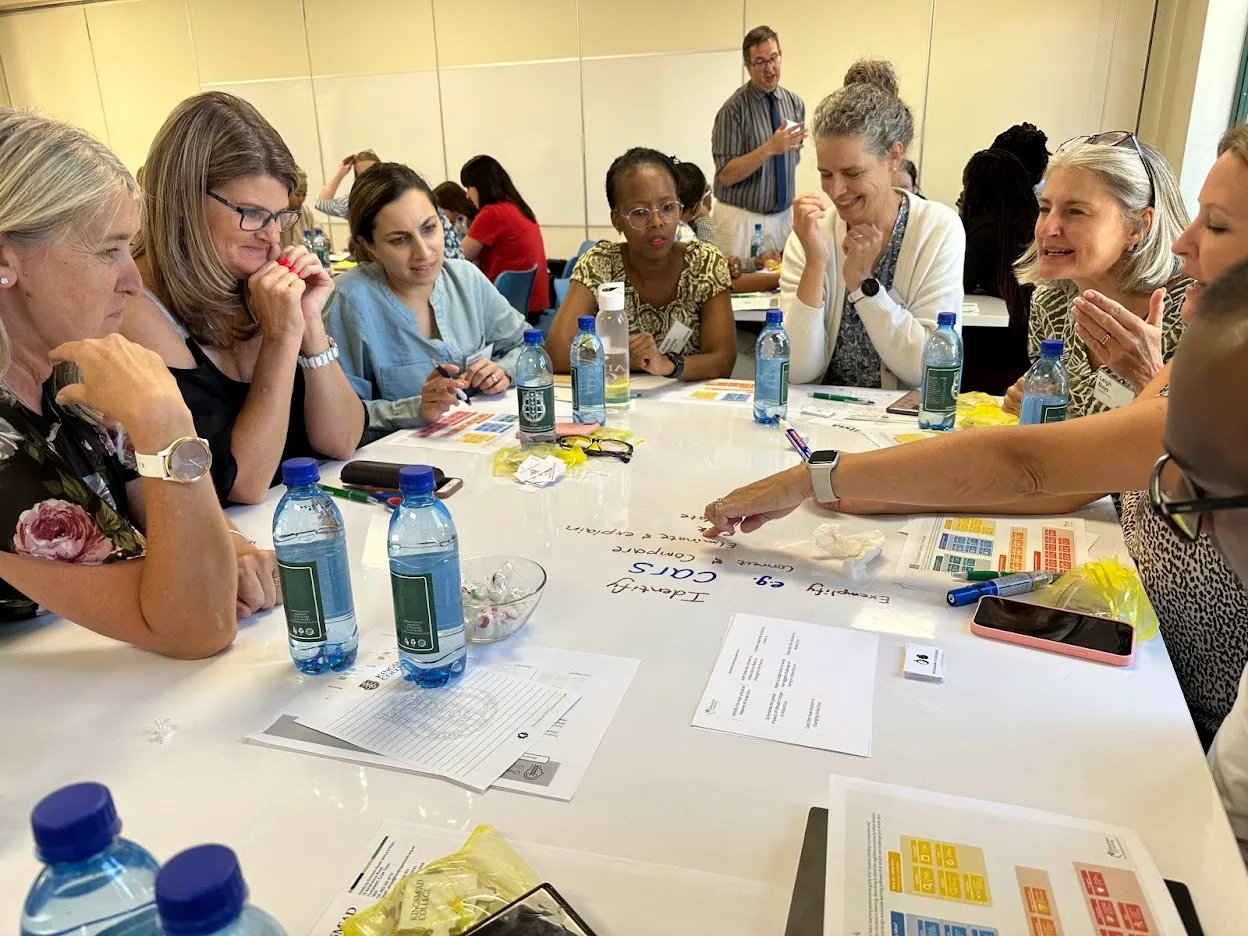
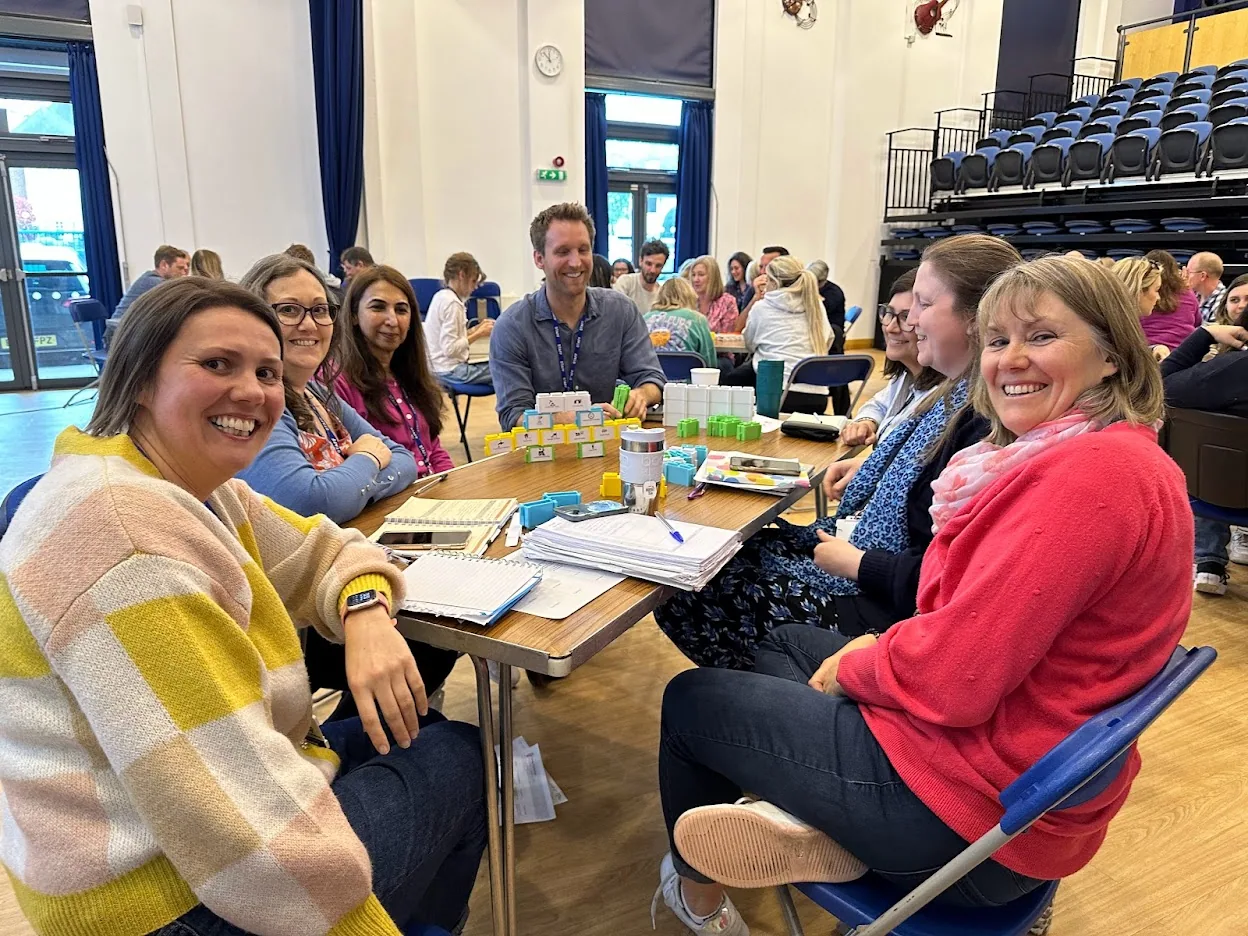
    Six groups of teachers, six places, the same shape of day: colleagues around a table, blocks and organisers in hand, working out how learning actually happens. Collaborative, creative, and a fresh look at the mechanics of how we learn. Four of them have a longer write-up.

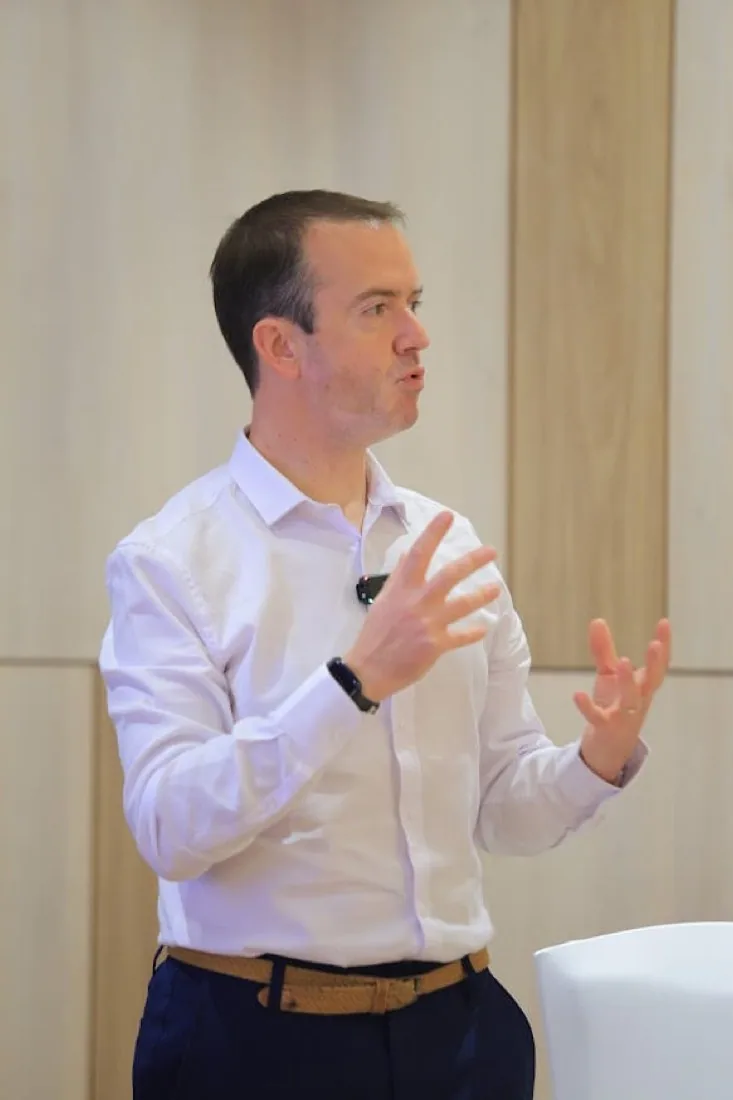
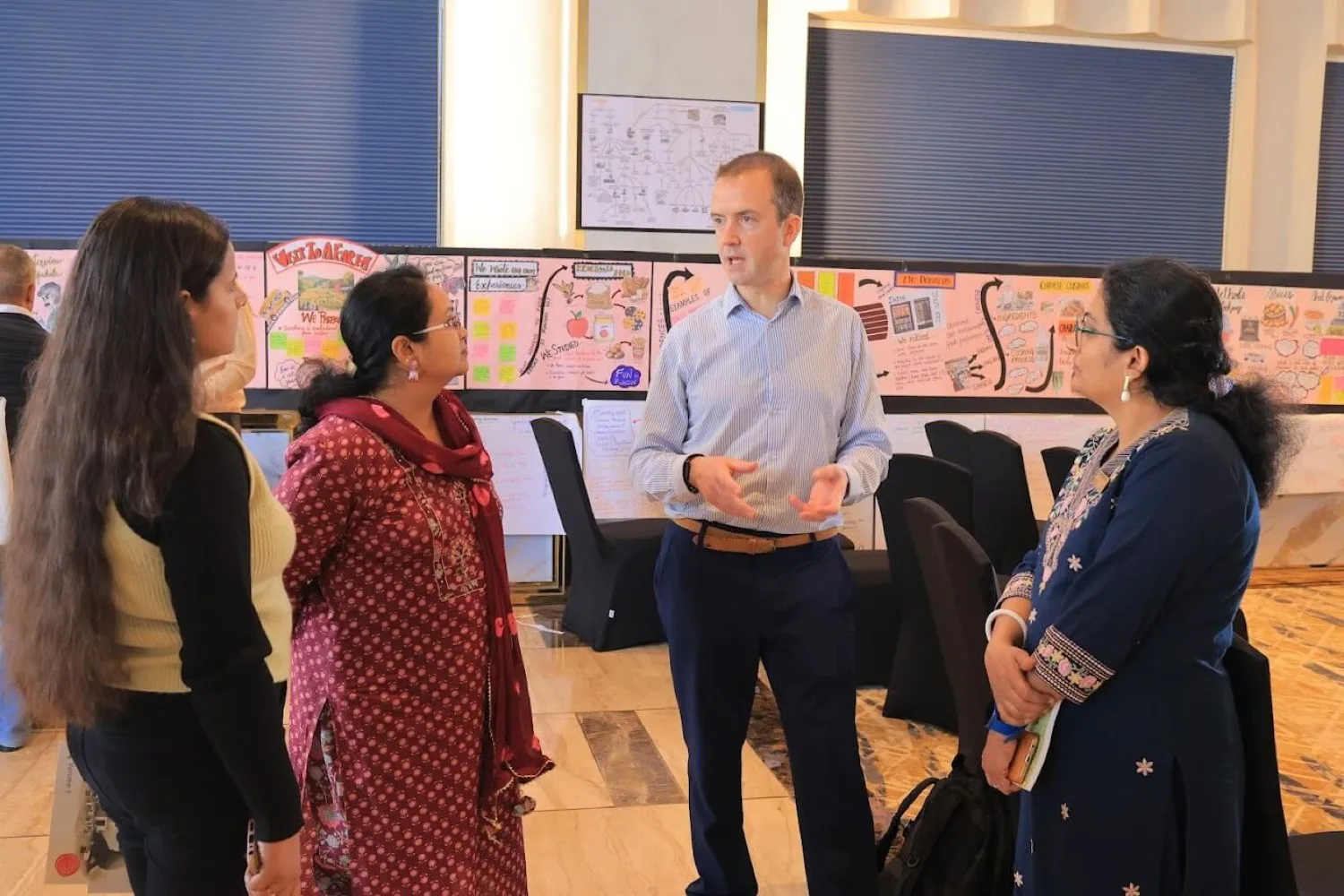
    Paul Main mid session, explaining with his hands, at a conference outside Delhi.
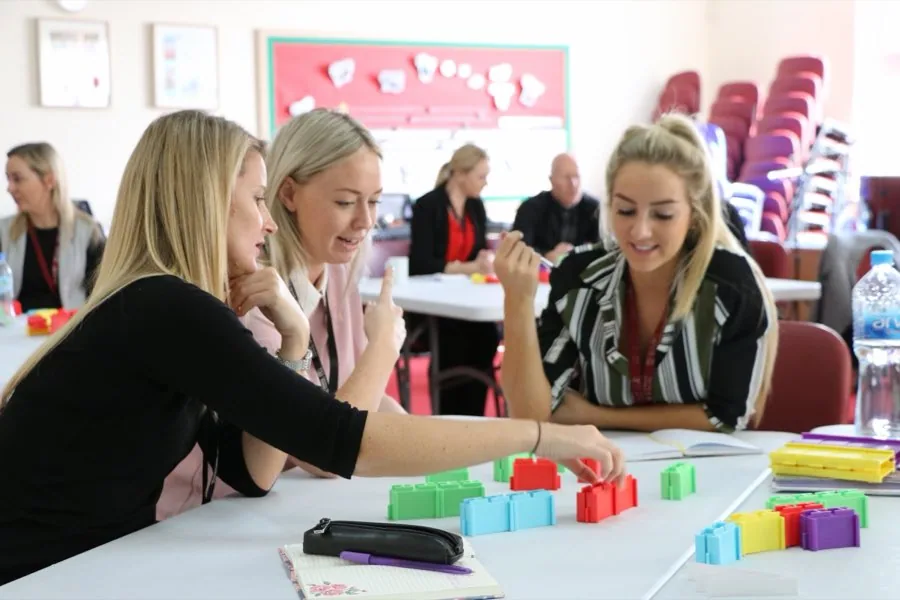
    Three teachers leaning over a table of coloured blocks in a staff session.Paul Main talking with four teachers in front of a wall of learning journeys they have drawn.
    Blocks on the tableTheir learning journeys, on the wall
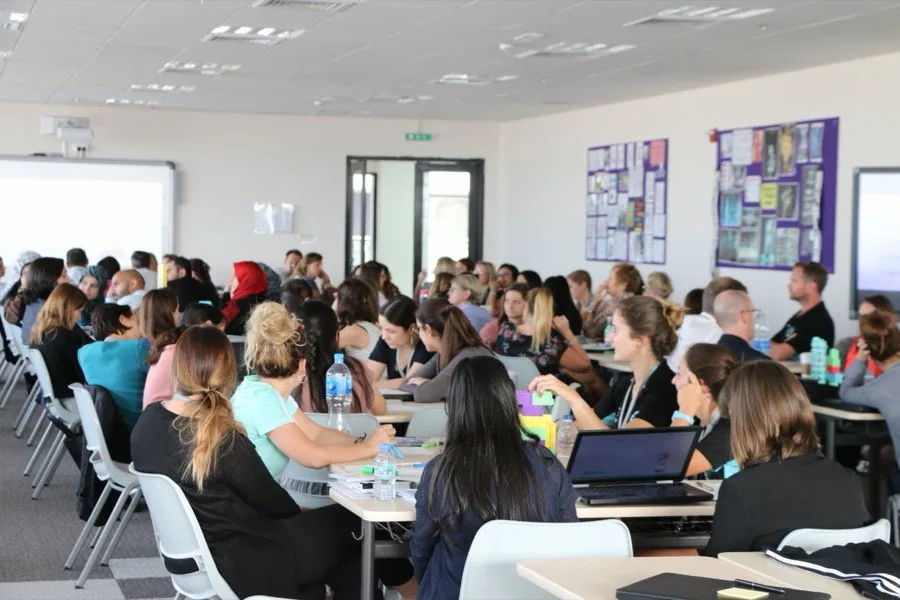
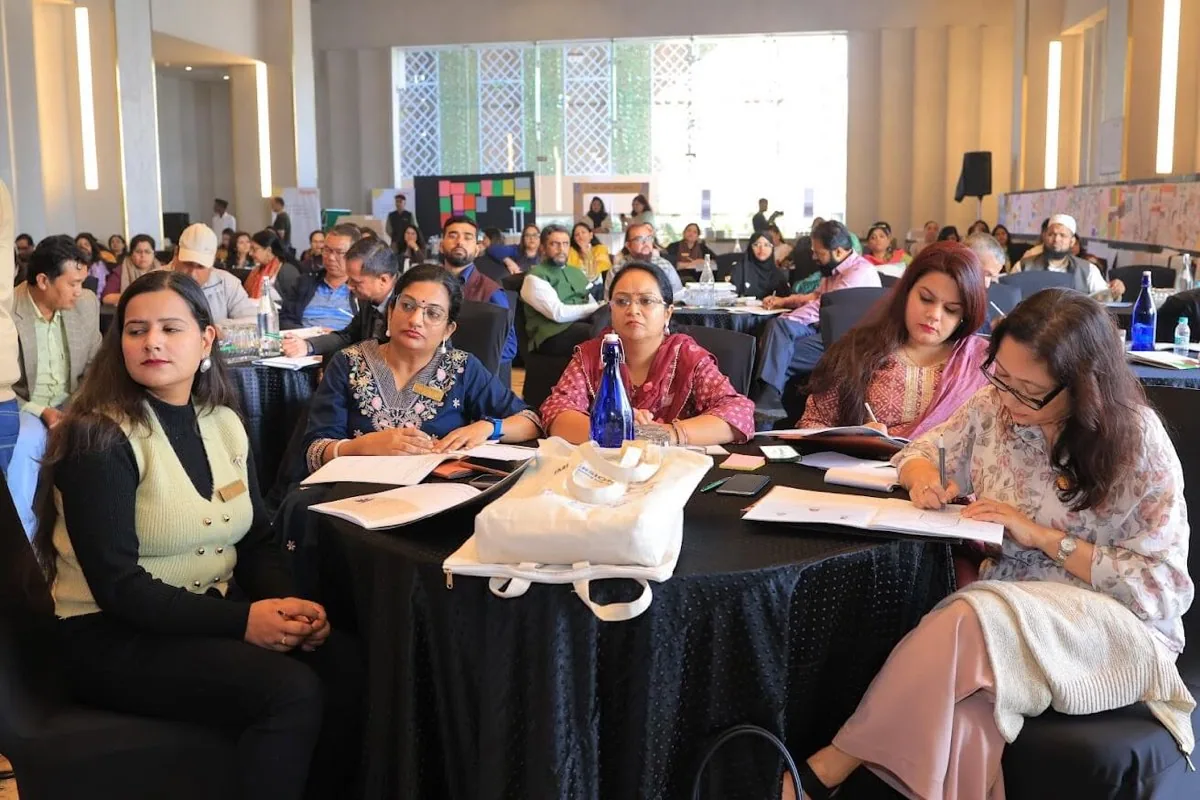
    A full training room of teachers at round tables.Teachers at round tables working through a session outside Delhi.
    A full staff INSETDelhi, mid session

    Who you would be talking to

    Hello. I'm Paul.

    Twenty years alongside teachers, one foot in research and the other in the classroom, chasing one question: how do we all think and learn?

    The evidence has plenty to say. It only counts once it survives a real classroom. So everything in the room is research made simple and practical enough to stick.

    The best sessions end with people remembering why they went into teaching in the first place.

    1. Psychologythe mind first

      A psychology degree, then a master’s: how minds work, before how schools teach.

    2. Curious Mindscreativity

      Ran a government creativity programme across North West schools, for Creative Partnerships.

    3. Futurelabinnovation

      Designed programmes for teachers and helped schools put the evidence to work.

    4. Open Futuresenquiry

      Enquiry-led learning across primary schools, with children asking the questions.

    5. Structural Learningtoday

      Writer’s Block, the Thinking Framework, and sessions in schools around the world.

    Paul Main
    Founder, Structural Learning · Cambridge

    Shapes that work

    Fit the professional learning around your calendar.

    Everything below runs remote or in person, and the full day can split across two days online. Training-day (INSET) dates usually go to parents the spring before, so a full day is often a booking for next year. A staff meeting or a remote twilight can happen this term. If none of it fits, say so on the call.

    FormatChoose it when
    Keynote A conference or trust day, and you want the ideas to land with a large room.
    After school staff meeting You want all your staff together, and no cover costs.
    Workshop One department or phase team wants to go deeper.
    Full day INSET Thinking is a school priority this year.
    Primary and secondary, across two days You are all through, or a trust, and the phases need different examples.
    Staged professional learning Four sessions: an introduction, then Map It, Build It and Say It You want it to outlast the INSET day and build across a term.
    • I bring everything Blocks, organisers, talk structures, enough for the room. You buy nothing to take part.
    • You keep what you made The rebuilt lesson, the one page for the wall, the routines. Yours whether or not we speak again.
    • No licence, no subscription The application is optional and separate. We would talk it through before you spent anything.

    What do the schools think?

    “The perfect start to the term, with enough theory and explanation to get staff thinking”

    M Russo after a whole-school INSET

    • Teachers crowding round a table to photograph a learning journey they have drawn, at a conference outside Delhi.
      Delhi, India
    • Teachers sitting on the floor sorting Thinking Framework command cards and Writer's Block.
      Sofia, Bulgaria
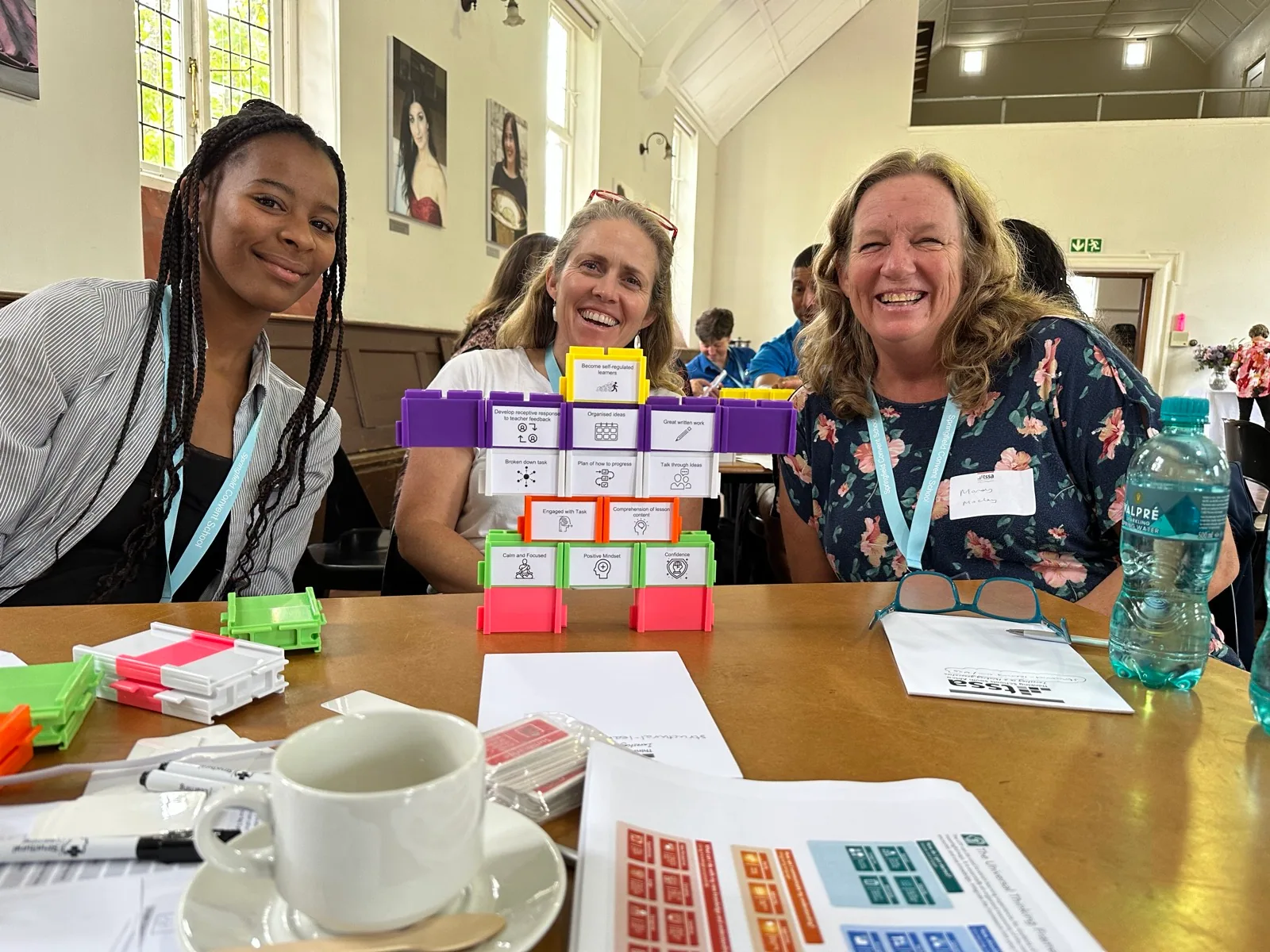
    • Three teachers smiling behind a wall of labelled Writer's Block, at a session in Cape Town.
      Cape Town, South Africa
    • “Staff commenting on the quality of the training you delivered and also on how the activities you modelled, will help make lessons more inclusive for all.”

      Helen ClearyAssistant Vice Principal, Altrincham Girls Grammar School

    • “We are excited to have 2 more workshops planned with Paul and will maintain contact as this practice is something I would like to see embedded into the work of the school.”

      Maarten CrommelinHeadteacher, Maudsley and Bethlem Hospital School

    • “Already we can see that it is giving us another level of depth and learning security in the classroom.”

      Catherine JeffcoatBablake Junior School

    • “Always practically helpful for teachers and thought provoking for Headteachers who are considering and planning for the learning environment in their own schools.”

      Victoria KenningtonSeveral workshops for a schools association

    • “Enabled our staff to re define the way they teach to ensure students think hard and can move from a task driven approach.”

      Phil BurgessBottisham

    • “The day was filled with practical tips that could be used in the classroom the next day as well as inspiration for future ideas.”

      Dan AinscowAfter a whole-school training day

    • “Paul’s understanding of metacognition and his ability to come up with practical and realisable solutions to address metacognitive barriers is highly commendable!”

      Julie SmithOutreach Team, University of East Anglia

    • “Informative and interactive, providing staff with lots of ideas and techniques that they can use in the classroom.”

      St Andrew’s SchoolWhole-school INSET, EYFS to Year 6

    • “He has been leading a series of engaging workshops with colleagues at our school and really has generated a spark and thirst for more.”

      Tony QureshiA series of staff workshops

    5.0 from 25 reviews. Read every one on Google

    One session, or a strategy

    For schools that want to think strategically.

    A session stands on its own: your staff keep the ideas, the framework and everything they made, and plenty of schools stop there. Schools that want the thinking to become how the whole school works go further, with the app for planning, Writer’s Block kits, the cards on every wall and a follow-on session when the time is right. A choice, not a condition.

    • Structural Learning

      Topic

      The water cycle, Year 4

      What should they be doing with it?

      SequenceCompareExplainHypothesise

      Map It · Flow chart

      EvaporationCondensationPrecipitationCollection

      Topic

      The Romans in Britain, Year 5

      What should they be doing with it?

      DefineSequenceCompareExplain

      Key concepts · Knowledge organiser

      EmpireInvasionLegionAqueductRebellionLegacy

      Topic

      Should homework be banned? Year 8

      What should they be doing with it?

      ExplainArgueEvaluateJustify

      Say It · Talk roles

      Starter “I would like to start by saying…”
      Challenger “Have you considered…”
      Summariser “So far we agree that…”

      Adopt the platform

      A topic in, a lesson artefact out, in the same language as the session.

      Have a look, no sign-up →
    • so valleys widen because they erode Rivers bend

      Invest in Writer’s Block classroom kits

      The blocks from the session, enough for a class, so building an idea before writing it becomes routine.

      Writer’s Block →
    • Thinking Framework Retrieve Sequence Compare Explain Justify

      Use the physical cards and framework

      Command cards for every table and the framework for every wall, so the language stays after the day.

      The Thinking Framework →

    Read about the approach

    The next step

    Curious? Let’s talk about your school.

    Twenty minutes on a Google Meet. Tell me what your school is working on this year and I will tell you what a session would look like, and say so if I think you do not need one.

    Book a conversation

    Pick a slot that suits you. No preparation needed.

    See available times
    or

    Or email me directly
    paul@structural-learning.com

    You will speak to me, not a sales team. There is nothing to buy on the call, and I will send you the framework afterwards either way.