Updated on
September 9, 2026
The Benefits of Flipped Classrooms
Discover the flipped classroom model: a dynamic teaching approach that enhances student engagement and learning through interactive, self-paced lessons.

Updated on
September 9, 2026
Discover the flipped classroom model: a dynamic teaching approach that enhances student engagement and learning through interactive, self-paced lessons.
Flipped classrooms can create more time for active learning, problem-solving and classroom discussion when the pre-class work is short, purposeful and checked. The evidence base is more cautious than a single engagement percentage: reviews such as Bishop and Verleger (2013) and Hew and Lo (2018) suggest potential gains, but the effect depends on implementation quality, learner preparation and in-class task design.
Pioneered by educators such as Aaron Sams and popularized by online educational platforms like those of Salman Khan, flipped teaching is designed to improve student learning and engagement. By dedicating classroom time to interactive methods, such as class discussion and peer feedback, students are encouraged to engage in deeper learning. This reimagined classroom approach h as transformed class sessions into dynamic spaces for knowledge application and exchange.
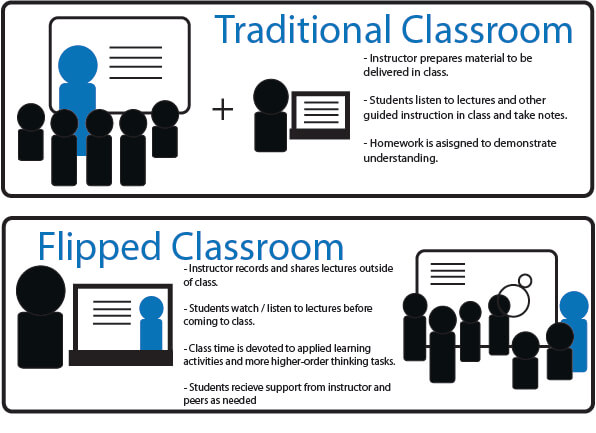
The flipped classroom represents a significant shift from the conventional educational structure, focusing on student-centric learning processes. By transferring the initial exposure to new content outside the classroom, through online lectures and readings, it enables students to construct foundational knowledge prior to attending class. This pedagogical framework promotes active learning and encourages scholars to synthesize pre-existing cognitive structures, laying the groundwork for more profound comprehension and knowledge retention.
In the flipped model, classroom sessions transform into active spaces for exploration and dialogue, steering students towards a more engaged role in their own education. The pivot away from traditional lecture-based class periods to classroom activitiesthat cultivate problem-solving skills and discussion means that more intricate concepts can be nurtured during these interactive assemblies. Importantly, the model diminishes the cognitive burden on students within the classroom setting, as they arrive equipped with baseline understanding, prepared to forge new cognitive linkages and improve their academic pursuits.
Moreover, by focusing on class activities that involve student teamwork and mentorship, flipped classrooms encourage key intra- and interpersonal skills. Such a pedagogical style aligns well with modern educational objectives, prioritising collaboration, adaptability, and critical thinking, and is a testament to the dynamic and responsive nature of current educational methods where learner participation is paramount.
The role of pre-class preparations in flipped classrooms is pivotal in catalyzing the overall learning outcomes. Assignments like online quizzes and worksheets serve dual functions: they prime students' knowledge for upcoming class activities and incentivize preparation through the possibility of assessment and effective feedback. These activities are strategically designed to ensure students encounter the material in a structured manner, establishing a solid foundation before engaging in classroom discussions.
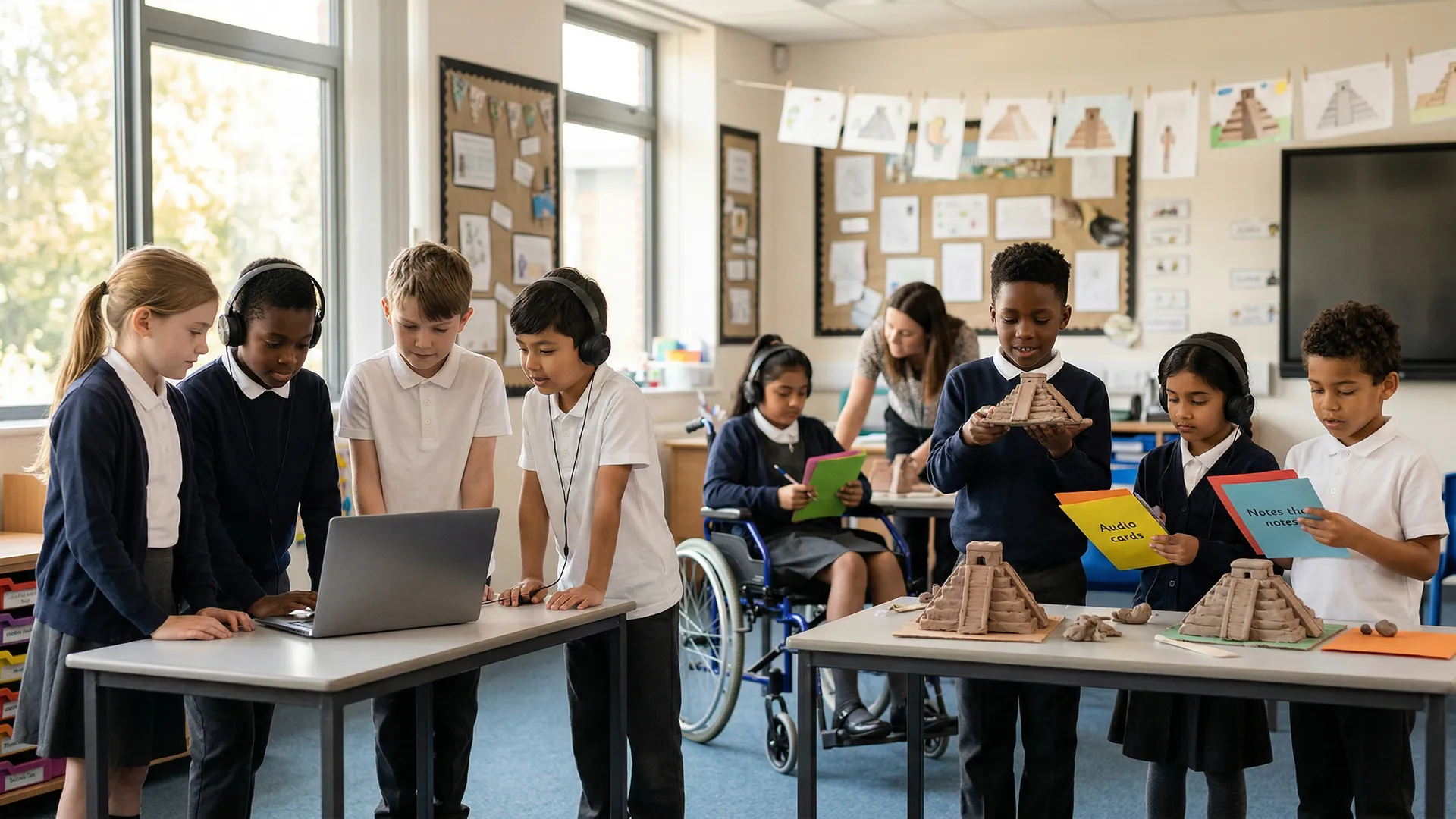
Effective pre-class preparation typically includes a variety of digital resources such as instructional videos, interactive modules, and reading assignments that offer multiple ways for students to engage. Students are encouraged to take notes, formulate questions, and identify areas of confusion, which they can then address during face-to-face sessions. This preparatory phase transforms passive consumption of content into an active learning process, where students begin constructing knowledge independently.
The success of pre-class preparation hinges on creating materials that are accessible, engaging, and appropriately challenging. Teachers must carefully curate content that aligns with learning objectives whilst remaining digestible for independent study. Additionally, incorporating low-stakes assessments such as comprehension checks or reflection prompts helps maintain accountability and provides valuable insights into student understanding before classroom activities commence.
Once students arrive prepared with foundational knowledge, classroom time becomes dedicated to higher-order thinking activities that would be impossible in traditional lecture-based settings. Teachers transition from being the primary source of information to becoming facilitators, guides, and coaches who support students in applying their pre-acquired knowledge to complex problems and real-world scenarios.
In-class activities in flipped environments typically include collaborative problem-solving sessions, peer discussions, laboratory experiments, case study analyses, and project-based work. These activities allow teachers to observe student thinking processes in real-time, providing immediate feedback and addressing misconceptions as they arise. This just-in-time teaching approach ensures that learning gaps are identified and remedied promptly, preventing the accumulation of misunderstandings that often plague traditional instructional models.
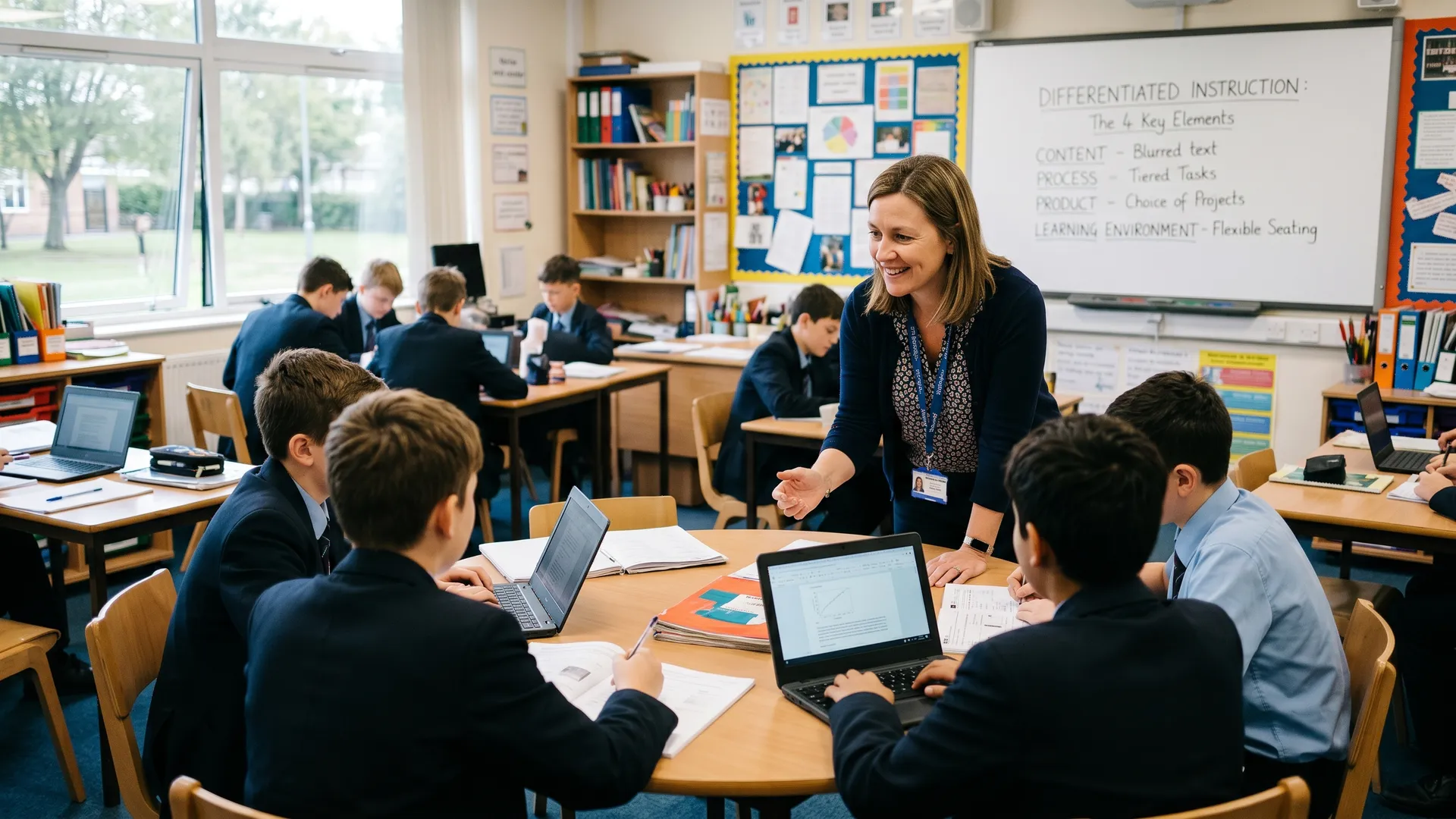
The teacher's role evolves significantly in flipped classrooms, requiring educators to develop new skills in facilitation, questioning techniques, and differentiated instruction. Rather than delivering content uniformly, teachers can provide personalised support, working with individual students or small groups to address specific learning needs. This individualised attention, often impossible in lecture-dominated classrooms, represents one of the most significant advantages of the flipped model.
The implementation of flipped classrooms yields numerous pedagogical advantages that address longstanding challenges in traditional educational settings. Research consistently demonstrates that this approach enhances student engagement, improves learning outcomes, and develops essential 21st-century skills that prepare learners for future academic and professional success.
One of the most significant benefits of flipped classrooms is the dramatic increase in student engagement levels. When students arrive prepared with foundational knowledge, classroom discussions become more meaningful and interactive. Rather than sitting passively whilst teachers deliver lectures, students actively participate in problem-solving activities, debates, and collaborative projects that require critical thinking and creative application of concepts.
This engagement extends beyond mere participation; students develop ownership of their learning process and become more invested in educational outcomes. The shift from passive recipients to active contributors creates intrinsic motivation and helps students develop self-regulation skills essential for lifelong learning. Additionally, the variety of activities and learning modalities in flipped classrooms accommodates different learning preferences, ensuring that students who benefit from varied representations all have opportunities to excel.
Multiple studies indicate that flipped classrooms contribute to improved academic performance across various subjects and educational levels. Students who participate in flipped learning environments often demonstrate better retention of material, deeper understanding of complex concepts, and improved performance on assessments compared to their peers in traditional classrooms.

The improvement in learning outcomes can be attributed to several factors inherent in the flipped model. First, students can review pre-class materials multiple times and at their own pace, ensuring mastery before going forward. Second, classroom time dedicated to application and practice helps solidify understanding through experiential learning. Third, immediate feedback and support from teachers during in-class activities prevent misconceptions from becoming entrenched.
Furthermore, flipped classrooms promote the development of higher-order thinking skills as outlined in Bloom's Taxonomy. While traditional classrooms often focus on lower-level cognitive processes like remembering and understanding, flipped environments emphasise analysis, synthesis, and evaluation through interactive classroom activities.
The flipped classroom model inherently supports personalised learning by accommodating different learning paces and styles. Students can engage with pre-class materials according to their individual needs, spending additional time on challenging concepts whilst moving quickly through familiar territory. This flexibility is particularly beneficial for diverse learners, including those with learning difficulties or advanced students seeking enrichment opportunities.
Teachers in flipped environments can provide more individualised attention during classroom sessions, identifying struggling students early and offering targeted support. This personalised approach helps address learning gaps before they widen, ensuring that all students have opportunities to succeed. Additionally, the model supports differentiated instruction, allowing teachers to provide varied activities and resources that cater to different ability levels within the same classroom.
While flipped classrooms offer significant advantages, successful implementation requires careful consideration of potential challenges and barriers. Understanding these obstacles helps educators develop strategies to overcome them and maximise the effectiveness of the flipped model.
Implementing flipped classrooms requires reliable access to technology and digital resources, which can present challenges for schools with limited budgets or students without home internet access. Educators must ensure that all students can access pre-class materials, which may require providing alternative formats or establishing computer access programmes within schools.
Additionally, teachers need training and support in creating or curating digital content, using learning management systems, and troubleshooting technical issues. The initial investment in technology infrastructure and professional development can be substantial, though the long-term benefits often justify these costs.
The success of flipped classrooms depends heavily on student preparation outside of class time. Ensuring consistent engagement with pre-class materials requires establishing clear expectations, providing accountability measures, and developing student self-discipline. Some students may initially resist the increased responsibility for their own learning, requiring additional support and motivation from teachers.
Effective strategies for promoting student preparation include low-stakes quizzes, reflection activities, and peer accountability systems. Teachers must also be prepared to adapt classroom activities when students arrive unprepared, maintaining flexibility whilst reinforcing the importance of pre-class engagement.
The flipped classroom model represents a transformative approach to education that addresses many limitations of traditional instructional methods. By reversing the conventional roles of homework and classroom activities, this pedagogical strategy creates opportunities for more engaging, personalised, and effective learning experiences. The evidence consistently demonstrates that flipped classrooms enhance student engagement, improve academic outcomes, and develop essential skills for lifelong learning.
However, successful implementation of flipped classrooms requires careful planning, adequate resources, and ongoing support for both teachers and students. Educators considering this approach must be prepared to invest time in creating or curating pre-class materials, developing new facilitation skills, and addressing potential challenges related to technology access and student accountability. Despite these challenges, the potential benefits of flipped learning make it a worthwhile consideration for educators seeking to enhance their instructional practice.
As education continues to evolve in response to changing student needs and technological capabilities, the flipped classroom model offers a practical and research-supported approach to creating more dynamic, student-centred learning environments. By embracing this effective pedagogical strategy, educators can better prepare students for success in an increasingly complex and collaborative world whilst developing the critical thinking skills and self-directed learning capabilities essential for lifelong educational and professional growth.
A flipped classroom reverses the traditional teaching model by introducing new material at home before the lesson. Students typically watch instructional videos or read texts independently to build foundational knowledge. This approach frees up class time for active problem solving, discussions, and targeted teacher support.
Teachers begin by selecting or creating accessible pre-class materials that introduce core concepts clearly. During the actual lesson, they design collaborative tasks, practical activities, and discussions that build upon this prior learning. It is also important to use quick quizzes at the start of the lesson to check comprehension and guide the session.
This model significantly increases student engagement and allows learners to progress through initial material at their own pace. Because the classroom becomes a space for active application, students develop stronger critical thinking and problem-solving skills. Teachers can also provide more personalised feedback and immediate support to those who need it most.
Educational research indicates that flipped classrooms can lead to improved academic performance and deeper subject comprehension. Studies show that replacing passive listening with active peer collaboration during class time helps students retain complex information more effectively. However, evidence also suggests that success depends heavily on students actually completing the independent preparation.
A frequent error is assigning pre-class videos that are too long or overly complex, which leads to poor completion rates. Teachers also sometimes fail to link the homework directly to the active classroom tasks, leaving students confused about the purpose of their preparation. To avoid these issues, educators must ensure all independent materials are concise and directly relevant to the upcoming lesson.
A successful flipped classroom requires reliable access to digital devices and an internet connection for pre-class assignments. Teachers typically rely on basic tools like video hosting platforms, online quizzes, and a learning management system to share materials. While high quality video production is helpful, many educators succeed by using simple screen recording software or existing educational resources.
For educators interested in the research foundations and practical applications of flipped classrooms, start with these verified sources: