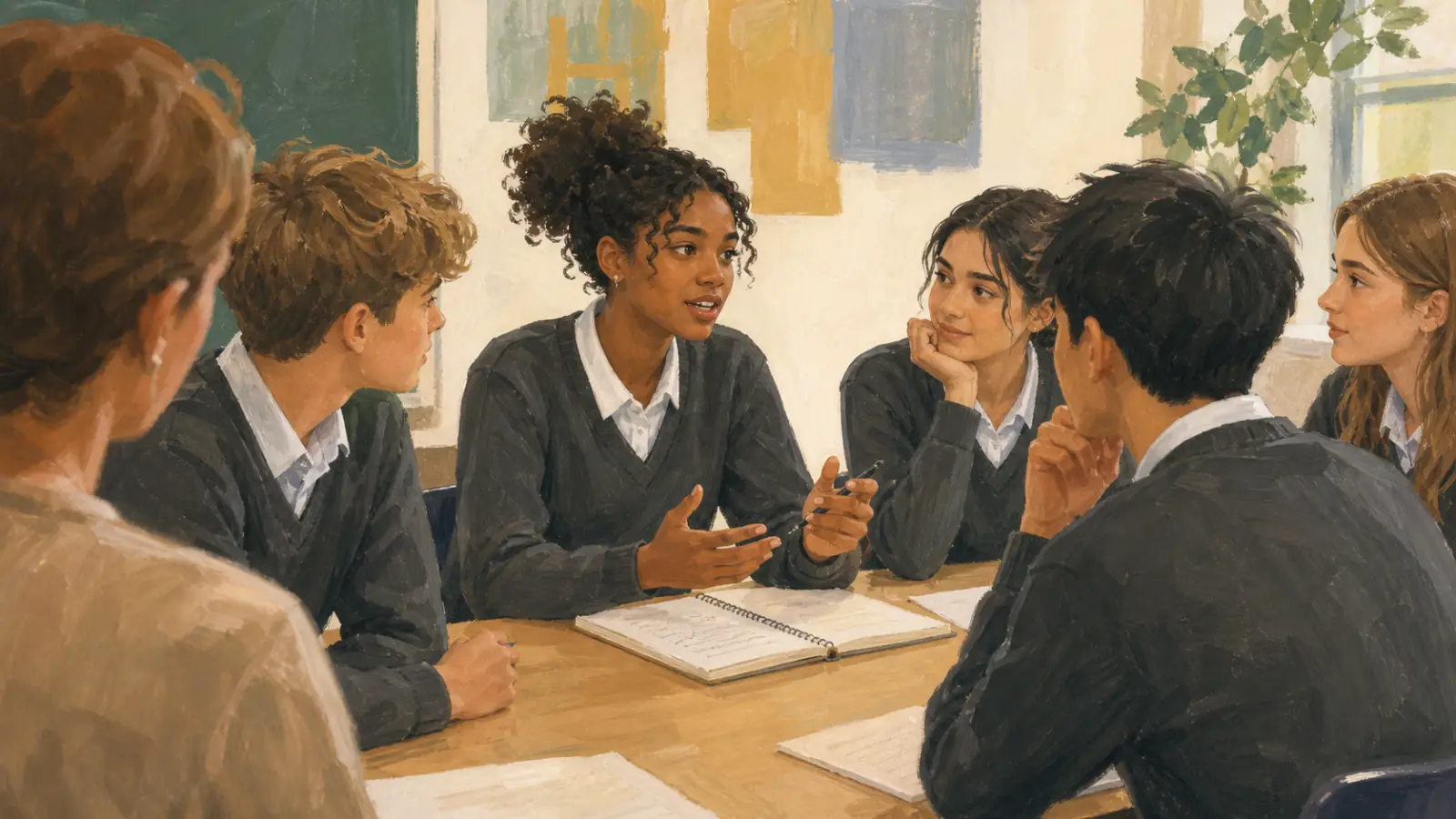
Exploratory TalkGCSE students aged 15-16 in maroon sweatshirts engaging in exploratory talk at individual desks.

Updated on  

February 4, 2026

Exploratory Talk

|

January 26, 2024

Explore effective strategies for implementing exploratory talk in the classroom to enhance learning and student engagement.

Course Enquiry
Copy citation

Main, P. (2024, January 26). Exploratory Talk. Retrieved from www.structural-learning.com/post/exploratory-talk

What is Exploratory Talk?

Exploratory talk is a form of conversation or dialogue characterised by open-ended questioning, active listening, and a willingness to explore new ideas and perspectives. It is a collaborative and reflective process, often used in educational settings, where participants engage in thoughtful discourse to investigate, interrogate, and expand their understanding of a topic. Exploratory talk in the classroom serves as a powerful pedagogical approach that transforms traditional learning environments.

Key Takeaways

  1. Beyond Show and Tell: Discover why exploratory talk transforms passive learners into critical thinkers, and the specific ground rules that make it work in your classroom
  2. The Vygotsky Connection: Learn how exploratory talk activates social constructionist principles to deepen understanding far beyond what students achieve working alone
  3. Seven Hidden Benefits: Uncover how exploratory talk simultaneously builds academic knowledge, social skills, and problem-solving abilities through one powerful classroom approach
  4. Neil Mercer's Breakthrough: Why this research reveals exploratory talk as the missing link between classroom discussion and genuine cognitive development in your pupils

Exploratory talk encourages critical thinking, creativity, and the development of problem-solving skills through thinking routines that develop talk, as individuals engage in deep and meaningful discussions to unc over new insights and solutions. This type of communication creates a supportive and inclusive environment where all voices are valued, and where diverse viewpoints can be shared and considered.

Exploratory (AI-facilitated exploratory talk) talk is a valuable tool for promoting intellectual growth, building empathy, and deepening relationships, as individuals work together to co-construct knowledge and meaning.

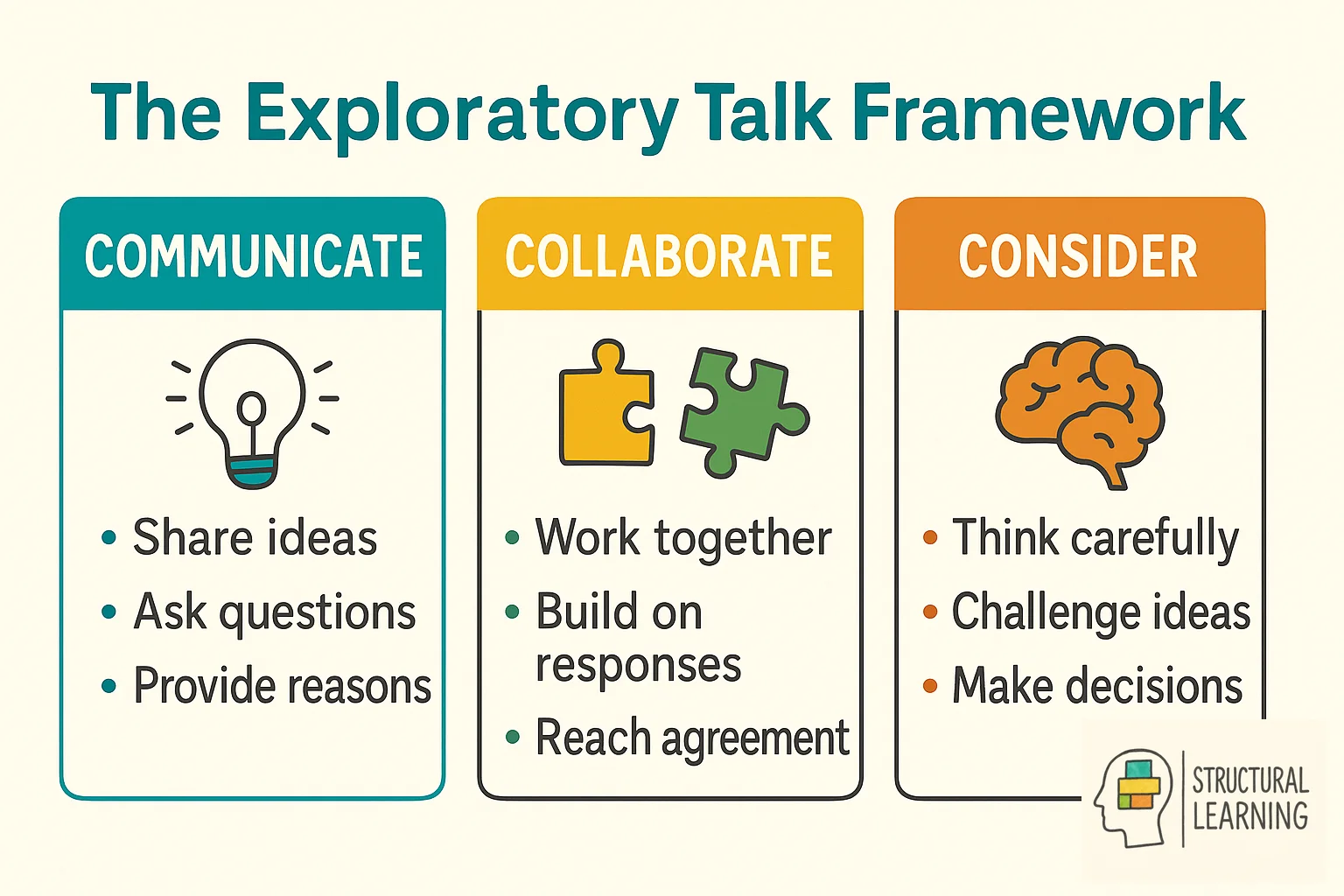
Exploratory talk framework showing what it is, how it works, and why it matters forstudent learning" loading="lazy">
The Exploratory Talk Framework

Why Is Exploratory Talk Important for Student Learning?

Exploratory talk transforms passive learners into active participants by encouraging them to verbalize their thinking, question ideas, and build on each other's contributions. This collaborative dialogue helps students develop critical thinking skillswhile constructing deeper understanding through peer interaction. Research shows students who regularly engage in exploratory talk achieve better academic outcomes across all subject areas.

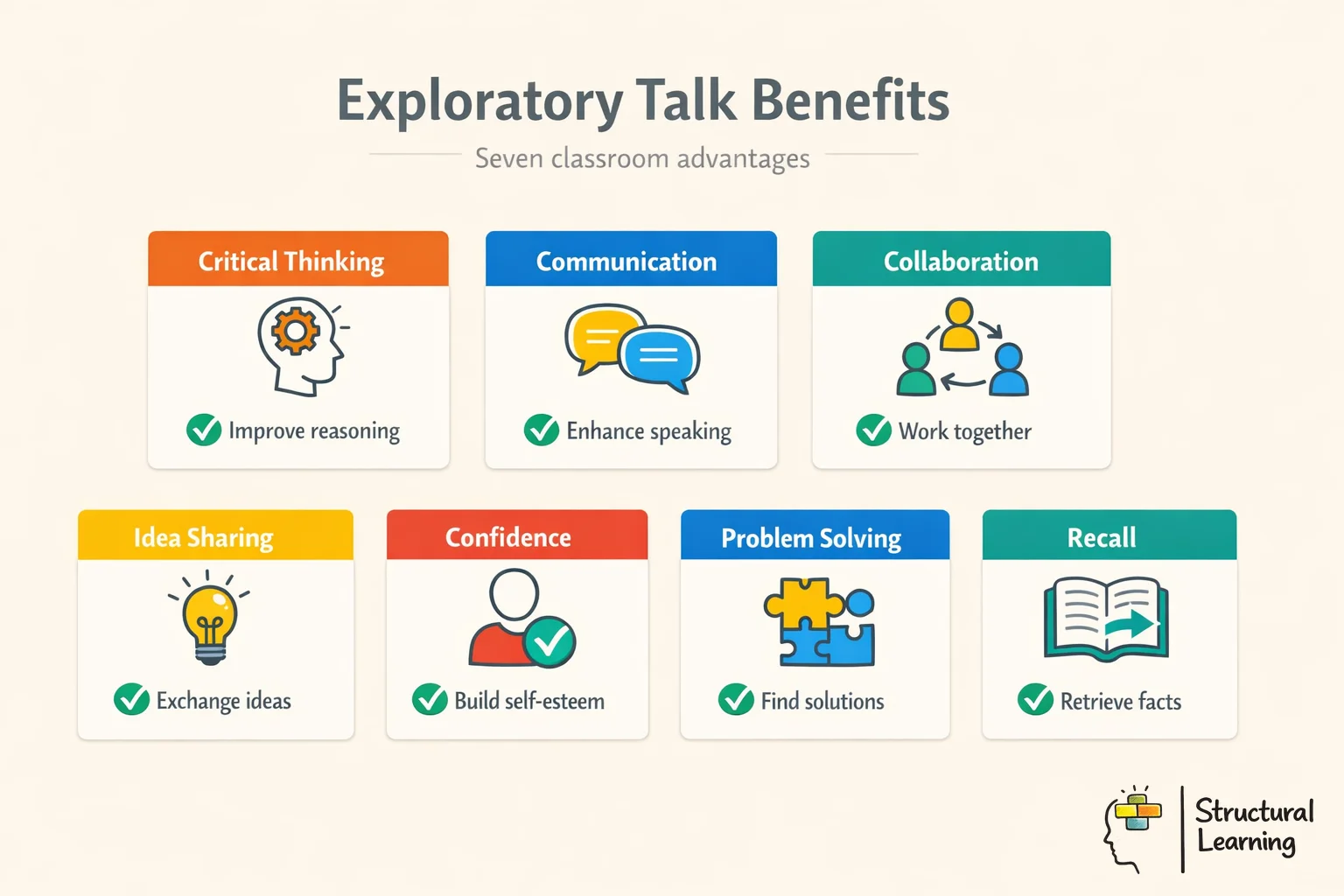
Seven key benefits of exploratory talk in classroom learning environments
Exploratory Talk Benefits

Exploratory talk is essential in learning as it provides a platform for pupils to share and discuss ideas, aiding in developing their understanding of the subject matter. This type of interaction allows them to actively engage in the learning process, contributing to a deeper level of comprehension.

Engaging your class in exploratory talk creates both academic and developmental growth. Here are seven benefits:

  1. Productive Interactions: Students co-construct knowledge, learning to validate ideas through group discussion, enhancing their academic understanding.
  2. Social Interactions: Through dialogue, students develop social skills, learning to listen, empathize, and communicate effectively with peers.
  3. Collaborative Interactions: Teamwork is strengthened as students work together to solve problems, developing an atmosphere of trust.
  4. Construction of Knowledge: Exploratory talk leads to deeper cognitive challenge, allowing students to explore concepts more thoroughly.
  5. Rich Opportunities: Such dialogue presents rich opportunities for children to articulate thoughts, offering a platform for effective engagement in the communicative process.
  6. Philosophy and Education: Integrating exploratory talk aligns with educational philosophies that prioritise the quality of education through an approach that values student voices.
  7. Approach to Education: This approach encourages an educational atmosphere where students' ideas are valued, promoting quality learning experiences.

Implementing exploratory talk aligns with comprehensive development by providing a solid foundation for both academic learning and essential life skills.

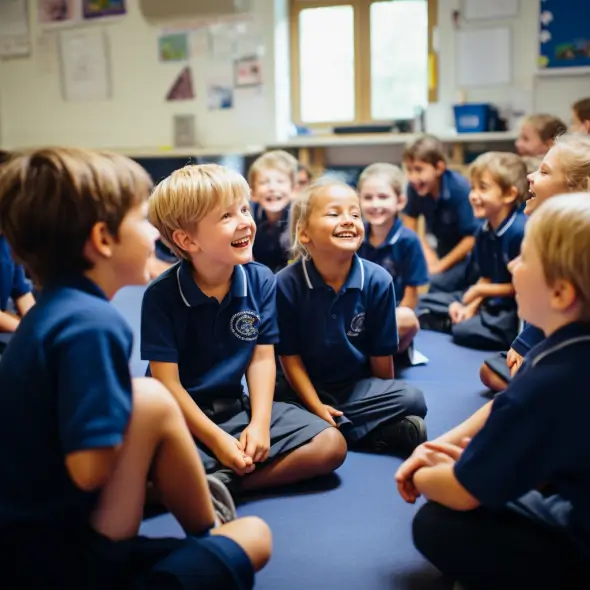
Exploratory Talk Session

What Is the Theory Behind Exploratory Talk?

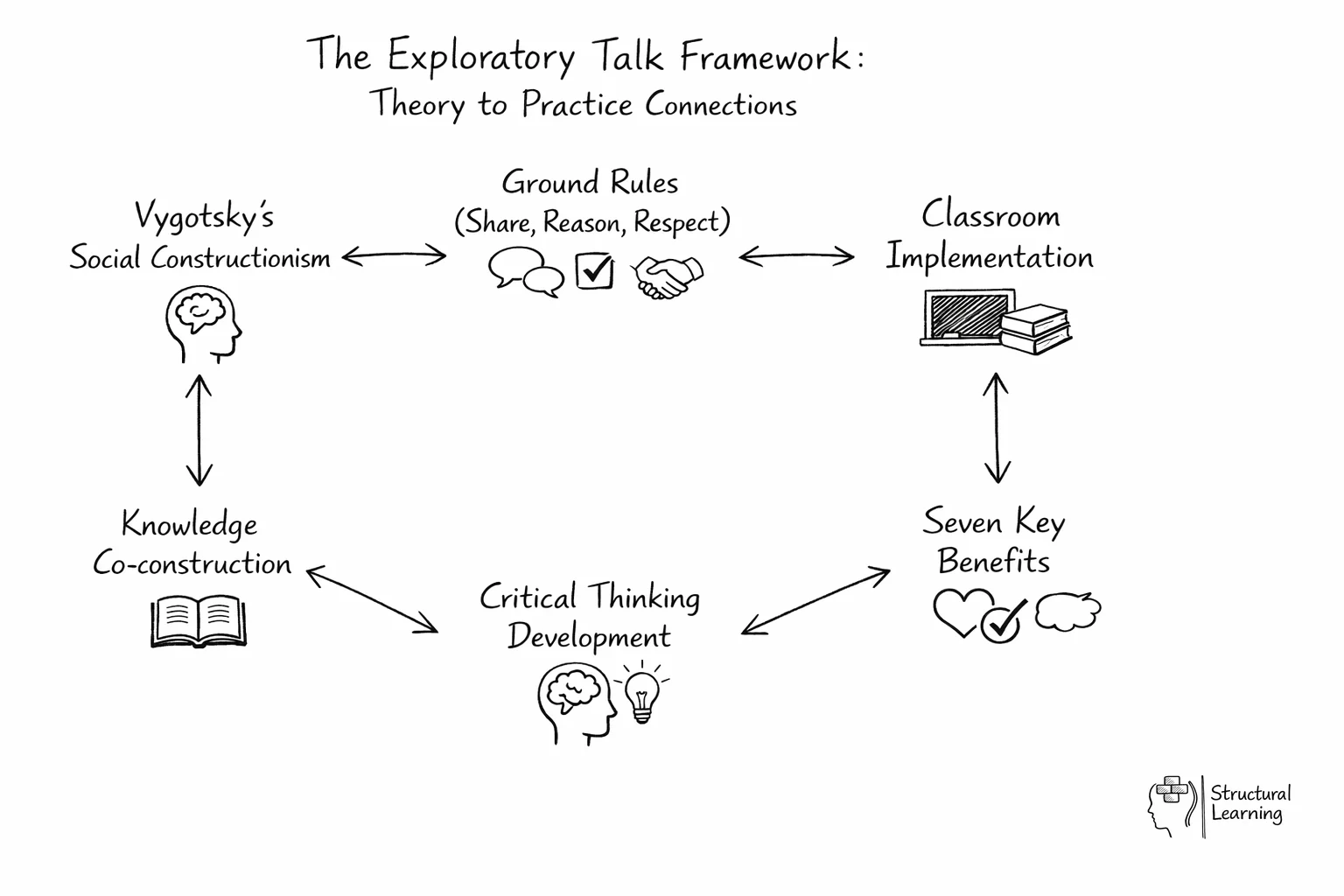
Exploratory talk is grounded in Vygotsky's social constructionist theory, which states that learning happens through social interact ion before becoming internalized knowledge. The approach recognises that students learn best when they actively construct meaning through dialogue with peers in their Zone of Proximal Development. This theoretical framework emphasises that language is not just for communication but is a tool for thinking and learning.

Network diagram showing interconnected elements of exploratory talk from theory to classroom benefits
Network diagram with connected nodes: The Exploratory Talk Framework: Theory to Practice Connections

Exploratory talk, rooted in classroom dialogue practices, draws from inquiry-based learning approaches and thinking strategies that promote deeper understanding through collaborative discussion.The theoretical foundation also incorporates Neil Mercer's research on classroom dialogue, which identifies three types of talk: disputational talk (characterised by disagreement and individual decision-making), cumulative talk (where speakers build positively but uncritically on what others have said), and exploratory talk (where partners engage critically but constructively with each other's ideas).

This framework demonstrates how exploratory talk serves as the optimal form of educational dialogue, combining the collaborative spirit of cumulative talk with the analytical rigour of critical examination. The theory emphasises that through structured dialogue, students develop what Mercer terms "interthinking" - the ability to use language as a tool for collective reasoning and problem-solving.

How to Implement Exploratory Talk in the Classroom

Successful implementation of exploratory talk requires establishing clear ground rules and creating a supportive classroom environment. Begin by teaching students the fundamental principles: everyone's ideas are valued, reasons must be given for opinions, challenges should be respectful, and the group should work towards shared understanding rather than winning arguments.

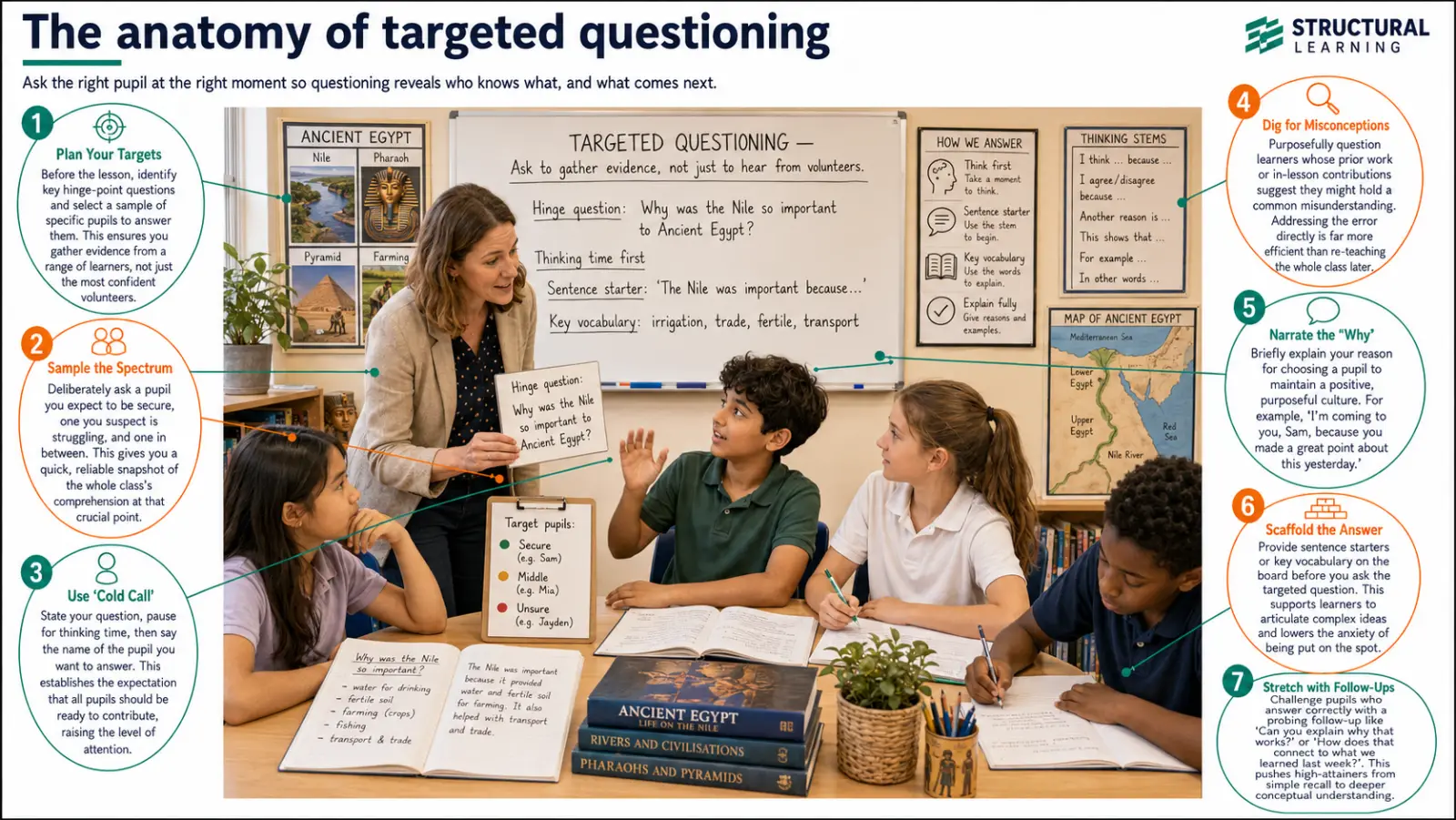
Start with small group activities where students discuss open-ended questions related to your curriculum content. Structure these sessions with specific talk prompts such as "What evidence supports this view?", "Can you build on that idea?", or "What might someone who disagrees say?". Gradually increase the complexity of discussions as students become more comfortable with the process.

Teachers should model exploratory talk behaviours, demonstrating how to listen actively, ask probing questions, and build constructively on student responses. Regular reflection sessions help students evaluate their discussion skills and identify areas for improvement in their collaborative dialogue techniques.

Conclusion

Exploratory talk represents a fundamental shift from traditional classroom discourse towards a more collaborative and intellectually engaging approach to learning. By implementing this powerful pedagogical strategy, educators can transform their classrooms into dynamic learning communities where students actively construct knowledge through meaningful dialogue with their peers.

The evidence consistently shows that when students engage in exploratory talk, they develop not only deeper subject knowledge but also essential 21st-century skills including critical thinking, communication, and collaboration. This approach aligns perfectly with modern educational priorities whilst drawing on robust theoretical foundations from social constructionist learning theory.

As you begin implementing exploratory talk in your classroom, remember that developing these skills takes time and practice. Start small, establish clear expectations, and gradually build towards more complex discussions. The investment in developing your students' exploratory talk capabilities will yield significant dividends across all areas of their academic and personal development.

Further Reading

Exploratory talk research

Classroom discourse

Talk for reasoning

For educators seeking to deepen their understanding of exploratory talk and its implementation, these research papers provide comprehensive insights into the theoretical foundations and practical applications:

  • Mercer, N., & Littleton, K. (2007). Dialogue and the development of children's thinking: A sociocultural approach. London: Routledge. This foundational text explores how dialogue shapes cognitive development and provides practical strategies for classroom implementation.
  • Alexander, R. (2020). A dialogic teaching companion. London: Routledge. A comprehensive guide to dialogic pedagogy that builds on exploratory talk principles for enhanced classroom discourse.
  • Mercer, N., Wegerif, R., & Dawes, L. (1999). Children's talk and the development of reasoning in the classroom. British Educational Research Journal, 25(1), 95-111. Seminal research demonstrating the impact of structured talk on students' reasoning abilities and academic achievement.
  • Rojas-Drummond, S., & Mercer, N. (2003). Scaffolding the development of effective collaboration and learning. International Journal of Educational Research, 39(1-2), 99-111. Explores how teachers can scaffold collaborative dialogue to maximise learning outcomes.
  • Dawes, L., Mercer, N., & Wegerif, R. (2000). Thinking Together: A Programme of Activities for Developing Speaking, Listening and Thinking Skills. Birmingham: Imaginative Minds. Practical resource offering structured activities and lesson plans for developing exploratory talk in primary and secondary classrooms.

Exploratory Talk Examples and Activities

Effective exploratory talk activities should be curriculum-connected and provide genuine opportunities for collaborative reasoning. In mathematics, students might explore different problem-solving strategies, explaining their thinking processes and questioning each other's approaches. For example, when tackling a complex word problem, groups can discuss multiple solution pathways whilst evaluating the validity of each method.

In science lessons, exploratory talk works particularly well during hypothesis formation and experiment analysis. Students can debate predictions, share observations, and collectively interpret results. Inquiry-based activities naturally lend themselves to exploratory dialogue as learners investigate phenomena and construct explanations together.

Literature discussions provide rich contexts for exploratory talk, where students can examine character motivations, analyse themes, and debate interpretations. History lessons benefit from exploring multiple perspectives on events, allowing students to weigh evidence and construct balanced arguments about historical causes and consequences.

Cross-curricular projects offer excellent opportunities to embed exploratory talk across subjects, encouraging students to draw connections between disciplines whilst developing their collaborative reasoning skills in authentic contexts.

Assessing and Monitoring Exploratory Talk

Effective assessment of exploratory talk requires observation of both process and outcomes. Teachers should focus on the quality of reasoning demonstrated, the extent to which students build on each other's ideas, and their ability to challenge ideas respectfully whilst providing evidence for their viewpoints.

Create simple observation checklists that track specific behaviours: asking for clarification, offering reasons for opinions, acknowledging good points made by others, and reaching group consensus through reasoned discussion. Formative assessment techniques such as exit tickets can capture students' reflections on their discussion skills and learning from peer interactions.

Audio or video recordings of group discussions provide valuable evidence for both teacher assessment and student self-evaluation. Students can review their own contributions and identify areas for improvement in their collaborative dialogue skills.

Remember that the goal is not perfect performance but progressive development of exploratory talk capabilities over time, with students gradually internalising the ground rules and applying them naturally in their collaborative learning.

Loading audit...

What is Exploratory Talk?

Exploratory talk is a form of conversation or dialogue characterised by open-ended questioning, active listening, and a willingness to explore new ideas and perspectives. It is a collaborative and reflective process, often used in educational settings, where participants engage in thoughtful discourse to investigate, interrogate, and expand their understanding of a topic. Exploratory talk in the classroom serves as a powerful pedagogical approach that transforms traditional learning environments.

Key Takeaways

  1. Beyond Show and Tell: Discover why exploratory talk transforms passive learners into critical thinkers, and the specific ground rules that make it work in your classroom
  2. The Vygotsky Connection: Learn how exploratory talk activates social constructionist principles to deepen understanding far beyond what students achieve working alone
  3. Seven Hidden Benefits: Uncover how exploratory talk simultaneously builds academic knowledge, social skills, and problem-solving abilities through one powerful classroom approach
  4. Neil Mercer's Breakthrough: Why this research reveals exploratory talk as the missing link between classroom discussion and genuine cognitive development in your pupils

Exploratory talk encourages critical thinking, creativity, and the development of problem-solving skills through thinking routines that develop talk, as individuals engage in deep and meaningful discussions to unc over new insights and solutions. This type of communication creates a supportive and inclusive environment where all voices are valued, and where diverse viewpoints can be shared and considered.

Exploratory (AI-facilitated exploratory talk) talk is a valuable tool for promoting intellectual growth, building empathy, and deepening relationships, as individuals work together to co-construct knowledge and meaning.

Exploratory talk framework showing what it is, how it works, and why it matters forstudent learning" loading="lazy">
The Exploratory Talk Framework

Why Is Exploratory Talk Important for Student Learning?

Exploratory talk transforms passive learners into active participants by encouraging them to verbalize their thinking, question ideas, and build on each other's contributions. This collaborative dialogue helps students develop critical thinking skillswhile constructing deeper understanding through peer interaction. Research shows students who regularly engage in exploratory talk achieve better academic outcomes across all subject areas.

Seven key benefits of exploratory talk in classroom learning environments
Exploratory Talk Benefits

Exploratory talk is essential in learning as it provides a platform for pupils to share and discuss ideas, aiding in developing their understanding of the subject matter. This type of interaction allows them to actively engage in the learning process, contributing to a deeper level of comprehension.

Engaging your class in exploratory talk creates both academic and developmental growth. Here are seven benefits:

  1. Productive Interactions: Students co-construct knowledge, learning to validate ideas through group discussion, enhancing their academic understanding.
  2. Social Interactions: Through dialogue, students develop social skills, learning to listen, empathize, and communicate effectively with peers.
  3. Collaborative Interactions: Teamwork is strengthened as students work together to solve problems, developing an atmosphere of trust.
  4. Construction of Knowledge: Exploratory talk leads to deeper cognitive challenge, allowing students to explore concepts more thoroughly.
  5. Rich Opportunities: Such dialogue presents rich opportunities for children to articulate thoughts, offering a platform for effective engagement in the communicative process.
  6. Philosophy and Education: Integrating exploratory talk aligns with educational philosophies that prioritise the quality of education through an approach that values student voices.
  7. Approach to Education: This approach encourages an educational atmosphere where students' ideas are valued, promoting quality learning experiences.

Implementing exploratory talk aligns with comprehensive development by providing a solid foundation for both academic learning and essential life skills.

Exploratory Talk Session

What Is the Theory Behind Exploratory Talk?

Exploratory talk is grounded in Vygotsky's social constructionist theory, which states that learning happens through social interact ion before becoming internalized knowledge. The approach recognises that students learn best when they actively construct meaning through dialogue with peers in their Zone of Proximal Development. This theoretical framework emphasises that language is not just for communication but is a tool for thinking and learning.

Network diagram showing interconnected elements of exploratory talk from theory to classroom benefits
Network diagram with connected nodes: The Exploratory Talk Framework: Theory to Practice Connections

Exploratory talk, rooted in classroom dialogue practices, draws from inquiry-based learning approaches and thinking strategies that promote deeper understanding through collaborative discussion.The theoretical foundation also incorporates Neil Mercer's research on classroom dialogue, which identifies three types of talk: disputational talk (characterised by disagreement and individual decision-making), cumulative talk (where speakers build positively but uncritically on what others have said), and exploratory talk (where partners engage critically but constructively with each other's ideas).

This framework demonstrates how exploratory talk serves as the optimal form of educational dialogue, combining the collaborative spirit of cumulative talk with the analytical rigour of critical examination. The theory emphasises that through structured dialogue, students develop what Mercer terms "interthinking" - the ability to use language as a tool for collective reasoning and problem-solving.

How to Implement Exploratory Talk in the Classroom

Successful implementation of exploratory talk requires establishing clear ground rules and creating a supportive classroom environment. Begin by teaching students the fundamental principles: everyone's ideas are valued, reasons must be given for opinions, challenges should be respectful, and the group should work towards shared understanding rather than winning arguments.

Start with small group activities where students discuss open-ended questions related to your curriculum content. Structure these sessions with specific talk prompts such as "What evidence supports this view?", "Can you build on that idea?", or "What might someone who disagrees say?". Gradually increase the complexity of discussions as students become more comfortable with the process.

Teachers should model exploratory talk behaviours, demonstrating how to listen actively, ask probing questions, and build constructively on student responses. Regular reflection sessions help students evaluate their discussion skills and identify areas for improvement in their collaborative dialogue techniques.

Conclusion

Exploratory talk represents a fundamental shift from traditional classroom discourse towards a more collaborative and intellectually engaging approach to learning. By implementing this powerful pedagogical strategy, educators can transform their classrooms into dynamic learning communities where students actively construct knowledge through meaningful dialogue with their peers.

The evidence consistently shows that when students engage in exploratory talk, they develop not only deeper subject knowledge but also essential 21st-century skills including critical thinking, communication, and collaboration. This approach aligns perfectly with modern educational priorities whilst drawing on robust theoretical foundations from social constructionist learning theory.

As you begin implementing exploratory talk in your classroom, remember that developing these skills takes time and practice. Start small, establish clear expectations, and gradually build towards more complex discussions. The investment in developing your students' exploratory talk capabilities will yield significant dividends across all areas of their academic and personal development.

Further Reading

Exploratory talk research

Classroom discourse

Talk for reasoning

For educators seeking to deepen their understanding of exploratory talk and its implementation, these research papers provide comprehensive insights into the theoretical foundations and practical applications:

  • Mercer, N., & Littleton, K. (2007). Dialogue and the development of children's thinking: A sociocultural approach. London: Routledge. This foundational text explores how dialogue shapes cognitive development and provides practical strategies for classroom implementation.
  • Alexander, R. (2020). A dialogic teaching companion. London: Routledge. A comprehensive guide to dialogic pedagogy that builds on exploratory talk principles for enhanced classroom discourse.
  • Mercer, N., Wegerif, R., & Dawes, L. (1999). Children's talk and the development of reasoning in the classroom. British Educational Research Journal, 25(1), 95-111. Seminal research demonstrating the impact of structured talk on students' reasoning abilities and academic achievement.
  • Rojas-Drummond, S., & Mercer, N. (2003). Scaffolding the development of effective collaboration and learning. International Journal of Educational Research, 39(1-2), 99-111. Explores how teachers can scaffold collaborative dialogue to maximise learning outcomes.
  • Dawes, L., Mercer, N., & Wegerif, R. (2000). Thinking Together: A Programme of Activities for Developing Speaking, Listening and Thinking Skills. Birmingham: Imaginative Minds. Practical resource offering structured activities and lesson plans for developing exploratory talk in primary and secondary classrooms.

Exploratory Talk Examples and Activities

Effective exploratory talk activities should be curriculum-connected and provide genuine opportunities for collaborative reasoning. In mathematics, students might explore different problem-solving strategies, explaining their thinking processes and questioning each other's approaches. For example, when tackling a complex word problem, groups can discuss multiple solution pathways whilst evaluating the validity of each method.

In science lessons, exploratory talk works particularly well during hypothesis formation and experiment analysis. Students can debate predictions, share observations, and collectively interpret results. Inquiry-based activities naturally lend themselves to exploratory dialogue as learners investigate phenomena and construct explanations together.

Literature discussions provide rich contexts for exploratory talk, where students can examine character motivations, analyse themes, and debate interpretations. History lessons benefit from exploring multiple perspectives on events, allowing students to weigh evidence and construct balanced arguments about historical causes and consequences.

Cross-curricular projects offer excellent opportunities to embed exploratory talk across subjects, encouraging students to draw connections between disciplines whilst developing their collaborative reasoning skills in authentic contexts.

Assessing and Monitoring Exploratory Talk

Effective assessment of exploratory talk requires observation of both process and outcomes. Teachers should focus on the quality of reasoning demonstrated, the extent to which students build on each other's ideas, and their ability to challenge ideas respectfully whilst providing evidence for their viewpoints.

Create simple observation checklists that track specific behaviours: asking for clarification, offering reasons for opinions, acknowledging good points made by others, and reaching group consensus through reasoned discussion. Formative assessment techniques such as exit tickets can capture students' reflections on their discussion skills and learning from peer interactions.

Audio or video recordings of group discussions provide valuable evidence for both teacher assessment and student self-evaluation. Students can review their own contributions and identify areas for improvement in their collaborative dialogue skills.

Remember that the goal is not perfect performance but progressive development of exploratory talk capabilities over time, with students gradually internalising the ground rules and applying them naturally in their collaborative learning.

Classroom Practice

Back to Blog

{"@context":"https://schema.org","@graph":[{"@type":"Article","@id":"https://www.structural-learning.com/post/exploratory-talk#article","headline":"Exploratory Talk","description":"Explore effective strategies for implementing exploratory talk in the classroom to enhance learning and student engagement.","datePublished":"2024-01-26T13:00:03.295Z","dateModified":"2026-01-26T10:09:32.212Z","author":{"@type":"Person","name":"Paul Main","url":"https://www.structural-learning.com/team/paulmain","jobTitle":"Founder & Educational Consultant"},"publisher":{"@type":"Organization","name":"Structural Learning","url":"https://www.structural-learning.com","logo":{"@type":"ImageObject","url":"https://cdn.prod.website-files.com/5b69a01ba2e409e5d5e055c6/6040bf0426cb415ba2fc7882_newlogoblue.svg"}},"mainEntityOfPage":{"@type":"WebPage","@id":"https://www.structural-learning.com/post/exploratory-talk"},"image":"https://cdn.prod.website-files.com/5b69a01ba2e409501de055d1/6950335fdfe345d23809de1c_ww113c.webp","wordCount":3188},{"@type":"BreadcrumbList","@id":"https://www.structural-learning.com/post/exploratory-talk#breadcrumb","itemListElement":[{"@type":"ListItem","position":1,"name":"Home","item":"https://www.structural-learning.com/"},{"@type":"ListItem","position":2,"name":"Blog","item":"https://www.structural-learning.com/blog"},{"@type":"ListItem","position":3,"name":"Exploratory Talk","item":"https://www.structural-learning.com/post/exploratory-talk"}]}]}