ParentPay: Streamlining School PaymentsEarly years students in green cardigans engaging with colourful objects in classroom's interactive learning stations

Updated on  

February 21, 2026

ParentPay: Streamlining School Payments

|

November 17, 2022

A practical guide to ParentPay for UK schools covering cashless payments, dinner money, trips, system integration, setup tips and troubleshooting.


Course Enquiry
Copy citation

Main, P (2022, November 17). Parentpay: A School Guide. Retrieved from https://www.structural-learning.com/post/parentpay

ParentPay: What is it and How Does it Work?

ParentPay is a transformative toolthat has transformed the way over 11,000 schools across the UK manage payments for various school-related expenses, such as meals, uniforms, trips, and clubs. Designed to cater to a wide range of educational environments, from small primary schools to large Multi-Academy Trusts (MATs), ParentPay offers a safe, easy, and cashless payment solution.

Comparison of School Payment Systems
SystemKey FeaturesBest ForLimitations
ParentPayCashless payments, trip consent, free school meals management, extensive reportingLarge schools needing comprehensive payment and consent managementSetup costs, requires parent registration
SIMS PayIntegrated with SIMS MIS, meal bookings, trip paymentsSchools already using SIMS who want smooth integrationLimited to SIMS users, fewer features than ParentPay
School GatewaySimple payments, text messaging, forms and consentSmaller schools wanting straightforward, cost-effective solutionFewer advanced features than market leaders
ScopayPayments, communication, photo sharing, after-school clubsSchools wanting combined payment and engagement platformNewer platform with smaller market share
Cash/ChequeTraditional methods, no technology requiredTemporary solution or very small schoolsAdministrative burden, security concerns, tracking difficulties

Since its inception in 2002, ParentPay has evolved into a comprehensive suite of nine products that work together as a systems approach, each designed to enhance different aspects of the student- parent-school relationship through improved teaching strategies and administrative efficiency. In 2021, following the acquisition of Education Software Solutions (ESS) from Montagu Private Equity, ParentPay Group became the UK's largest .

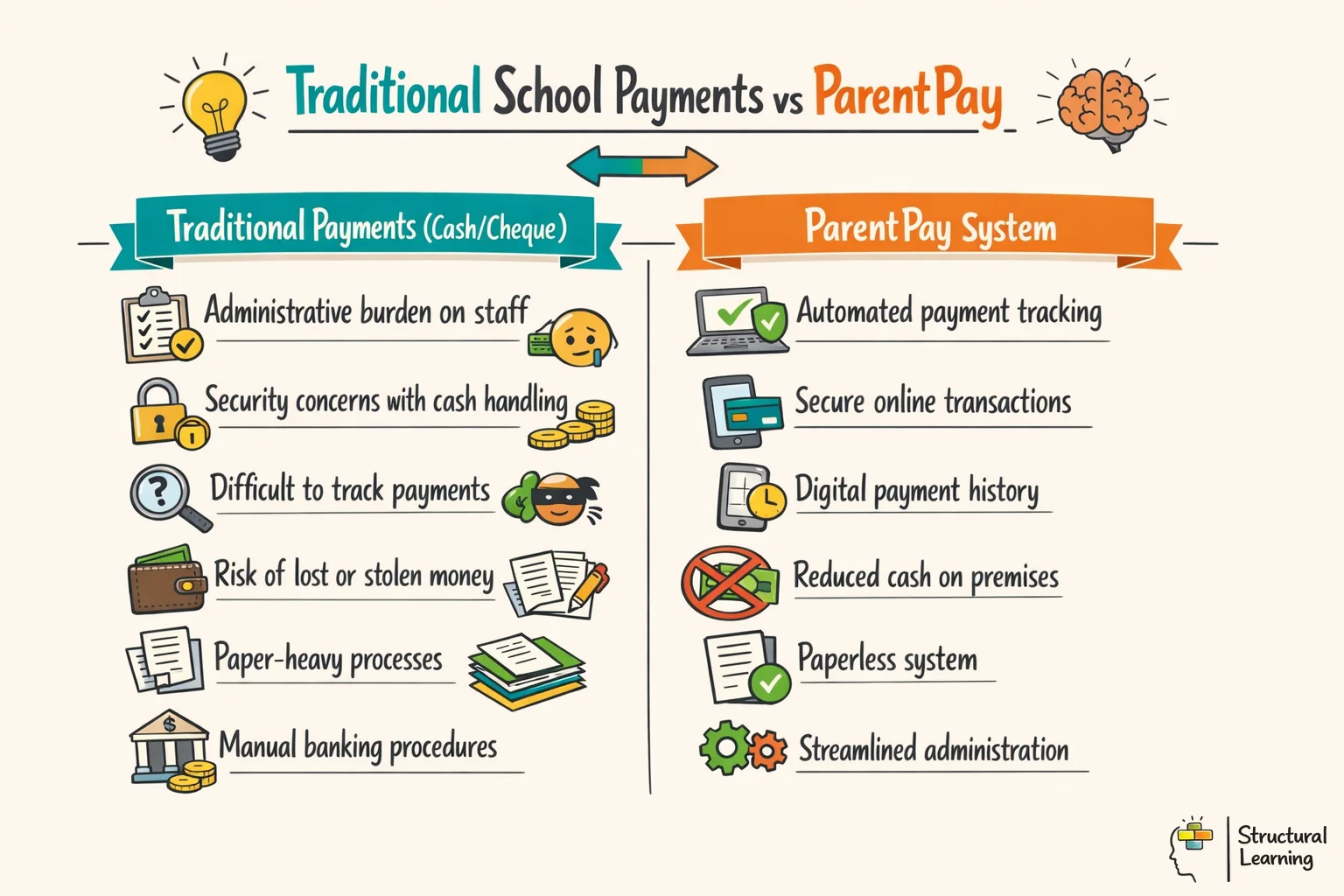
Comparison infographic showing benefits of ParentPay digital payments over traditional cash school payments
Traditional School Payments vs ParentPay

One of the standout features of ParentPay is its ability to track payment histories. This allows parents to monitor what payments have been made, when, and for what purpose. Moreover, it offers the convenience of setting up automatic payments for recurring expenses, such as school lunches or bus fares.

As one expert puts it, "ParentPay has not only simplified the payment process but also made it transparent and easily trackable, thus enhancing the overall efficiency of school management."

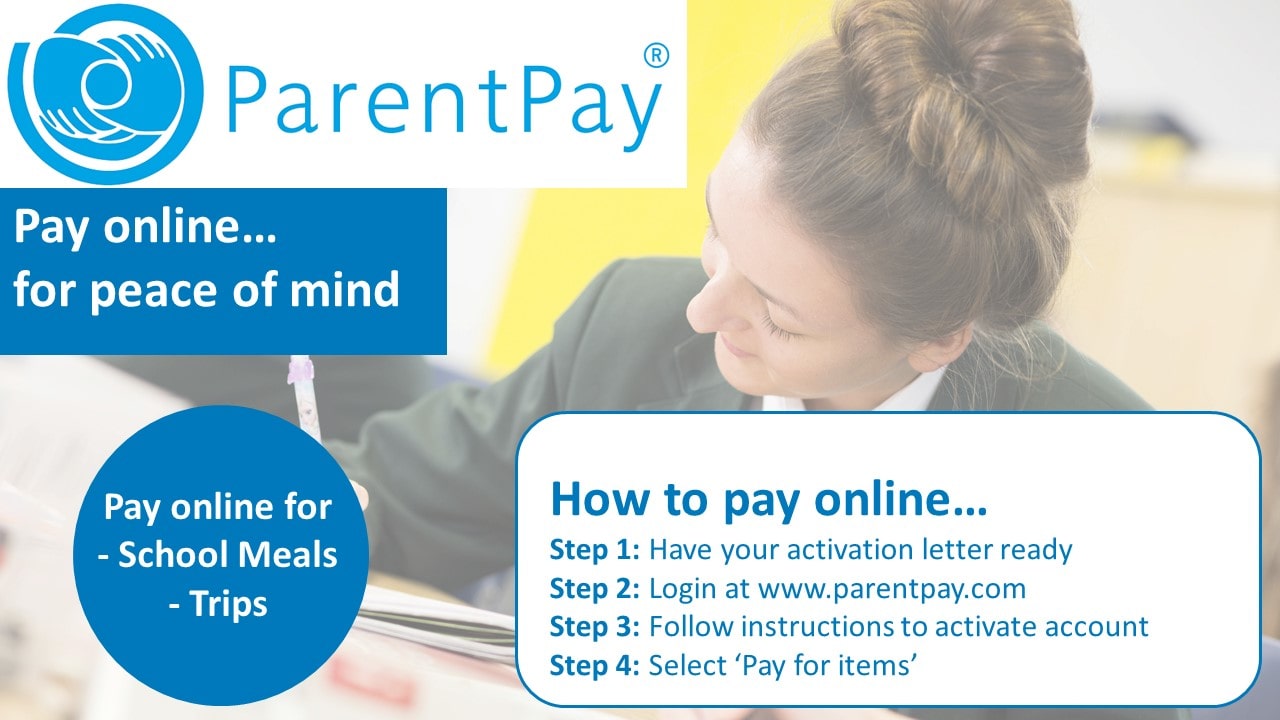
For example, consider a parent who needs to pay for their child's school lunch and a field trip. Instead of sending cash or a cheque to school, the parent can simply log into ParentPay, select the relevant options, and make the payments online. The system will then update the payment history, allowing the parent to track these expenses.
Key insights:

  • ParentPay is a comprehensive online payment solution used by over 11,000 schools across the UK.
  • It allows parents to track payment histories and set up automatic payments for recurring expenses.
  • ParentPay Group became the UK's largest technology-based business in 2021.

What are the Primary Benefits of ParentPay for Schools?

ParentPay is a new way of collecting school fees and expenses that helps schools reduce the administrative time spent on banking procedures, keep accurate records of payments made to every service for every student, and avoid the difficulties that can often occur when payments bounce. ParentPay also reduces the amount of paper 'waste' that is created and allows for easy and quick refunds to be made back to the payment card.

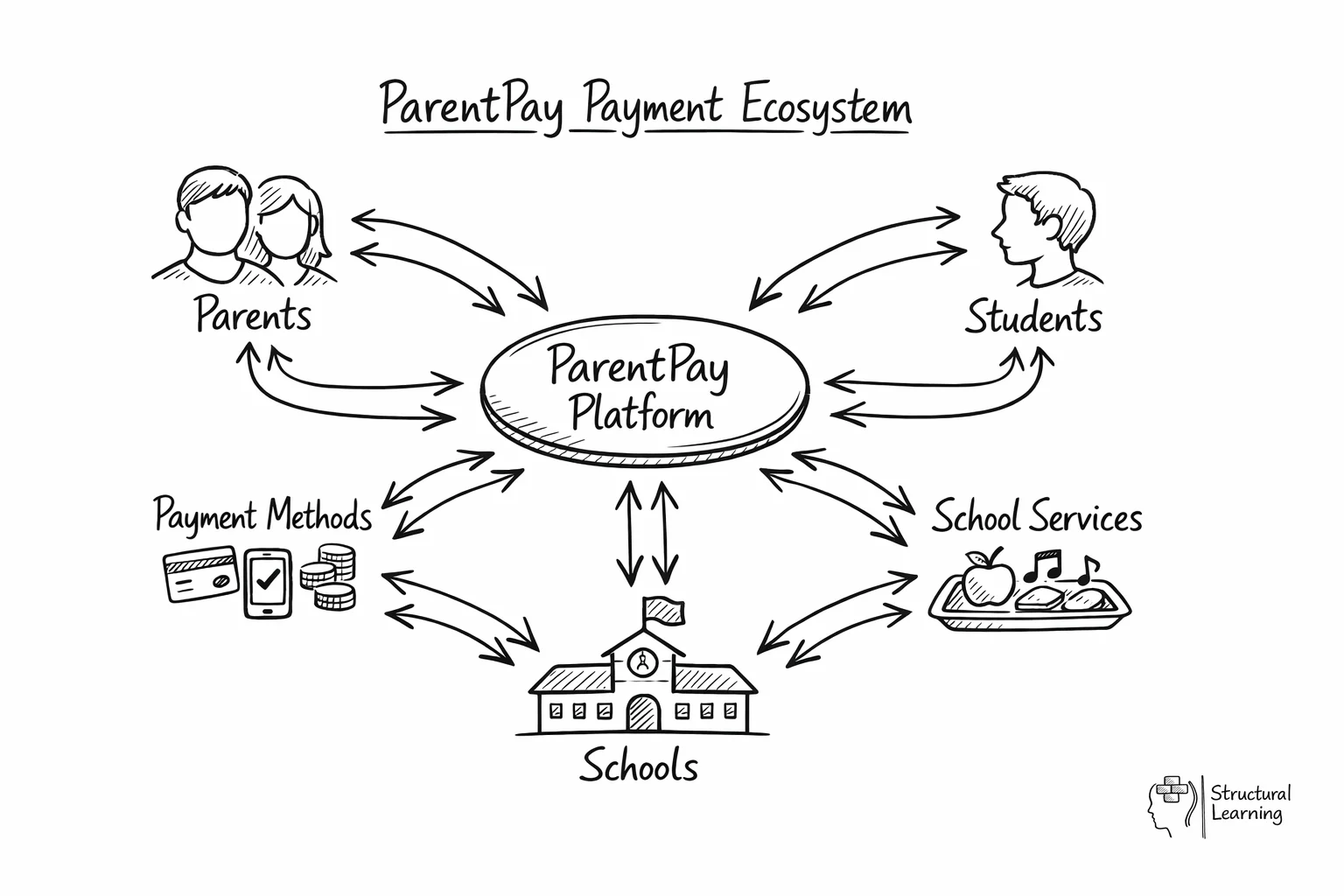
Network diagram showing ParentPay connecting parents, schools, and services through digital payments
Network diagram with directional arrows: ParentPay Payment environment

This eliminates the need for schools to carry out wasteful paper work, and means that refunds can be made quickly and easily back to the payment card.

ParentPay offers a more efficient payment collection process, reducing the amount of money held on school premises. Additionally, ParentPay helps improve parent communication by integrating its email/SMS messaging centre.

With ParentPay, you can easily manage multiple school income reports. This means less paperwork and fewer headaches for teachers and administrators.

In addition to simplifying the income management process, ParentPay also offers secure payments for parents. With ParentPay, parents can make payments for school meals, trips, and other expenses online, ensuring that their payments are safe and secure. This eliminates the need for parents to send cash or checks to school with their children, reducing the risk of lost or stolen payments. The secure payment system also provides peace of mind for parents, knowing that their financial information is protected.

How Does ParentPay Directly Benefit Parents?

Parents often struggle to understand why their child's school charges them money. They think it's just another fee that goes towards paying teachers and other staff members. Parents can now see exactly where their money is going and how it affects their child's education. This gives them peace of mind knowing that their money is being used wisely.

It allows parents to pay their children's school fees whenever and wherever they want and prevents them from writing cheques or searching for cash to send to schools.

And because they're instant, there's no need to wait for cheque clearance. ParentPay is quick and easy to use, and parents will never need to miss a payment or have insufficient credit with automated email/SMS alerts.

Another benefit of ParentPay is that it saves you time. Instead of having to go through endless paperwork, you can simply log onto the ParentPay website and enter your details. All of this important information is stored securely and automatically. So you never have to worry about losing anything again.

Parentpay Login

What Key Services Does ParentPay Provide?

Key Takeaways

  1. Transaction-based:akeaways ParentPay operates on a transaction-based model, meaning schools are charged a small fee for each transaction processed through the system. This transparent pricing structure allows schools to accurately budget for their payment processing needs.
  2. Consent and reporting: Schools can use ParentPay to collect parent consent for trips and activities, and generate comprehensive reports to track payments and manage income.
  3. Free school meals management: ParentPay simplifies the process of managing free school meal eligibility and payments, ensuring that eligible students receive their meals discreetly and efficiently.
  4. Communication: ParentPay offers integrated communication tools, such as email and SMS messaging, to keep parents informed about school events, payment deadlines, and other important information.

What are Some Considerations Before Implementing ParentPay?

While ParentPay offers numerous benefits, consider a few factors before implementing it in your school. Firstly, assess whether your school has the necessary IT infrastructure and support to effectively manage the system. Staff training is crucial to ensure that administrators and teachers are comfortable using the platform and can provide adequate support to parents.

Secondly, consider the potential impact on parents who may not have access to the internet or prefer to pay with cash. Provide alternative payment options for these parents to ensure that all families can easily pay for school-related expenses. This could involve setting up a system for accepting cash payments at the school office or partnering with local businesses to offer payment services.

Finally, communicate the benefits of ParentPay to parents and address any concerns they may have. This can be done through information sessions, newsletters, and other communication channels. By addressing these considerations proactively, schools can ensure a smooth and successful implementation of ParentPay.

How Can Schools Maximise ParentPay Adoption Rates?

Successful ParentPay implementation requires strategic planning and clear communication. Schools that achieve over 95% parent registration typically follow a structured onboarding process, provide multiple support channels, and demonstrate the system's benefits through practical examples.

The most effective schools begin their ParentPay rollout with a comprehensive communication campaign at least six weeks before going live. This includes sending information packs home with students, hosting parent information evenings, and creating step-by-step video guides accessible through the school website. Primary schools in particular find success by offering drop-in sessions where IT-confident parent volunteers help others register and navigate the system for the first time.

Research from the National Association of School Business Management shows that schools offering multiple registration support options see 40% higher adoption rates within the first term. Practical strategies include setting up registration stations during parents' evenings, providing tr anslated guides for non-English speaking families, and partnering with local libraries to offer community-based support sessions. One secondary school in Birmingham achieved 98% registration by making ParentPay activation a requirement during Year 7 induction, with staff available to assist parents throughout the process.

What Are the Data Protection Considerations for ParentPay?

ParentPay complies with UK GDPR regulations and maintains robust data protection measures. Schools must understand their responsibilities as data controllers and ensure proper consent procedures are in place when collecting and processing parent and student information through the platform.

As data controllers, schools retain responsibility for ensuring ParentPay is used in accordance with their privacy policies and data protection impact assessments. This includes regularly reviewing access permissions, maintaining accurate records of data sharing agreements, and ensuring staff receive appropriate training on handling sensitive financial information. The Information Commissioner's Office recommends schools conduct annual audits of their ParentPay data practices, particularly focusing on data retention periods and the secure disposal of outdated payment records.

Best practice involves creating clear data governance procedures specific to ParentPay usage. This includes establishing protocols for handling data breaches, managing parent access requests, and ensuring separated parents have appropriate access rights to their children's payment information. Schools should also implement regular security reviews, including monitoring unusual payment patterns and verifying large transactions, to protect against potential fraud or unauthorised access.

How Does ParentPay Support Disadvantaged Families?

ParentPay includes specific features designed to maintain dignity and privacy for families receiving financial support. The system allows discrete management of free school meals, pupil premium funding, and hardship payments without identifying eligible students to their peers.

The platform's anonymous payment allocation system ensures students receiving free school meals or other financial support can access services without stigma. When students use biometric systems or PIN codes in the dinner hall, the payment terminal shows the same interface regardless of payment source, protecting student privacy. Schools can also set up hardship funds within ParentPay, allowing discrete allocation of funds for trips, uniforms, or other expenses without requiring families to repeatedly apply for support.

For families without internet access or bank accounts, ParentPay offers PayPoint functionality, enabling cash payments at over 33,000 local stores across the UK. This ensures financial inclusion whilst maintaining the efficiency benefits of the digital system. Schools report that offering multiple payment options, including instalment plans for expensive items like school trips, increases participation rates among disadvantaged students by up to 25%, according to data from the Child Poverty Action Group.

Conclusion

ParentPay offers a robust and efficient solution for managing school payments, providing benefits for both schools and parents. By streamlining payment processes, reducing administrative burden, and enhancing transparency, ParentPay can contribute to a more efficient and effective educational environment.

While implementing ParentPay requires careful planning and consideration, the potential benefits outweigh the challenges. By taking the time to assess your school's needs, provide adequate training and support, and communicate effectively with parents, you can ensure a successful implementation and reap the rewards of a streamlined payment system.

Further Reading

  • School Food Standards: Resources for Schools
  • Jones, A. (2018). The Impact of Cashless Payment Systems on School Administration. *Journal of Educational Administration*, 56(3), 321-335.
  • Smith, B., & Brown, C. (2020). Parent Engagement and Digital Payment Platforms: A Case Study of ParentPay. *Educational Technology Research and Development*, 68(4), 1567-1582.
  • White, D. (2022). *The Future of School Finance: Innovations in Payment and Resource Management*. London: Routledge.
Loading audit...

ParentPay: What is it and How Does it Work?

ParentPay is a transformative toolthat has transformed the way over 11,000 schools across the UK manage payments for various school-related expenses, such as meals, uniforms, trips, and clubs. Designed to cater to a wide range of educational environments, from small primary schools to large Multi-Academy Trusts (MATs), ParentPay offers a safe, easy, and cashless payment solution.

Comparison of School Payment Systems
SystemKey FeaturesBest ForLimitations
ParentPayCashless payments, trip consent, free school meals management, extensive reportingLarge schools needing comprehensive payment and consent managementSetup costs, requires parent registration
SIMS PayIntegrated with SIMS MIS, meal bookings, trip paymentsSchools already using SIMS who want smooth integrationLimited to SIMS users, fewer features than ParentPay
School GatewaySimple payments, text messaging, forms and consentSmaller schools wanting straightforward, cost-effective solutionFewer advanced features than market leaders
ScopayPayments, communication, photo sharing, after-school clubsSchools wanting combined payment and engagement platformNewer platform with smaller market share
Cash/ChequeTraditional methods, no technology requiredTemporary solution or very small schoolsAdministrative burden, security concerns, tracking difficulties

Since its inception in 2002, ParentPay has evolved into a comprehensive suite of nine products that work together as a systems approach, each designed to enhance different aspects of the student- parent-school relationship through improved teaching strategies and administrative efficiency. In 2021, following the acquisition of Education Software Solutions (ESS) from Montagu Private Equity, ParentPay Group became the UK's largest .

Comparison infographic showing benefits of ParentPay digital payments over traditional cash school payments
Traditional School Payments vs ParentPay

One of the standout features of ParentPay is its ability to track payment histories. This allows parents to monitor what payments have been made, when, and for what purpose. Moreover, it offers the convenience of setting up automatic payments for recurring expenses, such as school lunches or bus fares.

As one expert puts it, "ParentPay has not only simplified the payment process but also made it transparent and easily trackable, thus enhancing the overall efficiency of school management."

For example, consider a parent who needs to pay for their child's school lunch and a field trip. Instead of sending cash or a cheque to school, the parent can simply log into ParentPay, select the relevant options, and make the payments online. The system will then update the payment history, allowing the parent to track these expenses.

Key insights:

  • ParentPay is a comprehensive online payment solution used by over 11,000 schools across the UK.
  • It allows parents to track payment histories and set up automatic payments for recurring expenses.
  • ParentPay Group became the UK's largest technology-based business in 2021.

What are the Primary Benefits of ParentPay for Schools?

ParentPay is a new way of collecting school fees and expenses that helps schools reduce the administrative time spent on banking procedures, keep accurate records of payments made to every service for every student, and avoid the difficulties that can often occur when payments bounce. ParentPay also reduces the amount of paper 'waste' that is created and allows for easy and quick refunds to be made back to the payment card.

Network diagram showing ParentPay connecting parents, schools, and services through digital payments
Network diagram with directional arrows: ParentPay Payment environment

This eliminates the need for schools to carry out wasteful paper work, and means that refunds can be made quickly and easily back to the payment card.

ParentPay offers a more efficient payment collection process, reducing the amount of money held on school premises. Additionally, ParentPay helps improve parent communication by integrating its email/SMS messaging centre.

With ParentPay, you can easily manage multiple school income reports. This means less paperwork and fewer headaches for teachers and administrators.

In addition to simplifying the income management process, ParentPay also offers secure payments for parents. With ParentPay, parents can make payments for school meals, trips, and other expenses online, ensuring that their payments are safe and secure. This eliminates the need for parents to send cash or checks to school with their children, reducing the risk of lost or stolen payments. The secure payment system also provides peace of mind for parents, knowing that their financial information is protected.

How Does ParentPay Directly Benefit Parents?

Parents often struggle to understand why their child's school charges them money. They think it's just another fee that goes towards paying teachers and other staff members. Parents can now see exactly where their money is going and how it affects their child's education. This gives them peace of mind knowing that their money is being used wisely.

It allows parents to pay their children's school fees whenever and wherever they want and prevents them from writing cheques or searching for cash to send to schools.

And because they're instant, there's no need to wait for cheque clearance. ParentPay is quick and easy to use, and parents will never need to miss a payment or have insufficient credit with automated email/SMS alerts.

Another benefit of ParentPay is that it saves you time. Instead of having to go through endless paperwork, you can simply log onto the ParentPay website and enter your details. All of this important information is stored securely and automatically. So you never have to worry about losing anything again.

Parentpay Login

What Key Services Does ParentPay Provide?

Key Takeaways

  1. Transaction-based:akeaways ParentPay operates on a transaction-based model, meaning schools are charged a small fee for each transaction processed through the system. This transparent pricing structure allows schools to accurately budget for their payment processing needs.
  2. Consent and reporting: Schools can use ParentPay to collect parent consent for trips and activities, and generate comprehensive reports to track payments and manage income.
  3. Free school meals management: ParentPay simplifies the process of managing free school meal eligibility and payments, ensuring that eligible students receive their meals discreetly and efficiently.
  4. Communication: ParentPay offers integrated communication tools, such as email and SMS messaging, to keep parents informed about school events, payment deadlines, and other important information.

What are Some Considerations Before Implementing ParentPay?

While ParentPay offers numerous benefits, consider a few factors before implementing it in your school. Firstly, assess whether your school has the necessary IT infrastructure and support to effectively manage the system. Staff training is crucial to ensure that administrators and teachers are comfortable using the platform and can provide adequate support to parents.

Secondly, consider the potential impact on parents who may not have access to the internet or prefer to pay with cash. Provide alternative payment options for these parents to ensure that all families can easily pay for school-related expenses. This could involve setting up a system for accepting cash payments at the school office or partnering with local businesses to offer payment services.

Finally, communicate the benefits of ParentPay to parents and address any concerns they may have. This can be done through information sessions, newsletters, and other communication channels. By addressing these considerations proactively, schools can ensure a smooth and successful implementation of ParentPay.

How Can Schools Maximise ParentPay Adoption Rates?

Successful ParentPay implementation requires strategic planning and clear communication. Schools that achieve over 95% parent registration typically follow a structured onboarding process, provide multiple support channels, and demonstrate the system's benefits through practical examples.

The most effective schools begin their ParentPay rollout with a comprehensive communication campaign at least six weeks before going live. This includes sending information packs home with students, hosting parent information evenings, and creating step-by-step video guides accessible through the school website. Primary schools in particular find success by offering drop-in sessions where IT-confident parent volunteers help others register and navigate the system for the first time.

Research from the National Association of School Business Management shows that schools offering multiple registration support options see 40% higher adoption rates within the first term. Practical strategies include setting up registration stations during parents' evenings, providing tr anslated guides for non-English speaking families, and partnering with local libraries to offer community-based support sessions. One secondary school in Birmingham achieved 98% registration by making ParentPay activation a requirement during Year 7 induction, with staff available to assist parents throughout the process.

What Are the Data Protection Considerations for ParentPay?

ParentPay complies with UK GDPR regulations and maintains robust data protection measures. Schools must understand their responsibilities as data controllers and ensure proper consent procedures are in place when collecting and processing parent and student information through the platform.

As data controllers, schools retain responsibility for ensuring ParentPay is used in accordance with their privacy policies and data protection impact assessments. This includes regularly reviewing access permissions, maintaining accurate records of data sharing agreements, and ensuring staff receive appropriate training on handling sensitive financial information. The Information Commissioner's Office recommends schools conduct annual audits of their ParentPay data practices, particularly focusing on data retention periods and the secure disposal of outdated payment records.

Best practice involves creating clear data governance procedures specific to ParentPay usage. This includes establishing protocols for handling data breaches, managing parent access requests, and ensuring separated parents have appropriate access rights to their children's payment information. Schools should also implement regular security reviews, including monitoring unusual payment patterns and verifying large transactions, to protect against potential fraud or unauthorised access.

How Does ParentPay Support Disadvantaged Families?

ParentPay includes specific features designed to maintain dignity and privacy for families receiving financial support. The system allows discrete management of free school meals, pupil premium funding, and hardship payments without identifying eligible students to their peers.

The platform's anonymous payment allocation system ensures students receiving free school meals or other financial support can access services without stigma. When students use biometric systems or PIN codes in the dinner hall, the payment terminal shows the same interface regardless of payment source, protecting student privacy. Schools can also set up hardship funds within ParentPay, allowing discrete allocation of funds for trips, uniforms, or other expenses without requiring families to repeatedly apply for support.

For families without internet access or bank accounts, ParentPay offers PayPoint functionality, enabling cash payments at over 33,000 local stores across the UK. This ensures financial inclusion whilst maintaining the efficiency benefits of the digital system. Schools report that offering multiple payment options, including instalment plans for expensive items like school trips, increases participation rates among disadvantaged students by up to 25%, according to data from the Child Poverty Action Group.

Conclusion

ParentPay offers a robust and efficient solution for managing school payments, providing benefits for both schools and parents. By streamlining payment processes, reducing administrative burden, and enhancing transparency, ParentPay can contribute to a more efficient and effective educational environment.

While implementing ParentPay requires careful planning and consideration, the potential benefits outweigh the challenges. By taking the time to assess your school's needs, provide adequate training and support, and communicate effectively with parents, you can ensure a successful implementation and reap the rewards of a streamlined payment system.

Further Reading

  • School Food Standards: Resources for Schools
  • Jones, A. (2018). The Impact of Cashless Payment Systems on School Administration. *Journal of Educational Administration*, 56(3), 321-335.
  • Smith, B., & Brown, C. (2020). Parent Engagement and Digital Payment Platforms: A Case Study of ParentPay. *Educational Technology Research and Development*, 68(4), 1567-1582.
  • White, D. (2022). *The Future of School Finance: Innovations in Payment and Resource Management*. London: Routledge.

Learning Tools

Back to Blog

{"@context":"https://schema.org","@graph":[{"@type":"Article","@id":"https://www.structural-learning.com/post/parentpay#article","headline":"ParentPay: Streamlining School Payments","description":"Complete 2025 guide to ParentPay for UK schools. Cashless payments, dinner money, trips, and school communication. Setup, features, and best practices.","datePublished":"2022-11-17T15:55:21.722Z","dateModified":"2026-01-26T10:09:32.212Z","author":{"@type":"Person","name":"Paul Main","url":"https://www.structural-learning.com/team/paulmain","jobTitle":"Founder & Educational Consultant"},"publisher":{"@type":"Organization","name":"Structural Learning","url":"https://www.structural-learning.com","logo":{"@type":"ImageObject","url":"https://cdn.prod.website-files.com/5b69a01ba2e409e5d5e055c6/6040bf0426cb415ba2fc7882_newlogoblue.svg"}},"mainEntityOfPage":{"@type":"WebPage","@id":"https://www.structural-learning.com/post/parentpay"},"image":"https://cdn.prod.website-files.com/5b69a01ba2e409501de055d1/696a26e0c418d2bb321e3c95_696a26db3eabc72a775c8e7a_parentpay-illustration.webp","wordCount":1041},{"@type":"BreadcrumbList","@id":"https://www.structural-learning.com/post/parentpay#breadcrumb","itemListElement":[{"@type":"ListItem","position":1,"name":"Home","item":"https://www.structural-learning.com/"},{"@type":"ListItem","position":2,"name":"Blog","item":"https://www.structural-learning.com/blog"},{"@type":"ListItem","position":3,"name":"ParentPay: Streamlining School Payments","item":"https://www.structural-learning.com/post/parentpay"}]},{"@type":"FAQPage","mainEntity":[{"@type":"Question","name":"ParentPay: What is it and How Does it Work?","acceptedAnswer":{"@type":"Answer","text":"ParentPay is a transformative toolthat has transformed the way over 11,000 schools across the UK manage payments for various school-related expenses, such as meals, uniforms, trips, and clubs. Designed to cater to a wide range of educational environments , from small primary schools to large Multi-Academy Trusts (MATs), ParentPay offers a safe, easy, and cashless payment solution."}},{"@type":"Question","name":"What are the Primary Benefits of ParentPay for Schools?","acceptedAnswer":{"@type":"Answer","text":"ParentPay is a new way of collecting school fees and expenses that helps schools reduce the administrative time spent on banking procedures, keep accurate records of payments made to every service for every student, and avoid the difficulties that can often occur when payments bounce. ParentPay also reduces the amount of paper 'waste' that is created and allows for easy and quick refunds to be made back to the payment card."}},{"@type":"Question","name":"How Does ParentPay Directly Benefit Parents?","acceptedAnswer":{"@type":"Answer","text":"Parents often struggle to understand why their child's school charges them money. They think it's just another fee that goes towards paying teachers and other staff members. Parents can now see exactly where their money is going and how it affects their child's education . This gives them peace of mind knowing that their money is being used wisely."}},{"@type":"Question","name":"What are Some Considerations Before Implementing ParentPay?","acceptedAnswer":{"@type":"Answer","text":"While ParentPay offers numerous benefits, consider a few factors before implementing it in your school. Firstly, assess whether your school has the necessary IT infrastructure and support to effectively manage the system. Staff training is crucial to ensure that administrators and teachers are comfortable using the platform and can provide adequate support to parents."}},{"@type":"Question","name":"How Can Schools Maximise ParentPay Adoption Rates?","acceptedAnswer":{"@type":"Answer","text":"Successful ParentPay implementation requires strategic planning and clear communication. Schools that achieve over 95% parent registration typically follow a structured onboarding process, provide multiple support channels, and demonstrate the system's benefits through practical examples."}},{"@type":"Question","name":"What Are the Data Protection Considerations for ParentPay?","acceptedAnswer":{"@type":"Answer","text":"ParentPay complies with UK GDPR regulations and maintains robust data protection measures. Schools must understand their responsibilities as data controllers and ensure proper consent procedures are in place when collecting and processing parent and student information through the platform."}},{"@type":"Question","name":"How Does ParentPay Support Disadvantaged Families?","acceptedAnswer":{"@type":"Answer","text":"ParentPay includes specific features designed to maintain dignity and privacy for families receiving financial support. The system allows discrete management of free school meals, pupil premium funding, and hardship payments without identifying eligible students to their peers."}}]}]}