Neurodiversity in the classroom
Discover practical strategies to support neurodiverse learners and create an inclusive, responsive classroom for every student.


Discover practical strategies to support neurodiverse learners and create an inclusive, responsive classroom for every student.
Neurodiverse classrooms need specific strategies for different learners. Adapt teaching and environments for ADHD, autism, and dyslexia (Armstrong, 2012). These adjustments help neurodivergent learners and benefit everyone (Rose & Meyer, 2002). Understand and use techniques proven by research (Hattie, 2008).
Neurodiversity in the classroom means the normal differences in how learners think, pay attention, communicate, move and process sensory information. It also means making teaching choices that reduce barriers for autistic, ADHD, dyslexic and other neurodivergent learners. Teachers can do this without waiting for a diagnosis (den Houting, 2019; Department for Education and Department of Health and Social Care, 2026).
This article sets out the classroom practices that make neurodiversity visible in everyday teaching: clear routines, sensory-aware spaces, flexible ways to show understanding, and shared language for difference. It focuses on what teachers can change in the lesson, not on labelling learners. For example, a Year 5 class can use visual task steps, a quiet return-to-work space and oral or diagram-based answers so autistic, ADHD and dyslexic learners can take part without being singled out.
Researchers highlight the natural ways learners think (Silberman, 2015). This includes conditions such as autism, ADHD, and dyslexia. Understanding neurodiversity means valuing different neurological makeups, or brain profiles (Armstrong, 2010). SEN recognition builds on this understanding (Rose, 2009).
Key Features of Neurodiversity:
The goal is to accept individual needs without judgment. By acknowledging both the differences and challenges, we can better support neurodivergent people. This involves celebrating their unique strengths and creating supportive and inclusive environments.

In schools, this means adapting education to meet a wide range of learning needs. An inclusive classroom helps everyone because it reflects human diversity. A more inclusive setting can improve learning for both neurodivergent learners and neurotypical learners. It also builds a supportive school community and gives each learner a better chance to succeed.
Neurodiversity benefits all learners through inclusive classrooms. These environments celebrate varied learning styles and thinking (Armstrong, 2012). Teachers who value neurodivergent learners' strengths encourage classroom creativity and empathy. This moves beyond old models, helping each learner (Rose & Meyer, 2002).
Research by Armstrong (2012) shows neurodiversity includes conditions like autism and ADHD. Neurodiversity supporters, such as Singer (1998), see these as natural variations. Rose and Meyer (2002) argue we must value neurological differences, not treat them as deficits.
Armstrong shows that accepting neurodiversity helps us notice each learner's unique talents. Good inclusive classrooms need to understand and support neurodiversity (Armstrong). They also need plans such as social scaffolding, which gives learners guided support during social activities.
Teaching neurodiversity helps neurodivergent learners feel understood by peers, but teachers should also watch for masking. A learner who appears calm, compliant and engaged in class can still be using heavy mental effort to suppress sensory distress, copy social behaviour or avoid correction. That home-school split matters: shutdowns, distress or school avoidance after the day may reflect overload, not defiance or weak boundaries (Department for Education and Department of Health and Social Care, 2026).
Practical support starts with reducing the demand to mask. Use predictable transitions, quiet entry points, written instructions, agreed exit cards and low-arousal check-ins. These routines make participation easier without turning the learner into a public project.
Strengths matter, but the "superpower" story can harm learners with high support needs. Russell (2020) cautions that celebrating difference must not minimise pain, fatigue or the need for adult support. Name strengths such as pattern recognition, precise language or intense interest, then remove barriers: reduce copy load, pre-teach vocabulary, offer movement breaks and check that the learner can recover after demanding social tasks.
Armstrong (2012) suggests that neurological differences are natural variations. When teachers focus on strengths, neurodivergent learners can thrive. Educators should support each learner's potential, (Pollak, 2009), not focus on limitations (Humphrey & Symes, 2011). This helps learners take part and contribute to the classroom.
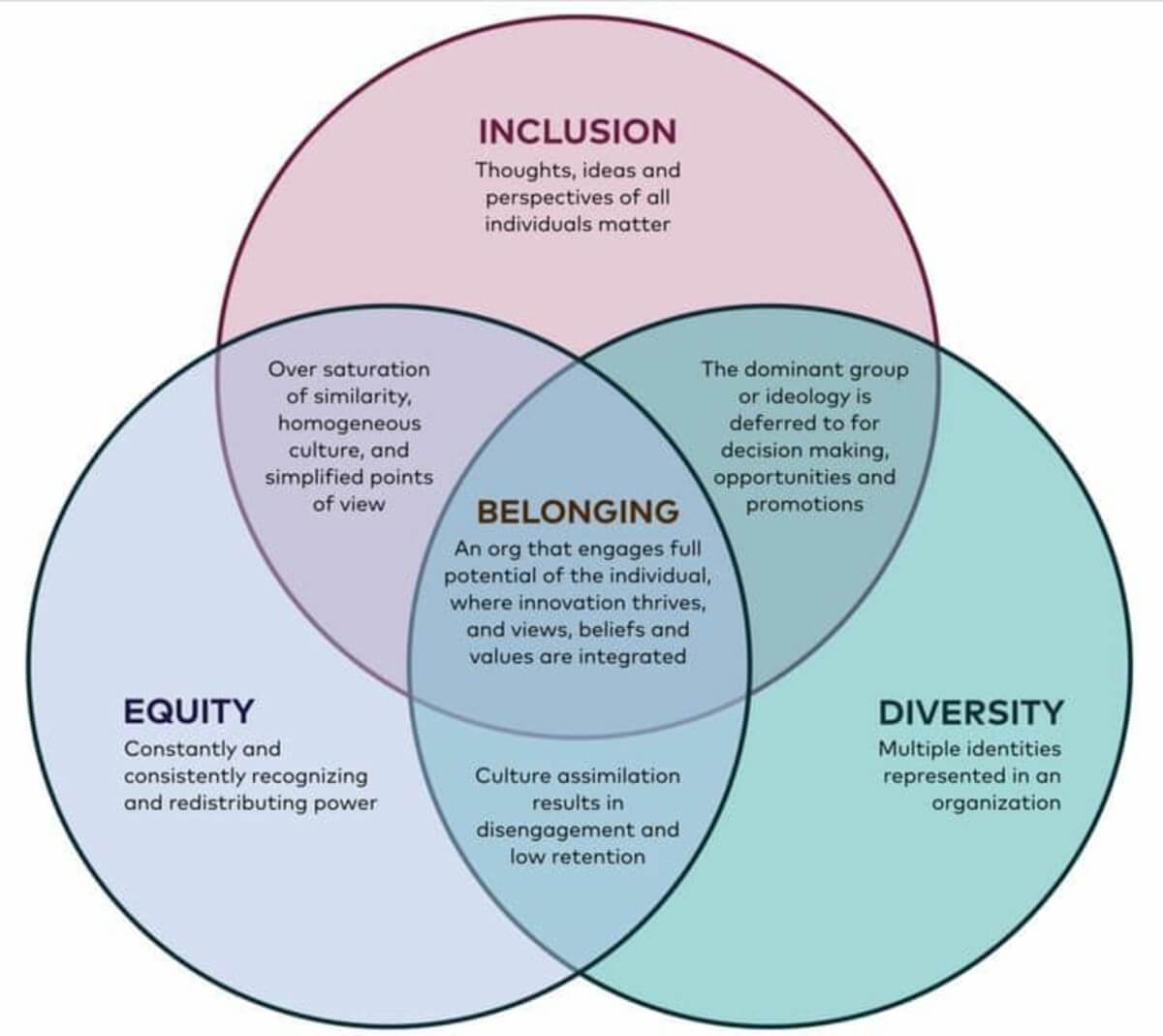
Recognising neurological differences benefits every learner in the classroom. This inclusive approach brings in varied perspectives, as highlighted by Armstrong (2012). Rose and Meyer (2002) suggest that valuing each learner's abilities builds belonging. Sousa (2017) also affirms that diversity enriches the whole learning community.
Neurodiversity helps teachers support a wide range of learners' needs. Traditional schooling may not suit every learner (Armstrong, 2012). When teachers use neurodiversity principles, they value differences and improve learner outcomes (Rose & Meyer, 2002; Tomlinson, 2014). This benefits everyone.
Teachers can improve the classroom experience by meeting the unique needs of neurodiverse learners and creating accommodating environments. Both neurodiverse and neurotypical learners benefit from diverse perspectives and teaching methods. This inclusive approach prepares learners for real-world situations, where people often need and value working with a diverse group.
Consider the work of Armstrong (2012), Gerlach (2019), and Pellicano (2022). Teachers spot neurodiversity by watching learners' patterns and how they interact.
Note their speeds and problem-solving. See if attention spans or focus differ. Recognise strengths and learner profiles, not weaknesses.
Neurodivergence shows up in many forms, and recognising these profiles helps educators respond to the individual rather than rely on labels. By observing how different learners engage with tasks, communicate, and navigate their environments, teachers can adapt support to build on strengths and address challenges. Below are common neurodivergent profiles educators may encounter, along with tailored strategies to promote inclusion and growth.
1. Autism Spectrum Condition (ASC)
Learners with ASC may prefer predictable routines and low-stimulus environments. They may also find abstract language or group actives hard. Structured visuals, sensory rooms, and predictable transitions can reduce anxiety. Lego therapy and sand tray therapy can support social interaction and emotional expression through play and storytelling.
2. Attention DeficitHyperactivity Disorder (ADHD)
ADHD affects impulse control, focus, and working memory. Learners may need movement, new tasks, and clear boundaries. Use trauma-informed sensory circuits, visual timers, and task chunking to help learners regulate and stay productive. Seating near the teacher and flexible ways to complete tasks can help keep them engaged.
3. Dyslexia
Dyslexia impacts reading and spelling but is often paired with creative thinking and oral storytelling strengths. Use multisensory phonics, coloured overlay s, and audio tools to support literacy. Colourful semantics can also support sentence construction and comprehension through visua l scaffolds.
4. Dyspraxia (DCD)
Learners with dyspraxia may struggle with motor planning and coordination. Visual step-by-step guides, concrete task modelling, and breaking activities into manageable chunks can reduce overload. Allow alternative ways to record work (e.g. Voice notes or typing) and provide tools like pencil grips or sloped boards.
5. Dyscalculia
Learners with dyscalculia benefit from tangible, abstract-to-concrete learning approaches. Use number lines, counting cubes, and real-life contexts to build number sense. Consistent visual models and hands-on practise are key to developing confidence and fluency.
6. Dysgraphia
This profile affects handwriting and the organisation of written work. Offer speech-to-text tools, graphic organisers, and extra time for tasks. Use multisensory pre-writing activities. Reduce cognitive load by separating planning from transcription, which is the act of getting words onto the page.
7. Tourette Syndrome
Tics are involuntary and often exacerbated by stress. Maintain a calm, understanding tone and avoid drawing attention to them. Provide private breaks if needed and educate peers to creates acceptance. Offer quiet corners or sensory toolkits to help with self-regulation.
8. Sensory Processing Differences
These learners may react too strongly, or not strongly enough, to sensory stimuli. Use sensory rooms, flexible seating, and trauma-informed sensory circuits to help them feel grounded. Fidget tools, noise-cancelling headphones, and dimmable lights can make the classroom easier to access.
9. Pathological Demand Avoidance (PDA)
PDA learners feel anxiety when they face demands. Teachers can avoid power struggles by using low-arousal communication, humour, and shared choices. Sand tray work and play-based methods like Lego therapy can offer indirect but meaningful routes to learning.
Research from Armstrong (2012) and others shows that inclusive practices support learners. Teachers can help neurodiverse learners with flexible, sensory activities and play. Classrooms become places where every learner thrives, academically and socially (Humphrey & Symes, 2011).
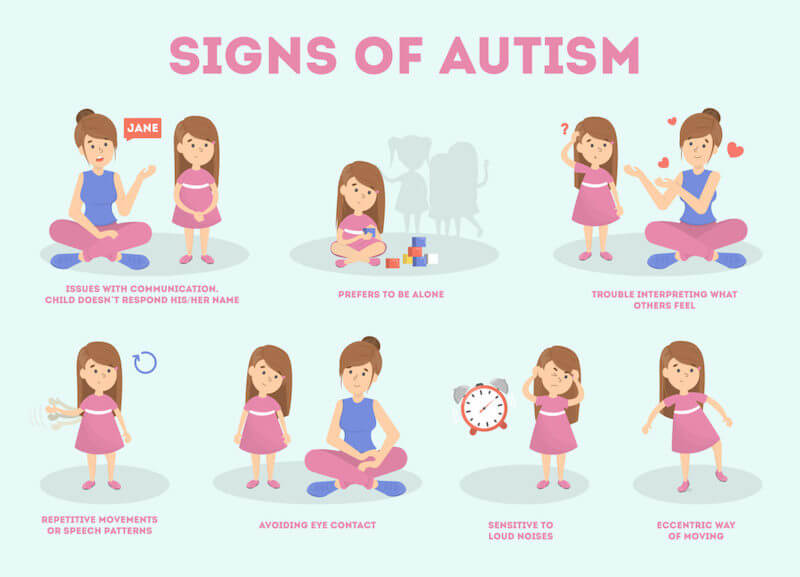
Teachers need to shift from viewing neurodivergent traits as problems to fix towards celebrating them as natural variations that bring valuable perspectives. This involves moving beyond deficit-based thinking to strength-based approaches that recognise hidden talents and alternative ways of learning. The key change is seeing diversity as an advantage rather than a challenge to overcome.
In recent years, educational practices have embraced a shift towards recognising the uniqueness of every brain. This mindset change is important for creating classroom environments where all learners, including neurodiverse learners, can thrive. Instead of viewing accommodations as optional extras, they should be seen as beneficial for everyone. This encourages educators to view all learners as capable learners with unique strengths and potential.

Building inclusive schools helps learners feel they belong. Nonverbal support and alternatives to speech can reduce learner anxiety (Humphrey & Symes, 2013). This helps learners become more independent and take part more comfortably. When schools celebrate neurodiversity, education improves for all learners (Armstrong, 2012; Rose & Meyer, 2002).
Traditional compliance-based assessment methods can sometimes hold neurodivergent learners back. These methods often focus too much on memorisation and standardised tests. A better approach recognises each learner as an individual and uses alternative assessment strategies. Portfolio assessments, project-based learning, and self-reflection let learners show their knowledge in different ways.
This shows their unique strengths and gives a fuller picture of what they can do. In an inclusive education setting, both neurodivergent and neurotypical learners benefit from varied assessment methods. These methods build creativity, critical thinking, and self-confidence. This shift helps neurodivergent people and improves the classroom experience for everyone.

Flexible instruction, multi-sensory tasks, and varied assessments work well. Visuals, routines, and learning choices suit different learners (Tomlinson, 2014). Adaptations like these support all learners, including neurodivergent learners (Armstrong, 2016; Rose & Meyer, 2002).
Personalised learning starts with the strengths of neurodivergent learners (Heacox, 2002). This approach can build motivation and engagement (Dweck, 2006). Inclusive classrooms support all learners (Tomlinson, 2014). Teachers do this by creating supportive classrooms that value every learner's contribution (Armstrong, 2012).
Visual supports help neurodivergent learners understand, remember and use classroom information. Pictures, diagrams, colour-coding and worked examples make abstract ideas more concrete. They also reduce the need to hold every instruction in working memory while listening.
Offer the same content in spoken, written and visual forms where it helps the task. A graphic syllabus, chart or visual learning tool can help learners who struggle with auditory information, while still being useful for the rest of the class.
Flexible seating can reduce sensory load for neurodivergent learners. It can also help them pay attention. Standing desks, wobble cushions, exercise balls and beanbags allow small movements. This means movement is less likely to be seen as misbehaviour.
Choice still needs structure. Agree which seats are for focus, quiet recovery or collaboration, and review whether each option improves learning. Preferential seating can place a learner closer to the teacher, away from noise, or near a trusted peer. This is universal design in practice: it supports diagnosed and undiagnosed needs without making a learner wait for paperwork.
Multi-modal teaching uses visual, auditory and kinesthetic techniques for neurodiverse learners. These methods give learners alternatives to traditional learning. They can reduce anxiety and make lessons more engaging. Nonverbal options and personalised support also create predictable classrooms, while multi-modal strategies build organisational skills and time management for all learners.

Create inclusive classrooms with clear routines, less sensory overload, and quiet spaces for learners who need breaks. Flexible seating, visual schedules, and calm-down corners can meet different sensory and attention needs. Small changes, such as softer lighting and fewer distractions, can make learning easier for all learners.
An inclusive learning environment welcomes the diversity of our learners. It recognises that people think and learn in many natural ways. This is essential for supporting neurodiverse learners. Effective classroom strategies start with understanding these differences, including how neurotypical and neurodivergent learners process information and interact socially.
By focusing on the strengths and challenges each learner has, we can create supportive spaces. Flexible management strategies, like positive reinforcement, help learners thrive. In places like the UK, resources such as LEANS raise awareness about neurodiversity. They work to integrate this understanding into schools, helping all learners appreciate individual differences.
Teachers play a important role in developing inclusive education. They should work with learners, families, and colleagues to craft supportive environments. recognising diverse strengths is vital for learners’ success. Professional learning offers teachers a chance to adapt and create accommodations suited for neurodivergent learners.
Collaborating in teams, with both general and special education teachers, can enhance learning through peer support. Teachers can benefit from including statements about accommodations in their syllabi. This practice emphasises accessibility and ensures neurodivergent learners know the support available. By being adaptable and aware, teachers create classrooms where all learners can excel.

Universal Design for Learning (UDL) gives teachers a broad framework with different ways to present information, engage learners, and let learners show what they know. The SAMR model helps teachers use technology to support varied learning needs and processing styles. Both frameworks stress proactive planning, so teachers expect learning differences and plan for them from the start.
Teachers build inclusive classrooms with predictable routines, explicit modelling, and tasks learners can manage. The Education Endowment Foundation (2021) cautions that support for learners with SEND works best when teachers adapt high-quality teaching carefully. It should not be replaced by a menu of separate interventions.
Use manipulatives, worked examples and interactive lessons where they reduce unnecessary mental load. Movement breaks, flexible seating and visual routines can help attention, but they should be tied to a clear learning barrier. A needs-led framework also includes family input, learner voice and regular review, so support changes when the barrier changes.
Personalised learning plans should record what helps the learner access the lesson, not just the diagnostic label. Include known triggers, useful communication routes, sensory needs, working-memory supports and the conditions in which the learner shows their best thinking.
Build the plan with the learner, parents or carers, teaching assistants and class teachers. Adjust workload, recording method or pace when these changes remove a barrier. For autistic learners, this can mean clearer transitions, literal language, advance notice of change and recovery time after social demand.
Peer support works best when it is designed, taught and monitored. Collaborative team teaching can align general and specialist support, while structured group roles prevent one learner carrying the social load. Pair learners for a purpose, such as reader and summariser, organiser and checker, or questioner and evidence finder.
Positive reinforcement should name the strategy used, not just praise the learner. "You checked the visual steps before asking for help" is more useful than "good work". Rotating partnerships and matching complementary strengths can build peer acceptance while keeping adult accountability for inclusion.

Address resistance by sharing research that shows better outcomes for all learners when schools use neurodiversity practices. Start with small, manageable changes that show clear benefits before making larger system-wide shifts. Professional developmentand peer collaboration help teachers build confidence and skill in inclusive teaching methods.
In UK schools, neurodiversity work now sits inside a wider SEND capacity problem. The 2026 SEND reform consultation argues for a needs-led "Universal offer" so staff can adapt environments and curricula before a formal diagnosis is secured (Department for Education and Department of Health and Social Care, 2026). This matters when a large share of a cohort has unassessed needs and limited external funding.
Implementation therefore has to be practical. Start with changes that reduce barriers across the class: predictable routines, lower sensory noise, shorter instruction chains, clear models and planned recovery spaces. Co-teachers and support staff need shared language, not separate plans that live in different folders.
Neurodiversity shifts the focus from seeing neurological differences as deficits to seeing them as natural variations. This approach challenges traditional views and supports a more inclusive understanding. The movement de-stigmatizes neurodivergence by building acceptance and self-awareness.
Recognising neurodiversity as part of human diversity is important, much like the way society views ethnicity or gender. Educators play a key role in this change. By valuing the strengths of neurodivergent learners, they counter stigma and prejudice. These efforts help create an environment where all learners thrive.
Measure success in several ways, including learner engagement, academic progress across different ways of learning, and classroom climate surveys. Track numbers, such as test scores, alongside observations of learner confidence and participation. Regular feedback from learners, parents, and colleagues gives a fuller view of how well the programme works.
Embracing neurodiversity in the classroom creates a positive environment for all learners. It allows each learner to use their unique strengths, making them feel valued and supported. Teachers and school staff must share a commitment to these practices for them to be effective. recognising both the strengths and challenges of neurodiverse learners is important in promoting their academic success. By nurturing skills like creativity and problem-solving, learners build self-confidence and feel they belong.
Neurodivergent learners can disengage when sensory load, social ambiguity or weak task structure makes participation too costly. Track engagement through observable patterns: when the learner starts, asks for help, completes a step, returns after a break, or chooses a recording method that works.
Teachers should not treat quiet compliance as the only success measure. A masked learner may look settled while becoming exhausted. Combine class observations with parent or carer feedback, learner voice and short wellbeing checks, especially after assemblies, group work or timetable changes.
Long-term success is not only a test score. Neurodivergent learners need relationships, routines and task designs that protect self-acceptance as well as attainment. Teachers who build consistent relationships create safer conditions for asking for help, using supports and returning after overload.
Home-school collaboration is important because distress often appears after the school day. If a learner holds everything together in class and then shuts down at home, treat that as useful evidence about hidden cognitive and sensory cost. Structured routines, varied materials and scaffolded support can then be adjusted before absence or school avoidance becomes entrenched.
Rose and Meyer (2002) explain Universal Design for Learning in their books. Training in inclusive education helps teachers. Special education specialists can guide teachers who work with learners. Online communities share current neurodiversity strategies and support, while academic journals present research by scholars like Armstrong (2010) for classroom contexts.
Implementing inclusive lessons can improve learner outcomes (Oliver & Dyson, 2007). Peer support networks assist neurodivergent learners with school adjustments (Humphrey & Symes, 2011). Greater understanding helps learners thrive, as researched by Norwich and Kelly (2005).
1. Learning About Neurodiversity at School (LEANS Programme)
Alcorn et al. (2024) evaluated the LEANS classroom programme. It was designed to teach mainstream primary learners about neurodiversity. The programme significantly improved children’s understanding of neurodiversity. It also increased positive attitudes and intentions towards neurodivergent peers, showing how structured whole-class interventions can create more inclusive and supportive classroom cultures.
2. Promoting Social-Inclusion Through the 'In My Shoes' Programme
Littlefair et al. (2024) adapted the Australian "In My Shoes" intervention for UK primary schools. The aim was to improve participation and school connectedness for neurodivergent learners. Stakeholder feedback supported linking the programme to the PSHE curriculum. It also emphasised the programme's role in emotional and social development for children aged 8-10.
Moya-Pérez et al. (2024) found music therapy helps neurodivergent learners regulate emotions. The review showed improved communication and social integration in early years. These therapeutic strategies can boost inclusion and achievement in classrooms.
Ubaque-Casallas (2024) examined teacher training for neurodivergent learners in English lessons. The research stresses moving away from rigid plans. It suggests teachers should use inclusive teaching, respecting autism as a different viewpoint.
5. Adolescents Advocating for Neurodiversity Through Design Thinking
Schuck and Fung (2024) studied a summer camp for high school learners. The learners used Universal Design for Learning (UDL) and Design Thinking to create neurodiversity advocacy projects. The results showed reduced stigma, especially towards autism. They also showed increased knowledge, empathy, and peer collaboration among participants.
Recognising neurodivergent learners in your classroom should not depend on a formal diagnosis or specialist training. It means noticing patterns in how learners process information, communicate, organise tasks and respond to different teaching approaches. A needs-led model fits the 2026 SEND direction: adapt support early, then use assessment evidence to refine it (Department for Education and Department of Health and Social Care, 2026).

Look for repeated patterns rather than isolated incidents. A learner who struggles with sequential instructions but excels at visual problem-solving can benefit from dyslexia-friendly teaching. A learner who becomes overwhelmed during group work but focuses deeply on individual projects may need autism-informed adjustments. A learner who fidgets, interrupts or struggles to stay seated may need ADHD-informed routines, movement and clearer task starts.
Check for diagnosis privilege as you interpret these patterns. Similar behaviours can be read as neurodivergence for white middle-class learners but as SEMH, defiance or poor parenting for Black, working-class or care-experienced learners. Use the same observation process for every learner, and review exclusions, sanctions and referrals for bias (Strand and Lindorff, 2018; Timpson, 2019).
Document your observations using simple tracking sheets that note when learners succeed or struggle. For instance, record whether a learner performs better with written versus verbal instructions, or if they need movement breaks to maintain concentration. This research-informed approach helps you adapt your teaching methods whilst providing valuable information for parents and support services.
Create regular chances for learners to show what they understand in different formats. Some neurodivergent learners may struggle with traditional written assessments. Yet they may do well in oral presentations, visual projects, or practical demonstrations. By varying your assessment methods, you can spot hidden strengths and identify support needs more clearly.
Neurodivergent traits exist on a spectrum (Attwood, 2006). Learners may show traits of several conditions, making labels unhelpful (Gillberg, 2010). Understand each learner's strengths and challenges (Silverman, 2013). Adapt support based on individual needs (Humphrey & Symes, 2011).
Executive functioning skills often create major challenges for neurodivergent learners. These skills include working memory, cognitive flexibility, and inhibitory control. They help learners plan tasks, manage time, organise materials, and control their behaviour in class. Research by Barkley (2015) indicates that up to 90% of children with ADHD experience executive functioning difficulties, whilst similar challenges affect many autistic learners and those with dyslexia.
Visual scaffolding provides important support for learners struggling with executive functioning. Create step-by-step visual guides for common classroom routines, such as breaking down homework submission into clear stages: check planner, gather materials, complete task, review work, place in folder. Display these guides prominently and encourage learners to create personalised versions. Time management becomes more concrete when using visual timers that show remaining time as a shrinking red disc, helping learners understand abstract concepts like 'five minutes left'.
Working memory support requires deliberate classroom strategies. Chunk information into smaller segments, presenting no more than three instructions at once. Write key points on the board whilst speaking, and leave them visible throughout the lesson. Provide "memory mats" on desks containing essential information like times tables, spelling rules or science formulae.
In 2026, approved generative AI can also act as an executive-function scaffold when school policy allows it. A teacher can use it to turn a task into a numbered plan, generate a checklist, rephrase an instruction, or provide a first-step prompt. It should not replace teaching or assessment judgement; it should reduce working-memory and task-initiation load so the learner can focus on the curriculum. For longer tasks, offer checklists that learners can tick off as they progress, reducing cognitive load while building independence.
Organisation skills grow through steady, structured approaches. Use colour-coding systems so each subject has its own colour for folders, books, and timetable highlights. Set up 'transition routines' between activities, with extra time for neurodivergent learners to process changes and gather materials. You could also provide duplicate sets of essential equipment to reduce anxiety about forgotten items, whilst slowly building responsibility through supported practise.
Social interactions can be hard for neurodivergent learners, especially those with autism or ADHD. Many find it difficult to understand unwritten social rules, read body language, or cope with the sensory demands of group work. Teachers should not expect these learners to simply 'pick up' social skills by watching others. Instead, they need structured approaches that teach social understanding clearly whilst building supportive peer environments.
One effective strategy involves using social scripts and role-play activities during form time or PSHE lessons. For instance, practising how to join a playground game or ask for help provides neurodivergent learners with concrete phrases and actions they can use in real situations. Visual supports, such as comic strip conversations or social stories, help break down complex social scenarios into manageable steps. Research by Carol Grey demonstrates that these visual tools significantly improve social understanding when used consistently.
Structured peer support helps the whole classroom community. Buddy systems work well when you change partners each week, as all learners get chances to build empathy and communication skills.
In group work, give learners clear roles that match their strengths. For example, a learner with autism may do well as the 'timekeeper' or 'resources manager' whilst building collaborative skills. These clear roles reduce social uncertainty and make participation easier to understand.
Set up quiet zones or friendship benches in your classroom and playground. Learners can go there when they feel overwhelmed, or when they feel alone and want company. Teach the whole class about different ways to communicate and different sensory needs. When neurotypical learners understand why a classmate can cover their ears in assembly or need movement breaks, they are more likely to support them than criticise them.
Free for teachers. Visual schedules, sensory adaptations, low-demand routines, built into the plan.
Create Free Account →
This approach can build inclusion and belonging in schools. Armstrong (2010) suggests neurodiversity includes autism, ADHD, and dyslexia. Instead of fixing learners, recognise varied neurological processing. Silberman (2015) and Singer (2017) see these differences as natural, like gender.
Researchers like Armstrong (2012) and Pollak (2009) say teachers spot neurodiversity by watching learners. Look for different processing speeds and problem-solving methods. Varied attention and unique task engagement are also key (Humphrey & Symes, 2011).
Teachers can use relaxation exercises, create calm classroom atmospheres, and manage cognitive load. This helps reduce anxiety for neurodivergent learners. Small changes, such as flexible teaching strategies and tailored support, can improve learning for the whole class. They also help create a more inclusive environment.
Researchers support inclusive classrooms. Embracing neurodiversity helps learners by making room for different perspectives and methods. This benefits everyone in the class. It also prepares learners for teamwork in the real world. (Sources: implied).
Neurodivergent learners often show great creativity (Heaton, 2000). They have unique problem-solving skills and thinking styles. These can enrich lessons (Armstrong, 2012).
Spotting and growing these skills builds learner confidence (Baumeister, 1998). This also helps them contribute to the learning community. (Grandin, 2013).
Teachers can move away from trying to 'fix' neurodivergent learners. Instead, they can identify and build on each learner's strengths and learning profile. This approach focuses on potential rather than limits. It creates supportive classrooms where each learner's abilities can grow and add to class life.
Social scaffolding supports learners during group activities. Vygotsky (1978) argued that learners develop through supported social interaction. This support can help neurodivergent learners manage peer interactions. Clear frameworks let learners take part in collaborative work, which improves inclusion and reduces isolation (Wood et al., 1976).
Rate your school across the five EEF SEND recommendation domains and receive a visual provision map with priority actions. Use it as a starting point for professional discussion: identify the learner's current need, record evidence from more than one lesson, and agree the next classroom adjustment with the SENCO or family.
Karpicke, J. (2008). The critical importance of retrieval for learning.
Vygotsky, L. (1978). Mind in society: The development of higher psychological processes.
These peer-reviewed studies provide the research foundation for the strategies discussed in this article:
Differentiated Instruction on Improving Reading Comprehension of Grade Three Learners View study ↗
Asmida Diron & Camilo Baldonado (2025)
This study proves that differentiated instruction significantly improves reading comprehension among third-grade students, using formal assessment tools to measure progress before and after implementation. The research provides concrete evidence that adapting teaching methods to meet individual learning needs creates measurable academic gains. For elementary teachers, this offers validation that investing time in differentiated approaches pays off with real improvements in student reading skills.
Implementation of Inclusive Approach to Teaching English as a Foreign Language View study ↗
P. Nadezhda (2018)
This research explores how students with special educational needs and neurodivergent learners face unique challenges when learning a second language, and identifies specific teaching strategies that can help them succeed. The study emphasises that language teachers need specialised professional development to effectively support diverse learners in their classrooms. Teachers will find practical recommendations for adapting materials and methods to create truly inclusive language learning environments.
Can Differentiated Instruction Create an Inclusive Classroom with Diverse Learners in an Elementary School Setting? View study ↗
16 citations
Suleyman Celik (2019)
This study demonstrates that differentiated instruction is a powerful tool for creating inclusive classrooms that successfully serve students from varied backgrounds, learning styles, and ability levels. The research shows how adapting teaching methods to individual needs improves outcomes while building on each student's natural strengths. Elementary teachers will appreciate the practical insights on managing diverse classrooms and the evidence that differentiated approaches benefit all students, not just those with identified needs.
Cognitive diversity in the classroom: the role of attention and engagement in the teaching-learning process in the face of dropout rates in higher education View study ↗
2 citations
Gastón Sanglier Contreras et al. (2022)
This research reveals that today's classrooms are increasingly diverse in terms of students' cognitive styles and attention patterns, challenging the outdated notion of homogeneous learning groups. The study connects cognitive diversity to student engagement and retention, showing that recognising different thinking styles is important for keeping students motivated and enrolled. Educators at all levels will gain valuable insights into how understanding cognitive differences can improve teaching effectiveness and reduce dropout rates.
Universal Design for Learning. A systematic review of its role in Teacher Education. View study ↗
12 citations
Sara de la Fuente-González et al. (2025)
Universal Design for Learning boosts access for every learner, especially those with disabilities. It does not need big curriculum changes (Rose & Meyer, 2002). Research shows UDL principles are vital in teacher training and policy globally. Teachers will see UDL training improves instruction and inclusion (CAST, 2018).
Visual schedules, sensory adaptations, low-demand routines. Built in.
Open a free account and help organise learners' thinking with evidence-based graphic organisers. Reduce cognitive load and guide schema building dynamically.