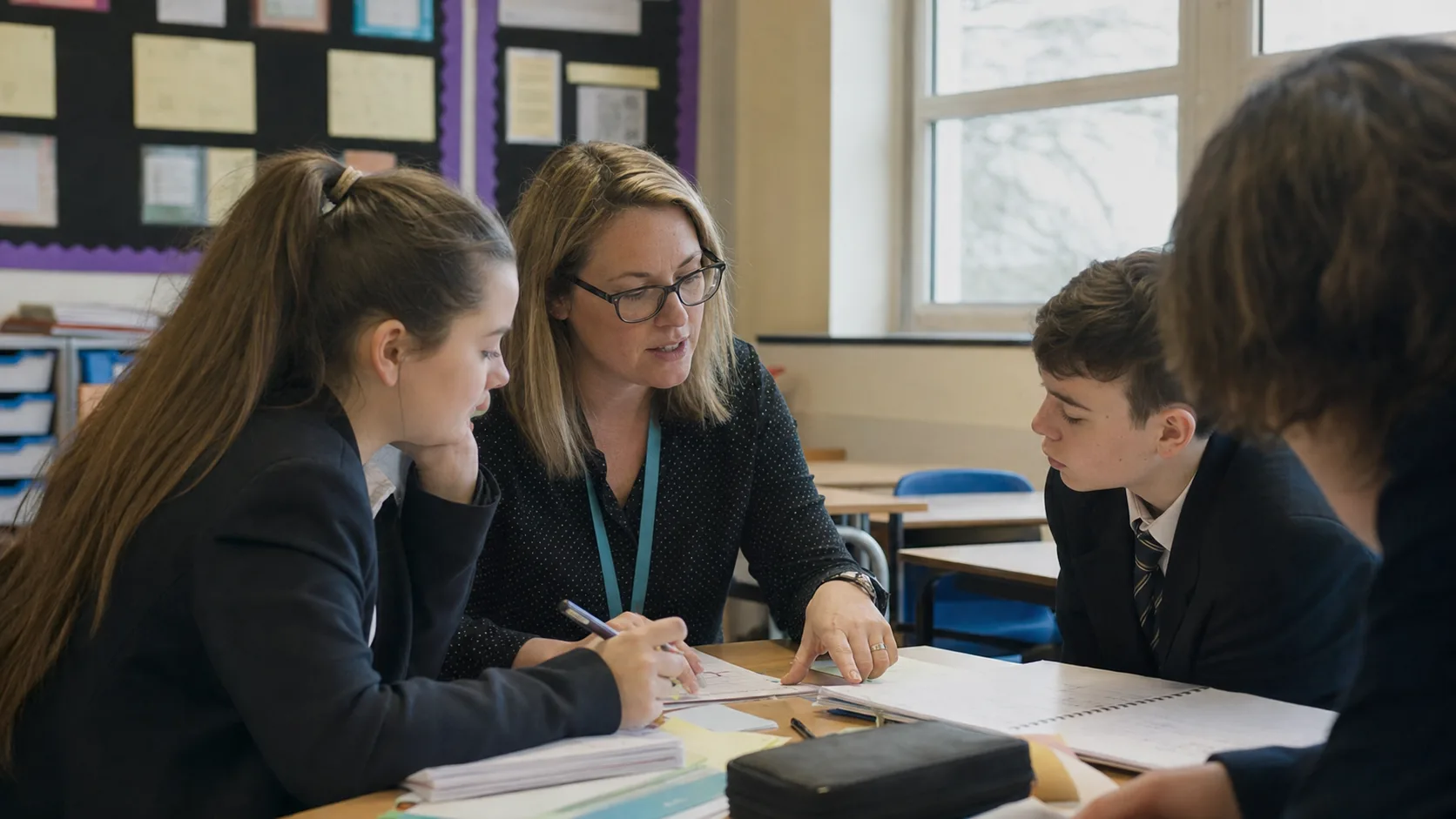
Creating an Effective Individual Learning PlanSixth form students in bottle green cardigans developing personal study goals in a modern, light-filled study space

Updated on  

February 11, 2026

Creating an Effective Individual Learning Plan

|

May 1, 2024

Explore our guide on creating effective Individual Learning Plans (ILPs) for students, with practical steps to tailor education to unique learner needs.

Course Enquiry
Copy citation

Main, P. (2024, May 1). Creating an Effective Individual Learning Plan. Retrieved from www.structural-learning.com/post/creating-an-effective-individual-learning-plan

An Individual Learning Plan (ILP) is a tailored educational roadmap, designed to cater to the distinct needs, interests, and aspirations of each learner. At the heart of an ILP lies the goal of maximising personal achievement by aligning lessons with individual capabilities and objectives.

Key Takeaways

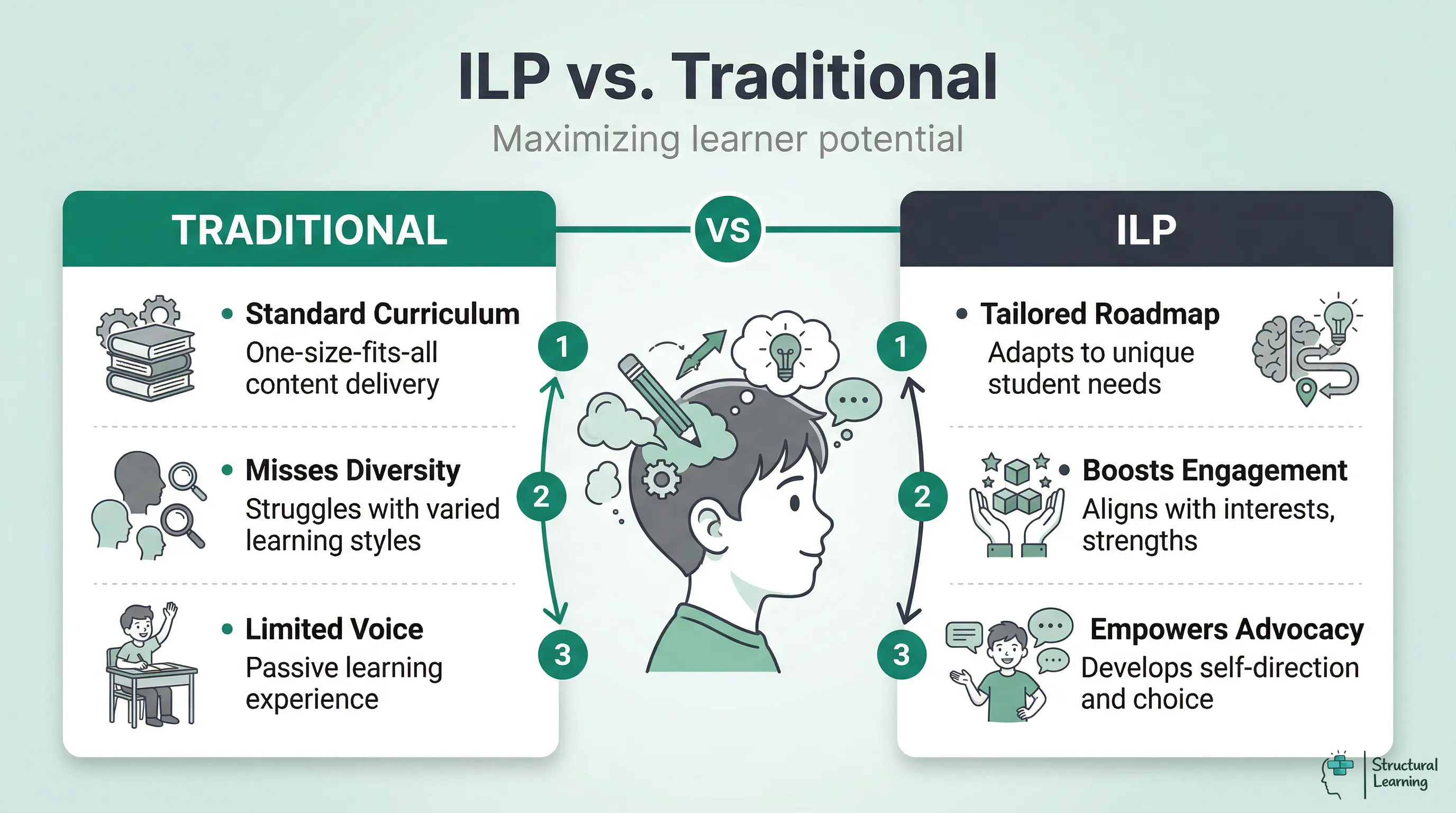
  1. Beyond One-Size-Fits-All: Discover why traditional lesson plans fail diverse learners and how ILPs transform engagement, attendance, and achievement for every pupil.
  2. The 3 Collaboration Secrets: Master the stakeholder meetings that makeor break an ILP: who to involve, when to meet, and what questions unlock breakthrough support.
  3. Goals That Actually Work: Learn the FAST framework that turns vague aspirations into measurable milestones your students will actually achieve, starting from Year 6.
  4. The Hidden Assessment Power: Uncover how cultural, linguistic, and socio-economic factors shape learning potential and why most assessments miss these critical success predictors.

In an education system that is rapidly evolving, an ILP can serve as the compass that guides students through what, for some, can be a bumpy journey. Embracing the multitude of benefits an ILP has to offer, from enhancing motivation to providing clear benchmarks for success, is critical. The elements of an effective ILP are akin to the ingredients of a masterful recipe, each component must be measured, personalized, and periodically assessed to create a fulfiling educational experience.

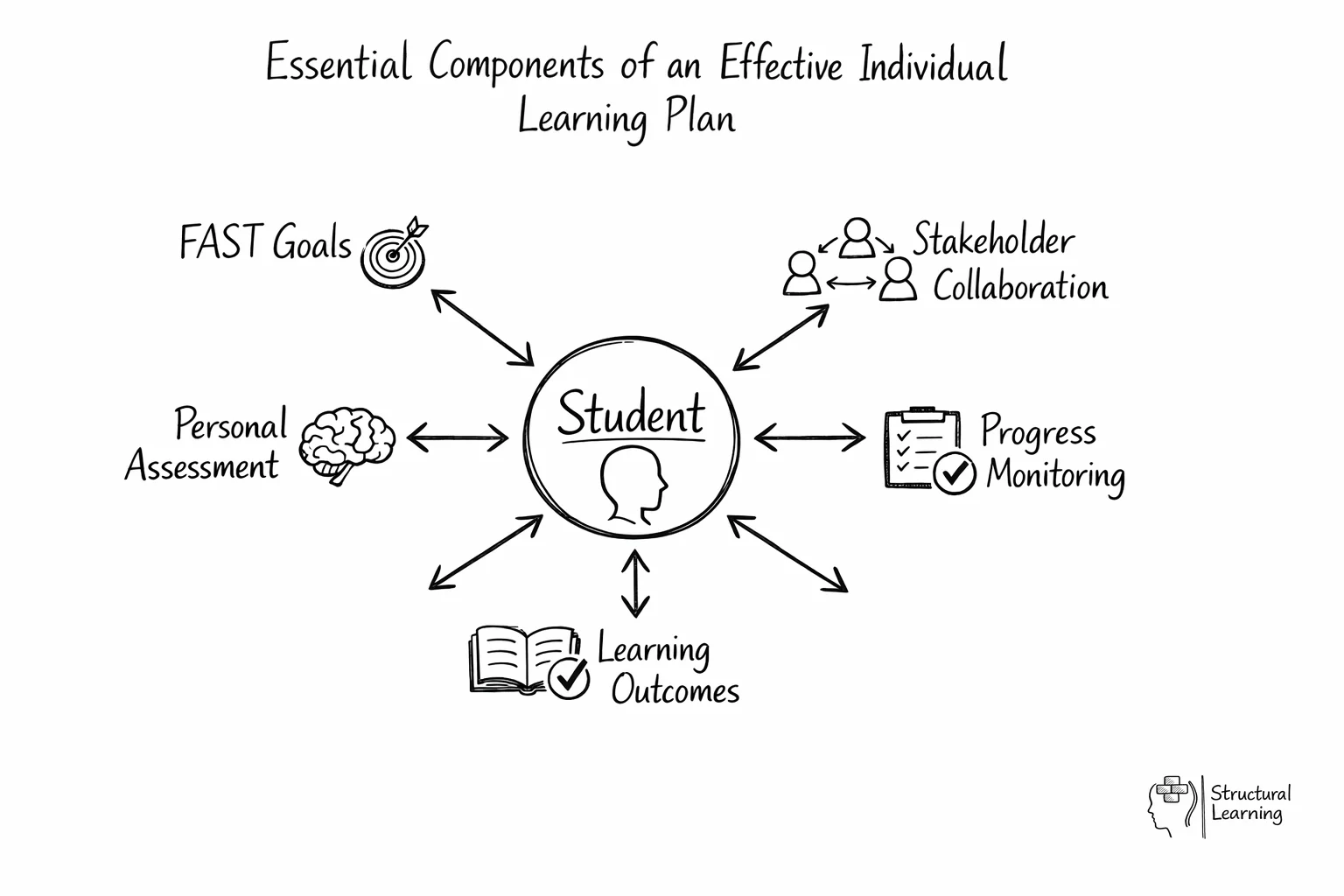
Hub diagram showing student at center connected to six ILP components
Hub-and-spoke diagram: Essential Components of an Effective Individual Learning Plan

This article examines into the intricacies of crafting an effective Individual Learning Plan. From defining its purpose to highlighting the collaborative efforts necessary for successful implementation, we explore how to establish goals, assess skills, and design a personalized learning journey. Through this examination, we helps students, educators, and counsellors alike to forge a pathway that not only educates but also inspires life-long learning and personal growth.

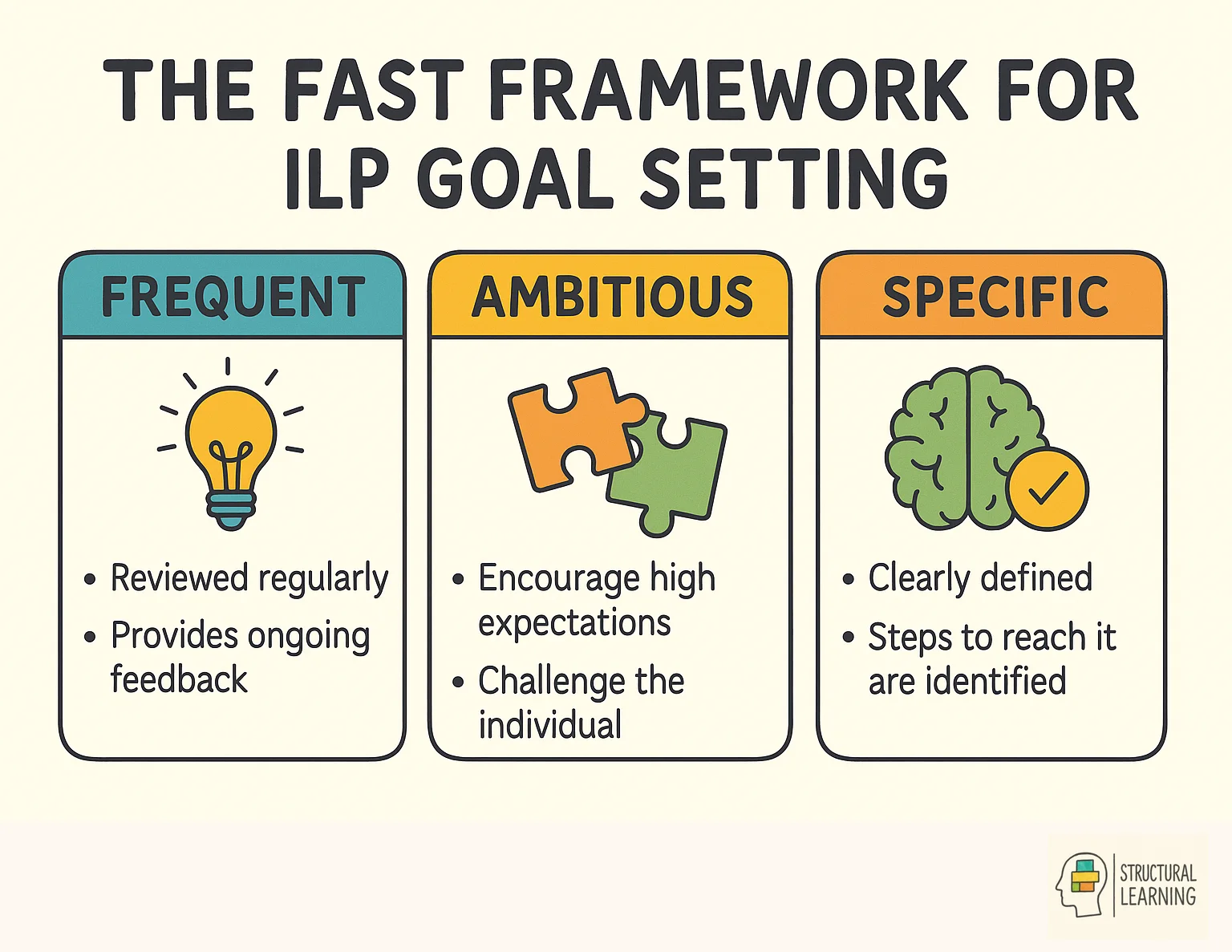
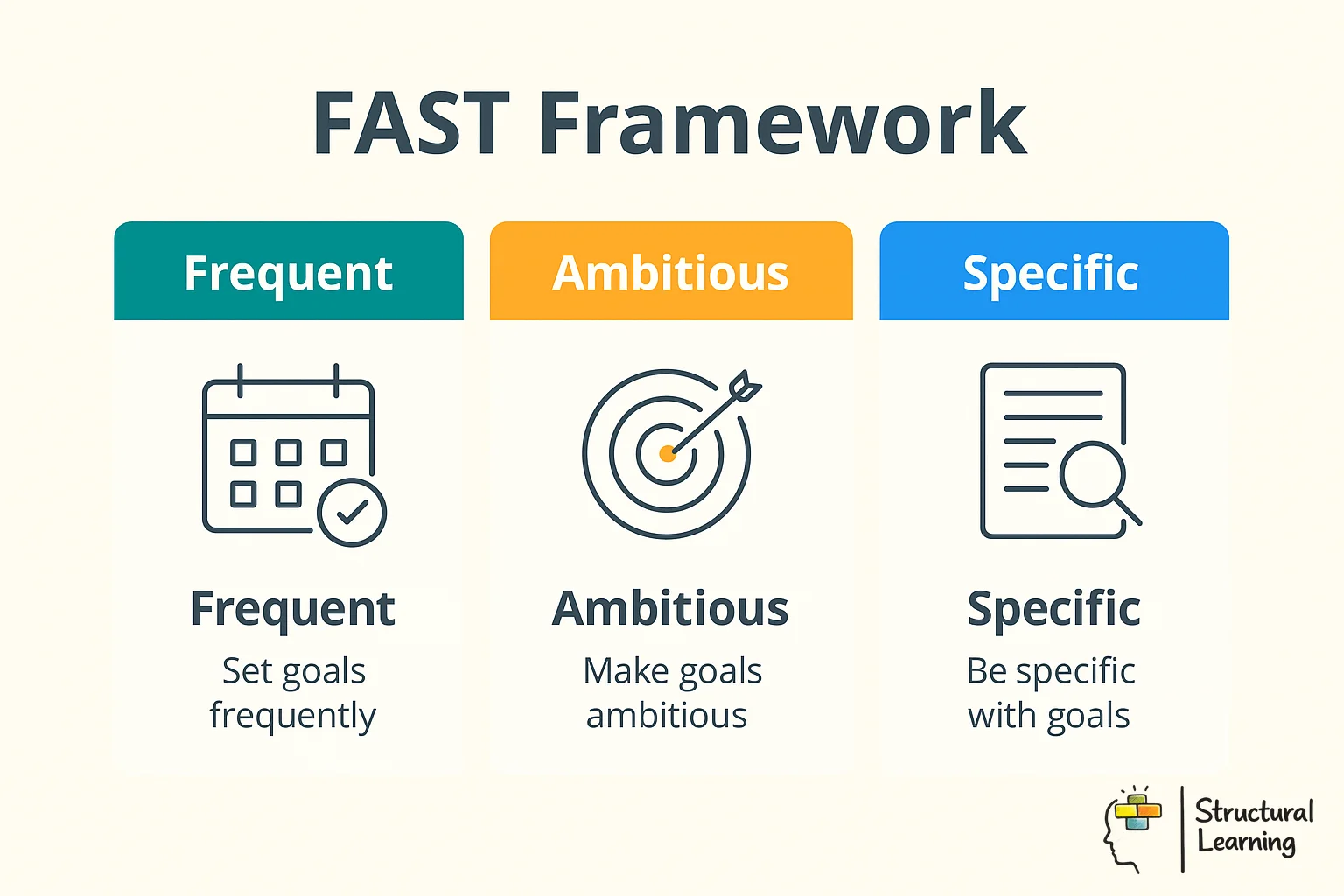
FAST Framework infographic showing how to set effective goals for Individual Learning Plans
The FAST Framework for ILP Goal Setting

Understanding Individual Learning Plans: What is an ILP?

An individualised learning programmerning journey. It serves as a tailored document that captures the es sen ce of a learner's educational and developmental needs, incorporating their learning goals, learning preferences, innate strengths, and broad interests. ILPs recognise that learning is not a one-size-fits-all process and, therefore, emphasise customising educational activities to accommodate individual differences.

FAST Framework infographic showing four components for effective ILP goal setting
FAST Framework

The foundation of an ILP lies in its focus on the child as a center of learning. It examines into identifying barriers that may impede a student's progress and recommends suitable adjustments to counter these obstacles effectively. By mapping out a plan that considers a student's individual circumstances, ILPs helps learners to engage with their education meaningfully.

The ultimate aim of an ILP is to equip students with the necessary tools for self-driven achievement. It creates important life skills such as goal setting, decision-making, and self-advocacy, which are indispensable for success beyond the classroom. By honing these skills, ILPs lay the groundwork for students to transition smoothly through various educational stages, from elementary school to postsecondary opportunities, and importantly, to life beyond formal education.

In sum, an ILP is far more than just an education plan. It is a student-directed planning and monitoring tool that aligns with personal, career, and educational aspirations. It is a testament to the bespoke nature of learning, acknowledging that each student has a distinct educational history that shapes their path to achieving life goals. Through the collaboration of school counsellors, educators, and families, ILPs offer a comprehensive teaching method to nurturing and realising the potential of every learner.

What are the main benefits of Individual Learning Plans for students?

Individual Learning Plans increase student engagement and achievement by tailoring education to each learner's unique needs, interests, and goals. They improve attendance rates, boost motivation through personalized goal-setting, and help students develop self-advocacy skills. ILPs also provide clear benchmarks for measuring progress and celebrating individual growth.

A personalised learning strategygement. Its effective implementation can lead to several transformative benefits.

  • Increased Motivation: ILPs are linked to developing greater interest in learning, resulting in sustained motivation.
  • Enhanced Postsecondary Understanding: Students gain clearer insight into their future options, leading to informed career planning activities.
  • Goal-Setting Skills: With ILPs, students learn to set realistic and achievable life goals.
  • Attendance and Discipline: Students with ILPs exhibit higher attendance and fewer disciplinary issues.
  • Academic Self-Efficacy: There's a notable boost in confidence towards handling academic challenges.
  • Engagement in Education: ILPs help students engage more deeply in their lessons, promoting self-led learning.
  • Thoughtful Life Choices: As students approach critical key transition periods like entering 11th and 12th grade, they make more considered decisions about their post-high school future.

Starting ILPs early, ideally by sixth grade, sets the stage for students to reap these benefits throughout their educational journey, including special education services and mainstream classroom integration. These plans are particularly important during pivotal periods for students, ensuring they receive the best possible guidance from school counsellors and educators alike.

Considerations for an individual learning plan

What essential components should every Individual Learning Plan include?

An effective ILP must include clear, measurable goals using the FAST framework, comprehensive assessment data covering academic and socio-cultural factors, and personalized learning strategies aligned to student strengths. It should also contain specific timelines, progress monitoring tools, and defined roles for all stakeholders. Regular review dates and adjustment protocols ensure the plan remains responsive to student needs.

A bespoke learning outline document, it's a comprehensive instructional road map designed to support a student's unique learning journey. To ensure its efficacy, an ILP must capture a student's current level of ability and then blueprint specific, measurable aspirations for their future advancement. Respecting and incorporating a student's cultural, linguistic, and socio-economic fabric are key to making the ILP both relevant and motivating.

The formulation of an ILP is a collaborative venture. It demands cooperative meetings that draw upon the knowledge and input of teachers, parents, caregivers, therapists, and other key stakeholders. Each ILP contains a meaningful and accessible educational program, which is elaborately detailed with specific, measurable goals and the strategies intended to achieve those objectives. This is especially vital for students with learning difficulties and disabilities, securing their access to a curriculum tuned precisely to their strengths and support needs.

Defining Learning Goals and Objectives in Your ILP

The articulation of clear, measurable goals is the cornerstone of any ILP. This forward-planning ensures that students with learning difficulties are not left without guidance but have a personalized path to follow which considers their abilities and needs. The process is culturally responsive, incorporating the student's background to ensure objectives are pertinent and reachable.

ILPs are not developed in isolation. They are the outcome of robust collaboration involving all individuals who have a positive presence in the student's academic and developmental life. During and post these stakeholder meetings, a meaningful and tailored educational program is drafted, pinpointing the objectives that will channel a student's path to personal and educational growth.

Individual learning plan example

How to Assess a Student's Skills & Current Level for an ILP

The initiation of an ILP involves a complete look at a student's present competencies. Evaluations consider key background factors, cultural, linguistic, and socio-economic, to provide a fair and insightful assessment of the student's starting point. An ILP celebrates what a student can achieve, shining a light on their strengths and potential.

Additionally, the plan is coupled with specific, measurable goals and logically sequenced strategies that cater best to the learner's growth trajectory. There is also a dedication to continual progress evaluation, a critical component of the ILP, which is carefully monitored and measured. Responsibilities are clearly delineated among all involved parties to maintain a structured and supportive format for advancing the set goals.


Creating Realistic Timelines and Targets in Learning Plans

Achievable targets and well-defined timelines are indispensable for pacing a learner's development effectively. Crafting good learning habits is integral to helping learners prepare for loftier, long-term achievements. The FAST format, with frequent discussion, actionable steps, specific targets, and timeliness as its framework, aids in setting relevant and purposeful goals.

Short deadlines for intermediate targets guarantee focus and memory retention of tasks at hand, developing a culture of accomplishment and progress. Feedback from the educational support community surrounding the learner is invaluable, as it injects diverse perspectives into the goal-setting and review process. A culture of acknowledgment, celebrating successes, and constructively reflecting on missed targets, instills a growth mindset in learners as they make strides in their individualized learning journey.

This dynamic and structured approach in ILPs not only underpins the educational scaffolding necessary for each student but also supports their progression, accountability, and ulti mately, their success within the tailored framework of their personalized educational plan.

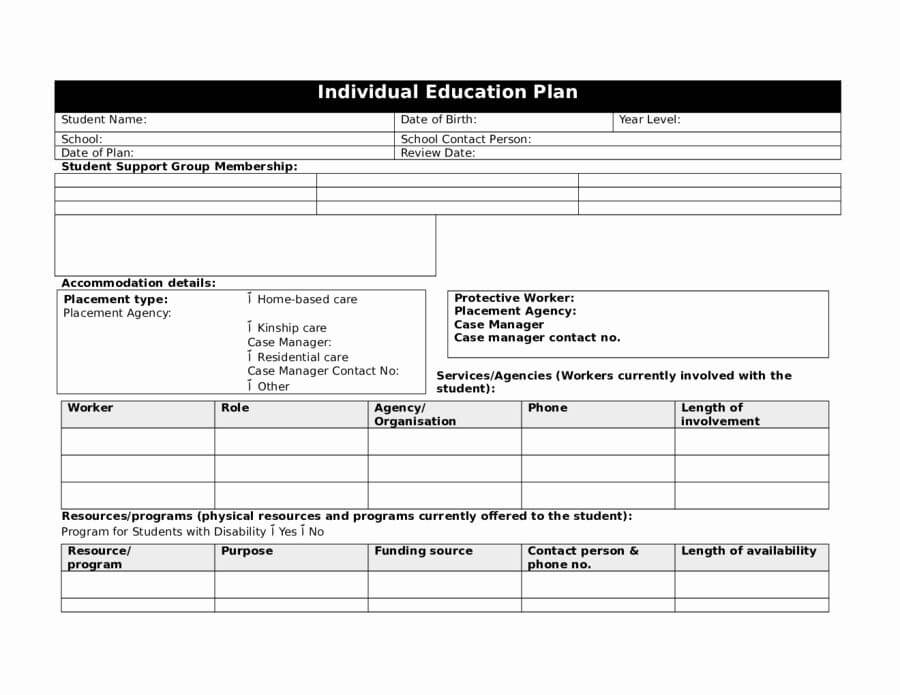
Individual learning plan template

How do you create a personalized Individual Learning Plan step by step?

Start by conducting comprehensive assessments that include academic skills, learning preferences, and cultural or linguistic factors that impact learning. Next, facilitate a collaborative meeting with the student, family, educators, and counsellors to establish FAST goals and identify support needs. Design learning activities and accommodations that match the student's strengths while addressing growth areas.

The creation of an Individualized Learning Plan (ILP) marks the beginning of a personalized educational trajectory tailored to a student's aspirations and capabilities. This student-directed tool steps beyond static academic frameworks, instilling a hands-on approach to charting course selections, special interests, and essential support mechanisms; essentials for secondary education success.

An ILP serves as a student's academic plan, reflecting their distinct interests and helping them with goal-setting and self-advocacy skills. This comprehensive plan involves a team effort, calling upon school counsellors, teachers, and family members to contribute to the student's academic, career, and personal growth. It opens up a domain where students can visualize their future selves, setting them on a confident path of proactive planning and preparation to attain their ambitions.


Strategically Identifying Learning Experiences for Education Plans

Within the ILP document, a variety of classroom activitiesare meticulously logged, extending from academic work to extracurricular activities and succession planning for life beyond the mainstream classroom. The ILP is not just forward-looking but reflects a student's present, catalogueing interests, supports in place, and necessary adaptations, thereby fashioning a complete picture of their educational experience.

By using ILPs, students can improve their decision-making and goal-setting acumen. This self-led learning documentation paves the way for young learners to take charge, promoting a culture of lifelong learning and adaptability. The ultimate aim is to facilitate students in viewing their educational journey through a broader lens, one that encourages readiness for whatever the future holds.

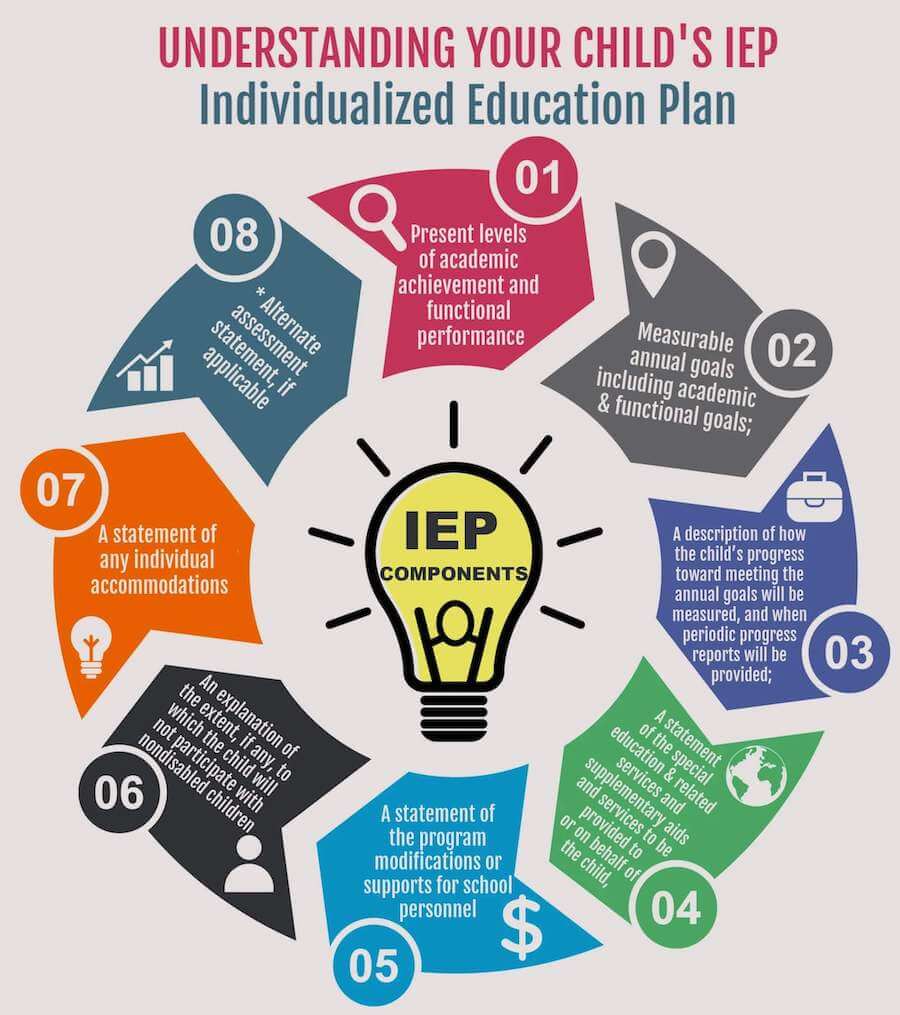
Individualized education plan

How to Incorporate Special Education Services in an ILP

Individualized Learning Plans hold particular significance for students with learning difficulties and disabilities, ensuring equal access to a well-suited curriculum. Although similar to an Individualized Education Plan (IEP), an ILP distinguishes itself by its focus on preparing students for life after graduation. As a documented roadmap, it emphasises a student's strengths and aims to scaffold their weaknesses into opportunities for success.

States like Alaska and Connecticut mandate ILPs, emphasising their significance in developing an all- inclusive instructional strategy. ILPs are not merely documents; they're the embodiment of an ongoing process that adjusts to a student's developing competences while remaining aligned with their life's aspirations.


Considering Postsecondary Opportunities & Transition Placements

Transition placements and postsecondary opportunities are a focal point within ILPs, highlighting just how consequential these plans are in chartering a student's academic and career voyage. The dynamic nature of ILPs allows for a flexible but comprehensive catalogueing of a student's educational and extracurricular undertakings, ensuring a snug fit with their postsecondary aspirations.

These plans assist students in probing various postsecondary options, fine-tuning career interests, and developing targeted educational and extracurricular goals. Moreover, ILPs serve as a longitudinal record of a student's achievements, including academic performance, personal statements of ambition, and steps taken towards college financing, an indispensable resource in paving the way to their envisioned future.

Alternate Learning Plan example

Why is student involvement critical for Individual Learning Plan success?

Student involvement transforms ILPs from imposed requirements into owned roadmaps, dramatically increasing motivation and follow-through. When students help set their own goals and choose learning strategies, they develop crucial self-advocacy skills and take responsibility for their progress. Active participation also ensures the plan reflects genuine student interests and aspirations rather than adult assumptions.

To maximise the effectiveness of an Individual Learning Plan (ILP), involving students in the planning process is critical. Beginning in middle school and continuing throughout high school, students are encouraged to regularly engage with their ILP, this review and update should occur more than once annually, ideally at least twice each school year, and during key transition periods.

Students gain meaningful benefits from this active participation. It provides them with ample opportunities for self-exploration, discovering their strengths, interests, and potential career paths. They become active agents in career exploration, refining their aspirations, and developing robust career planning and management skills.

An ILP is not merely a static repository of data; it dynamically maps an academic journey that aligns with each student's unique needs and learning goals. Through this process, students learn to set personal and academic goals, make informed decisions, and hone the self-advocacy skills that form the backbone of lifelong learning.

How do Individual Learning Plans develop self-directed learning skills?

ILPs teach students to monitor their own progress, reflect on learning strategies, and make adjustments independently through structured goal-setting and regular self-assessment. This metacognitive process strengthens executive function skills like planning, organisation, and self-regulation. Students learn to identify their learning preferences and advocate for supports they need to succeed.

While ILPs are essential from middle school onward, laying a foundation for life and career skills can start even earlier. For instance, platforms like Xello provide age-appropriate materials for students beginning in kindergarten, promoting early development of successful life and career strategies. In the pursuit of further education and employability, learners recognise the value of soft skills such as effective time management, self-led learning, and strong interpersonal and communication abilities. These skills are particularly important for adapting to the changing landscapes of modern industries.

Setting targets within an ILP can assist students in cultivating professional habits, bolstering regular attendance, and adeptly navigating the challenges associated with examinations and work placements. ILPs underscore the importance of outlining clear learning goals, understanding one's preferred modes of learning, identifying participation barriers, and determining adjustments that can enhance the learning experience.

They incorporate progress monitoring tools and offer customised support strategies tailored to various student needs, thereby promoting self-led learning and the development of vital cognitive skills. Together, these elements equip students with the foresight and self-sufficiency necessary to thrive in a myriad of educational contexts and beyond.

How should educators and counsellors collaborate on Individual Learning Plans?

Educators provide classroom-based assessment data and implement daily learning strategies, while counsellors contribute social-emotional insights and coordinate support services. Regular team meetings should occur monthly to review progress data and adjust interventions. Both parties must maintain open communication channels and share documentation to ensure consistent support across all settings.

Creating an ILP calls for a collective effort where school counsellors work hand in hand with educators to craft a roadmap tailored to each student's academic journey and personal growth. This partnership ensures that the ILP not only reflects the student's current level of academics but also their life and personal goals, making the transition from middle school to high school and beyond to postsecondary education or career planning activities smooth.

In the process, students are encouraged to take an active role. By engaging with their ILPs, students learn essential self-advocacy skills and come to appreciate their educational rights. Such student-directed planning and monitoring tools further inspire them to take ownership of their lessons.

Moreover, teachers are vital in weaving the ILP objectives into the fabric of everyday classroom instruction. This integration motivates students, as they can see the relevance of their education plan in real-time operation within the mainstream classroom. It also facilitates adjustments to offer multiple ways for students to engage, ensuring that the design for learningis both effective and inclusive. As a result, the collaborative nature of ILPs contributes significantly to creating meaningful, personalized educational pathways.

When should Individual Learning Plans be updated or revised?

ILPs require updates at major educational transitions including moving from primary to secondary school, starting Year 6, and preparing for post-secondary pathways. Additional reviews should occur whenever assessment data shows significant progress or challenges, or when family circumstances change. Most effective plans include quarterly progress reviews with full updates at least annually.

Transition periods are pivotal moments in a student's educational journey where updates to the Individual Learning Plan (ILP) are most beneficial. These key transition periods are instrumental for students to reassess and align their classroom activities with personal and educational aspirations.

Notably, sixth grade emerges as an essential phase for career exploration, where students begin to consider their future in relation to their current level of education. This lays a foundational blueprint for their ILP. Middle school educators play a significant role in facilitating the alignment of education plans with postsecondary opportunities that the students may aspire to.

Another critical update period occurs between 8th to 9th grade, as students are transitioning into high school. This phase often involves career matching activities and the beginning of resume development.

As the student progresses to 12th grade, the focus of the ILP may shift to more refined career planning activities. It is a time when life goals and postsecondary education options should be a central part of discussions with school counsellors, paving a clear path toward the student's future.

During these transition periods, the ILP serves as a dynamic and student-directed planning and monitoring tool. It aids in tracking academic progress, while also allowing for the reflection and setting of personal goals, ensuring a well-rounded educational experience.


Transition Phase

Focus Areas for ILP Updates

6th Grade

Career exploration, initial education plan alignment

8th to 9th Grade

Career matching, resume development, high school planning

12th Grade

Refined career planning, postsecondary education options

What are the key steps to design an effective Individual Learning Plan?

Begin with comprehensive assessment including academic, cultural, and socio-economic factors, then convene stakeholders to analyse data and set FAST goals. Design personalized strategies matching student strengths, establish clear timelines and benchmarks, assign specific responsibilities to team members, implement progress monitoring systems, and schedule regular review meetings. Each step builds on previous findings to create a cohesive, actionable plan.

When crafting an Individualized Learning Plan (ILP) for students, center the process around their unique needs, skills, and educational goals. An ILP is a document and a dynamic tool for enhancing a student's learning journey within an educational institution. Here are seven practical considerations for school leaders and teachers to ensure that each ILP is effective and student-focused:

  1. Assess Individual Needs: Start with a comprehensive assessment of the student's cognitive and thinking skills. Understand their current level of learning, both in class and in broader contexts. This will help tailor the ILP to address specific needs and goals.
  2. Set Clear, Achievable Goals: Define clear, measurable objectives that focus on both academic achievements and cognitive skill learning. Goals should be attainable, considering the student's starting point and potential.
  3. Incorporate Learning Skills: Include strategies to develop core learning skills such as critical thinking, memory techniques, and problem-solving. This enhances the student's ability to en gage with content meaningfully and independently.
  4. Address Social and Emotional Needs: recognise the impact of social and emotional factors, like anxiety, on learning. Provide support structures within the ILP that help manage these aspects, thereby creating a safe and conducive learning environment.
  5. Engage with Interests and Strengths: Tap into the student's interests and strengths to make learning more engaging and relevant. This approach not only boosts motivation but also helps in applying new knowledge and skills in preferred contexts.
  6. Regularly Review and Adapt: An ILP should be a living document. Regular reviews allow adjustments based on the student's progress and changing needs. This iterative process ensures the ILP remains aligned with the student's developmental trajectory.
  7. Collaborate with Stakeholders: Involve parents, therapists, and other relevant stakeholders in the ILP process. Their insights can provide a fuller picture of the student's abilities and challenges, leading to a more comprehensive and supportive plan.
  8. By following these considerations, educators can ensure that each ILP is personalized and effective, placing students on a path to success that respects their individual learning profiles and promotes growth across various dimensions of their education.

    Designing an individual learning plan
    Designing an individual learning plan

    How do you effectively monitor and adjust Individual Learning Plans?

    Use multiple data sources including formative assessments, work samples, and student self-reflections collected at least monthly to track progress toward ILP goals. Compare actual progress against established benchmarks and involve students in analysing their own growth patterns. When data shows goals are too easy or too challenging, adjust targets and strategies immediately rather than waiting for scheduled reviews.

    Individual Learning Plans (ILPs) should helps students to tailor their classroom activities to their specific ambitions and abilities. Central to the ILP's effectiveness is its role in frequent progress monitoring and adaptation, a process carried out at least biannually and during pivotal transition phases in a student's journey.


    Key Elements

    Description

    Academic Goals

    Targets that align with grade-level expectations and learning standards.

    Career Objectives

    Plans to explore potential careers and the skills required for future employment opportunities.

    Personal Growth

    Strategies for social and emotional development in and out of school contexts.

    Designed for reflection and adjustment, ILPs ensure that aspirations in academia, career, and personal development are not only set but also actively pursued and reassessed. As milestones in self-led learning, they are crafted to evolve alongside the student's educational history and personal growth.

    ILPs are integrative tools, aligning with other educational supports when appropriate, such as IEPs or Section 504 plans. This coordination ensures a complete approach to each learner's needs.

    In essence, the ILP is a dynamic, student-directed planning and monitoring tool, pivotal in customising and fine-tuning education to help each learner navigate their unique academic path and life goals effectively.

    What resources help educators implement Individual Learning Plans effectively?

    Essential resources include FAST goal-setting frameworks, cultural competency assessment tools, and stakeholder collaboration templates available through educational departments. Professional development on differentiated instruction and progress monitoring strengthens ILP implementation skills. Online communities and case study databases provide practical examples of successful ILP strategies across diverse learning contexts.

    The following studies demonstrate the significant benefits of individual learning plans in enhancing educational outcomes by providing tailored activities based on the unique needs and goals of students. They underline the importance of teacher and parent involvement in effectively implementing and using these plans to maximise student success.

    1. The Efficacy of Personal Learning Plans in Early Childhood Teacher Preparation (Malone, 2008): This study evaluates the use of Personal Learning Plans (PLPs) in early childhood teacher preparation, showing that students found PLPs as effective as other methods for enhancing self-efficacy and educational outcomes. It suggests that PLPs can be tailored to individual student needs, significantly benefiting learning processes.
    2. Educational achievement and effective schools: examples of best practice (Suárez-Or

    Frequently Asked Questions

    What exactly is an Individual Learning Plan and how does it differ from traditional lesson planning?

    An individualised learning programmerner's distinct needs, interests, and aspirations, rather than using a one-size-fits-all approach. Unlike traditional lesson plans that apply the same content and methods to all students, ILPs recognise that learning is highly individual and emphasise customising educational activities to accommodate individual differences. The plan serves as a student-centred blueprint that identifies potential barriers and recommends suitable adjustments to support each child's unique learning journey.

    When should schools start implementing Individual Learning Plans for their pupils?

    According to the article, Individual Learning Plans should ideally begin by Year 6 (sixth grade) to maximise their benefits throughout a student's educational journey. Starting ILPs early allows students to develop crucial goal-setting and self-advocacy skills before critical transition periods like entering Years 11 and 12. This early implementation helps students make more informed decisions about their post-school future and ensures they receive consistent guidance from school counsellors and educators.

    What is the FAST framework mentioned for ILP goal setting, and why is it important?

    The FAST framework is highlighted as a method for turning vague aspirations into measurable milestones that students will actually achieve, though the specific components aren't fully detailed in the provided excerpt. This framework is crucial because it ensures ILP goals are clear, measurable, and attainable rather than wishful thinking. Proper goal setting using this framework helps students develop realistic expectations and provides concrete benchmarks for measuring progress and celebrating individual growth.

    Who should be involved in creating and implementing an Individual Learning Plan?

    Creating an effective ILP requires collaborative meetings involving teachers, parents, caregivers, therapists, and other key stakeholders who understand the student's needs. The article emphasises that this is a cooperative venture that draws upon the knowledge and input of all relevant parties, not just educators. School counsellors play a particularly important role in guiding the process and ensuring all perspectives are considered in developing the personalised educational programme.

    What are the main benefits teachers and schools can expect when implementing Individual Learning Plans?

    Schools implementing ILPs can expect to see increased student motivation, enhanced engagement in learning, and improved attendance rates with fewer disciplinary issues. Students develop better goal-setting skills, increased academic self-efficacy, and a clearer understanding of their postsecondary options, leading to more informed career planning. These plans also help students make more thoughtful life choices during critical transition periods and promote deeper engagement in lessons through self-led learning.

    How should cultural, linguistic, and socio-economic factors be considered when developing an ILP?

    The article emphasises that respecting and incorporating a student's cultural, linguistic, and socio-economic background is key to making the ILP both relevant and motivating. These factors significantly shape learning potential, yet most traditional assessments miss these critical success predictors. A culturally responsive approach ensures that goals and objectives are pertinent and reachable for each individual student, making the learning plan more meaningful and accessible.

    What essential components must every Individual Learning Plan include to be effective?

    An effective ILP must include clear, measurable goals using frameworks like FAST, comprehensive assessment data covering both academic and socio-cultural factors, and AI-enabled personalised learning strategies aligned to student strengths. The plan should contain specific timelines, progress monitoring tools, defined roles for all stakeholders, and regular review dates with adjustment protocols. This ensures the plan remains a living document that responds to changing student needs and circumstances.

    Further Reading: Key Research Papers

    These peer-reviewed studies provide deeper insights into creating an effective individual learning plan and its application in educational settings.

    Aiding culturally responsive assessment in schools in a globalising world 54 citations

    Nortvedt et al. (2020)

    This paper examines how classroom assessment practices can be made more culturally responsive to support migrant students in an increasingly diverse educational environment. It provides teachers with insights into adapting both formative and summative assessments to better serve students from different cultural backgrounds, which is essential when creating individualized learning plans that account for diverse student needs and experiences.

    Personalized learning analytics intervention approach for enhancing student learning achievement and behavioural engagement in blended learning View study ↗55 citations

    Yang et al. (2022) This study explores how learning analytics can be used to create personalized interventions that improve student achievement and engagement in blended learning environments. The research offers teachers practical approaches for using data-driven insights to customise learning experiences, making it directly relevant for developing effective individual learning plans that respond to student performance patterns and behaviours.

    Do Students who Fail to Plan, Plan to Fail? Effects of Individualized Learning Plans on Postsecondary Transitioning View study ↗11 citations

    Britton et al. (2020) This research investigates the effectiveness of individualized learning plans in helping students transition to postsecondary education and improve college and career readiness. The study provides evidence-based insights into how ILPs can be designed and implemented to better support student planning and preparation for their future educational and career goals.

    Communication Skills and Time Management as the Predictors of Student Motivation View study ↗20 citations

    Demirdağ et al. (2021) This study examines how communication skills and time management abilities influence student motivation among undergraduate students. The research helps teachers understand key factors that drive student engagement and success, providing valuable insights for incorporating skill development components into individual learning plans that address both academic and personal growth areas.
    Can Individualized Learning Plans in an advanced clinical experience course for fourth year medical students creates Self-Directed Learning? 37 citations Chitkara et al. (2016) This paper describes the implementation of individualized learning plans in medical education to promote self-directed learning among fourth-year medical students. It offers teachers a practical example of how ILPs can be structured to encourage student autonomy and personalized goal-setting, demonstrating effective strategies for developing independent learning skills across different educational contexts.

Loading audit...

An Individual Learning Plan (ILP) is a tailored educational roadmap, designed to cater to the distinct needs, interests, and aspirations of each learner. At the heart of an ILP lies the goal of maximising personal achievement by aligning lessons with individual capabilities and objectives.

Key Takeaways

  1. Beyond One-Size-Fits-All: Discover why traditional lesson plans fail diverse learners and how ILPs transform engagement, attendance, and achievement for every pupil.
  2. The 3 Collaboration Secrets: Master the stakeholder meetings that makeor break an ILP: who to involve, when to meet, and what questions unlock breakthrough support.
  3. Goals That Actually Work: Learn the FAST framework that turns vague aspirations into measurable milestones your students will actually achieve, starting from Year 6.
  4. The Hidden Assessment Power: Uncover how cultural, linguistic, and socio-economic factors shape learning potential and why most assessments miss these critical success predictors.

In an education system that is rapidly evolving, an ILP can serve as the compass that guides students through what, for some, can be a bumpy journey. Embracing the multitude of benefits an ILP has to offer, from enhancing motivation to providing clear benchmarks for success, is critical. The elements of an effective ILP are akin to the ingredients of a masterful recipe, each component must be measured, personalized, and periodically assessed to create a fulfiling educational experience.

Hub diagram showing student at center connected to six ILP components
Hub-and-spoke diagram: Essential Components of an Effective Individual Learning Plan

This article examines into the intricacies of crafting an effective Individual Learning Plan. From defining its purpose to highlighting the collaborative efforts necessary for successful implementation, we explore how to establish goals, assess skills, and design a personalized learning journey. Through this examination, we helps students, educators, and counsellors alike to forge a pathway that not only educates but also inspires life-long learning and personal growth.

FAST Framework infographic showing how to set effective goals for Individual Learning Plans
The FAST Framework for ILP Goal Setting

Understanding Individual Learning Plans: What is an ILP?

An individualised learning programmerning journey. It serves as a tailored document that captures the es sen ce of a learner's educational and developmental needs, incorporating their learning goals, learning preferences, innate strengths, and broad interests. ILPs recognise that learning is not a one-size-fits-all process and, therefore, emphasise customising educational activities to accommodate individual differences.

FAST Framework infographic showing four components for effective ILP goal setting
FAST Framework

The foundation of an ILP lies in its focus on the child as a center of learning. It examines into identifying barriers that may impede a student's progress and recommends suitable adjustments to counter these obstacles effectively. By mapping out a plan that considers a student's individual circumstances, ILPs helps learners to engage with their education meaningfully.

The ultimate aim of an ILP is to equip students with the necessary tools for self-driven achievement. It creates important life skills such as goal setting, decision-making, and self-advocacy, which are indispensable for success beyond the classroom. By honing these skills, ILPs lay the groundwork for students to transition smoothly through various educational stages, from elementary school to postsecondary opportunities, and importantly, to life beyond formal education.

In sum, an ILP is far more than just an education plan. It is a student-directed planning and monitoring tool that aligns with personal, career, and educational aspirations. It is a testament to the bespoke nature of learning, acknowledging that each student has a distinct educational history that shapes their path to achieving life goals. Through the collaboration of school counsellors, educators, and families, ILPs offer a comprehensive teaching method to nurturing and realising the potential of every learner.

What are the main benefits of Individual Learning Plans for students?

Individual Learning Plans increase student engagement and achievement by tailoring education to each learner's unique needs, interests, and goals. They improve attendance rates, boost motivation through personalized goal-setting, and help students develop self-advocacy skills. ILPs also provide clear benchmarks for measuring progress and celebrating individual growth.

A personalised learning strategygement. Its effective implementation can lead to several transformative benefits.

  • Increased Motivation: ILPs are linked to developing greater interest in learning, resulting in sustained motivation.
  • Enhanced Postsecondary Understanding: Students gain clearer insight into their future options, leading to informed career planning activities.
  • Goal-Setting Skills: With ILPs, students learn to set realistic and achievable life goals.
  • Attendance and Discipline: Students with ILPs exhibit higher attendance and fewer disciplinary issues.
  • Academic Self-Efficacy: There's a notable boost in confidence towards handling academic challenges.
  • Engagement in Education: ILPs help students engage more deeply in their lessons, promoting self-led learning.
  • Thoughtful Life Choices: As students approach critical key transition periods like entering 11th and 12th grade, they make more considered decisions about their post-high school future.

Starting ILPs early, ideally by sixth grade, sets the stage for students to reap these benefits throughout their educational journey, including special education services and mainstream classroom integration. These plans are particularly important during pivotal periods for students, ensuring they receive the best possible guidance from school counsellors and educators alike.

Considerations for an individual learning plan

What essential components should every Individual Learning Plan include?

An effective ILP must include clear, measurable goals using the FAST framework, comprehensive assessment data covering academic and socio-cultural factors, and personalized learning strategies aligned to student strengths. It should also contain specific timelines, progress monitoring tools, and defined roles for all stakeholders. Regular review dates and adjustment protocols ensure the plan remains responsive to student needs.

A bespoke learning outline document, it's a comprehensive instructional road map designed to support a student's unique learning journey. To ensure its efficacy, an ILP must capture a student's current level of ability and then blueprint specific, measurable aspirations for their future advancement. Respecting and incorporating a student's cultural, linguistic, and socio-economic fabric are key to making the ILP both relevant and motivating.

The formulation of an ILP is a collaborative venture. It demands cooperative meetings that draw upon the knowledge and input of teachers, parents, caregivers, therapists, and other key stakeholders. Each ILP contains a meaningful and accessible educational program, which is elaborately detailed with specific, measurable goals and the strategies intended to achieve those objectives. This is especially vital for students with learning difficulties and disabilities, securing their access to a curriculum tuned precisely to their strengths and support needs.

Defining Learning Goals and Objectives in Your ILP

The articulation of clear, measurable goals is the cornerstone of any ILP. This forward-planning ensures that students with learning difficulties are not left without guidance but have a personalized path to follow which considers their abilities and needs. The process is culturally responsive, incorporating the student's background to ensure objectives are pertinent and reachable.

ILPs are not developed in isolation. They are the outcome of robust collaboration involving all individuals who have a positive presence in the student's academic and developmental life. During and post these stakeholder meetings, a meaningful and tailored educational program is drafted, pinpointing the objectives that will channel a student's path to personal and educational growth.

Individual learning plan example

How to Assess a Student's Skills & Current Level for an ILP

The initiation of an ILP involves a complete look at a student's present competencies. Evaluations consider key background factors, cultural, linguistic, and socio-economic, to provide a fair and insightful assessment of the student's starting point. An ILP celebrates what a student can achieve, shining a light on their strengths and potential.

Additionally, the plan is coupled with specific, measurable goals and logically sequenced strategies that cater best to the learner's growth trajectory. There is also a dedication to continual progress evaluation, a critical component of the ILP, which is carefully monitored and measured. Responsibilities are clearly delineated among all involved parties to maintain a structured and supportive format for advancing the set goals.


Creating Realistic Timelines and Targets in Learning Plans

Achievable targets and well-defined timelines are indispensable for pacing a learner's development effectively. Crafting good learning habits is integral to helping learners prepare for loftier, long-term achievements. The FAST format, with frequent discussion, actionable steps, specific targets, and timeliness as its framework, aids in setting relevant and purposeful goals.

Short deadlines for intermediate targets guarantee focus and memory retention of tasks at hand, developing a culture of accomplishment and progress. Feedback from the educational support community surrounding the learner is invaluable, as it injects diverse perspectives into the goal-setting and review process. A culture of acknowledgment, celebrating successes, and constructively reflecting on missed targets, instills a growth mindset in learners as they make strides in their individualized learning journey.

This dynamic and structured approach in ILPs not only underpins the educational scaffolding necessary for each student but also supports their progression, accountability, and ulti mately, their success within the tailored framework of their personalized educational plan.

Individual learning plan template

How do you create a personalized Individual Learning Plan step by step?

Start by conducting comprehensive assessments that include academic skills, learning preferences, and cultural or linguistic factors that impact learning. Next, facilitate a collaborative meeting with the student, family, educators, and counsellors to establish FAST goals and identify support needs. Design learning activities and accommodations that match the student's strengths while addressing growth areas.

The creation of an Individualized Learning Plan (ILP) marks the beginning of a personalized educational trajectory tailored to a student's aspirations and capabilities. This student-directed tool steps beyond static academic frameworks, instilling a hands-on approach to charting course selections, special interests, and essential support mechanisms; essentials for secondary education success.

An ILP serves as a student's academic plan, reflecting their distinct interests and helping them with goal-setting and self-advocacy skills. This comprehensive plan involves a team effort, calling upon school counsellors, teachers, and family members to contribute to the student's academic, career, and personal growth. It opens up a domain where students can visualize their future selves, setting them on a confident path of proactive planning and preparation to attain their ambitions.


Strategically Identifying Learning Experiences for Education Plans

Within the ILP document, a variety of classroom activitiesare meticulously logged, extending from academic work to extracurricular activities and succession planning for life beyond the mainstream classroom. The ILP is not just forward-looking but reflects a student's present, catalogueing interests, supports in place, and necessary adaptations, thereby fashioning a complete picture of their educational experience.

By using ILPs, students can improve their decision-making and goal-setting acumen. This self-led learning documentation paves the way for young learners to take charge, promoting a culture of lifelong learning and adaptability. The ultimate aim is to facilitate students in viewing their educational journey through a broader lens, one that encourages readiness for whatever the future holds.

Individualized education plan

How to Incorporate Special Education Services in an ILP

Individualized Learning Plans hold particular significance for students with learning difficulties and disabilities, ensuring equal access to a well-suited curriculum. Although similar to an Individualized Education Plan (IEP), an ILP distinguishes itself by its focus on preparing students for life after graduation. As a documented roadmap, it emphasises a student's strengths and aims to scaffold their weaknesses into opportunities for success.

States like Alaska and Connecticut mandate ILPs, emphasising their significance in developing an all- inclusive instructional strategy. ILPs are not merely documents; they're the embodiment of an ongoing process that adjusts to a student's developing competences while remaining aligned with their life's aspirations.


Considering Postsecondary Opportunities & Transition Placements

Transition placements and postsecondary opportunities are a focal point within ILPs, highlighting just how consequential these plans are in chartering a student's academic and career voyage. The dynamic nature of ILPs allows for a flexible but comprehensive catalogueing of a student's educational and extracurricular undertakings, ensuring a snug fit with their postsecondary aspirations.

These plans assist students in probing various postsecondary options, fine-tuning career interests, and developing targeted educational and extracurricular goals. Moreover, ILPs serve as a longitudinal record of a student's achievements, including academic performance, personal statements of ambition, and steps taken towards college financing, an indispensable resource in paving the way to their envisioned future.

Alternate Learning Plan example

Why is student involvement critical for Individual Learning Plan success?

Student involvement transforms ILPs from imposed requirements into owned roadmaps, dramatically increasing motivation and follow-through. When students help set their own goals and choose learning strategies, they develop crucial self-advocacy skills and take responsibility for their progress. Active participation also ensures the plan reflects genuine student interests and aspirations rather than adult assumptions.

To maximise the effectiveness of an Individual Learning Plan (ILP), involving students in the planning process is critical. Beginning in middle school and continuing throughout high school, students are encouraged to regularly engage with their ILP, this review and update should occur more than once annually, ideally at least twice each school year, and during key transition periods.

Students gain meaningful benefits from this active participation. It provides them with ample opportunities for self-exploration, discovering their strengths, interests, and potential career paths. They become active agents in career exploration, refining their aspirations, and developing robust career planning and management skills.

An ILP is not merely a static repository of data; it dynamically maps an academic journey that aligns with each student's unique needs and learning goals. Through this process, students learn to set personal and academic goals, make informed decisions, and hone the self-advocacy skills that form the backbone of lifelong learning.

How do Individual Learning Plans develop self-directed learning skills?

ILPs teach students to monitor their own progress, reflect on learning strategies, and make adjustments independently through structured goal-setting and regular self-assessment. This metacognitive process strengthens executive function skills like planning, organisation, and self-regulation. Students learn to identify their learning preferences and advocate for supports they need to succeed.

While ILPs are essential from middle school onward, laying a foundation for life and career skills can start even earlier. For instance, platforms like Xello provide age-appropriate materials for students beginning in kindergarten, promoting early development of successful life and career strategies. In the pursuit of further education and employability, learners recognise the value of soft skills such as effective time management, self-led learning, and strong interpersonal and communication abilities. These skills are particularly important for adapting to the changing landscapes of modern industries.

Setting targets within an ILP can assist students in cultivating professional habits, bolstering regular attendance, and adeptly navigating the challenges associated with examinations and work placements. ILPs underscore the importance of outlining clear learning goals, understanding one's preferred modes of learning, identifying participation barriers, and determining adjustments that can enhance the learning experience.

They incorporate progress monitoring tools and offer customised support strategies tailored to various student needs, thereby promoting self-led learning and the development of vital cognitive skills. Together, these elements equip students with the foresight and self-sufficiency necessary to thrive in a myriad of educational contexts and beyond.

How should educators and counsellors collaborate on Individual Learning Plans?

Educators provide classroom-based assessment data and implement daily learning strategies, while counsellors contribute social-emotional insights and coordinate support services. Regular team meetings should occur monthly to review progress data and adjust interventions. Both parties must maintain open communication channels and share documentation to ensure consistent support across all settings.

Creating an ILP calls for a collective effort where school counsellors work hand in hand with educators to craft a roadmap tailored to each student's academic journey and personal growth. This partnership ensures that the ILP not only reflects the student's current level of academics but also their life and personal goals, making the transition from middle school to high school and beyond to postsecondary education or career planning activities smooth.

In the process, students are encouraged to take an active role. By engaging with their ILPs, students learn essential self-advocacy skills and come to appreciate their educational rights. Such student-directed planning and monitoring tools further inspire them to take ownership of their lessons.

Moreover, teachers are vital in weaving the ILP objectives into the fabric of everyday classroom instruction. This integration motivates students, as they can see the relevance of their education plan in real-time operation within the mainstream classroom. It also facilitates adjustments to offer multiple ways for students to engage, ensuring that the design for learningis both effective and inclusive. As a result, the collaborative nature of ILPs contributes significantly to creating meaningful, personalized educational pathways.

When should Individual Learning Plans be updated or revised?

ILPs require updates at major educational transitions including moving from primary to secondary school, starting Year 6, and preparing for post-secondary pathways. Additional reviews should occur whenever assessment data shows significant progress or challenges, or when family circumstances change. Most effective plans include quarterly progress reviews with full updates at least annually.

Transition periods are pivotal moments in a student's educational journey where updates to the Individual Learning Plan (ILP) are most beneficial. These key transition periods are instrumental for students to reassess and align their classroom activities with personal and educational aspirations.

Notably, sixth grade emerges as an essential phase for career exploration, where students begin to consider their future in relation to their current level of education. This lays a foundational blueprint for their ILP. Middle school educators play a significant role in facilitating the alignment of education plans with postsecondary opportunities that the students may aspire to.

Another critical update period occurs between 8th to 9th grade, as students are transitioning into high school. This phase often involves career matching activities and the beginning of resume development.

As the student progresses to 12th grade, the focus of the ILP may shift to more refined career planning activities. It is a time when life goals and postsecondary education options should be a central part of discussions with school counsellors, paving a clear path toward the student's future.

During these transition periods, the ILP serves as a dynamic and student-directed planning and monitoring tool. It aids in tracking academic progress, while also allowing for the reflection and setting of personal goals, ensuring a well-rounded educational experience.


Transition Phase

Focus Areas for ILP Updates

6th Grade

Career exploration, initial education plan alignment

8th to 9th Grade

Career matching, resume development, high school planning

12th Grade

Refined career planning, postsecondary education options

What are the key steps to design an effective Individual Learning Plan?

Begin with comprehensive assessment including academic, cultural, and socio-economic factors, then convene stakeholders to analyse data and set FAST goals. Design personalized strategies matching student strengths, establish clear timelines and benchmarks, assign specific responsibilities to team members, implement progress monitoring systems, and schedule regular review meetings. Each step builds on previous findings to create a cohesive, actionable plan.

When crafting an Individualized Learning Plan (ILP) for students, center the process around their unique needs, skills, and educational goals. An ILP is a document and a dynamic tool for enhancing a student's learning journey within an educational institution. Here are seven practical considerations for school leaders and teachers to ensure that each ILP is effective and student-focused:

  1. Assess Individual Needs: Start with a comprehensive assessment of the student's cognitive and thinking skills. Understand their current level of learning, both in class and in broader contexts. This will help tailor the ILP to address specific needs and goals.
  2. Set Clear, Achievable Goals: Define clear, measurable objectives that focus on both academic achievements and cognitive skill learning. Goals should be attainable, considering the student's starting point and potential.
  3. Incorporate Learning Skills: Include strategies to develop core learning skills such as critical thinking, memory techniques, and problem-solving. This enhances the student's ability to en gage with content meaningfully and independently.
  4. Address Social and Emotional Needs: recognise the impact of social and emotional factors, like anxiety, on learning. Provide support structures within the ILP that help manage these aspects, thereby creating a safe and conducive learning environment.
  5. Engage with Interests and Strengths: Tap into the student's interests and strengths to make learning more engaging and relevant. This approach not only boosts motivation but also helps in applying new knowledge and skills in preferred contexts.
  6. Regularly Review and Adapt: An ILP should be a living document. Regular reviews allow adjustments based on the student's progress and changing needs. This iterative process ensures the ILP remains aligned with the student's developmental trajectory.
  7. Collaborate with Stakeholders: Involve parents, therapists, and other relevant stakeholders in the ILP process. Their insights can provide a fuller picture of the student's abilities and challenges, leading to a more comprehensive and supportive plan.
  8. By following these considerations, educators can ensure that each ILP is personalized and effective, placing students on a path to success that respects their individual learning profiles and promotes growth across various dimensions of their education.

    Designing an individual learning plan
    Designing an individual learning plan

    How do you effectively monitor and adjust Individual Learning Plans?

    Use multiple data sources including formative assessments, work samples, and student self-reflections collected at least monthly to track progress toward ILP goals. Compare actual progress against established benchmarks and involve students in analysing their own growth patterns. When data shows goals are too easy or too challenging, adjust targets and strategies immediately rather than waiting for scheduled reviews.

    Individual Learning Plans (ILPs) should helps students to tailor their classroom activities to their specific ambitions and abilities. Central to the ILP's effectiveness is its role in frequent progress monitoring and adaptation, a process carried out at least biannually and during pivotal transition phases in a student's journey.


    Key Elements

    Description

    Academic Goals

    Targets that align with grade-level expectations and learning standards.

    Career Objectives

    Plans to explore potential careers and the skills required for future employment opportunities.

    Personal Growth

    Strategies for social and emotional development in and out of school contexts.

    Designed for reflection and adjustment, ILPs ensure that aspirations in academia, career, and personal development are not only set but also actively pursued and reassessed. As milestones in self-led learning, they are crafted to evolve alongside the student's educational history and personal growth.

    ILPs are integrative tools, aligning with other educational supports when appropriate, such as IEPs or Section 504 plans. This coordination ensures a complete approach to each learner's needs.

    In essence, the ILP is a dynamic, student-directed planning and monitoring tool, pivotal in customising and fine-tuning education to help each learner navigate their unique academic path and life goals effectively.

    What resources help educators implement Individual Learning Plans effectively?

    Essential resources include FAST goal-setting frameworks, cultural competency assessment tools, and stakeholder collaboration templates available through educational departments. Professional development on differentiated instruction and progress monitoring strengthens ILP implementation skills. Online communities and case study databases provide practical examples of successful ILP strategies across diverse learning contexts.

    The following studies demonstrate the significant benefits of individual learning plans in enhancing educational outcomes by providing tailored activities based on the unique needs and goals of students. They underline the importance of teacher and parent involvement in effectively implementing and using these plans to maximise student success.

    1. The Efficacy of Personal Learning Plans in Early Childhood Teacher Preparation (Malone, 2008): This study evaluates the use of Personal Learning Plans (PLPs) in early childhood teacher preparation, showing that students found PLPs as effective as other methods for enhancing self-efficacy and educational outcomes. It suggests that PLPs can be tailored to individual student needs, significantly benefiting learning processes.
    2. Educational achievement and effective schools: examples of best practice (Suárez-Or

    Frequently Asked Questions

    What exactly is an Individual Learning Plan and how does it differ from traditional lesson planning?

    An individualised learning programmerner's distinct needs, interests, and aspirations, rather than using a one-size-fits-all approach. Unlike traditional lesson plans that apply the same content and methods to all students, ILPs recognise that learning is highly individual and emphasise customising educational activities to accommodate individual differences. The plan serves as a student-centred blueprint that identifies potential barriers and recommends suitable adjustments to support each child's unique learning journey.

    When should schools start implementing Individual Learning Plans for their pupils?

    According to the article, Individual Learning Plans should ideally begin by Year 6 (sixth grade) to maximise their benefits throughout a student's educational journey. Starting ILPs early allows students to develop crucial goal-setting and self-advocacy skills before critical transition periods like entering Years 11 and 12. This early implementation helps students make more informed decisions about their post-school future and ensures they receive consistent guidance from school counsellors and educators.

    What is the FAST framework mentioned for ILP goal setting, and why is it important?

    The FAST framework is highlighted as a method for turning vague aspirations into measurable milestones that students will actually achieve, though the specific components aren't fully detailed in the provided excerpt. This framework is crucial because it ensures ILP goals are clear, measurable, and attainable rather than wishful thinking. Proper goal setting using this framework helps students develop realistic expectations and provides concrete benchmarks for measuring progress and celebrating individual growth.

    Who should be involved in creating and implementing an Individual Learning Plan?

    Creating an effective ILP requires collaborative meetings involving teachers, parents, caregivers, therapists, and other key stakeholders who understand the student's needs. The article emphasises that this is a cooperative venture that draws upon the knowledge and input of all relevant parties, not just educators. School counsellors play a particularly important role in guiding the process and ensuring all perspectives are considered in developing the personalised educational programme.

    What are the main benefits teachers and schools can expect when implementing Individual Learning Plans?

    Schools implementing ILPs can expect to see increased student motivation, enhanced engagement in learning, and improved attendance rates with fewer disciplinary issues. Students develop better goal-setting skills, increased academic self-efficacy, and a clearer understanding of their postsecondary options, leading to more informed career planning. These plans also help students make more thoughtful life choices during critical transition periods and promote deeper engagement in lessons through self-led learning.

    How should cultural, linguistic, and socio-economic factors be considered when developing an ILP?

    The article emphasises that respecting and incorporating a student's cultural, linguistic, and socio-economic background is key to making the ILP both relevant and motivating. These factors significantly shape learning potential, yet most traditional assessments miss these critical success predictors. A culturally responsive approach ensures that goals and objectives are pertinent and reachable for each individual student, making the learning plan more meaningful and accessible.

    What essential components must every Individual Learning Plan include to be effective?

    An effective ILP must include clear, measurable goals using frameworks like FAST, comprehensive assessment data covering both academic and socio-cultural factors, and AI-enabled personalised learning strategies aligned to student strengths. The plan should contain specific timelines, progress monitoring tools, defined roles for all stakeholders, and regular review dates with adjustment protocols. This ensures the plan remains a living document that responds to changing student needs and circumstances.

    Further Reading: Key Research Papers

    These peer-reviewed studies provide deeper insights into creating an effective individual learning plan and its application in educational settings.

    Aiding culturally responsive assessment in schools in a globalising world 54 citations

    Nortvedt et al. (2020)

    This paper examines how classroom assessment practices can be made more culturally responsive to support migrant students in an increasingly diverse educational environment. It provides teachers with insights into adapting both formative and summative assessments to better serve students from different cultural backgrounds, which is essential when creating individualized learning plans that account for diverse student needs and experiences.

    Personalized learning analytics intervention approach for enhancing student learning achievement and behavioural engagement in blended learning View study ↗55 citations

    Yang et al. (2022) This study explores how learning analytics can be used to create personalized interventions that improve student achievement and engagement in blended learning environments. The research offers teachers practical approaches for using data-driven insights to customise learning experiences, making it directly relevant for developing effective individual learning plans that respond to student performance patterns and behaviours.

    Do Students who Fail to Plan, Plan to Fail? Effects of Individualized Learning Plans on Postsecondary Transitioning View study ↗11 citations

    Britton et al. (2020) This research investigates the effectiveness of individualized learning plans in helping students transition to postsecondary education and improve college and career readiness. The study provides evidence-based insights into how ILPs can be designed and implemented to better support student planning and preparation for their future educational and career goals.

    Communication Skills and Time Management as the Predictors of Student Motivation View study ↗20 citations

    Demirdağ et al. (2021) This study examines how communication skills and time management abilities influence student motivation among undergraduate students. The research helps teachers understand key factors that drive student engagement and success, providing valuable insights for incorporating skill development components into individual learning plans that address both academic and personal growth areas.
    Can Individualized Learning Plans in an advanced clinical experience course for fourth year medical students creates Self-Directed Learning? 37 citations Chitkara et al. (2016) This paper describes the implementation of individualized learning plans in medical education to promote self-directed learning among fourth-year medical students. It offers teachers a practical example of how ILPs can be structured to encourage student autonomy and personalized goal-setting, demonstrating effective strategies for developing independent learning skills across different educational contexts.

SEND

Back to Blog

{"@context":"https://schema.org","@graph":[{"@type":"Article","@id":"https://www.structural-learning.com/post/creating-an-effective-individual-learning-plan#article","headline":"Creating an Effective Individual Learning Plan","description":"Explore our guide on creating effective Individual Learning Plans (ILPs) for students, with practical steps to tailor education to unique learner needs.","datePublished":"2024-05-01T09:07:15.581Z","dateModified":"2026-01-26T10:09:32.212Z","author":{"@type":"Person","name":"Paul Main","url":"https://www.structural-learning.com/team/paulmain","jobTitle":"Founder & Educational Consultant"},"publisher":{"@type":"Organization","name":"Structural Learning","url":"https://www.structural-learning.com","logo":{"@type":"ImageObject","url":"https://cdn.prod.website-files.com/5b69a01ba2e409e5d5e055c6/6040bf0426cb415ba2fc7882_newlogoblue.svg"}},"mainEntityOfPage":{"@type":"WebPage","@id":"https://www.structural-learning.com/post/creating-an-effective-individual-learning-plan"},"image":"https://cdn.prod.website-files.com/5b69a01ba2e409501de055d1/696a2323cc16d20aa402cdef_696a231e1a34b0b5694e727c_creating-an-effective-individual-learning-plan-illustration.webp","wordCount":4476},{"@type":"BreadcrumbList","@id":"https://www.structural-learning.com/post/creating-an-effective-individual-learning-plan#breadcrumb","itemListElement":[{"@type":"ListItem","position":1,"name":"Home","item":"https://www.structural-learning.com/"},{"@type":"ListItem","position":2,"name":"Blog","item":"https://www.structural-learning.com/blog"},{"@type":"ListItem","position":3,"name":"Creating an Effective Individual Learning Plan","item":"https://www.structural-learning.com/post/creating-an-effective-individual-learning-plan"}]},{"@type":"FAQPage","@id":"https://www.structural-learning.com/post/creating-an-effective-individual-learning-plan#faq","mainEntity":[{"@type":"Question","name":"What exactly is an Individual Learning Plan and how does it differ from traditional lesson planning?","acceptedAnswer":{"@type":"Answer","text":"An Individual Learning Plan (ILP) is a personalised educational roadmap that caters to each learner's distinct needs, interests, and aspirations, rather than using a one-size-fits-all approach. Unlike traditional lesson plans that apply the same content and methods to all students, ILPs recognise th"}},{"@type":"Question","name":"When should schools start implementing Individual Learning Plans for their pupils?","acceptedAnswer":{"@type":"Answer","text":"According to the article, Individual Learning Plans should ideally begin by Year 6 (sixth grade) to maximise their benefits throughout a student's educational journey. Starting ILPs early allows students to develop crucial goal-setting and self-advocacy skills before critical transition periods like"}},{"@type":"Question","name":"What is the FAST framework mentioned for ILP goal setting, and why is it important?","acceptedAnswer":{"@type":"Answer","text":"The FAST framework is highlighted as a method for turning vague aspirations into measurable milestones that students will actually achieve, though the specific components aren't fully detailed in the provided excerpt. This framework is crucial because it ensures ILP goals are clear, measurable, and "}},{"@type":"Question","name":"Who should be involved in creating and implementing an Individual Learning Plan?","acceptedAnswer":{"@type":"Answer","text":"Creating an effective ILP requires collaborative meetings involving teachers, parents, caregivers, therapists, and other key stakeholders who understand the student's needs. The article emphasises that this is a cooperative venture that draws upon the knowledge and input of all relevant parties, not"}},{"@type":"Question","name":"What are the main benefits teachers and schools can expect when implementing Individual Learning Plans?","acceptedAnswer":{"@type":"Answer","text":"Schools implementing ILPs can expect to see increased"}}]}]}