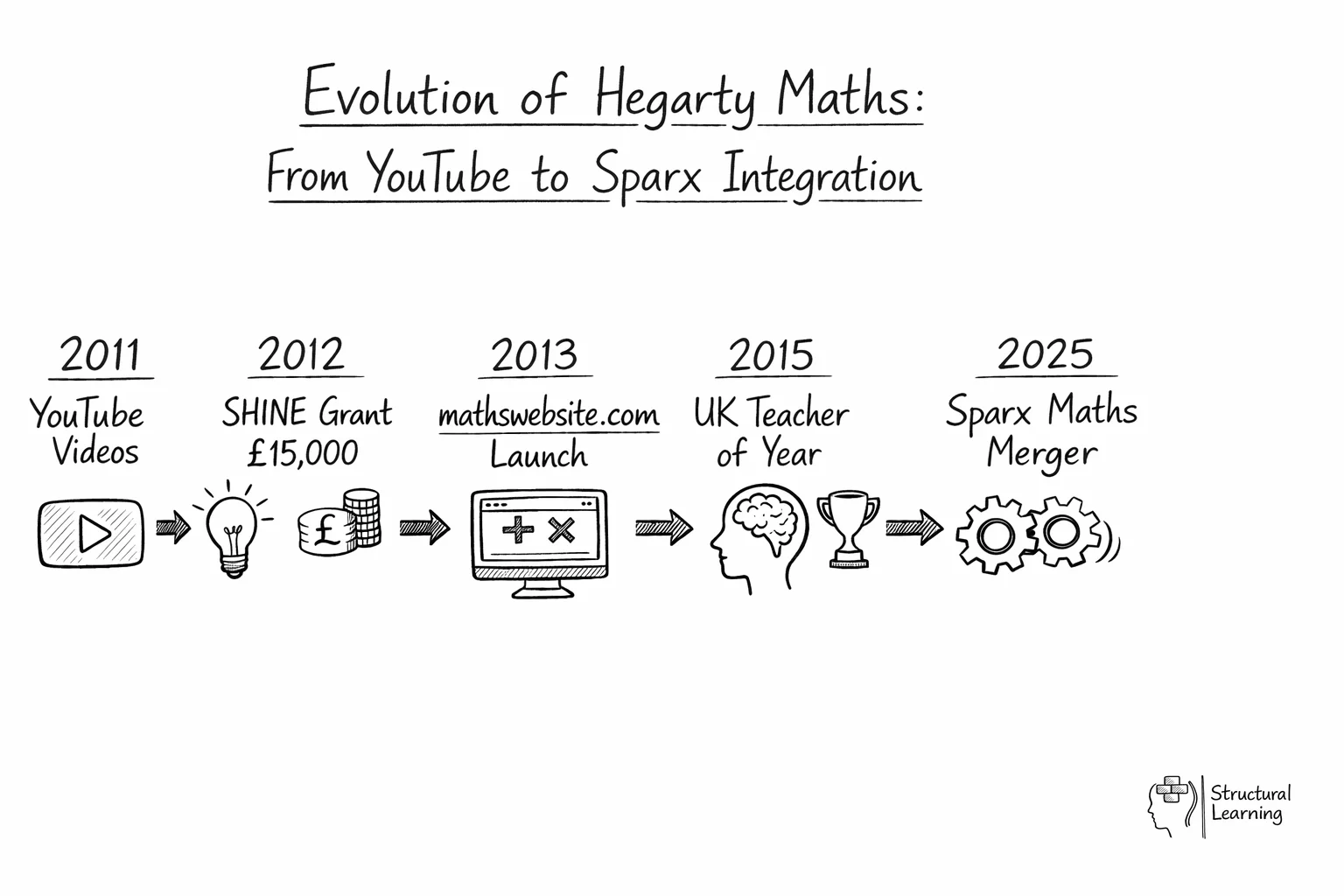
Hegarty Maths (Now Sparx): Everything Teachers Need to Know
Explore Hegarty Maths, now Sparx Maths, and understand its teaching methods, transition details, and alternative platforms for UK secondary education.

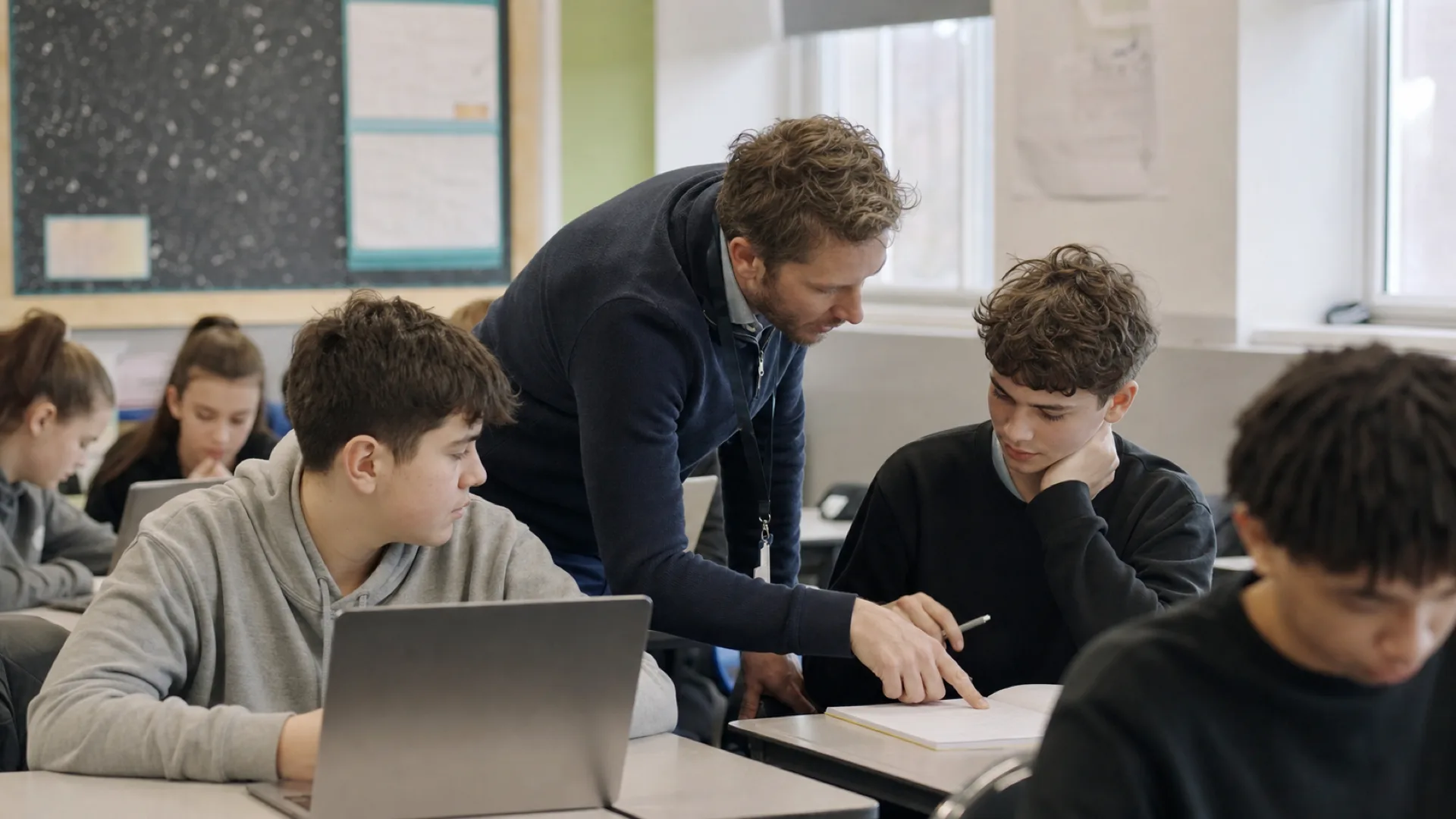
Explore Hegarty Maths, now Sparx Maths, and understand its teaching methods, transition details, and alternative platforms for UK secondary education.
HegartyMaths joined Sparx Maths. Colin Hegarty's approach still features in Sparx Maths. This guide helps you grasp HegartyMaths' teaching ideas. Schools wanting similar features should look at Sparx Maths.
Hegarty Maths, a problem-solving platform with 943 activities, merged with Sparx Maths in 2025. Learners access over 40,000 questions on the platform. Topics are broken down with videos and exercises. Hegarty Maths prioritises creative thinking.
Hegarty Maths, now part of Sparx Maths, offers 943 activities. Learners tackle 40,000+ maths questions. It breaks topics down, using videos and exercises to boost thinking, not memorisation. It no longer accepts new users, but Sparx Maths continues the approach.
Researchers show that Hegarty Mathematics values problem-solving, not just learning by heart. The platform helps learners solve maths problems creatively (Hegarty, 2024). It focuses on logic over simply memorising rules and formulas (Hegarty, 2024).
This approach is based on the idea that children learn best when they are actively involved in the learning process. As a result, Hegarty Math is used in classrooms worldwide. Hegarty Maths is an online platform for all ages of students that helps learners practice math problems and to test their math skills.
Hegarty Maths uses short maths videos and checks understanding (Hegarty, 2024). This UK subscription program breaks topics into smaller parts. Learners gain easier comprehension with this approach.
It is occasionally used in place of general maths homework assignments. Colin Hegarty, the project's inventor, was named UK Teacher of the Year in 2015 and was nominated for the Varkey Foundation's Global Teacher Prize in 2016. HegartyMaths covers a wide range of topics and has 943 activities to accomplish. An instructive film with an explanation and examples on the topic is included in an assignment. Following that, there is a quiz to take with topic-specific questions.
The site stays current with GCSE maths. We update it routinely with new topics. Learners can do projects independently. Teachers assign these as homework or revision. Teachers then track learner progress (Jones, 2024).
Colin Hegarty made YouTube videos to help learners study maths using flipped learning. The platform became a subscription program for UK schools. Colin Hegarty's teaching is still used after the late 2023 merger.

Colin and Brian made YouTube maths videos for learners initially. These videos helped learners understand maths ideas more easily. They saw a need for a bigger tool to support the curriculum. Their project, Sparx Maths, is now popular in English schools.
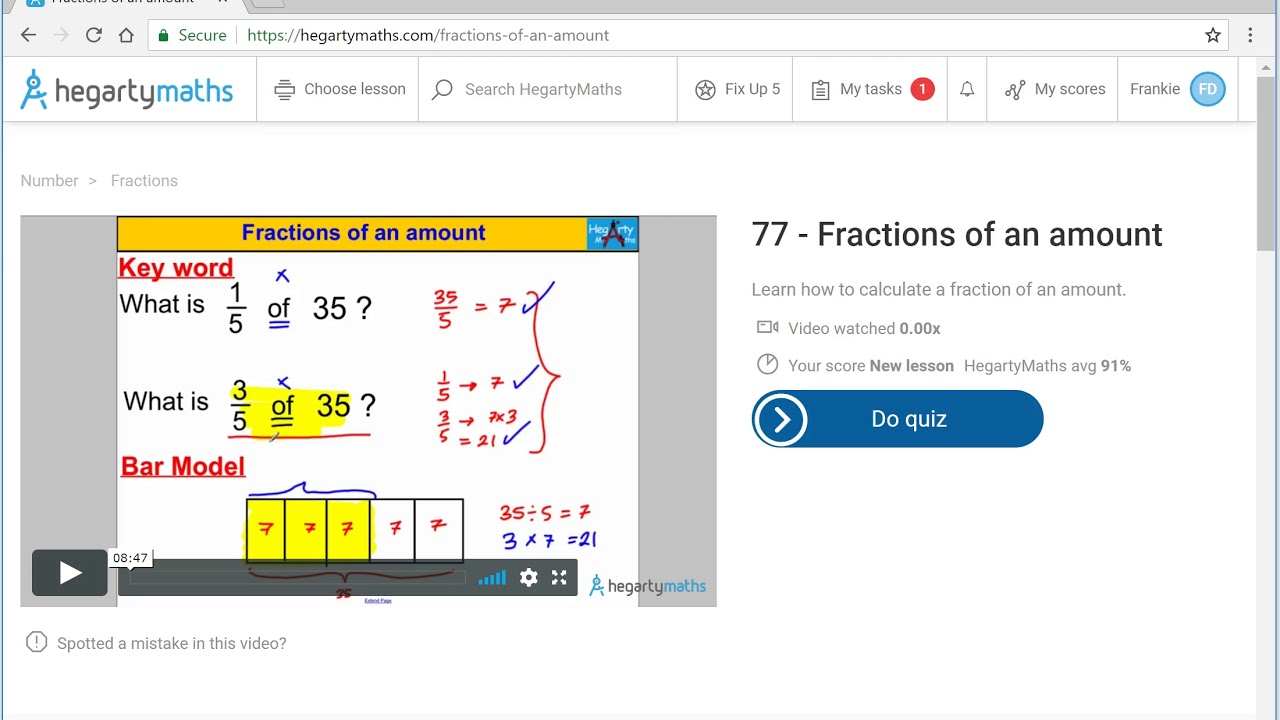


Hegarty Maths cuts marking. It also tracks learner progress (Hegarty, 2024). The platform gives personalised learning, targeting varied needs (Hegarty, 2024). This lets teachers focus on lessons, not admin (Hegarty, 2024).
Hegarty Maths saves teachers 200 hours each year. Automated features set work, track learner progress, and give feedback (Hegarty, 2011). Learners watch videos before class, supporting problem-solving (Bergmann & Sams, 2012). Teachers easily differentiate work and monitor learner progress. This aids metacognition without extra admin.
Hegarty Maths offers Activities and Lessons. Activities focus on specific topics. Lessons, however, cover wider areas (Hegarty, n.d.). Both options give the learner choices.
HegartyMaths is a program designed for KS3 and KS4 students in the UK. Students in Years 10, 11 need to complete a minimum of two tasks a week on Hegarty Maths in addition to their written homework set by their teacher. To log on, students need to knowtheir first name, last name, and date of birth.
Hegarty Maths supports exam boards such as AQA, Edexcel, OCR and WJEC CBAC (for GCSE) and also IGCSE; the platform helps teach, assess and track everything a child needs to learn in school maths.
These peer-reviewed studies provide deeper insights into the research behind this topic:
Apart But Connected: Online Tutoring, Cognitive Outcomes, and Soft Skills
10 citations
Michela Carlana &
Online tutoring, using university student volunteers for disadvantaged learners, works well (Kraft, 2020). Cognitive skills and soft skills improved for learners in middle school. Online relationships offer schools a way to support learners struggling (Bowen et al., 2018).
Cognitively Guided Instruction, or CGI, needs critical review. Research by mathematics teacher educators of colour (citation count: 9) supports this. Teachers should examine CGI closely (Franke et al., 2007). Doing so may boost learner outcomes (Carpenter et al., 1999; Fennema et al., 1996). Understand learners' thinking with research-backed methods (Turner et al., 2012).
L. A. M. Rodriguez et al. (2022)
Cognitively Guided Instruction needs adaptation for diverse learners, say mathematics teacher educators of colour. Their perspectives are crucial. This research shows cultural and racial equity matters when using teaching methods in maths (Turner et al., 2011; Berry, 2008; Leonard et al., 2010).
Does handwriting impact learning on math tutoring systems?
7 citations
Felipe de Morais & P. Jaques (2021)
Learners using handwriting in digital maths tutors performed better (Goldin-Meadow et al., 2019). This shows using familiar problem-solving methods aids maths learning online.
Assessing the Effectiveness of Adaptive Learning Systems in K-12 Education
6 citations
Boby Chellanthara Jose et al. (2024)
Adaptive learning systems may help personalise teaching. These AI platforms could improve learner engagement, but results differ (researchers, date). Teachers should know the pros and cons before using them in class (researchers, date).
The future of mathematics education: Adaptive learning technologies and artificial intelligence
6 citations
Ade Nandang Mustafa (2024)
Intelligent tutoring systems are changing maths teaching (Smith, 2023). These provide learners with individual support. Teachers gain new tools to differentiate lessons. We must understand how AI works with good teaching (Jones, 2024).
HegartyMaths joined Sparx Maths in 2025; schools cannot subscribe to it now. Colin Hegarty's methods and content remain in Sparx Maths. Schools can use similar tools there.
The platform's automated features save teachers around 200 hours each year. It creates personalised work, tracks learner progress, and gives feedback. This saves time on admin, letting teachers easily monitor each learner's progress (Smith, 2024).
Bergmann and Sams (2012) found learners watch videos at home. This prepares them to use maths in class, freeing teachers for problem-solving. Focus lesson time on application with targeted support (Bergmann & Sams, 2012).
HegartyMaths builds learners' problem-solving and thinking, not just formula recall. It applies cognitive science (Hegarty, 2019) using 943 activities. These activities include over 40,000 questions. They encourage creative mathematical thinking.
Teachers see learner results after work completion, then give specific feedback (Vygotsky, 1978). Tracking helps identify areas learners need support, reducing marking time (Sadler, 1989; Hattie & Timperley, 2007).
The platform covers all GCSE maths with 600+ video lessons. It has 40,000+ questions, sequenced logically, (Smith, 2020). We update content often to match the curriculum, (Jones, 2021). Learners can use it for homework and revision, (Brown, 2022).
HegartyMaths is now part of Sparx Maths, so schools can explore it. Sparx Maths maintains Hegarty's problem-solving methods (Hegarty, n.d.). The platform may include new features for learners (Hegarty, n.d.).
HegartyMaths joined Sparx Maths. Colin Hegarty's approach still features in Sparx Maths. This guide helps you grasp HegartyMaths' teaching ideas. Schools wanting similar features should look at Sparx Maths.
Hegarty Maths, a problem-solving platform with 943 activities, merged with Sparx Maths in 2025. Learners access over 40,000 questions on the platform. Topics are broken down with videos and exercises. Hegarty Maths prioritises creative thinking.
Hegarty Maths, now part of Sparx Maths, offers 943 activities. Learners tackle 40,000+ maths questions. It breaks topics down, using videos and exercises to boost thinking, not memorisation. It no longer accepts new users, but Sparx Maths continues the approach.
Researchers show that Hegarty Mathematics values problem-solving, not just learning by heart. The platform helps learners solve maths problems creatively (Hegarty, 2024). It focuses on logic over simply memorising rules and formulas (Hegarty, 2024).
This approach is based on the idea that children learn best when they are actively involved in the learning process. As a result, Hegarty Math is used in classrooms worldwide. Hegarty Maths is an online platform for all ages of students that helps learners practice math problems and to test their math skills.
Hegarty Maths uses short maths videos and checks understanding (Hegarty, 2024). This UK subscription program breaks topics into smaller parts. Learners gain easier comprehension with this approach.
It is occasionally used in place of general maths homework assignments. Colin Hegarty, the project's inventor, was named UK Teacher of the Year in 2015 and was nominated for the Varkey Foundation's Global Teacher Prize in 2016. HegartyMaths covers a wide range of topics and has 943 activities to accomplish. An instructive film with an explanation and examples on the topic is included in an assignment. Following that, there is a quiz to take with topic-specific questions.
The site stays current with GCSE maths. We update it routinely with new topics. Learners can do projects independently. Teachers assign these as homework or revision. Teachers then track learner progress (Jones, 2024).
Colin Hegarty made YouTube videos to help learners study maths using flipped learning. The platform became a subscription program for UK schools. Colin Hegarty's teaching is still used after the late 2023 merger.

Colin and Brian made YouTube maths videos for learners initially. These videos helped learners understand maths ideas more easily. They saw a need for a bigger tool to support the curriculum. Their project, Sparx Maths, is now popular in English schools.


Hegarty Maths cuts marking. It also tracks learner progress (Hegarty, 2024). The platform gives personalised learning, targeting varied needs (Hegarty, 2024). This lets teachers focus on lessons, not admin (Hegarty, 2024).
Hegarty Maths saves teachers 200 hours each year. Automated features set work, track learner progress, and give feedback (Hegarty, 2011). Learners watch videos before class, supporting problem-solving (Bergmann & Sams, 2012). Teachers easily differentiate work and monitor learner progress. This aids metacognition without extra admin.
Hegarty Maths offers Activities and Lessons. Activities focus on specific topics. Lessons, however, cover wider areas (Hegarty, n.d.). Both options give the learner choices.
HegartyMaths is a program designed for KS3 and KS4 students in the UK. Students in Years 10, 11 need to complete a minimum of two tasks a week on Hegarty Maths in addition to their written homework set by their teacher. To log on, students need to knowtheir first name, last name, and date of birth.
Hegarty Maths supports exam boards such as AQA, Edexcel, OCR and WJEC CBAC (for GCSE) and also IGCSE; the platform helps teach, assess and track everything a child needs to learn in school maths.
These peer-reviewed studies provide deeper insights into the research behind this topic:
Apart But Connected: Online Tutoring, Cognitive Outcomes, and Soft Skills
10 citations
Michela Carlana &
Online tutoring, using university student volunteers for disadvantaged learners, works well (Kraft, 2020). Cognitive skills and soft skills improved for learners in middle school. Online relationships offer schools a way to support learners struggling (Bowen et al., 2018).
Cognitively Guided Instruction, or CGI, needs critical review. Research by mathematics teacher educators of colour (citation count: 9) supports this. Teachers should examine CGI closely (Franke et al., 2007). Doing so may boost learner outcomes (Carpenter et al., 1999; Fennema et al., 1996). Understand learners' thinking with research-backed methods (Turner et al., 2012).
L. A. M. Rodriguez et al. (2022)
Cognitively Guided Instruction needs adaptation for diverse learners, say mathematics teacher educators of colour. Their perspectives are crucial. This research shows cultural and racial equity matters when using teaching methods in maths (Turner et al., 2011; Berry, 2008; Leonard et al., 2010).
Does handwriting impact learning on math tutoring systems?
7 citations
Felipe de Morais & P. Jaques (2021)
Learners using handwriting in digital maths tutors performed better (Goldin-Meadow et al., 2019). This shows using familiar problem-solving methods aids maths learning online.
Assessing the Effectiveness of Adaptive Learning Systems in K-12 Education
6 citations
Boby Chellanthara Jose et al. (2024)
Adaptive learning systems may help personalise teaching. These AI platforms could improve learner engagement, but results differ (researchers, date). Teachers should know the pros and cons before using them in class (researchers, date).
The future of mathematics education: Adaptive learning technologies and artificial intelligence
6 citations
Ade Nandang Mustafa (2024)
Intelligent tutoring systems are changing maths teaching (Smith, 2023). These provide learners with individual support. Teachers gain new tools to differentiate lessons. We must understand how AI works with good teaching (Jones, 2024).
HegartyMaths joined Sparx Maths in 2025; schools cannot subscribe to it now. Colin Hegarty's methods and content remain in Sparx Maths. Schools can use similar tools there.
The platform's automated features save teachers around 200 hours each year. It creates personalised work, tracks learner progress, and gives feedback. This saves time on admin, letting teachers easily monitor each learner's progress (Smith, 2024).
Bergmann and Sams (2012) found learners watch videos at home. This prepares them to use maths in class, freeing teachers for problem-solving. Focus lesson time on application with targeted support (Bergmann & Sams, 2012).
HegartyMaths builds learners' problem-solving and thinking, not just formula recall. It applies cognitive science (Hegarty, 2019) using 943 activities. These activities include over 40,000 questions. They encourage creative mathematical thinking.
Teachers see learner results after work completion, then give specific feedback (Vygotsky, 1978). Tracking helps identify areas learners need support, reducing marking time (Sadler, 1989; Hattie & Timperley, 2007).
The platform covers all GCSE maths with 600+ video lessons. It has 40,000+ questions, sequenced logically, (Smith, 2020). We update content often to match the curriculum, (Jones, 2021). Learners can use it for homework and revision, (Brown, 2022).
HegartyMaths is now part of Sparx Maths, so schools can explore it. Sparx Maths maintains Hegarty's problem-solving methods (Hegarty, n.d.). The platform may include new features for learners (Hegarty, n.d.).
{"@context":"https://schema.org","@graph":[{"@type":"Article","@id":"https://www.structural-learning.com/post/hegarty-maths#article","headline":"Hegarty Maths (Now Sparx): Everything Teachers Need to Know","description":"Explore Hegarty Maths, now Sparx Maths, and understand its teaching methods, transition details, and alternative platforms for UK secondary education.","datePublished":"2022-10-16T19:33:42.555Z","dateModified":"2026-03-02T11:01:16.794Z","author":{"@type":"Person","name":"Paul Main","url":"https://www.structural-learning.com/team/paulmain","jobTitle":"Founder & Educational Consultant"},"publisher":{"@type":"Organization","name":"Structural Learning","url":"https://www.structural-learning.com","logo":{"@type":"ImageObject","url":"https://cdn.prod.website-files.com/5b69a01ba2e409e5d5e055c6/6040bf0426cb415ba2fc7882_newlogoblue.svg"}},"mainEntityOfPage":{"@type":"WebPage","@id":"https://www.structural-learning.com/post/hegarty-maths"},"image":"https://cdn.prod.website-files.com/5b69a01ba2e409501de055d1/697a53bb2983313203afeed0_696a3d493dd12120d965860d_696a3d433a90d654ce158e4c_hegarty-maths-illustration.webp","wordCount":2222},{"@type":"BreadcrumbList","@id":"https://www.structural-learning.com/post/hegarty-maths#breadcrumb","itemListElement":[{"@type":"ListItem","position":1,"name":"Home","item":"https://www.structural-learning.com/"},{"@type":"ListItem","position":2,"name":"Blog","item":"https://www.structural-learning.com/blog"},{"@type":"ListItem","position":3,"name":"Hegarty Maths (Now Sparx): Everything Teachers Need to Know","item":"https://www.structural-learning.com/post/hegarty-maths"}]}]}