Neurodevelopmental Disorders
Explore neurodevelopmental disorders: their impact on learning, management strategies, and support resources for affected individuals.


Explore neurodevelopmental disorders: their impact on learning, management strategies, and support resources for affected individuals.
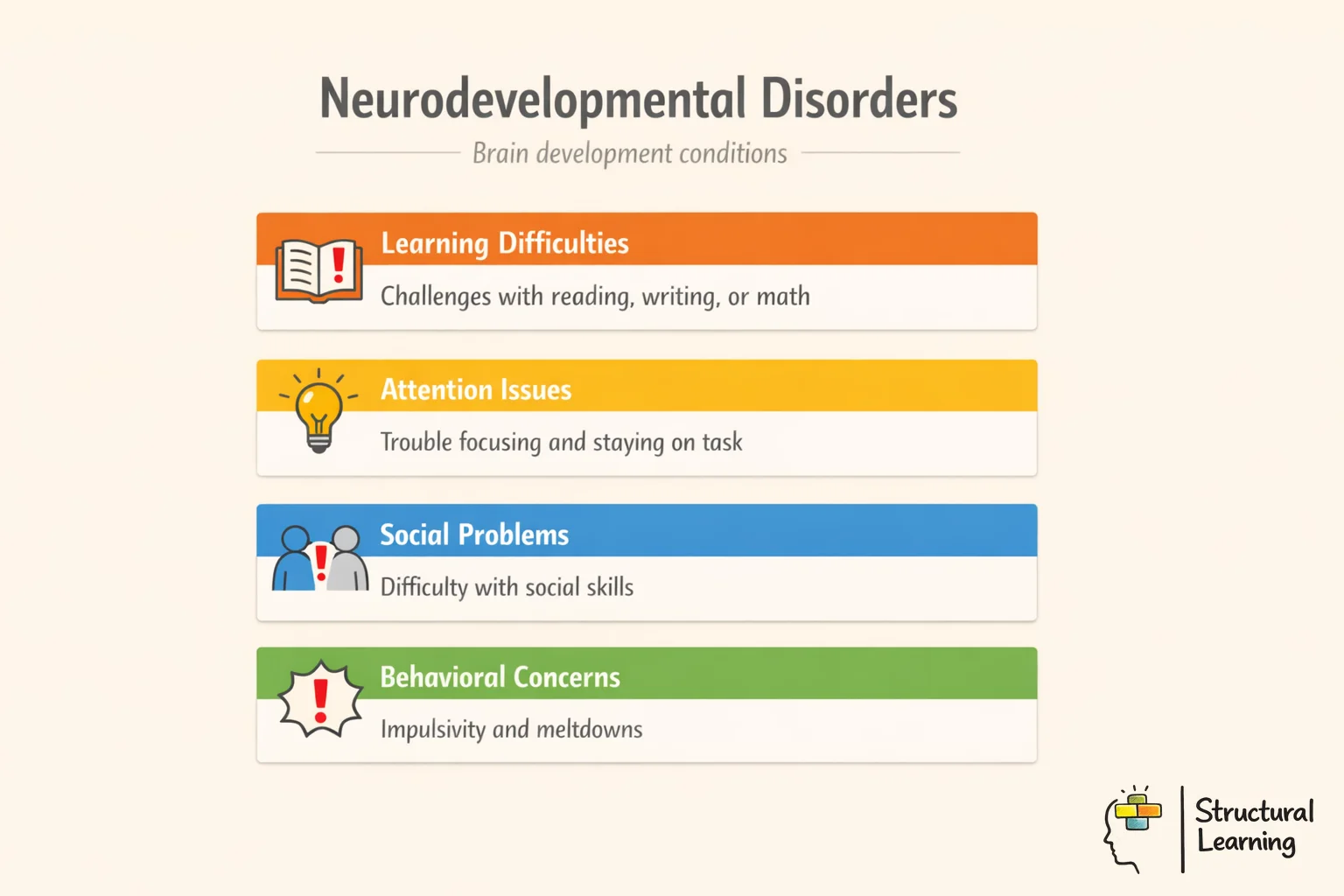
Neurodevelopmental disorders are conditions that affect brain function and development, impacting cognitive abilities, communication, behaviour, and motor skills. These disorders typically emerge during early childhood but can persist into adulthood or remain undiagnosed until later in life. Common examples include ADHD, autism spectrum disorder, intellectual disabilities, and communication disorders.

Neurodevelopmental disorders (NDDs) are conditions that disturb both brain function and the typical process of brain development. These disorders are complex and can profoundly impact cognitive abilities, communication, behaviour, and motor skills, all arising from deviations in the brain's formation and growth
These disorders often begin during the early stages of development, which means they are most commonly observed in toddlers, children, and adolescents. However, they can persist into adulthood or may remain undiagnosed until later in life.

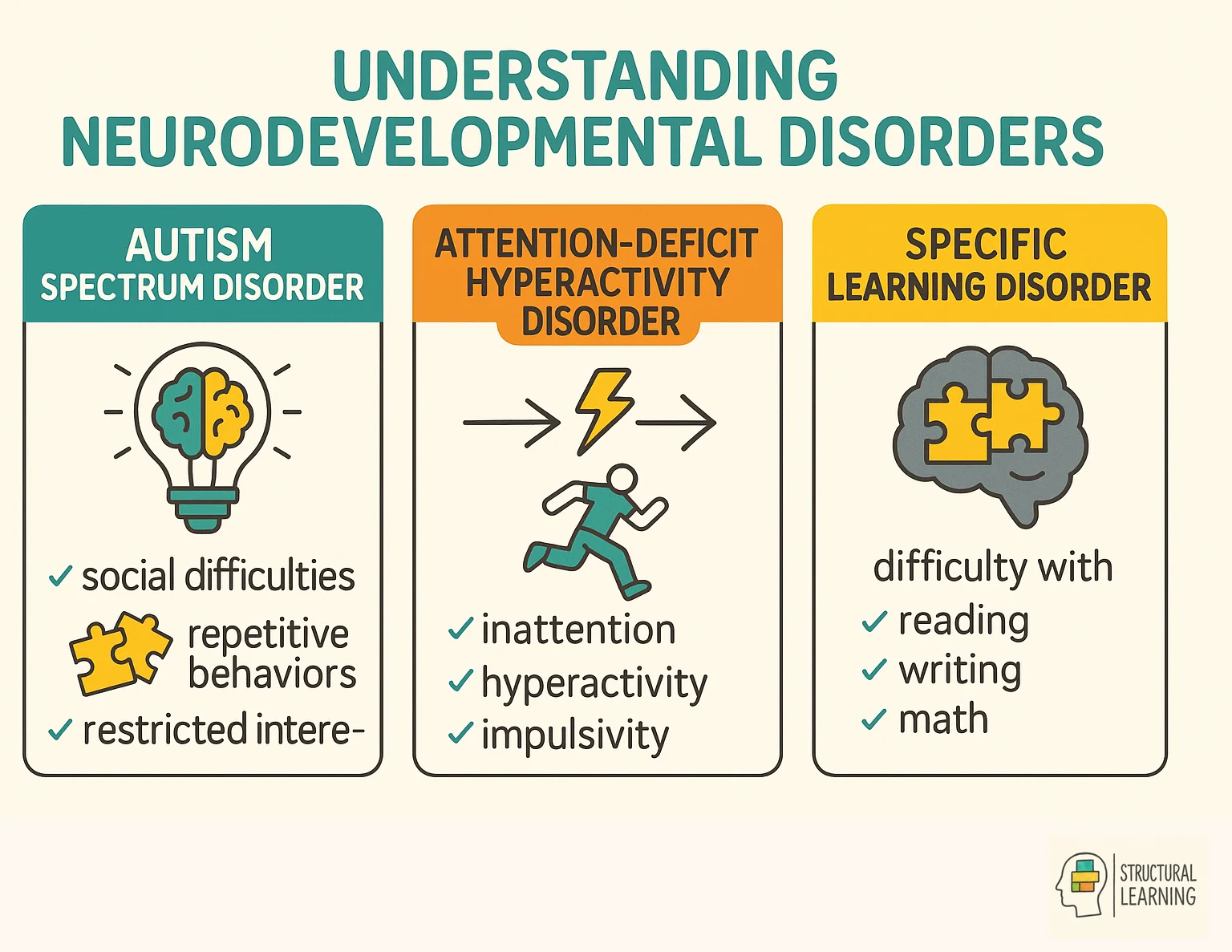
Many disorders fall under the category of neuro-development disorder, these disorders are intellectual disability, communication disorders, autism spectrum disorder (ASD), attention-deficit/hyperactivity disorder (ADHD), specific learning disorders, and motor disorders.
There are no available ways to diagnose neurodevelopment disorders through biological checks or to differentiate between their biological symptoms, as their symptoms may be overlapping.
Therefore, clinicians nowadays depend more on their clinic observation, behavioural assessments, and interviews with patients and their families. However, these ways still are not accurate for a clear diagnosis, as symptoms may be overlapping, leading to incorrect diagnosis or difficulty in differentiating between the disorder types.
Symptoms can overlap across different neurodevelopmental disorders, making differential diagnosis challenging. Because of these shared symptoms, it's hard to draw clear lines between the disorders and find the right treatment for each. Mental health disorders are unlike, other medical conditions, such as heart problems, which are diagnosed using physical signs, biomarkers, and clear biological factors.
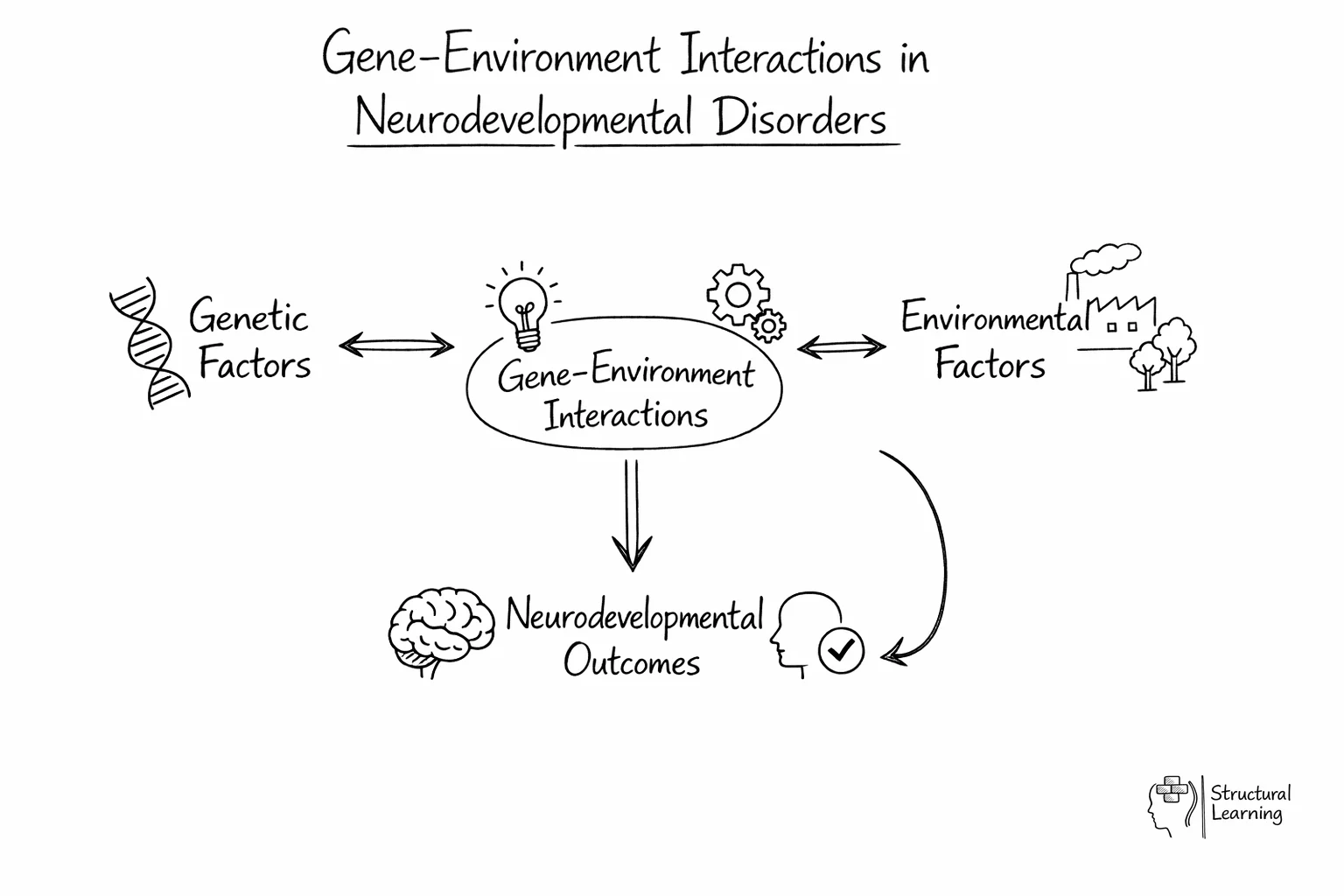
Neurodevelopmental disorders result from complex interactions between genetic factors and environmental influences during brain development. Genetic variations can create vulnerabilities, while environmental factors like prenatal conditions, early childhood experiences, and classroom environmentscan trigger or reduce symptoms. Understanding these gene-environment interactions helps educators identify which classroom factors might support or challenge students with these conditions.

Neurodevelopmental disorders are complex conditions that result from a combination of genetic and environmental factors. Understanding the interplay between these factors is crucial for gaining insights into the causes of these disorders. These conditions often affect attention, working memory, and executive function. Here's an overview of how genetic and environmental factors influence neurodevelopmental disorders:
Heritability: Many neurodevelopmental disorders have a genetic component. This means that they tend to run in families, and individuals with affected family members have a higher risk of developing the disorder.
Genetic Changes and Genes: Neurodevelopmental problems can be increased by specific genetic mutations or changes. For instance, in ASD, several genes have been identified as risk factors, such as those involved in synaptic function and neural connectivity.
Polygenic Inheritance: Many neurodevelopmental disorders are considered polygenic, meaning they involve multiple genes. Multiple genetic variations across the genome may contribute to the risk of developing the disorder. This complexity is why understanding neurodiversity in educational settings is so important.
Prenatal Factors: Events and exposures during pregnancy can significantly influence neurodevelopment. These include prenatal infections (e.g., rubella), maternal nutrition, maternal stress, exposure to toxins (e.g., alcohol, drugs, certain medications), and complications during pregnancy or birth.
Early Life Experiences: Early childhood experiences, including the quality of caregiving, attachment patterns, and exposure to trauma or neglect, can impact neurodevelopment. Early intervention and support can reduce the negative effects of adverse experiences. This highlights the importance of social-emotional learning in educational settings.
Toxic Exposures: Environmental toxins, such as air pollution, heavy metals, and chemicals, can affect brain development and contribute to neurodevelopmental disorders. Students with these conditions often require special educational support and may benefit from targeted interventions that include self-regulation strategies. Some students may also experience challenges with non-verbal learning, requiring additional consideration in educational planning.
These factors highlight the complex interplay between genes and environment in shaping brain development and influencing the risk of neurodevelopmental disorders. While genetic factors can predispose individuals to these conditions, environmental factors can either exacerbate or mitigate these risks.
Teachers play a crucial role in supporting students with neurodevelopmental disorders. By understanding the unique challenges these students face, educators can implement strategies to create a more inclusive and supportive learning environment. Here are some practical approaches:
Recognising Early Signs: Teachers are often the first to observe potential signs of neurodevelopmental disorders. Familiarise yourself with common indicators, such as difficulties with attention, communication, social interaction, or motor skills.
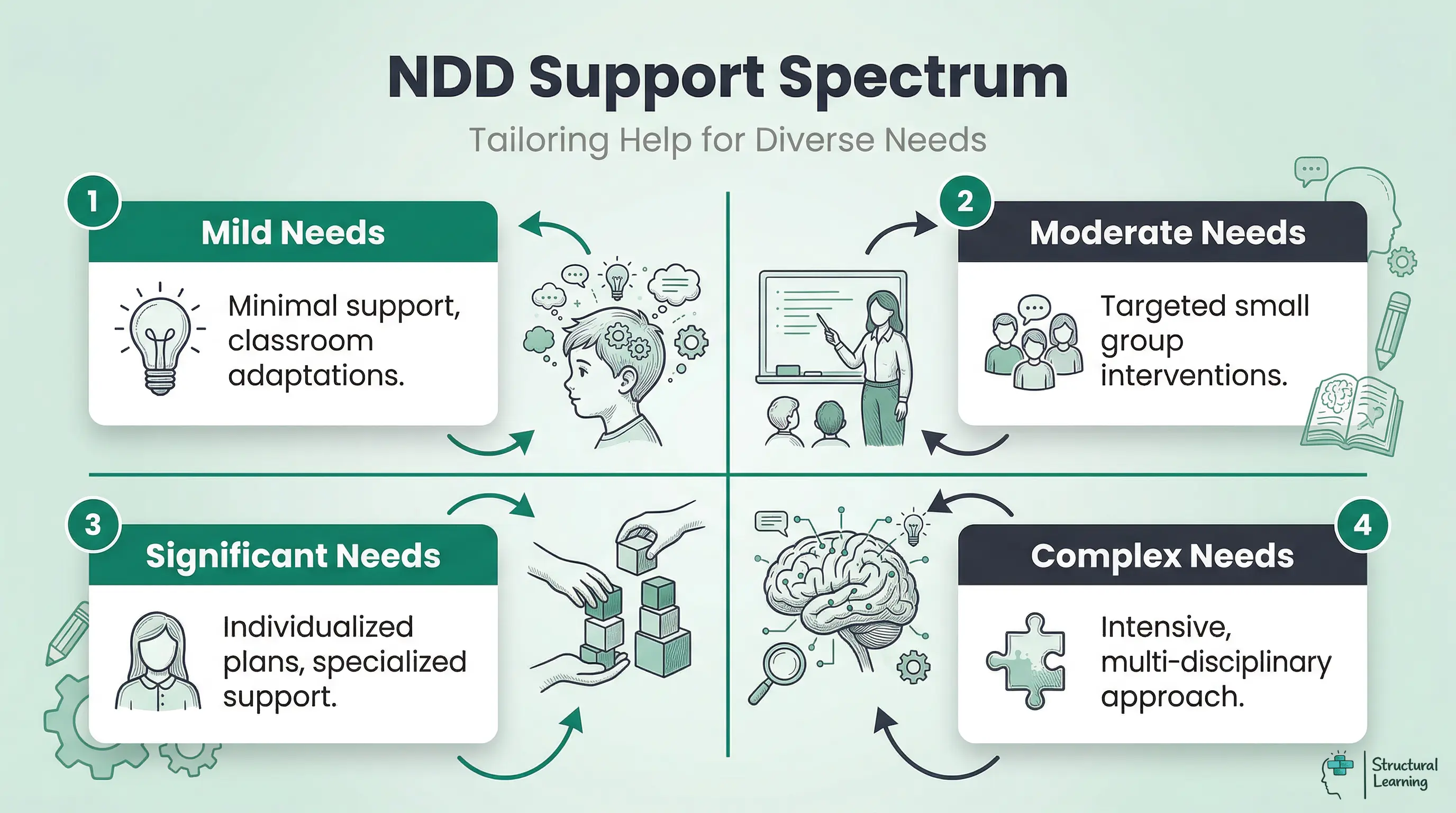
Collaboration with Specialists: Work closely with school psychologists, special education teachers, and other professionals to conduct thorough assessments and develop individualised education plans (IEPs).
Tailored Instruction: Adapt teaching methods to meet the specific needs of each student. This may involve breaking down tasks into smaller steps, providing visual aids, or offering alternative assessment options.
Classroom Accommodations: Implement accommodations such as preferential seating, extended time on assignments, and assistive technology to help students overcome learning barriers.
Positive Reinforcement: Use positive reinforcement strategies to encourage desired behaviours and promote self-esteem. Provide specific praise and rewards for effort and achievement.
Promoting Inclusion: creates a classroom culture that values diversity and celebrates individual differences. Encourage peer support and collaboration to promote social inclusion.
Managing Sensory Sensitivities: Be mindful of sensory sensitivities and create a classroom environment that minimises distractions. This may involve reducing noise levels, providing quiet spaces, or allowing students to use sensory tools.
Communication and Collaboration: Maintain open communication with parents and caregivers to share insights, address concerns, and collaborate on strategies to support the student's overall well-being.
By implementing these strategies, teachers can create a more inclusive and supportive learning environment for students with neurodevelopmental disorders, helping them to reach their full potential.
neurodevelopmental disorders are complex conditions influenced by a combination of genetic and environmental factors. Early identification, individualised support, and a supportive classroom environment are essential for helping students with these disorders thrive. Teachers, through their understanding and dedication, can make a significant difference in the lives of these students.
Ultimately, by recognising the unique strengths and challenges of each student, educators can tailor their approaches to promote academic success and overall well-being. Continued learning and collaboration with specialists will further helps teachers to provide effective support and create a more inclusive educational experience for all.
Teachers encounter several distinct neurodevelopmental disorders in their classrooms, each presenting unique challenges and requiring tailored approaches. Attention Deficit Hyperactivity Disorder (ADHD) manifests through persistent inattention, hyperactivity, and impulsivity. Students may struggle to maintain focus during lessons, frequently lose equipment, or find it difficult to remain seated. Autism Spectrum Disorders (ASD) present through differences in social communication, repetitive behaviours, and sensory sensitivities. These students might excel academically whilst struggling with group work or becoming overwhelmed by classroom noise and lighting.
Specific Learning Difficulties encompass conditions like dyslexia, dysgraphia, and dyscalculia, where students show significant gaps between their intellectual ability and academic achievement in particular areas. A Year 6 pupil might demonstrate sophisticated verbal reasoning whilst struggling to decode written text, or excel in mathematical concepts but find number formation extremely challenging. Intellectual disabilities involve limitations in both intellectual functioning and adaptive behaviour, requiring modifications to curriculum content and teaching methods rather than just presentation.
John Sweller's cognitive load theory demonstrates why students with these conditions benefit from breaking complex tasks into manageable components. Practical classroom strategies include providing visual schedules for students with autism, offering fidget tools for those with ADHD, using coloured overlays for dyslexic readers, and creating quiet spaces for sensory breaks. Understanding that a student's challenging behaviour often stems from neurological differences rather than defiance enables teachers to respond with appropriate support rather than sanctions. Regular collaboration with SENCOs, educational psychologists, and families ensures consistent approaches across all learning environments, maximising each student's potential for academic and social success.
Teachers are uniquely positioned to identify early indicators of neurodevelopmental differences through daily classroom observations. Key signs include persistent difficulties with attention regulation, social communication patterns that differ from peers, repetitive behaviours, or significant gaps between ability and academic performance. Baron-Cohen's research on autism spectrum conditions highlights how subtle social communication differences, such as limited eye contact during group discussions or difficulty understanding implied meanings, often emerge first in educational settings rather than clinical environments.
When monitoring developmental milestones, focus on patterns rather than isolated incidents. A Year 2 pupil consistently struggling with phonological processing despite targeted phonics intervention, or a Year 5 student showing excellent verbal reasoning but persistent handwriting difficulties, may indicate specific learning differences requiring further assessment. Document specific examples with dates and contexts, noting what strategies have been attempted and their effectiveness. This evidence becomes invaluable during referral processes.
Your school's Special Educational Needs Coordinator (SENCO) should be your first point of contact when concerns arise. They coordinate referrals to educational psychologists, speech and language therapists, or occupational therapists through local authority pathways. Early intervention significantly improves outcomes, as Vygotsky's zone of proximal development theory demonstrates the importance of appropriate support during critical learning periods. Remember, seeking support reflects professional diligence, not failure. Many successful interventions begin with a teacher's careful observations and timely action.
Effective classroom adaptations for neurodevelopmental disorders require systematic environmental modifications and evidence-based pedagogical approaches. Visual supports, including picture schedules and graphic organisers, significantly enhance comprehension and independence for pupils with autism spectrum conditions and ADHD. Structured workstations with clear boundaries, reduced visual distractions, and consistent layouts help minimise sensory overload whilst promoting focused attention. John Sweller's cognitive load theory demonstrates that breaking complex tasks into smaller, sequential steps prevents working memory overwhelm, particularly beneficial for pupils with developmental coordination disorder or specific learning difficulties.
Differentiation techniques must address diverse processing speeds and learning preferences. Multi-sensory instruction combining visual, auditory, and kinaesthetic elements supports pupils with dyslexia and dyspraxia. In practice, this involves providing written instructions alongside verbal explanations, incorporating movement breaks, and offering choice in response formats. Universal Design for Learning principles, as advocated by researchers like David Rose, emphasise multiple means of representation, engagement, and expression to accommodate neurological differences proactively rather than reactively.
Assistive technologies serve as powerful equalisation tools in contemporary classrooms. Text-to-speech software supports pupils with reading difficulties, whilst word prediction programmes assist those with written expression challenges. Many UK primary schools successfully implement colour-coded timetables, noise-cancelling headphones during independent work, and fidget tools to maintain engagement. Regular environmental audits, involving occupational therapists where possible, ensure adaptations remain effective. Collaboration with SENCOs and external professionals creates comprehensive support networks, whilst peer mentoring programmes creates inclusive classroom communities that benefit all learners, not exclusively those with identified neurodevelopmental differences.
Effective support for pupils with neurodevelopmental disorders requires smooth collaboration between teachers, families, and specialist professionals within the UK's multi-disciplinary framework. Teachers serve as crucial coordinators, observing daily behaviours and implementing strategies across the curriculum whilst maintaining regular communication with Educational Psychologists, Speech and Language Therapists (SLTs), and Occupational Therapists. Research by Bronfenbrenner's ecological systems theory emphasises how consistent approaches across home and school environments significantly improve outcomes for children with additional needs.
Successful partnerships begin with structured communication systems. Establish regular review meetings with parents to share observations, celebrate progress, and address concerns collaboratively. When working with SLTs, implement recommended communication strategies consistently throughout the school day, not just during therapy sessions. Educational Psychologists can provide valuable insights into cognitive profiles and suggest differentiated teaching approaches. Document everything using simple tracking sheets that all team members can access and contribute to.
In practice, a Year 3 teacher supporting a pupil with autism might coordinate daily visual schedules recommended by the Educational Psychologist, implement social communication targets from the SLT, and share sensory regulation observations with the Occupational Therapist. This unified approach ensures interventions are reinforced consistently, maximising their effectiveness whilst reducing confusion for both pupil and family.
For educators seeking to deepen their understanding of neurodevelopmental disorders, the following research articles provide valuable insights:
Consider Sarah, a Year 6 pupil with ADHD who struggles to maintain focus during lengthy lessons. Her teacher implements "movement breaks" every 15 minutes, allowing Sarah to distribute worksheets or clean the whiteboard. This strategy channels her energy positively whilst maintaining classroom engagement. Additionally, the teacher provides visual schedules and breaks complex tasks into smaller, manageable chunks with clear success criteria for each step.
For students with autism spectrum conditions, establishing predictable routines proves crucial. Teachers can create visual timetables showing daily activities, provide advance warning of any schedule changes, and designate quiet spaces where overwhelmed students can retreat when needed. Simple modifications like reducing fluorescent lighting or allowing fidget tools can significantly improve concentration and reduce anxiety.
Collaborative approaches yield the strongest outcomes. Regular communication with parents, educational psychologists, and support staff ensures consistency across environments. Teachers should document what strategies work effectively, sharing successful interventions with colleagues. Professional development opportunities focusing on neurodevelopmental conditions enhance understanding and expand teachers' toolkit of evidence-based interventions, ultimately benefiting all learners in the classroom.
Neurodevelopmental disorders are conditions that affect brain function and development, impacting cognitive abilities, communication, behaviour, and motor skills. These disorders typically emerge during early childhood but can persist into adulthood or remain undiagnosed until later in life. Common examples include ADHD, autism spectrum disorder, intellectual disabilities, and communication disorders.

Neurodevelopmental disorders (NDDs) are conditions that disturb both brain function and the typical process of brain development. These disorders are complex and can profoundly impact cognitive abilities, communication, behaviour, and motor skills, all arising from deviations in the brain's formation and growth
These disorders often begin during the early stages of development, which means they are most commonly observed in toddlers, children, and adolescents. However, they can persist into adulthood or may remain undiagnosed until later in life.

Many disorders fall under the category of neuro-development disorder, these disorders are intellectual disability, communication disorders, autism spectrum disorder (ASD), attention-deficit/hyperactivity disorder (ADHD), specific learning disorders, and motor disorders.
There are no available ways to diagnose neurodevelopment disorders through biological checks or to differentiate between their biological symptoms, as their symptoms may be overlapping.
Therefore, clinicians nowadays depend more on their clinic observation, behavioural assessments, and interviews with patients and their families. However, these ways still are not accurate for a clear diagnosis, as symptoms may be overlapping, leading to incorrect diagnosis or difficulty in differentiating between the disorder types.
Symptoms can overlap across different neurodevelopmental disorders, making differential diagnosis challenging. Because of these shared symptoms, it's hard to draw clear lines between the disorders and find the right treatment for each. Mental health disorders are unlike, other medical conditions, such as heart problems, which are diagnosed using physical signs, biomarkers, and clear biological factors.
Neurodevelopmental disorders result from complex interactions between genetic factors and environmental influences during brain development. Genetic variations can create vulnerabilities, while environmental factors like prenatal conditions, early childhood experiences, and classroom environmentscan trigger or reduce symptoms. Understanding these gene-environment interactions helps educators identify which classroom factors might support or challenge students with these conditions.

Neurodevelopmental disorders are complex conditions that result from a combination of genetic and environmental factors. Understanding the interplay between these factors is crucial for gaining insights into the causes of these disorders. These conditions often affect attention, working memory, and executive function. Here's an overview of how genetic and environmental factors influence neurodevelopmental disorders:
Heritability: Many neurodevelopmental disorders have a genetic component. This means that they tend to run in families, and individuals with affected family members have a higher risk of developing the disorder.
Genetic Changes and Genes: Neurodevelopmental problems can be increased by specific genetic mutations or changes. For instance, in ASD, several genes have been identified as risk factors, such as those involved in synaptic function and neural connectivity.
Polygenic Inheritance: Many neurodevelopmental disorders are considered polygenic, meaning they involve multiple genes. Multiple genetic variations across the genome may contribute to the risk of developing the disorder. This complexity is why understanding neurodiversity in educational settings is so important.
Prenatal Factors: Events and exposures during pregnancy can significantly influence neurodevelopment. These include prenatal infections (e.g., rubella), maternal nutrition, maternal stress, exposure to toxins (e.g., alcohol, drugs, certain medications), and complications during pregnancy or birth.
Early Life Experiences: Early childhood experiences, including the quality of caregiving, attachment patterns, and exposure to trauma or neglect, can impact neurodevelopment. Early intervention and support can reduce the negative effects of adverse experiences. This highlights the importance of social-emotional learning in educational settings.
Toxic Exposures: Environmental toxins, such as air pollution, heavy metals, and chemicals, can affect brain development and contribute to neurodevelopmental disorders. Students with these conditions often require special educational support and may benefit from targeted interventions that include self-regulation strategies. Some students may also experience challenges with non-verbal learning, requiring additional consideration in educational planning.
These factors highlight the complex interplay between genes and environment in shaping brain development and influencing the risk of neurodevelopmental disorders. While genetic factors can predispose individuals to these conditions, environmental factors can either exacerbate or mitigate these risks.
Teachers play a crucial role in supporting students with neurodevelopmental disorders. By understanding the unique challenges these students face, educators can implement strategies to create a more inclusive and supportive learning environment. Here are some practical approaches:
Recognising Early Signs: Teachers are often the first to observe potential signs of neurodevelopmental disorders. Familiarise yourself with common indicators, such as difficulties with attention, communication, social interaction, or motor skills.
Collaboration with Specialists: Work closely with school psychologists, special education teachers, and other professionals to conduct thorough assessments and develop individualised education plans (IEPs).
Tailored Instruction: Adapt teaching methods to meet the specific needs of each student. This may involve breaking down tasks into smaller steps, providing visual aids, or offering alternative assessment options.
Classroom Accommodations: Implement accommodations such as preferential seating, extended time on assignments, and assistive technology to help students overcome learning barriers.
Positive Reinforcement: Use positive reinforcement strategies to encourage desired behaviours and promote self-esteem. Provide specific praise and rewards for effort and achievement.
Promoting Inclusion: creates a classroom culture that values diversity and celebrates individual differences. Encourage peer support and collaboration to promote social inclusion.
Managing Sensory Sensitivities: Be mindful of sensory sensitivities and create a classroom environment that minimises distractions. This may involve reducing noise levels, providing quiet spaces, or allowing students to use sensory tools.
Communication and Collaboration: Maintain open communication with parents and caregivers to share insights, address concerns, and collaborate on strategies to support the student's overall well-being.
By implementing these strategies, teachers can create a more inclusive and supportive learning environment for students with neurodevelopmental disorders, helping them to reach their full potential.
neurodevelopmental disorders are complex conditions influenced by a combination of genetic and environmental factors. Early identification, individualised support, and a supportive classroom environment are essential for helping students with these disorders thrive. Teachers, through their understanding and dedication, can make a significant difference in the lives of these students.
Ultimately, by recognising the unique strengths and challenges of each student, educators can tailor their approaches to promote academic success and overall well-being. Continued learning and collaboration with specialists will further helps teachers to provide effective support and create a more inclusive educational experience for all.
Teachers encounter several distinct neurodevelopmental disorders in their classrooms, each presenting unique challenges and requiring tailored approaches. Attention Deficit Hyperactivity Disorder (ADHD) manifests through persistent inattention, hyperactivity, and impulsivity. Students may struggle to maintain focus during lessons, frequently lose equipment, or find it difficult to remain seated. Autism Spectrum Disorders (ASD) present through differences in social communication, repetitive behaviours, and sensory sensitivities. These students might excel academically whilst struggling with group work or becoming overwhelmed by classroom noise and lighting.
Specific Learning Difficulties encompass conditions like dyslexia, dysgraphia, and dyscalculia, where students show significant gaps between their intellectual ability and academic achievement in particular areas. A Year 6 pupil might demonstrate sophisticated verbal reasoning whilst struggling to decode written text, or excel in mathematical concepts but find number formation extremely challenging. Intellectual disabilities involve limitations in both intellectual functioning and adaptive behaviour, requiring modifications to curriculum content and teaching methods rather than just presentation.
John Sweller's cognitive load theory demonstrates why students with these conditions benefit from breaking complex tasks into manageable components. Practical classroom strategies include providing visual schedules for students with autism, offering fidget tools for those with ADHD, using coloured overlays for dyslexic readers, and creating quiet spaces for sensory breaks. Understanding that a student's challenging behaviour often stems from neurological differences rather than defiance enables teachers to respond with appropriate support rather than sanctions. Regular collaboration with SENCOs, educational psychologists, and families ensures consistent approaches across all learning environments, maximising each student's potential for academic and social success.
Teachers are uniquely positioned to identify early indicators of neurodevelopmental differences through daily classroom observations. Key signs include persistent difficulties with attention regulation, social communication patterns that differ from peers, repetitive behaviours, or significant gaps between ability and academic performance. Baron-Cohen's research on autism spectrum conditions highlights how subtle social communication differences, such as limited eye contact during group discussions or difficulty understanding implied meanings, often emerge first in educational settings rather than clinical environments.
When monitoring developmental milestones, focus on patterns rather than isolated incidents. A Year 2 pupil consistently struggling with phonological processing despite targeted phonics intervention, or a Year 5 student showing excellent verbal reasoning but persistent handwriting difficulties, may indicate specific learning differences requiring further assessment. Document specific examples with dates and contexts, noting what strategies have been attempted and their effectiveness. This evidence becomes invaluable during referral processes.
Your school's Special Educational Needs Coordinator (SENCO) should be your first point of contact when concerns arise. They coordinate referrals to educational psychologists, speech and language therapists, or occupational therapists through local authority pathways. Early intervention significantly improves outcomes, as Vygotsky's zone of proximal development theory demonstrates the importance of appropriate support during critical learning periods. Remember, seeking support reflects professional diligence, not failure. Many successful interventions begin with a teacher's careful observations and timely action.
Effective classroom adaptations for neurodevelopmental disorders require systematic environmental modifications and evidence-based pedagogical approaches. Visual supports, including picture schedules and graphic organisers, significantly enhance comprehension and independence for pupils with autism spectrum conditions and ADHD. Structured workstations with clear boundaries, reduced visual distractions, and consistent layouts help minimise sensory overload whilst promoting focused attention. John Sweller's cognitive load theory demonstrates that breaking complex tasks into smaller, sequential steps prevents working memory overwhelm, particularly beneficial for pupils with developmental coordination disorder or specific learning difficulties.
Differentiation techniques must address diverse processing speeds and learning preferences. Multi-sensory instruction combining visual, auditory, and kinaesthetic elements supports pupils with dyslexia and dyspraxia. In practice, this involves providing written instructions alongside verbal explanations, incorporating movement breaks, and offering choice in response formats. Universal Design for Learning principles, as advocated by researchers like David Rose, emphasise multiple means of representation, engagement, and expression to accommodate neurological differences proactively rather than reactively.
Assistive technologies serve as powerful equalisation tools in contemporary classrooms. Text-to-speech software supports pupils with reading difficulties, whilst word prediction programmes assist those with written expression challenges. Many UK primary schools successfully implement colour-coded timetables, noise-cancelling headphones during independent work, and fidget tools to maintain engagement. Regular environmental audits, involving occupational therapists where possible, ensure adaptations remain effective. Collaboration with SENCOs and external professionals creates comprehensive support networks, whilst peer mentoring programmes creates inclusive classroom communities that benefit all learners, not exclusively those with identified neurodevelopmental differences.
Effective support for pupils with neurodevelopmental disorders requires smooth collaboration between teachers, families, and specialist professionals within the UK's multi-disciplinary framework. Teachers serve as crucial coordinators, observing daily behaviours and implementing strategies across the curriculum whilst maintaining regular communication with Educational Psychologists, Speech and Language Therapists (SLTs), and Occupational Therapists. Research by Bronfenbrenner's ecological systems theory emphasises how consistent approaches across home and school environments significantly improve outcomes for children with additional needs.
Successful partnerships begin with structured communication systems. Establish regular review meetings with parents to share observations, celebrate progress, and address concerns collaboratively. When working with SLTs, implement recommended communication strategies consistently throughout the school day, not just during therapy sessions. Educational Psychologists can provide valuable insights into cognitive profiles and suggest differentiated teaching approaches. Document everything using simple tracking sheets that all team members can access and contribute to.
In practice, a Year 3 teacher supporting a pupil with autism might coordinate daily visual schedules recommended by the Educational Psychologist, implement social communication targets from the SLT, and share sensory regulation observations with the Occupational Therapist. This unified approach ensures interventions are reinforced consistently, maximising their effectiveness whilst reducing confusion for both pupil and family.
For educators seeking to deepen their understanding of neurodevelopmental disorders, the following research articles provide valuable insights:
Consider Sarah, a Year 6 pupil with ADHD who struggles to maintain focus during lengthy lessons. Her teacher implements "movement breaks" every 15 minutes, allowing Sarah to distribute worksheets or clean the whiteboard. This strategy channels her energy positively whilst maintaining classroom engagement. Additionally, the teacher provides visual schedules and breaks complex tasks into smaller, manageable chunks with clear success criteria for each step.
For students with autism spectrum conditions, establishing predictable routines proves crucial. Teachers can create visual timetables showing daily activities, provide advance warning of any schedule changes, and designate quiet spaces where overwhelmed students can retreat when needed. Simple modifications like reducing fluorescent lighting or allowing fidget tools can significantly improve concentration and reduce anxiety.
Collaborative approaches yield the strongest outcomes. Regular communication with parents, educational psychologists, and support staff ensures consistency across environments. Teachers should document what strategies work effectively, sharing successful interventions with colleagues. Professional development opportunities focusing on neurodevelopmental conditions enhance understanding and expand teachers' toolkit of evidence-based interventions, ultimately benefiting all learners in the classroom.
{"@context":"https://schema.org","@graph":[{"@type":"Article","@id":"https://www.structural-learning.com/post/neurodevelopmental-disorders#article","headline":"Neurodevelopmental Disorders","description":"Explore neurodevelopmental disorders: their impact on learning, management strategies, and support resources for affected individuals.","datePublished":"2023-11-02T19:25:34.207Z","dateModified":"2026-01-26T10:09:32.212Z","author":{"@type":"Person","name":"Paul Main","url":"https://www.structural-learning.com/team/paulmain","jobTitle":"Founder & Educational Consultant"},"publisher":{"@type":"Organization","name":"Structural Learning","url":"https://www.structural-learning.com","logo":{"@type":"ImageObject","url":"https://cdn.prod.website-files.com/5b69a01ba2e409e5d5e055c6/6040bf0426cb415ba2fc7882_newlogoblue.svg"}},"mainEntityOfPage":{"@type":"WebPage","@id":"https://www.structural-learning.com/post/neurodevelopmental-disorders"},"image":"https://cdn.prod.website-files.com/5b69a01ba2e409501de055d1/69513d5d77ec402eef18d399_52bbii.webp","wordCount":4424},{"@type":"BreadcrumbList","@id":"https://www.structural-learning.com/post/neurodevelopmental-disorders#breadcrumb","itemListElement":[{"@type":"ListItem","position":1,"name":"Home","item":"https://www.structural-learning.com/"},{"@type":"ListItem","position":2,"name":"Blog","item":"https://www.structural-learning.com/blog"},{"@type":"ListItem","position":3,"name":"Neurodevelopmental Disorders","item":"https://www.structural-learning.com/post/neurodevelopmental-disorders"}]},{"@type":"FAQPage","@id":"https://www.structural-learning.com/post/neurodevelopmental-disorders#faq","mainEntity":[{"@type":"Question","name":"What are neurodevelopmental disorders and how do they affect children in the classroom?","acceptedAnswer":{"@type":"Answer","text":"Neurodevelopmental disorders are conditions that affect brain function and development, impacting cognitive abilities, communication, behaviour, and motor skills. These disorders typically emerge during early childhood and can profoundly affect how students learn, interact socially, and manage their"}},{"@type":"Question","name":"Why is it so difficult to get an accurate diagnosis for neurodevelopmental disorders?","acceptedAnswer":{"@type":"Answer","text":"There are no biological tests available to diagnose neurodevelopmental disorders, so clinicians must rely on behavioural observations and interviews with families. Many disorders share overlapping symptoms, making it challenging to distinguish between conditions - for example, ADHD symptoms can over"}},{"@type":"Question","name":"How do genetic and environmental factors work together to cause neurodevelopmental disorders?","acceptedAnswer":{"@type":"Answer","text":"Neurodevelopmental disorders result from complex interactions between genetic vulnerabilities and environmental influences during brain development. Genetic variations can create susceptibilities, whilst environmental factors like prenatal conditions, early childhood experiences, and even classroom "}},{"@type":"Question","name":"What classroom factors can teachers modify to support students with neurodevelopmental disorders?","acceptedAnswer":{"@type":"Answer","text":"Teachers can influence environmental factors that may trigger or ease neurodevelopmental challenges by understanding gene-environment interactions. The classroom environment matters significantly, as early life experiences and supportive settings can reduce the negative effects of adverse experience"}},{"@type":"Question","name":"Why might two students with the same neurodevelopmental disorder diagnosis need completely different support strategies?","acceptedAnswer":{"@type":"Answer","text":"Each neurodevelopmental disorder exists on a spectrum, meaning students with the same diagnosis can present very different symptoms and abilities. This spectrum approach explains why recognising individual variations within each disorder is crucial for differentiating support effectively. Teachers n"}}]}]}