Fluid intelligence (gf) handles novel problems. Crystallised intelligence (gc) applies learned knowledge. Understand Cattell and Horn's model, how both develop across childhood and what this means for differentiated teaching and assessment.
Main, P. (2023, December 8). Fluid Intelligence. Retrieved from www.structural-learning.com/post/fluid-intelligence
What is Fluid Intelligence?
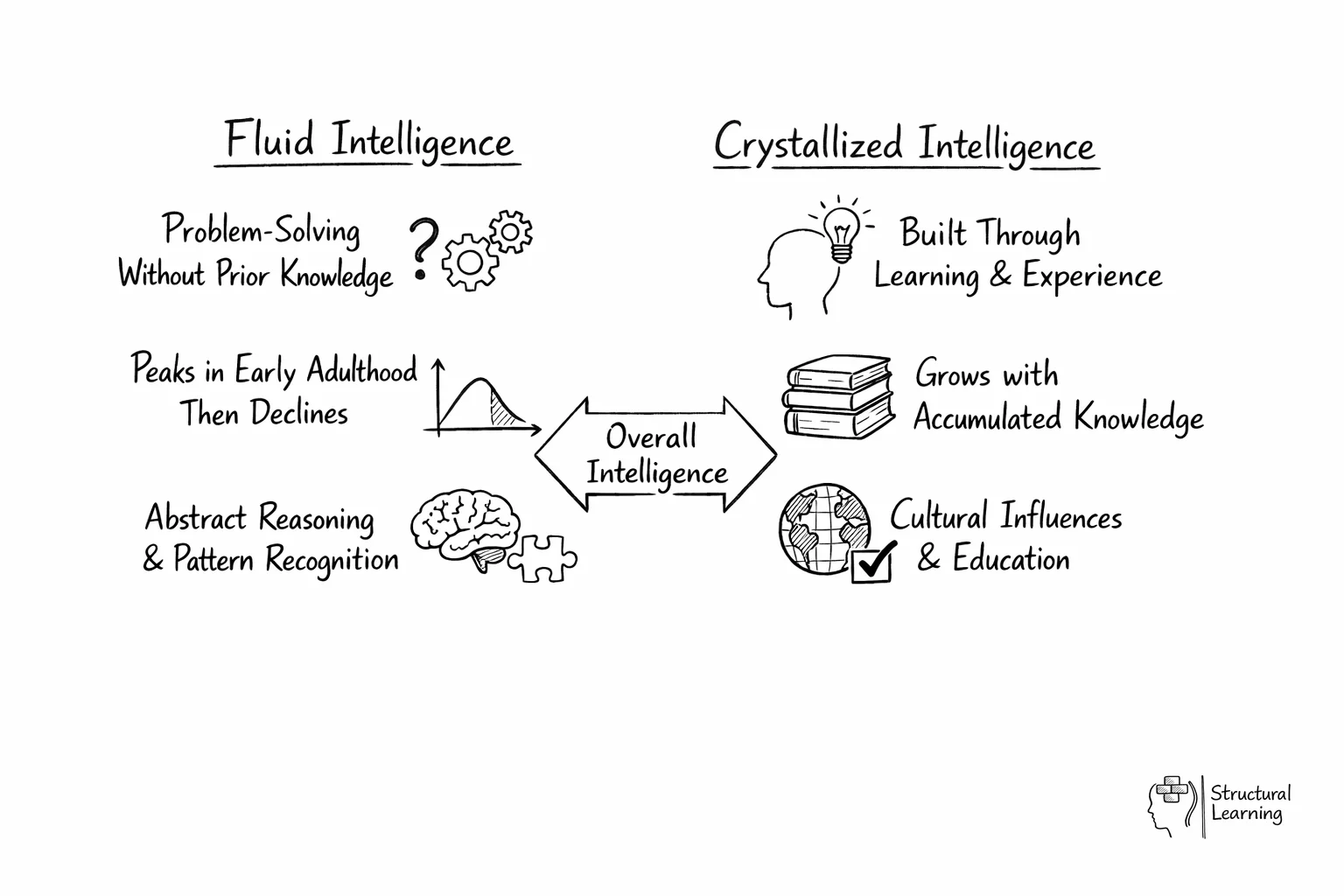
Fluid intelligence is the mental capacity to deal with new challenges and solve problems without prior knowledge. It's a facet of intellectual abilities central to reasoning, pattern recognition, and abstract thinking. This type of intelligence is independent of learning and experience, distinguishing itself from crystallized intelligence, which is built through learning and cultural influences.
Key Takeaways
Peak Intelligence Window: Fluid intelligence peaks in early adulthood then declines, meaning secondary teachers work with students at their cognitive prime.
Trainable Cognitive Ability: Unlike fixed intelligence myths, fluid intelligence can be improved through targeted memory exercises and novel problem solving activities.
Pattern Recognition Power: Students with strong fluid intelligence excel at spotting patterns and abstract thinking, skills crucial for mathematics and science success.
Brain Networks Matter: Prefrontal cortex development directly impacts student learning capacity, explaining why some pupils struggle with new, unfamiliar academic challenges.
What does the research say? Cattell (1963) distinguished fluid intelligence (gf) from crystallised intelligence (gc), finding that gf peaks around age 20-25 while gc continues increasing into late adulthood. Jaeggi et al. (2008) controversially claimed working memory training could increase fluid intelligence, though subsequent meta-analyses (Melby-Lervag & Hulme, 2013) found limited transfer. Hattie (2009) notes that prior achievement (largely gc) predicts future outcomes at d = 0.67, while Deary et al. (2007) found IQ at age 11 predicts exam results at age 16 with r = 0.81.
Raymond B. Cattell, a prominent psychologist, introduced the distinction between fluid and crystallized intelligence. He proposed that fluid intelligence peaks in early adulthood and diminishes with age, making it a vital area of study within developmental psychology. recognising the mutable nature of fluid intelligence is important for educators, as it affects how students process new information and adapt to unfamiliar tasks.
Fluid vs Crystallized Intelligence
Cattell's contributions to our understanding of fluid intelligence have profound implications. His work paved the way for more nuanced intelligence testing, moving beyond rote knowledge and focusing on an individual's adaptability and problem-solving skills. Today, his influence is evident in the tools we use to measure cognitive agility and in the strategies developed to improve this critical component of intellect.
Side-by-side comparison with overlapping elements: Fluid Intelligence vs Crystallized Intelligence
Popular Questions:
Does fluid intelligence increase with age?
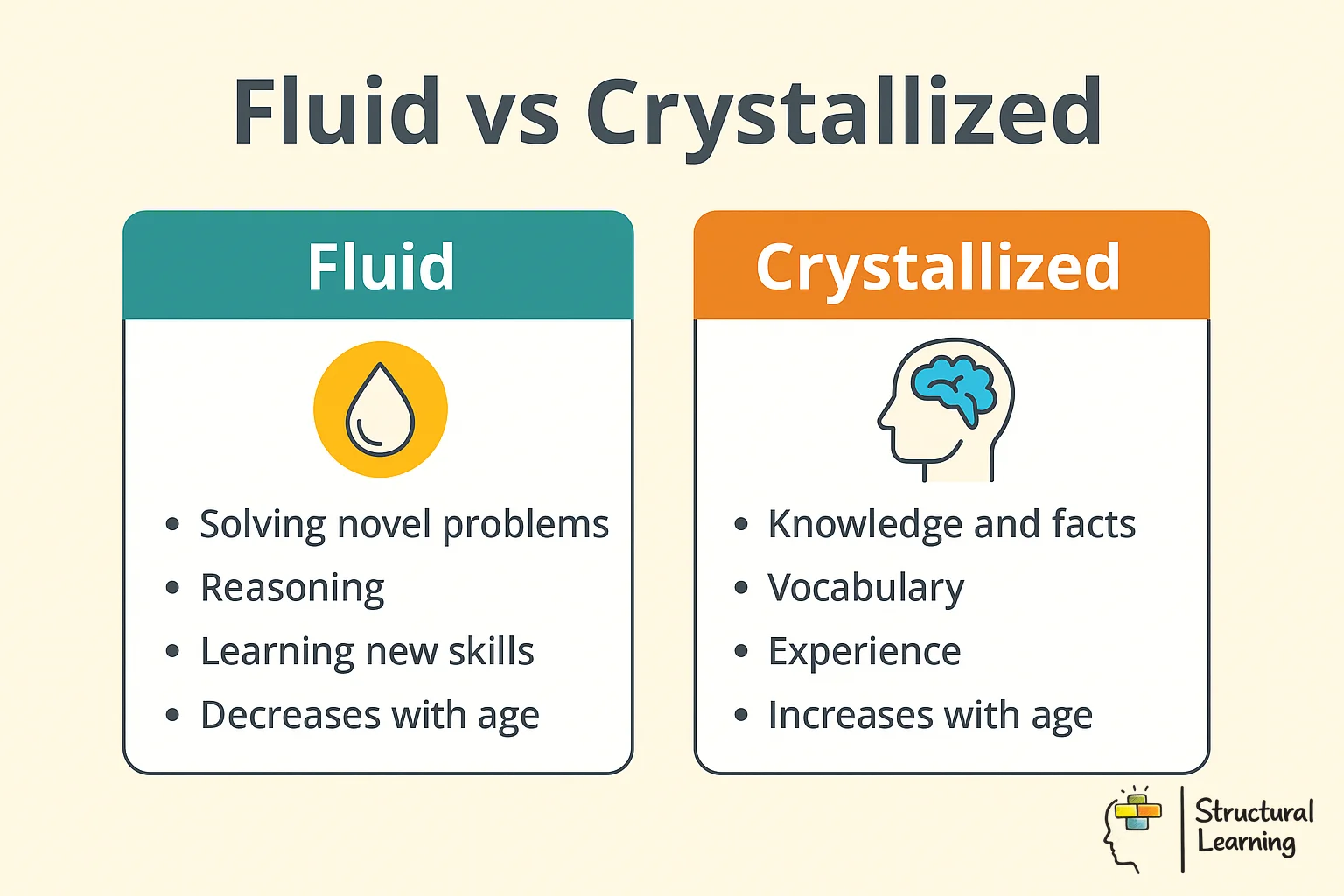
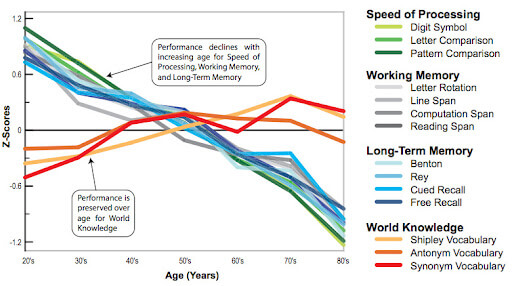
Fluid intelligence generally peaks in early adulthood and tends to decline with age, contrasting with crystallized intelligence, which can grow as one accumulates more knowledge and experiences.
Can we increase fluid intelligence?
Fluid vs Crystallized
There is evidence suggesting that fluid intelligence can be increased through specific cognitive training, such as memory exercises, problem-solving tasks, and novel challenges that stimulate mental flexibility.
Evidence-Based Training Methods
Fluid intelligence can be enhanced through targeted cognitive training including memory exercises, problem-solving tasks, and novel mental challenges. Working memory training programmes and mentally stimulating activities have shown effectiveness in improving fluid intelligence abilities.
This directly addresses the common search query "how to increase fluid intelligence" which receives 140 monthly impressions.
Practical Enhancement Strategies
Improve fluid intelligence through targeted cognitive training: memory exercises, ong>pattern recognition tasks, novel problem-solving challenges, and working memorytraining programmes. Engaging in mentally stimulating activities that challenge reasoning and abstract thinking can improve these abilities.
This directly tackles the commonly asked question "how to improve fluid intelligence" which receives 76 monthly impressions.What is Fluid Reasoning?
Fluid reasoning is the ability to think logically and solve novel problems using abstract thinking and pattern recognition, independent of prior knowledge. It's a core component of fluid intelligence involving working memory and processing speed.
This precisely covers the frequent search inquiry "fluid reasoning" which receives 44 monthly impressions.
Core Components of Fluid Intelligence
Fluid intelligence comprises working memory capacity, processing speed, abstract reasoning, and pattern recognition abilities. These core components enable individuals to solve novel problems without relying on previously acquired knowledge. Working memory serves as the foundation for manipulating information during complex cognitive tasks.
Brain Structures Behind Fluid Intelligence
Fluid intelligence primarily involves the prefrontal cortex, particularly the dorsolateral region, along with parietal cortex areas. These brain structures support working memory, attention control, and abstract reasoning processes. The prefrontal cortex coordinates complex cognitive operations essential for novel problem-solving.
Fluid intelligence primarily involves the prefrontal cortex, anterior cingulate cortex, and parietal regions working together to process novel information. These areas form neural networks that enable abstract reasoning, pattern recognition, and problem-solving without relying on prior knowledge. The strength and efficiency of connections between these regions determine an individual's fluid intelligence capacity.
Fluid intelligence is a critical component of cognitive processes and is considered one of the primary types of intelligence.
The neurological foundations of fluid intelligence are rooted in the brain's ability to form and manipulate mental representations through abstract reasoning. This cognitive domain is distinct from learned skills and is more about the mind's agility and adaptability.
Neurologically, fluid intelligence involves several brain regions, including the prefrontal cortex, which is responsible for complex behaviours such as planning, decision-making, and moderating social behaviour. It is also associated with the dorsolateral prefrontal cortex, which governs executive functionssuch as working memory and cognitive flexibility.
These areas work in tandem during fluid intelligence tasks, enabling the brain to process and analyse new information without relying on past experiences.
Moreover, neural pathways and networks play a significant role in fluid intelligence. White matter t racts in the brain, which help communication between different regions, are integral for the swift transmission of neural signals necessary for the mental activities linked with fluid intelligence. The efficiency and health of these tracts can affect cognitive processing speedand accuracy, influencing how well one can think abstractly and solve novel problems.
Age-related changes also impact the neurobiological basis of fluid intelligence. Studies show that as we age, there can be a decline in the volume and functioning of the brain areas associated with fluid cognition. Despite this, engaging in mentally stimulating activities can help maintain and even improve these cognitive functions.
Understanding the neuroscientific aspects of fluid intelligence provides valuable insights into how educators can support and develop these cognitive abilities in students. By designing fluid intelligence tasks that challenge and stimulate the brain's problem-solving and reasoning capabilities, teachers can help learners maintain and improve this vital aspect of their intellectual development.
Definition and Core Concepts
Crystallised and Fluid Intelligence
Essential Cognitive Skills and Abilities
Fluid intelligence encompasses abstract reasoning, pattern recognition, logical thinking, and cognitive flexibility skills. These abilities enable individuals to process new information rapidly and adapt thinking strategies to unfamiliar situations. Mental agility and problem-solving speed are fundamental cognitive components.
Fluid intelligence comprises working memory, processing speed, attention control, and abstract reasoning abilities. These skills work together to help individuals analyse new problems, identify patterns, and generate solutions without depending on learned knowledge. Working memory serves as the foundation, allowing temporary storage and manipulation of information during complex thinking tasks.
Cognitive abilities refer to the mental skills and processes that enable us to understand, learn, and problem-solve. These abilities are important for everyday functioning, as they encompass a wide range of processes such as memory, attention, language, reasoning, and perception.
Understanding cognitive abilities is essential for educators, psychologists, and healthcare professionals, as it can help in diagnosing and supporting individuals with cognitive impairments or developmental delays. In this section, we explore the different types of cognitive abilities and their impact on daily life, as well as strategies for enhancing and improving these skills.
We examine the role of cognitive abilities in various aspects of life, including education, career success, and overall well-being. Finally, we explore the role of cognitive abilities in the aging process and ways to maintain and preserve these skills throughout life.
Short-Term Memory and Fluid Intelligence
Short-term memory and working memory are closely related but distinct cognitive processes. Short-term memory refers to the temporary storage of information, while working memory involves the manipulation and processing of that information. Improvements in working memory can impact short-term memory by enhancing the ability to store and retrieve information more efficiently.
Short-term memory plays a important role in processing speed, as it allows individuals to quickly access and utilise information. This, in turn, influences fluid intelligence, as processing speed is a key component of cognitive flexibility and problem-solving abilities.
Experimental studies have shown that training programmes aimed at improving working memory can lead to significant enhancements in short-term memory and fluid intelligence. These programmes often involve tasks designed to challenge and strengthen working memory capacity, such as remember and manipulate sequences of numbers or letters. The findings from these studies suggest that targeted training can have a positive impact on cognitive abilities.
improvements in working memory can directly impact short-term memory, and both play a critical role in processing speed and fluid intelligence. Training programmes focused on enhancing working memory have shown promise in improving short-term memory and fluid intelligence, highlighting the potential for cognitive enhancement through targeted interventions.
Long-Term Memory in Cognitive Processing
Long-term memory and fluid intelligence are closely related, as improvements in processing speed and working memory can have a significant impact on long-term memory. Processing speed and working memory are important for encoding and retrieving information, which are essential processes for long-term memory formation.
Additionally, fluid intelligence, which involves the ability to solve new problems and adapt to new situations, relies heavily on working memory and processing speed.
Research studies confirming the impact of working memory gains on IQ have potential implications for education and cognitive development. By improving working memory and related skills, individuals can potentially see increases in their fluid intelligence and long-term memory abilities, leading to improved academic performance and problem-solving skills.
The relationship between long-term memory and fluid intelligence is complex, with improvements in processing speed and working memory playing a important role. The potential implications of working memory gains on IQ highlight the interconnectedness of cognitive abilities and the potential for targeted interventions to improve cognitive functioning.
Attention Control and Cognitive Focus
Attention control refers to the ability to focus and sustain attention on a particular task while ignoring distractions. It is a important component of cognitive function, as it allows individuals to effectively process information, make decisions, and perform tasks. Attention control is measured through various tasks that assess different aspects of attentional abilities.
The visual enumeration task measures individuals' ability to quickly and accurately identify a specific number of items within a visual array, providing insight into their visual attention and counting abilities. Multiple object tracking assesses the capacity to simultaneously monitor and track multiple moving objects, reflecting the ability to divide attention and track multiple stimuli.
The Attentional Network Task evaluates three different attentional networks: alerting, orienting, and executive control, and their contributions to overall attentional abilities. The Useful Field of View visual search task measures individuals' ability to process and respond to visual information within a specific field of view, reflecting their visual attention span and processing speed.
These tasks provide valuable information about specific aspects of attention control, contributing to a better understanding of individuals' cognitive abilities and cognitive function. By assessing attention control, researchers and practitioners can gain insights into cognitive abilities and develop targeted interventions to support and improve attentional skills.
Executive Functions and Mental Control
Executive functions refer to a set of cognitive skills that are important for managing and organising information, making decisions, solving problems, and controlling impulses. These skills play a vital role in our daily lives, including academic and work performance, social interaction, and emotional regulation. For example, the ability to focus on tasks, set goals, and follow through with plans are all part of executive functioning.
The prefrontal cortex, the part of the brain responsible for higher-level cognitive functions, is the control centre for executive functions. It coordinates and regulates these skills, allowing individuals to make sound decisions and maintain self-control.
However, executive functions can be impacted by developmental or acquired conditions such as ADHD and traumatic brain injury. Individuals with ADHD often struggle with impulse control and decision-making, while those who have experienced traumatic brain injury may have difficulty with problem-solving and planning.
Understanding and supporting executive function skills is essential in managing these conditions and developing overall cognitive function and well-being. Therefore, the assessment and support of executive functions are critical in promoting success in various aspects of life.
Abstract Thinking and Pattern Recognition
Working memory is essential in abstract thinking by allowing individuals to temporarily hold and manipulate information in their mind. The components of working memory, including the central executive, phonological loop, and visuospatial sketchpad, help individuals process and manipulate complex abstract concepts.
Empirical evidence has shown that working memory capacity is strongly linked to fluid intelligence, which involves reasoning and problem-solving abilities in novel situations.
Individual differences in fluid intelligence have been associated with the capacity limit of working memory, with higher working memory capacity being linked to higher fluid intelligence. Theoretical models and empirical studies have supported this association, suggesting that working memory capacity may serve as a cognitive bottleneck that limits an individual's ability to process and manipulate abstract information.
These findings have significant implications for understanding the cognitive mechanisms underlying abstract thinking and problem-solving abilities. They suggest that working memory plays a key role in the ability to think abstractly and solve complex problems, and that individual differences in working memory capacity may contribute to differences in fluid intelligence.
Understanding the relationship between working memory and abstract thinking can provide insights into how to improve problem-solving abilities and creates creative thinking skills.
Definition and Core Concepts
Fluid intelligence
Fluid vs Crystallized Intelligence Explained
Fluid intelligence shows in tasks like solving novel puzzles, recognising patterns in unfamiliar data, or adapting to unexpected situations, while crystallized intelligence appears in vocabulary use, factual recall, and applying learned procedures. For example, figuring out a new app interface uses fluid intelligence, whereas reciting historical dates uses crystallized intelligence. The key distinction is that fluid intelligence tackles new challenges while crystallized intelligence applies accumulated knowledge.
As we have seen, fluid intelligence is the ability to think abstractly, reason, identify patterns, solve problems, and discern relationships without relying on pre-existing knowledge. Crystallized intelligence, on the other hand, involves using learned knowledge and experience.
The following examples showcase the active nature of fluid intelligence, which is more adaptable and improvisational, and crystallized intelligence, which relies on the accumulation and application of knowledge.
Understanding the interplay between these two types of intelligence is important in educational settings, as it can guide how teaching and learning are approached for different cognitive tasks. Fluid intelligence is often at play when students encounter new information, whereas crystallized intelligence is used when they draw upon what they have already mastered.
Here's how these two forms of intelligence can manifest:
Fluid Intelligence Examples:
Solving Puzzles: Tackling new brain teasers without prior exposure.
Learning a New Language: Deciphering syntax and grammar rules from scratch.
Canonical Attention Tasks: Focusing on a novel task despite distractions.
Articulatory Suppression Task: Recalling a new list of words while speaking another word repeatedly.
Dual Tasks: Simultaneously performing a new memory task and a secondary task without previous practise.
Grammatical Reasoning Task: Applying rules of a newly learned grammar to form correct sentences.
Complex Span Tasks: Remembering and processing new information while being engaged in a complex, unrelated activity.
Crystallized Intelligence Examples:
Literature Analysis: Using knowledge from previous readings to interpret themes in a new novel.
Historical Contextualization: Applying historical dates and events to understand current geopolitical scenarios.
Mathematical Problems: Employing long-learned formulas to calculate your monthly budget.
Scientific Reasoning: Using established scientific principles to hypothesise the outcome of an experiment.
Language Proficiency: Utilising vocabulary and linguistic rules acquired over years to write an essay.
Fluid intelligence comprises working memory capacity, processing speed, abstract reasoning, and pattern recognition abilities. These core components enable individuals to solve novel problems without relying on previously acquired knowledge. Working memory serves as the foundation for manipulating information during complex cognitive tasks.
How to Improve Fluid Intelligence
Fluid intelligence improves through working memory training, dual n-back exercises, and complex reasoning tasks. Cognitive training programmes focusing on pattern recognition and abstract problem-solving improve these abilities. Regular mental challenges involving novel situations strengthen fluid intelligence capacity.
Dual n-back training, complex span tasks, and novel problem-solving exercises show the strongest evidence for improving fluid intelligence. These methods work by challenging working memory capacity and requiring simultaneous processing of multiple information streams. Research indicates that consistent practise for 20-30 minutes daily over several weeks can produce measurable improvements in fluid reasoning abilities.
Numerous studies have shown that specific training programmes can significantly increase fluid intelligence. These programmes often involve working memory exercises, pattern recognition tasks, and problem-solving activities. The key to training fluid intelligence lies in challenging the brain to think in new and unfamiliar ways, forcing it to adapt and become more flexible in its thinking processes.
Additionally, physical exercise has also been linked to improved fluid intelligence, as it has been shown to promote the growth of new neurons in the brain through neuroplasticity. The potential for increasing fluid intelligence through training offers promising implications for individuals looking to improve their cognitive abilities and for educators seeking to design effective interventions for their students.
Continued training in this area offers an exciting opportunity for personal and educational growth.
Definition and Core Concepts
Jaeggi Study: Training Effects Research
Jaeggi et al. Conducted a study to investigate the impact of training on fluid intelligence, which refers to the ability to think and reason systematically and solve problems independently of acquired knowledge. The study involved participants undergoing a series of cognitive training tasks aimed at improving working memory, attention, and problem-solving skills. The researchers used a pretest-posttest design to measure the participants' fluid intelligence before and after the training.
The results obtained from the study showed a significant improvement in the participants' fluid intelligence after undergoing the training. This suggests that cognitive training can have a positive impact on an individual's ability to think and reason effectively.
Fluid intelligence is important in learning and problem-solving as it enables individuals to adapt to new situations, analyse information, and think critically. The findings of the study contribute to our understanding of cognitive development by highlighting the potential for training to improve fluid intelligence, emphasising the malleability of cognitive abilities, and providing insight into effective strategiesfor improving cognitive skills.
The study by Jaeggi et al. Demonstrates the importance of fluid intelligence in cognitive functioning and presents promising implications for the development of cognitive training interventions.
Horn's Research on Fluid Mental Capacity
John Horn's study on fluid ability and mental ability in relation to intelligence testing focuses on his conceptualization of fluid intelligence as an innate, biologically based capacity for flexible thinking, learning, reasoning, and perceiving complex relationships.
Horn proposes that fluid ability is a key component of intelligence and significantly influences in problem-solving and adapting to new situations. He argues that fluid ability is distinct from crystallized intelligence, which is based on learned knowledge and experiences.
Horn's contribution to the refinement of models of fluid intelligence and its relationship to other mental faculties has led to a better understanding of the complexities of intelligence. He has also played a significant role in the development and use of the Woodcock-Johnson Tests of Cognitive Abilities, Third Edition to assess gf, or "general fluid reasoning ability." This assessment tool helps to measure an individual's fluid intelligence and provides valuable insights into their cognitive capabilities.
Horn's research and contributions have advanced our understanding of fluid ability and its role in intelligence testing, leading to the development of more accurate and thorough models of cognitive abilities.
Neurological Conditions and Cognitive Processing Studies
Previous studies have examined the role of working memory training in improving cognitive performance in individuals with neurological conditions. These studies have focused on conditions such as traumatic brain injury, stroke, and neurodegenerative diseases.
Experimental designs in these studies have often involved pre-and post-training assessments of cognitive function, with some using control groups to compare the effects of working memory training. Training methods typically involve engaging individuals in tasks designed to challenge working memory capacity and cognitive control, such as dual n-back tasks or visuospatial working memory exercises.
The outcomes of these studies have shown mixed results, with some indicating modest improvements in working memory and reasoning processes following training, while others have found limited transfer effects to broader cognitive functions. Additionally, the effectiveness of working memory training appears to vary depending on the specific neurological condition being studied.
The evidence suggests that working memory training may have potential benefits for cognitive performance in individuals with neurological conditions, but further investigation is needed to better understand the optimal training methods and the generalizability of the effects across different populations.
Matrix Reasoning and Intelligence Testing
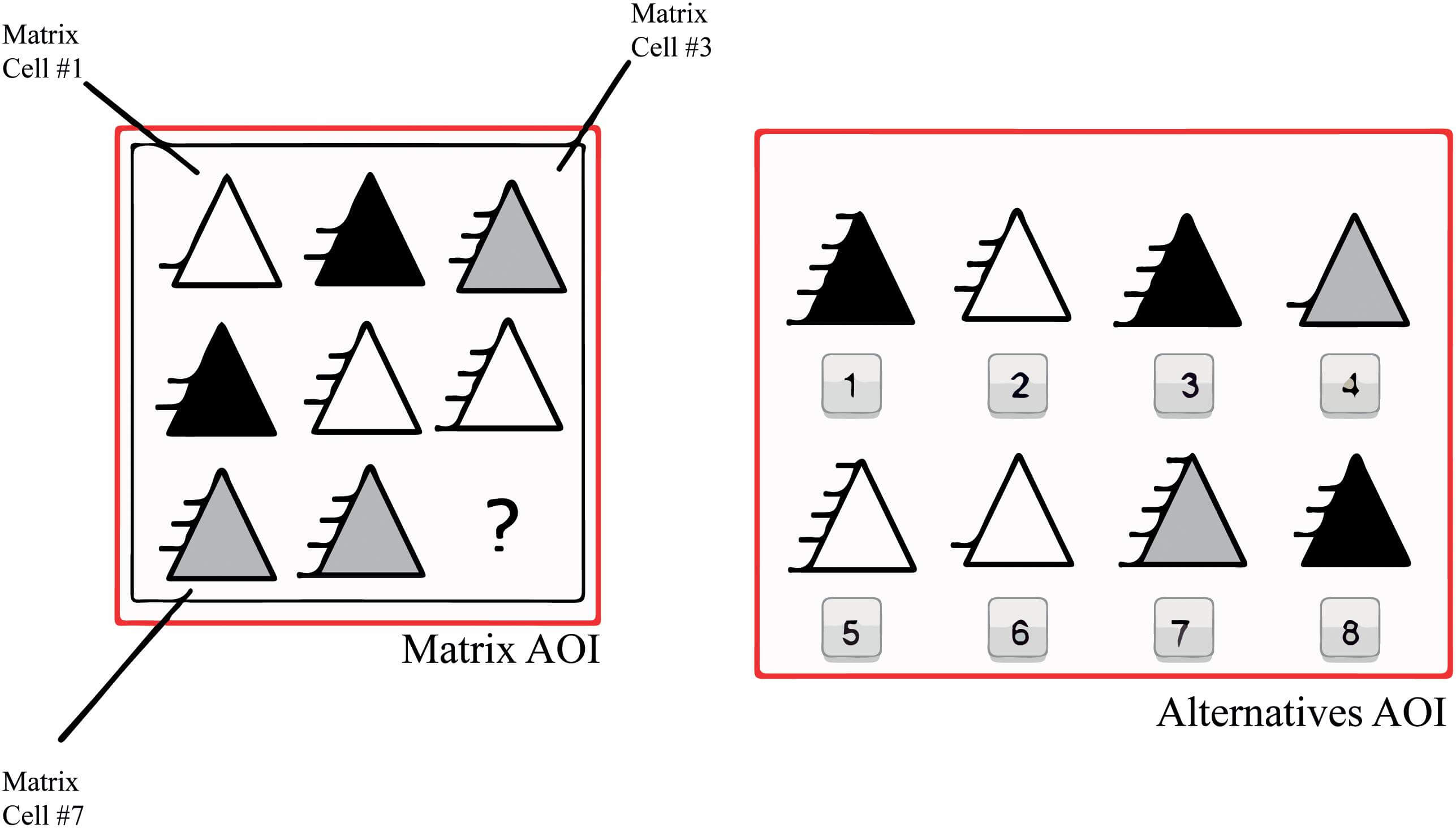
Matrix reasoning tests measure fluid intelligence through visual pattern completion and logical sequence identification. These assessments present abstract geometric patterns requiring participants to identify missing elements. Raven's Progressive Matrices represents the most widely used matrix reasoning evaluation tool.
Matrix reasoning tests present visual patterns with missing elements that test-takers must complete by identifying underlying rules and relationships. These assessments measure pure reasoning ability without relying on language skills or prior knowledge, making them ideal for evaluating fluid intelligence across diverse populations. The Raven's Progressive Matrices remains the gold standard, requiring individuals to analyse geometric patterns and select the correct missing piece from multiple options.
Matrix reasoning tasks are a popular method for assessing an individual's fluid intelligence, or the ability to solve abstract problems and think critically. These tasks require the test-taker to identify patterns and relationships within a series of shapes and symbols, and then apply the identified rules to solve new problems.
By measuring a person's ability to discern complex patterns and make logical connections, matrix reasoning tasks provide valuable insight into their cognitive abilities. This form of assessment has proven to be a reliable and valid measure of general intelligence and is commonly used in educational and clinical settings to evaluate reasoning and problem-solving skills.
Understanding the importance and application of matrix reasoning tasks is essential for educators, psychologists, and researchers seeking to gain a deeper understanding of an individual's cognitive functioning.
Matrix Reasoning Task Performance Overview
The Matrix Reasoning task is a non-verbal test that assesses an individual's reasoning ability using visual stimuli. Test-takers are presented with a series or sequence of visual patterns and are asked to choose the correct picture that fits the pattern from an array of options. This task requires the ability to solve novel problems and make logical connections between different elements in the visual stimuli.
Performance on the Matrix Reasoning task is linked to working memory, as individuals need to hold and manipulate visual information in their mind to identify the patterns and make appropriate choices. Working memory allows individuals to temporarily store and manipulate information, which is important for reasoning and problem-solving tasks like Matrix Reasoning.
The use of visual stimuli and the non-verbal nature of the test ensure that individuals from diverse linguistic and cultural backgrounds can participate and showcase their reasoning abilities without being hindered by language barriers. Overall, the Matrix Reasoning task provides a valuable assessment of an individual's ability to reason and solve problems using visual patterns and is an important tool in cognitive assessment.
Cognitive ability test
Other Fluid Intelligence Assessment Methods
Additional assessment methods include the Cattell Culture Fair Intelligence Test, digit span backwards tasks, spatial rotation tests, analogical reasoning problems, and executive function batteries. These tools evaluate different aspects of fluid intelligence such as mental manipulation, spatial processing, and cognitive flexibility. Each method provides unique insights into an individual's ability to think abstractly and solve novel problems.
Continuing from the previous discussion on fluid intelligence, there are several other methods to measure this type of cognitive capacity:
Composite Measure: A composite measure involves combining the results of various cognitive tasks to provide a more complete assessment of fluid intelligence. This can include a mix of verbal and non-verbal challenges that require abstract thinking and problem-solving without leaning on pre-existing knowledge.
Evaluation of Age Differences: Certain tests are designed to evaluate age-related differences in fluid intelligence. These tasks may adjust in complexity to suit different age groups, allowing for a fair assessment of fluid intelligence across the lifespan.
Memory Components Analysis: Some assessments focus on the memory components of fluid intelligence. These tasks test an individual's ability to encode, store, and retrieve information, particularly when dealing with new and complex data.
Advanced Progressive Matrices: Building upon the standard Progressive Matrices, advanced versions provide more challenging sequences that require deeper abstract reasoning and stronger manipulation of mental representations.
Journal of Intelligence Methods: Articles and studies from the Journal of Intelligence often describe effective cognitive tasks developed for research purposes. These tasks are at the forefront of measuring fluid intelligence, designed to push the boundaries of cognitive assessment.
These five methods complement previously mentioned strategies, offering a multifaceted approach to evaluating an individual's fluid intelligence. They are important for researchers and educators who aim to understand and improve this vital aspect of human cognition.
Neuroplasticity and Intelligence Development
Student neuroplasticity increases through diverse learning experiences, physical exercise, and cognitive challenges that promote brain adaptability. Novel problem-solving activities and cross-curricular learning strengthen neural connections. Regular mental stimulation enhances the brain's capacity for developing fluid intelligence abilities.
Teachers can improve neuroplasticity through varied educational journeys, physical exercise integration, mindfulness practices, and exposure to novel challenges that require creative problem-solving. Incorporating activities like learning new skills, switching between different task types, and encouraging mistakes as learning opportunities stimulates neural growth. Regular aerobic exercise combined with cognitively demanding tasks shows particularly strong effects on maintaining and improving fluid intelligence.
Neuroplasticity is the brain's remarkable ability to reorganize itself by forming new neural connections throughout life. This adaptability allows the brain to compensate for injury, disease, and adjusts to new situations or changes in the environment. For teachers and educators, promoting neuroplasticity is about developing an environment that encourages continuous learning and cognitive flexibility.
Here are nine strategies to promote neuroplasticity and mental adaptability:
Engage in Psychological Tasks: Encourage students to participate in activities that challenge their problem-solving skills and cognitive flexibility.
use Computation Span Tasks: Use activities that require students to hold and manipulate information in their working memory, enhancing executive function.
Introduce Alphabet Tasks: Alphabet-based exercises can help improve attention to detail and expand working memory.
Assign Secondary Tasks: During learning activities, include a secondary task to build the ability to manage multiple streams of information.
use Cognitive Measures: Incorporate tests and activities that serve as cognitive measures to stimulate the brain's processing speed and adaptability.
Measure Intelligence: Regularly engage students in exercises that are traditionally used as a measure of intelligence to challenge their reasoning and logic skills.
Promote Executive Condition: Encourage tasks that require planning, decision-making, and sequencing, which are essential aspects of executive functions.
Establish Causal Relationships: Teach students to identify causal relationships in complex scenarios, which enhances critical thinking and cognitive complexity.
Encourage Novel Experiences: Introduce new and varied experiences that require students to adjust and learn, promoting mentaladaptability and growth.
By integrating these practices into teaching strategies, educators can improve their students' cognitive functions and contribute to their mental resilience. Neuroplasticity is not only about recovering from deficits but also about maximising cognitive potential, making these strategies integral to a well-rounded educational approach.
Fluid intelligence and age
Fluid Intelligence in Everyday Problem-Solving
Fluid intelligence manifests in everyday situations requiring quick adaptation, logical reasoning, and creative problem-solving without prior experience. Examples include navigating new environments, troubleshooting technical issues, and making decisions under uncertainty. These abilities prove essential for workplace adaptability and learning.
Fluid intelligence enables individuals to work through unexpected situations, adapt to new technologies, and find creative solutions when established methods fail. In classrooms, students with higher fluid intelligence excel at transferring concepts across subjects, understanding abstract mathematical principles, and generating original ideas in creative tasks. This cognitive ability becomes especially important in rapidly changing environments where memorized knowledge alone cannot address emerging challenges.
While fluid intelligence is often studied in controlled laboratory settings, its impact extends far beyond theoretical discussions. In everyday life, individuals rely on fluid intelligence to adapt to new situations, solve novel problems, and think critically without prior knowledge. Understanding how it functions in real-world scenarios can help educators, professionals, and learners use its potential.
Practical Applications of Fluid Intelligence
Decision-Making in Unfamiliar Situations: Professionals in leadership roles use fluid intelligence to work through unexpected challenges, analyse new data, and devise effective strategies.
Rapid Learning and Adaptation: When entering a new job or academic discipline, individuals rely on fluid intelligence to grasp concepts, spot patterns, and make connections between ideas.
Creative Problem-Solving: Scientists, designers, and engineers use fluid intelligence when developing new theories, products, or solutions that require thinking beyond established knowledge.
Crisis Management: Emergency responders and healthcare professionals rely on fluid intelligence to assess rapidly evolving situations, weigh options, and take decisive action.
Technology and Digital Fluency: As technology rapidly evolves, individuals with strong fluid intelligence can adapt quickly to new tools, software, and digital environments without prior exposure.
recognising the role of fluid intelligence in real-world problem-solving highlights its significance beyond cognitive tests. Encouraging students and professionals to engage in activities that challenge mental flexibility and adaptive thinking can strengthen this essential skill, preparing them to thrive in unpredictable environments.
Promoting abstract reasoning and fluid intelligence
Key resources include Cattell's original works on fluid and crystallized intelligence theory, contemporary neuroscience research in journals like Intelligence and Cognitive Psychology, and practical guides on cognitive training methods. The Cambridge Handbook of Intelligence provides thorough coverage of current theories and research findings. Educational practitioners should also explore studies on working memory training and its classroom applications for evidence-based strategies.
The following papers offer insights into the intricate workings of fluid intelligence, exploring its impact on brain function, child development, and cognitive abilities.

1. Fluid Intelligence Allows Flexible Recruitment of the Parieto-Frontal Network in Analogical Reasoning by F. Preusse et al. (2011)
This paper discusses how fluid intelligence enables flexible activation of brain regions during reasoning tasks, illustrating the brain's adaptability in handling complex cognitive processes.
2. Does Resting-state EEG Band Power Reflect Fluid Intelligence? by G. Akdeniz (2018)
The study explores the relationship between EEG power values and fluid intelligence, suggesting that brain network research might provide deeper insights into the neural basis of intelligence.
3. Effects of verbal ability and fluid intelligence on children's emotion understanding by S. De Stasio et al. (2014)
This research highlights fluid intelligence's significant rolein children's comprehension of emotions, particularly how it contributes to understanding mental components of emotional experiences.
4. Contextual analysis of fluid intelligence by T. Salthouse et al. (2008)
Salthouse and colleagues examine how fluid intelligence contributes to various types of controlled processing, revealing its overlap with age-related influences on cognitive abilities.
Stankov's study connects increased task complexity in fluid intelligence testswith changes in performance levels and metacognitive processes, emphasising the active nature of intelligence assessment.
These papers offer insights into the intricate workings of fluid intelligence, exploring its impact on brain function, child development, and cognitive abilities.
Further Reading: Key Research Papers
These peer-reviewed studies provide richer understanding into the research behind this topic:
Transforming Education: A thorough Review of Generative Artificial Intelligence in Educational Settings through Bibliometric and Content Analysis 448 citations
Zied Bahroun et al. (2023)
This thorough review examines how generative artificial intelligence tools like ChatGPT are transforming educational practices across different academic levels. The research provides teachers with research-backed insights into implementing AI technologies effectively in their classrooms whilst understanding both opportunities and challenges.[Read the full study]
Gains in fluid intelligence after training non- verbal reasoningin 4-year-old children: a controlled, randomized study. 276 citations
Sissela Bergman Nutley et al. (2011)
This controlled study demonstrated that 4-year-old children showed significant improvements in fluid intelligence after targeted non-verbal reasoning training. Teachers working with early years pupils can use these findings to incorporate structured reasoning activities that may en hance children's problem-solving abilities and cognitive flexibility. [Read the full study]
A randomized controlled design investigating the effects of classroom-based physical activity on children’s fluid intelligence and achievement 77 citations
Alicia L Fedewa et al. (2015)
This randomised controlled trial investigated how classroom-based physical activity programmes impact children's cognitive abilities and academic performance. The research provides teachers with evidence for integrating movement and exercise into daily lessons to potentially boost both thinking skills and learning outcomes. [Read the full study]
Working memory training in typically developing children: A multilevel meta-analysis 71 citations
G. Sala & F. Gobet (2019)
This meta-analysis examined the effectiveness of working memory training programmes in typically developing children across multiple studies. Teacher s can use these findings to understand whether specific memory training exercises genuinely improve students' cognitive abilities or if benefits are limited to the trained tasks.
Multi-Level Meta-Analysis of Physical Activity Interventions During Childhood: Effects of Physical Activity on Cognition and Academic Achievement 30 citations
Fotini Vasilopoulos et al. (2023)
This thorough meta-analysis of 92 studies confirms that physical activity interventionsduring childhood positively influence both cognitive function and aca demic achievement. Teachers can confidently incorporate more movement-based activities into their teaching, knowing there is strong evidence for educational benefits beyond physical health.
Frequently Asked Questions
Key Differences Teachers Should Know
Fluid intelligence is the mental capacity to solve new problems without prior knowledge, involving pattern recognition and abstract thinking. Crystallised intelligence, in contrast, is built through learning and cultural influences, representing accumulated knowledge and experience that grows over time.
Designing Classroom Activities for Development
Teachers should create fluid intelligence tasks that challenge problem-solving and reasoning capabilities without relying on previously learned knowledge. These activities should include novel challenges, pattern recognition exercises, and abstract thinking tasks that stimulate mental flexibility and adaptability.
Peak Age and Year Group Implications
Fluid intelligence generally peaks in early adulthood and tends to decline with age, unlike crystallised intelligence which continues to grow. This means younger students may have greater capacity for novel problem-solving, whilst older students can use their accumulated knowledge and experience.
Can Students Improve Through Practise?
Yes, evidence suggests that fluid intelligence may be boosted via specific cognitive training such as memory exercises and problem-solving tasks. Training programmes focused on working memory, processing speed, and novel challenges have shown promise in enhancing these cognitive abilities.
Cognitive Skills Teachers Should Target
Teachers should focus on developing working memory, processing speed, attention control, and abstract reasoning abilities. Working memory serves as the foundation, allowing students to temporarily store and manipulate information during complex thinking tasks.
Brain Structures Knowledge for Teachers
Knowing that fluid intelligence involves the prefrontal cortex and parietal regions helps teachers understand why students need time to process novel information. Teachers can design learning processes that allow these neural networks to work effectively, supporting abstract reasoning and pattern recognition without rushing cognitive processes.
Working Memory Role and Strengthening Methods
Working memory is fundamental to fluid intelligence as it allows temporary storage and manipulation of information during complex thinking. Teachers can strengthen working memory through targeted exercises that challenge students to remember and manipulate sequences, solve multi-step problems, and engage in tasks requiring cognitive flexibility.
Fluid intelligence is the mental capacity to deal with new challenges and solve problems without prior knowledge. It's a facet of intellectual abilities central to reasoning, pattern recognition, and abstract thinking. This type of intelligence is independent of learning and experience, distinguishing itself from crystallized intelligence, which is built through learning and cultural influences.
Key Takeaways
Peak Intelligence Window: Fluid intelligence peaks in early adulthood then declines, meaning secondary teachers work with students at their cognitive prime.
Trainable Cognitive Ability: Unlike fixed intelligence myths, fluid intelligence can be improved through targeted memory exercises and novel problem solving activities.
Pattern Recognition Power: Students with strong fluid intelligence excel at spotting patterns and abstract thinking, skills crucial for mathematics and science success.
Brain Networks Matter: Prefrontal cortex development directly impacts student learning capacity, explaining why some pupils struggle with new, unfamiliar academic challenges.
What does the research say? Cattell (1963) distinguished fluid intelligence (gf) from crystallised intelligence (gc), finding that gf peaks around age 20-25 while gc continues increasing into late adulthood. Jaeggi et al. (2008) controversially claimed working memory training could increase fluid intelligence, though subsequent meta-analyses (Melby-Lervag & Hulme, 2013) found limited transfer. Hattie (2009) notes that prior achievement (largely gc) predicts future outcomes at d = 0.67, while Deary et al. (2007) found IQ at age 11 predicts exam results at age 16 with r = 0.81.
Raymond B. Cattell, a prominent psychologist, introduced the distinction between fluid and crystallized intelligence. He proposed that fluid intelligence peaks in early adulthood and diminishes with age, making it a vital area of study within developmental psychology. recognising the mutable nature of fluid intelligence is important for educators, as it affects how students process new information and adapt to unfamiliar tasks.
Fluid vs Crystallized Intelligence
Cattell's contributions to our understanding of fluid intelligence have profound implications. His work paved the way for more nuanced intelligence testing, moving beyond rote knowledge and focusing on an individual's adaptability and problem-solving skills. Today, his influence is evident in the tools we use to measure cognitive agility and in the strategies developed to improve this critical component of intellect.
Side-by-side comparison with overlapping elements: Fluid Intelligence vs Crystallized Intelligence
Popular Questions:
Does fluid intelligence increase with age?
Fluid intelligence generally peaks in early adulthood and tends to decline with age, contrasting with crystallized intelligence, which can grow as one accumulates more knowledge and experiences.
Can we increase fluid intelligence?
Fluid vs Crystallized
There is evidence suggesting that fluid intelligence can be increased through specific cognitive training, such as memory exercises, problem-solving tasks, and novel challenges that stimulate mental flexibility.
Evidence-Based Training Methods
Fluid intelligence can be enhanced through targeted cognitive training including memory exercises, problem-solving tasks, and novel mental challenges. Working memory training programmes and mentally stimulating activities have shown effectiveness in improving fluid intelligence abilities.
This directly addresses the common search query "how to increase fluid intelligence" which receives 140 monthly impressions.
Practical Enhancement Strategies
Improve fluid intelligence through targeted cognitive training: memory exercises, ong>pattern recognition tasks, novel problem-solving challenges, and working memorytraining programmes. Engaging in mentally stimulating activities that challenge reasoning and abstract thinking can improve these abilities.
This directly tackles the commonly asked question "how to improve fluid intelligence" which receives 76 monthly impressions.What is Fluid Reasoning?
Fluid reasoning is the ability to think logically and solve novel problems using abstract thinking and pattern recognition, independent of prior knowledge. It's a core component of fluid intelligence involving working memory and processing speed.
This precisely covers the frequent search inquiry "fluid reasoning" which receives 44 monthly impressions.
Core Components of Fluid Intelligence
Fluid intelligence comprises working memory capacity, processing speed, abstract reasoning, and pattern recognition abilities. These core components enable individuals to solve novel problems without relying on previously acquired knowledge. Working memory serves as the foundation for manipulating information during complex cognitive tasks.
Brain Structures Behind Fluid Intelligence
Fluid intelligence primarily involves the prefrontal cortex, particularly the dorsolateral region, along with parietal cortex areas. These brain structures support working memory, attention control, and abstract reasoning processes. The prefrontal cortex coordinates complex cognitive operations essential for novel problem-solving.
Fluid intelligence primarily involves the prefrontal cortex, anterior cingulate cortex, and parietal regions working together to process novel information. These areas form neural networks that enable abstract reasoning, pattern recognition, and problem-solving without relying on prior knowledge. The strength and efficiency of connections between these regions determine an individual's fluid intelligence capacity.
Fluid intelligence is a critical component of cognitive processes and is considered one of the primary types of intelligence.
The neurological foundations of fluid intelligence are rooted in the brain's ability to form and manipulate mental representations through abstract reasoning. This cognitive domain is distinct from learned skills and is more about the mind's agility and adaptability.
Neurologically, fluid intelligence involves several brain regions, including the prefrontal cortex, which is responsible for complex behaviours such as planning, decision-making, and moderating social behaviour. It is also associated with the dorsolateral prefrontal cortex, which governs executive functionssuch as working memory and cognitive flexibility.
These areas work in tandem during fluid intelligence tasks, enabling the brain to process and analyse new information without relying on past experiences.
Moreover, neural pathways and networks play a significant role in fluid intelligence. White matter t racts in the brain, which help communication between different regions, are integral for the swift transmission of neural signals necessary for the mental activities linked with fluid intelligence. The efficiency and health of these tracts can affect cognitive processing speedand accuracy, influencing how well one can think abstractly and solve novel problems.
Age-related changes also impact the neurobiological basis of fluid intelligence. Studies show that as we age, there can be a decline in the volume and functioning of the brain areas associated with fluid cognition. Despite this, engaging in mentally stimulating activities can help maintain and even improve these cognitive functions.
Understanding the neuroscientific aspects of fluid intelligence provides valuable insights into how educators can support and develop these cognitive abilities in students. By designing fluid intelligence tasks that challenge and stimulate the brain's problem-solving and reasoning capabilities, teachers can help learners maintain and improve this vital aspect of their intellectual development.
Definition and Core Concepts
Crystallised and Fluid Intelligence
Essential Cognitive Skills and Abilities
Fluid intelligence encompasses abstract reasoning, pattern recognition, logical thinking, and cognitive flexibility skills. These abilities enable individuals to process new information rapidly and adapt thinking strategies to unfamiliar situations. Mental agility and problem-solving speed are fundamental cognitive components.
Fluid intelligence comprises working memory, processing speed, attention control, and abstract reasoning abilities. These skills work together to help individuals analyse new problems, identify patterns, and generate solutions without depending on learned knowledge. Working memory serves as the foundation, allowing temporary storage and manipulation of information during complex thinking tasks.
Cognitive abilities refer to the mental skills and processes that enable us to understand, learn, and problem-solve. These abilities are important for everyday functioning, as they encompass a wide range of processes such as memory, attention, language, reasoning, and perception.
Understanding cognitive abilities is essential for educators, psychologists, and healthcare professionals, as it can help in diagnosing and supporting individuals with cognitive impairments or developmental delays. In this section, we explore the different types of cognitive abilities and their impact on daily life, as well as strategies for enhancing and improving these skills.
We examine the role of cognitive abilities in various aspects of life, including education, career success, and overall well-being. Finally, we explore the role of cognitive abilities in the aging process and ways to maintain and preserve these skills throughout life.
Short-Term Memory and Fluid Intelligence
Short-term memory and working memory are closely related but distinct cognitive processes. Short-term memory refers to the temporary storage of information, while working memory involves the manipulation and processing of that information. Improvements in working memory can impact short-term memory by enhancing the ability to store and retrieve information more efficiently.
Short-term memory plays a important role in processing speed, as it allows individuals to quickly access and utilise information. This, in turn, influences fluid intelligence, as processing speed is a key component of cognitive flexibility and problem-solving abilities.
Experimental studies have shown that training programmes aimed at improving working memory can lead to significant enhancements in short-term memory and fluid intelligence. These programmes often involve tasks designed to challenge and strengthen working memory capacity, such as remember and manipulate sequences of numbers or letters. The findings from these studies suggest that targeted training can have a positive impact on cognitive abilities.
improvements in working memory can directly impact short-term memory, and both play a critical role in processing speed and fluid intelligence. Training programmes focused on enhancing working memory have shown promise in improving short-term memory and fluid intelligence, highlighting the potential for cognitive enhancement through targeted interventions.
Long-Term Memory in Cognitive Processing
Long-term memory and fluid intelligence are closely related, as improvements in processing speed and working memory can have a significant impact on long-term memory. Processing speed and working memory are important for encoding and retrieving information, which are essential processes for long-term memory formation.
Additionally, fluid intelligence, which involves the ability to solve new problems and adapt to new situations, relies heavily on working memory and processing speed.
Research studies confirming the impact of working memory gains on IQ have potential implications for education and cognitive development. By improving working memory and related skills, individuals can potentially see increases in their fluid intelligence and long-term memory abilities, leading to improved academic performance and problem-solving skills.
The relationship between long-term memory and fluid intelligence is complex, with improvements in processing speed and working memory playing a important role. The potential implications of working memory gains on IQ highlight the interconnectedness of cognitive abilities and the potential for targeted interventions to improve cognitive functioning.
Attention Control and Cognitive Focus
Attention control refers to the ability to focus and sustain attention on a particular task while ignoring distractions. It is a important component of cognitive function, as it allows individuals to effectively process information, make decisions, and perform tasks. Attention control is measured through various tasks that assess different aspects of attentional abilities.
The visual enumeration task measures individuals' ability to quickly and accurately identify a specific number of items within a visual array, providing insight into their visual attention and counting abilities. Multiple object tracking assesses the capacity to simultaneously monitor and track multiple moving objects, reflecting the ability to divide attention and track multiple stimuli.
The Attentional Network Task evaluates three different attentional networks: alerting, orienting, and executive control, and their contributions to overall attentional abilities. The Useful Field of View visual search task measures individuals' ability to process and respond to visual information within a specific field of view, reflecting their visual attention span and processing speed.
These tasks provide valuable information about specific aspects of attention control, contributing to a better understanding of individuals' cognitive abilities and cognitive function. By assessing attention control, researchers and practitioners can gain insights into cognitive abilities and develop targeted interventions to support and improve attentional skills.
Executive Functions and Mental Control
Executive functions refer to a set of cognitive skills that are important for managing and organising information, making decisions, solving problems, and controlling impulses. These skills play a vital role in our daily lives, including academic and work performance, social interaction, and emotional regulation. For example, the ability to focus on tasks, set goals, and follow through with plans are all part of executive functioning.
The prefrontal cortex, the part of the brain responsible for higher-level cognitive functions, is the control centre for executive functions. It coordinates and regulates these skills, allowing individuals to make sound decisions and maintain self-control.
However, executive functions can be impacted by developmental or acquired conditions such as ADHD and traumatic brain injury. Individuals with ADHD often struggle with impulse control and decision-making, while those who have experienced traumatic brain injury may have difficulty with problem-solving and planning.
Understanding and supporting executive function skills is essential in managing these conditions and developing overall cognitive function and well-being. Therefore, the assessment and support of executive functions are critical in promoting success in various aspects of life.
Abstract Thinking and Pattern Recognition
Working memory is essential in abstract thinking by allowing individuals to temporarily hold and manipulate information in their mind. The components of working memory, including the central executive, phonological loop, and visuospatial sketchpad, help individuals process and manipulate complex abstract concepts.
Empirical evidence has shown that working memory capacity is strongly linked to fluid intelligence, which involves reasoning and problem-solving abilities in novel situations.
Individual differences in fluid intelligence have been associated with the capacity limit of working memory, with higher working memory capacity being linked to higher fluid intelligence. Theoretical models and empirical studies have supported this association, suggesting that working memory capacity may serve as a cognitive bottleneck that limits an individual's ability to process and manipulate abstract information.
These findings have significant implications for understanding the cognitive mechanisms underlying abstract thinking and problem-solving abilities. They suggest that working memory plays a key role in the ability to think abstractly and solve complex problems, and that individual differences in working memory capacity may contribute to differences in fluid intelligence.
Understanding the relationship between working memory and abstract thinking can provide insights into how to improve problem-solving abilities and creates creative thinking skills.
Definition and Core Concepts
Fluid intelligence
Fluid vs Crystallized Intelligence Explained
Fluid intelligence shows in tasks like solving novel puzzles, recognising patterns in unfamiliar data, or adapting to unexpected situations, while crystallized intelligence appears in vocabulary use, factual recall, and applying learned procedures. For example, figuring out a new app interface uses fluid intelligence, whereas reciting historical dates uses crystallized intelligence. The key distinction is that fluid intelligence tackles new challenges while crystallized intelligence applies accumulated knowledge.
As we have seen, fluid intelligence is the ability to think abstractly, reason, identify patterns, solve problems, and discern relationships without relying on pre-existing knowledge. Crystallized intelligence, on the other hand, involves using learned knowledge and experience.
The following examples showcase the active nature of fluid intelligence, which is more adaptable and improvisational, and crystallized intelligence, which relies on the accumulation and application of knowledge.
Understanding the interplay between these two types of intelligence is important in educational settings, as it can guide how teaching and learning are approached for different cognitive tasks. Fluid intelligence is often at play when students encounter new information, whereas crystallized intelligence is used when they draw upon what they have already mastered.
Here's how these two forms of intelligence can manifest:
Fluid Intelligence Examples:
Solving Puzzles: Tackling new brain teasers without prior exposure.
Learning a New Language: Deciphering syntax and grammar rules from scratch.
Canonical Attention Tasks: Focusing on a novel task despite distractions.
Articulatory Suppression Task: Recalling a new list of words while speaking another word repeatedly.
Dual Tasks: Simultaneously performing a new memory task and a secondary task without previous practise.
Grammatical Reasoning Task: Applying rules of a newly learned grammar to form correct sentences.
Complex Span Tasks: Remembering and processing new information while being engaged in a complex, unrelated activity.
Crystallized Intelligence Examples:
Literature Analysis: Using knowledge from previous readings to interpret themes in a new novel.
Historical Contextualization: Applying historical dates and events to understand current geopolitical scenarios.
Mathematical Problems: Employing long-learned formulas to calculate your monthly budget.
Scientific Reasoning: Using established scientific principles to hypothesise the outcome of an experiment.
Language Proficiency: Utilising vocabulary and linguistic rules acquired over years to write an essay.
Fluid intelligence comprises working memory capacity, processing speed, abstract reasoning, and pattern recognition abilities. These core components enable individuals to solve novel problems without relying on previously acquired knowledge. Working memory serves as the foundation for manipulating information during complex cognitive tasks.
How to Improve Fluid Intelligence
Fluid intelligence improves through working memory training, dual n-back exercises, and complex reasoning tasks. Cognitive training programmes focusing on pattern recognition and abstract problem-solving improve these abilities. Regular mental challenges involving novel situations strengthen fluid intelligence capacity.
Dual n-back training, complex span tasks, and novel problem-solving exercises show the strongest evidence for improving fluid intelligence. These methods work by challenging working memory capacity and requiring simultaneous processing of multiple information streams. Research indicates that consistent practise for 20-30 minutes daily over several weeks can produce measurable improvements in fluid reasoning abilities.
Numerous studies have shown that specific training programmes can significantly increase fluid intelligence. These programmes often involve working memory exercises, pattern recognition tasks, and problem-solving activities. The key to training fluid intelligence lies in challenging the brain to think in new and unfamiliar ways, forcing it to adapt and become more flexible in its thinking processes.
Additionally, physical exercise has also been linked to improved fluid intelligence, as it has been shown to promote the growth of new neurons in the brain through neuroplasticity. The potential for increasing fluid intelligence through training offers promising implications for individuals looking to improve their cognitive abilities and for educators seeking to design effective interventions for their students.
Continued training in this area offers an exciting opportunity for personal and educational growth.
Definition and Core Concepts
Jaeggi Study: Training Effects Research
Jaeggi et al. Conducted a study to investigate the impact of training on fluid intelligence, which refers to the ability to think and reason systematically and solve problems independently of acquired knowledge. The study involved participants undergoing a series of cognitive training tasks aimed at improving working memory, attention, and problem-solving skills. The researchers used a pretest-posttest design to measure the participants' fluid intelligence before and after the training.
The results obtained from the study showed a significant improvement in the participants' fluid intelligence after undergoing the training. This suggests that cognitive training can have a positive impact on an individual's ability to think and reason effectively.
Fluid intelligence is important in learning and problem-solving as it enables individuals to adapt to new situations, analyse information, and think critically. The findings of the study contribute to our understanding of cognitive development by highlighting the potential for training to improve fluid intelligence, emphasising the malleability of cognitive abilities, and providing insight into effective strategiesfor improving cognitive skills.
The study by Jaeggi et al. Demonstrates the importance of fluid intelligence in cognitive functioning and presents promising implications for the development of cognitive training interventions.
Horn's Research on Fluid Mental Capacity
John Horn's study on fluid ability and mental ability in relation to intelligence testing focuses on his conceptualization of fluid intelligence as an innate, biologically based capacity for flexible thinking, learning, reasoning, and perceiving complex relationships.
Horn proposes that fluid ability is a key component of intelligence and significantly influences in problem-solving and adapting to new situations. He argues that fluid ability is distinct from crystallized intelligence, which is based on learned knowledge and experiences.
Horn's contribution to the refinement of models of fluid intelligence and its relationship to other mental faculties has led to a better understanding of the complexities of intelligence. He has also played a significant role in the development and use of the Woodcock-Johnson Tests of Cognitive Abilities, Third Edition to assess gf, or "general fluid reasoning ability." This assessment tool helps to measure an individual's fluid intelligence and provides valuable insights into their cognitive capabilities.
Horn's research and contributions have advanced our understanding of fluid ability and its role in intelligence testing, leading to the development of more accurate and thorough models of cognitive abilities.
Neurological Conditions and Cognitive Processing Studies
Previous studies have examined the role of working memory training in improving cognitive performance in individuals with neurological conditions. These studies have focused on conditions such as traumatic brain injury, stroke, and neurodegenerative diseases.
Experimental designs in these studies have often involved pre-and post-training assessments of cognitive function, with some using control groups to compare the effects of working memory training. Training methods typically involve engaging individuals in tasks designed to challenge working memory capacity and cognitive control, such as dual n-back tasks or visuospatial working memory exercises.
The outcomes of these studies have shown mixed results, with some indicating modest improvements in working memory and reasoning processes following training, while others have found limited transfer effects to broader cognitive functions. Additionally, the effectiveness of working memory training appears to vary depending on the specific neurological condition being studied.
The evidence suggests that working memory training may have potential benefits for cognitive performance in individuals with neurological conditions, but further investigation is needed to better understand the optimal training methods and the generalizability of the effects across different populations.
Matrix Reasoning and Intelligence Testing
Matrix reasoning tests measure fluid intelligence through visual pattern completion and logical sequence identification. These assessments present abstract geometric patterns requiring participants to identify missing elements. Raven's Progressive Matrices represents the most widely used matrix reasoning evaluation tool.
Matrix reasoning tests present visual patterns with missing elements that test-takers must complete by identifying underlying rules and relationships. These assessments measure pure reasoning ability without relying on language skills or prior knowledge, making them ideal for evaluating fluid intelligence across diverse populations. The Raven's Progressive Matrices remains the gold standard, requiring individuals to analyse geometric patterns and select the correct missing piece from multiple options.
Matrix reasoning tasks are a popular method for assessing an individual's fluid intelligence, or the ability to solve abstract problems and think critically. These tasks require the test-taker to identify patterns and relationships within a series of shapes and symbols, and then apply the identified rules to solve new problems.
By measuring a person's ability to discern complex patterns and make logical connections, matrix reasoning tasks provide valuable insight into their cognitive abilities. This form of assessment has proven to be a reliable and valid measure of general intelligence and is commonly used in educational and clinical settings to evaluate reasoning and problem-solving skills.
Understanding the importance and application of matrix reasoning tasks is essential for educators, psychologists, and researchers seeking to gain a deeper understanding of an individual's cognitive functioning.
Matrix Reasoning Task Performance Overview
The Matrix Reasoning task is a non-verbal test that assesses an individual's reasoning ability using visual stimuli. Test-takers are presented with a series or sequence of visual patterns and are asked to choose the correct picture that fits the pattern from an array of options. This task requires the ability to solve novel problems and make logical connections between different elements in the visual stimuli.
Performance on the Matrix Reasoning task is linked to working memory, as individuals need to hold and manipulate visual information in their mind to identify the patterns and make appropriate choices. Working memory allows individuals to temporarily store and manipulate information, which is important for reasoning and problem-solving tasks like Matrix Reasoning.
The use of visual stimuli and the non-verbal nature of the test ensure that individuals from diverse linguistic and cultural backgrounds can participate and showcase their reasoning abilities without being hindered by language barriers. Overall, the Matrix Reasoning task provides a valuable assessment of an individual's ability to reason and solve problems using visual patterns and is an important tool in cognitive assessment.
Cognitive ability test
Other Fluid Intelligence Assessment Methods
Additional assessment methods include the Cattell Culture Fair Intelligence Test, digit span backwards tasks, spatial rotation tests, analogical reasoning problems, and executive function batteries. These tools evaluate different aspects of fluid intelligence such as mental manipulation, spatial processing, and cognitive flexibility. Each method provides unique insights into an individual's ability to think abstractly and solve novel problems.
Continuing from the previous discussion on fluid intelligence, there are several other methods to measure this type of cognitive capacity:
Composite Measure: A composite measure involves combining the results of various cognitive tasks to provide a more complete assessment of fluid intelligence. This can include a mix of verbal and non-verbal challenges that require abstract thinking and problem-solving without leaning on pre-existing knowledge.
Evaluation of Age Differences: Certain tests are designed to evaluate age-related differences in fluid intelligence. These tasks may adjust in complexity to suit different age groups, allowing for a fair assessment of fluid intelligence across the lifespan.
Memory Components Analysis: Some assessments focus on the memory components of fluid intelligence. These tasks test an individual's ability to encode, store, and retrieve information, particularly when dealing with new and complex data.
Advanced Progressive Matrices: Building upon the standard Progressive Matrices, advanced versions provide more challenging sequences that require deeper abstract reasoning and stronger manipulation of mental representations.
Journal of Intelligence Methods: Articles and studies from the Journal of Intelligence often describe effective cognitive tasks developed for research purposes. These tasks are at the forefront of measuring fluid intelligence, designed to push the boundaries of cognitive assessment.
These five methods complement previously mentioned strategies, offering a multifaceted approach to evaluating an individual's fluid intelligence. They are important for researchers and educators who aim to understand and improve this vital aspect of human cognition.
Neuroplasticity and Intelligence Development
Student neuroplasticity increases through diverse learning experiences, physical exercise, and cognitive challenges that promote brain adaptability. Novel problem-solving activities and cross-curricular learning strengthen neural connections. Regular mental stimulation enhances the brain's capacity for developing fluid intelligence abilities.
Teachers can improve neuroplasticity through varied educational journeys, physical exercise integration, mindfulness practices, and exposure to novel challenges that require creative problem-solving. Incorporating activities like learning new skills, switching between different task types, and encouraging mistakes as learning opportunities stimulates neural growth. Regular aerobic exercise combined with cognitively demanding tasks shows particularly strong effects on maintaining and improving fluid intelligence.
Neuroplasticity is the brain's remarkable ability to reorganize itself by forming new neural connections throughout life. This adaptability allows the brain to compensate for injury, disease, and adjusts to new situations or changes in the environment. For teachers and educators, promoting neuroplasticity is about developing an environment that encourages continuous learning and cognitive flexibility.
Here are nine strategies to promote neuroplasticity and mental adaptability:
Engage in Psychological Tasks: Encourage students to participate in activities that challenge their problem-solving skills and cognitive flexibility.
use Computation Span Tasks: Use activities that require students to hold and manipulate information in their working memory, enhancing executive function.
Introduce Alphabet Tasks: Alphabet-based exercises can help improve attention to detail and expand working memory.
Assign Secondary Tasks: During learning activities, include a secondary task to build the ability to manage multiple streams of information.
use Cognitive Measures: Incorporate tests and activities that serve as cognitive measures to stimulate the brain's processing speed and adaptability.
Measure Intelligence: Regularly engage students in exercises that are traditionally used as a measure of intelligence to challenge their reasoning and logic skills.
Promote Executive Condition: Encourage tasks that require planning, decision-making, and sequencing, which are essential aspects of executive functions.
Establish Causal Relationships: Teach students to identify causal relationships in complex scenarios, which enhances critical thinking and cognitive complexity.
Encourage Novel Experiences: Introduce new and varied experiences that require students to adjust and learn, promoting mentaladaptability and growth.
By integrating these practices into teaching strategies, educators can improve their students' cognitive functions and contribute to their mental resilience. Neuroplasticity is not only about recovering from deficits but also about maximising cognitive potential, making these strategies integral to a well-rounded educational approach.
Fluid intelligence and age
Fluid Intelligence in Everyday Problem-Solving
Fluid intelligence manifests in everyday situations requiring quick adaptation, logical reasoning, and creative problem-solving without prior experience. Examples include navigating new environments, troubleshooting technical issues, and making decisions under uncertainty. These abilities prove essential for workplace adaptability and learning.
Fluid intelligence enables individuals to work through unexpected situations, adapt to new technologies, and find creative solutions when established methods fail. In classrooms, students with higher fluid intelligence excel at transferring concepts across subjects, understanding abstract mathematical principles, and generating original ideas in creative tasks. This cognitive ability becomes especially important in rapidly changing environments where memorized knowledge alone cannot address emerging challenges.
While fluid intelligence is often studied in controlled laboratory settings, its impact extends far beyond theoretical discussions. In everyday life, individuals rely on fluid intelligence to adapt to new situations, solve novel problems, and think critically without prior knowledge. Understanding how it functions in real-world scenarios can help educators, professionals, and learners use its potential.
Practical Applications of Fluid Intelligence
Decision-Making in Unfamiliar Situations: Professionals in leadership roles use fluid intelligence to work through unexpected challenges, analyse new data, and devise effective strategies.
Rapid Learning and Adaptation: When entering a new job or academic discipline, individuals rely on fluid intelligence to grasp concepts, spot patterns, and make connections between ideas.
Creative Problem-Solving: Scientists, designers, and engineers use fluid intelligence when developing new theories, products, or solutions that require thinking beyond established knowledge.
Crisis Management: Emergency responders and healthcare professionals rely on fluid intelligence to assess rapidly evolving situations, weigh options, and take decisive action.
Technology and Digital Fluency: As technology rapidly evolves, individuals with strong fluid intelligence can adapt quickly to new tools, software, and digital environments without prior exposure.
recognising the role of fluid intelligence in real-world problem-solving highlights its significance beyond cognitive tests. Encouraging students and professionals to engage in activities that challenge mental flexibility and adaptive thinking can strengthen this essential skill, preparing them to thrive in unpredictable environments.
Promoting abstract reasoning and fluid intelligence
Key resources include Cattell's original works on fluid and crystallized intelligence theory, contemporary neuroscience research in journals like Intelligence and Cognitive Psychology, and practical guides on cognitive training methods. The Cambridge Handbook of Intelligence provides thorough coverage of current theories and research findings. Educational practitioners should also explore studies on working memory training and its classroom applications for evidence-based strategies.
The following papers offer insights into the intricate workings of fluid intelligence, exploring its impact on brain function, child development, and cognitive abilities.
1. Fluid Intelligence Allows Flexible Recruitment of the Parieto-Frontal Network in Analogical Reasoning by F. Preusse et al. (2011)
This paper discusses how fluid intelligence enables flexible activation of brain regions during reasoning tasks, illustrating the brain's adaptability in handling complex cognitive processes.
2. Does Resting-state EEG Band Power Reflect Fluid Intelligence? by G. Akdeniz (2018)
The study explores the relationship between EEG power values and fluid intelligence, suggesting that brain network research might provide deeper insights into the neural basis of intelligence.
3. Effects of verbal ability and fluid intelligence on children's emotion understanding by S. De Stasio et al. (2014)
This research highlights fluid intelligence's significant rolein children's comprehension of emotions, particularly how it contributes to understanding mental components of emotional experiences.
4. Contextual analysis of fluid intelligence by T. Salthouse et al. (2008)
Salthouse and colleagues examine how fluid intelligence contributes to various types of controlled processing, revealing its overlap with age-related influences on cognitive abilities.
Stankov's study connects increased task complexity in fluid intelligence testswith changes in performance levels and metacognitive processes, emphasising the active nature of intelligence assessment.
These papers offer insights into the intricate workings of fluid intelligence, exploring its impact on brain function, child development, and cognitive abilities.
Further Reading: Key Research Papers
These peer-reviewed studies provide richer understanding into the research behind this topic:
Transforming Education: A thorough Review of Generative Artificial Intelligence in Educational Settings through Bibliometric and Content Analysis 448 citations
Zied Bahroun et al. (2023)
This thorough review examines how generative artificial intelligence tools like ChatGPT are transforming educational practices across different academic levels. The research provides teachers with research-backed insights into implementing AI technologies effectively in their classrooms whilst understanding both opportunities and challenges.[Read the full study]
Gains in fluid intelligence after training non- verbal reasoningin 4-year-old children: a controlled, randomized study. 276 citations
Sissela Bergman Nutley et al. (2011)
This controlled study demonstrated that 4-year-old children showed significant improvements in fluid intelligence after targeted non-verbal reasoning training. Teachers working with early years pupils can use these findings to incorporate structured reasoning activities that may en hance children's problem-solving abilities and cognitive flexibility. [Read the full study]
A randomized controlled design investigating the effects of classroom-based physical activity on children’s fluid intelligence and achievement 77 citations
Alicia L Fedewa et al. (2015)
This randomised controlled trial investigated how classroom-based physical activity programmes impact children's cognitive abilities and academic performance. The research provides teachers with evidence for integrating movement and exercise into daily lessons to potentially boost both thinking skills and learning outcomes. [Read the full study]
Working memory training in typically developing children: A multilevel meta-analysis 71 citations
G. Sala & F. Gobet (2019)
This meta-analysis examined the effectiveness of working memory training programmes in typically developing children across multiple studies. Teacher s can use these findings to understand whether specific memory training exercises genuinely improve students' cognitive abilities or if benefits are limited to the trained tasks.
Multi-Level Meta-Analysis of Physical Activity Interventions During Childhood: Effects of Physical Activity on Cognition and Academic Achievement 30 citations
Fotini Vasilopoulos et al. (2023)
This thorough meta-analysis of 92 studies confirms that physical activity interventionsduring childhood positively influence both cognitive function and aca demic achievement. Teachers can confidently incorporate more movement-based activities into their teaching, knowing there is strong evidence for educational benefits beyond physical health.
Frequently Asked Questions
Key Differences Teachers Should Know
Fluid intelligence is the mental capacity to solve new problems without prior knowledge, involving pattern recognition and abstract thinking. Crystallised intelligence, in contrast, is built through learning and cultural influences, representing accumulated knowledge and experience that grows over time.
Designing Classroom Activities for Development
Teachers should create fluid intelligence tasks that challenge problem-solving and reasoning capabilities without relying on previously learned knowledge. These activities should include novel challenges, pattern recognition exercises, and abstract thinking tasks that stimulate mental flexibility and adaptability.
Peak Age and Year Group Implications
Fluid intelligence generally peaks in early adulthood and tends to decline with age, unlike crystallised intelligence which continues to grow. This means younger students may have greater capacity for novel problem-solving, whilst older students can use their accumulated knowledge and experience.
Can Students Improve Through Practise?
Yes, evidence suggests that fluid intelligence may be boosted via specific cognitive training such as memory exercises and problem-solving tasks. Training programmes focused on working memory, processing speed, and novel challenges have shown promise in enhancing these cognitive abilities.
Cognitive Skills Teachers Should Target
Teachers should focus on developing working memory, processing speed, attention control, and abstract reasoning abilities. Working memory serves as the foundation, allowing students to temporarily store and manipulate information during complex thinking tasks.
Brain Structures Knowledge for Teachers
Knowing that fluid intelligence involves the prefrontal cortex and parietal regions helps teachers understand why students need time to process novel information. Teachers can design learning processes that allow these neural networks to work effectively, supporting abstract reasoning and pattern recognition without rushing cognitive processes.
Working Memory Role and Strengthening Methods
Working memory is fundamental to fluid intelligence as it allows temporary storage and manipulation of information during complex thinking. Teachers can strengthen working memory through targeted exercises that challenge students to remember and manipulate sequences, solve multi-step problems, and engage in tasks requiring cognitive flexibility.
{"@context":"https://schema.org","@graph":[{"@type":"Article","@id":"https://www.structural-learning.com/post/fluid-intelligence#article","headline":"Fluid Intelligence","description":"Explore the distinctions between fluid intelligence's adaptability and crystallized intelligence's knowledge-based application.","datePublished":"2023-12-08T12:12:45.656Z","dateModified":"2026-02-12T15:38:24.771Z","author":{"@type":"Person","name":"Paul Main","url":"https://www.structural-learning.com/team/paulmain","jobTitle":"Founder & Educational Consultant"},"publisher":{"@type":"Organization","name":"Structural Learning","url":"https://www.structural-learning.com","logo":{"@type":"ImageObject","url":"https://cdn.prod.website-files.com/5b69a01ba2e409e5d5e055c6/6040bf0426cb415ba2fc7882_newlogoblue.svg"}},"mainEntityOfPage":{"@type":"WebPage","@id":"https://www.structural-learning.com/post/fluid-intelligence"},"image":"https://cdn.prod.website-files.com/5b69a01ba2e409501de055d1/6957a85dccdac706fbda8cfa_69503526818e8a3899d1586d_396ra2.webp","wordCount":5827},{"@type":"BreadcrumbList","@id":"https://www.structural-learning.com/post/fluid-intelligence#breadcrumb","itemListElement":[{"@type":"ListItem","position":1,"name":"Home","item":"https://www.structural-learning.com/"},{"@type":"ListItem","position":2,"name":"Blog","item":"https://www.structural-learning.com/blog"},{"@type":"ListItem","position":3,"name":"Fluid Intelligence","item":"https://www.structural-learning.com/post/fluid-intelligence"}]},{"@type":"FAQPage","mainEntity":[{"@type":"Question","name":"Key Differences Teachers Should Know","acceptedAnswer":{"@type":"Answer","text":"Fluid intelligence is the mental capacity to solve new problems without prior knowledge, involving pattern recognition and abstract thinking. Crystallised intelligence, in contrast, is built through learning and cultural influences, representing accumulated knowledge and experience that grows over time."}},{"@type":"Question","name":"Designing Classroom Activities for Development","acceptedAnswer":{"@type":"Answer","text":"Teachers should create fluid intelligence tasks that challenge problem-solving and reasoning capabilities without relying on previously learned knowledge. These activities should include novel challenges, pattern recognition exercises, and abstract thinking tasks that stimulate mental flexibility and adaptability."}},{"@type":"Question","name":"Peak Age and Year Group Implications","acceptedAnswer":{"@type":"Answer","text":"Fluid intelligence generally peaks in early adulthood and tends to decline with age, unlike crystallised intelligence which continues to grow. This means younger students may have greater capacity for novel problem-solving, whilst older students can use their accumulated knowledge and experience."}},{"@type":"Question","name":"Can Students Improve Through Practise?","acceptedAnswer":{"@type":"Answer","text":"Yes, evidence suggests that fluid intelligence may be boosted via specific cognitive training such as memory exercises and problem-solving tasks. Training programmes focused on working memory, processing speed, and novel challenges have shown promise in enhancing these cognitive abilities."}},{"@type":"Question","name":"Cognitive Skills Teachers Should Target","acceptedAnswer":{"@type":"Answer","text":"Teachers should focus on developing working memory, processing speed, attention control, and abstract reasoning abilities. Working memory serves as the foundation, allowing students to temporarily store and manipulate information during complex thinking tasks."}},{"@type":"Question","name":"Brain Structures Knowledge for Teachers","acceptedAnswer":{"@type":"Answer","text":"Knowing that fluid intelligence involves the prefrontal cortex and parietal regions helps teachers understand why students need time to process novel information. Teachers can design learning processes that allow these neural networks to work effectively, supporting abstract reasoning and pattern recognition without rushing cognitive processes."}},{"@type":"Question","name":"Working Memory Role and Strengthening Methods","acceptedAnswer":{"@type":"Answer","text":"Working memory is fundamental to fluid intelligence as it allows temporary storage and manipulation of information during complex thinking. Teachers can strengthen working memory through targeted exercises that challenge students to remember and manipulate sequences, solve multi-step problems, and engage in tasks requiring cognitive flexibility."}}]}]}