Social Anxiety in Students: Understanding, Identifying, and Supporting
Learn to recognise social anxiety in students and discover effective support strategies. Understand the signs, learning impacts, and evidence-based interventions.


Learn to recognise social anxiety in students and discover effective support strategies. Understand the signs, learning impacts, and evidence-based interventions.
A social anxiety test is a tool used to help measure and identify symptoms of social anxiety disorder. It is administered by qualified clinicians and assesses signs of extreme or pathological levels of shyness, fear or discomfort in social situations.
| Examples (This IS Social Anxiety) | Non-Examples (This is NOT Social Anxiety) |
|---|---|
| A student who experiences intense physical symptoms (rapid heartbeat, sweating, trembling) when called on in class and avoids attending school on presentation days | A student who feels nervous before a big presentation but still attends class and completes the task |
| A student who eats lunch alone in the bathroom every day because the fear of being judged in the cafeteria is overwhelming and causes panic | A student who prefers eating lunch alone while reading because they enjoy quiet time, but can socialize when needed |
| A student who hasn't made any friends all year because they experience extreme fear when trying to start conversations, despite desperately wanting connections | A new student who takes a few weeks to warm up to classmates but gradually makes friends at their own pace |
| A student whose grades are suffering because they cannot bring themselves to ask questions in class or visit teachers during office hours due to paralyzing fear | A student who feels slightly uncomfortable asking questions but still raises their hand when they really needhelp |
The questions in the test range from traits like having difficulty making eye contact with others to feeling embarrassed or self-conscious when talking with people. The test results can help diagnose an individual's level of social anxiety, allowing for the development of an effective treatment plan for those who suffer from this condition.


Social anxiety is classified as a mental health condition. It can be caused by various factors, including genetics, environment, and trauma. Although the exact cause is unknown, note that social anxiety disorder is treatable and can be managed with the help of a professional mental health expert. In addition to taking a social anxiety test, talking about your feelings and concerns with a qualified therapist can help you conquer your anxieties.
remember that no two people experience social anxiety in the same way. If you're concerned about your mental health, it's best to talk to a healthcare provider or therapist who can assess your concerns and help you decide whether a social anxiety test is appropriate for you. They will be able to work with you on an individual basis to find the right therapy, medication, or lifestyle changes that can lead to improved mental health.
Following the worldwide COVID pandemic, many people are dealing with social anxiety. People are dealing with a wide range of real-world issues and situations. The circumstances vary from person to person and seem trivial to us. But it might result in significant issues. An outline of social anxiety will be provided in this article.
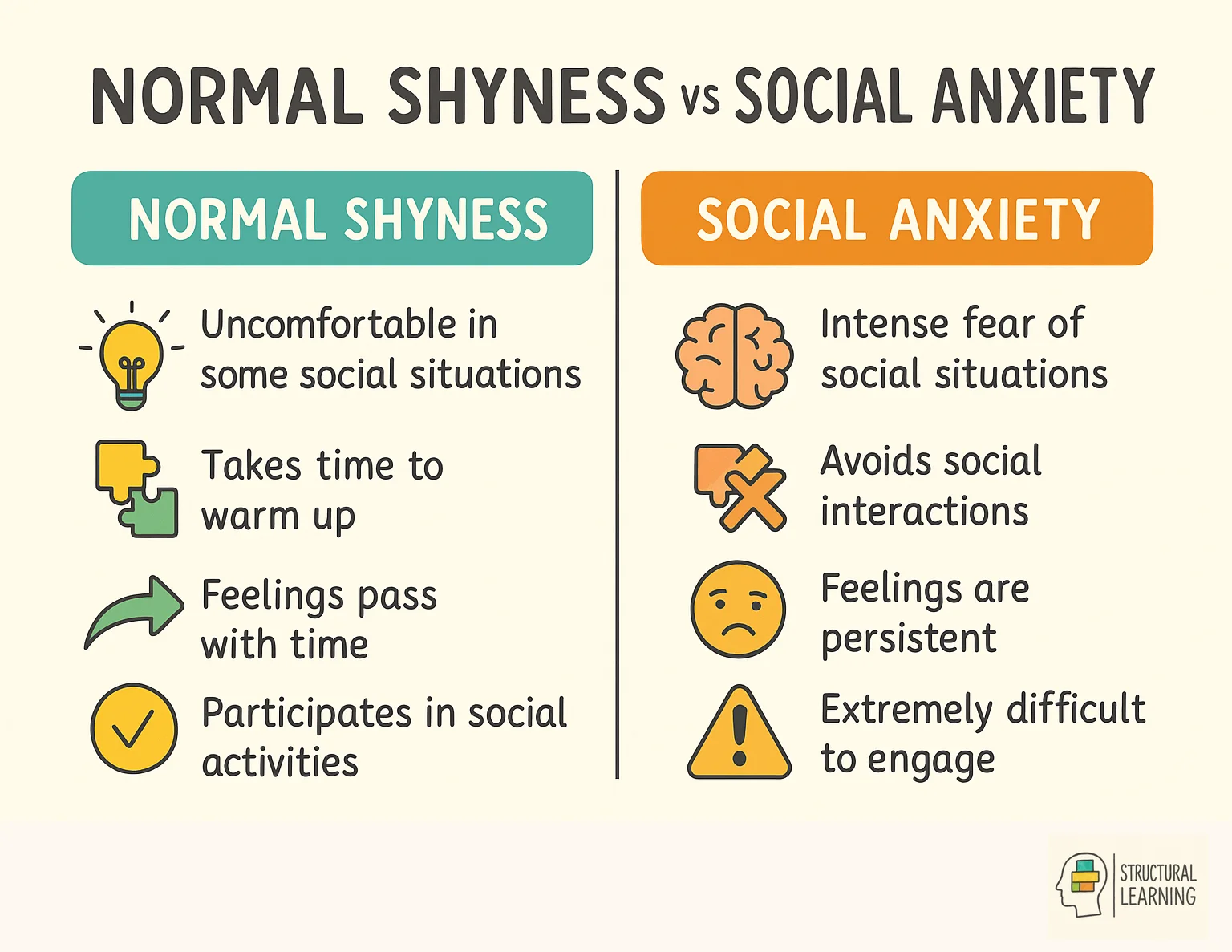
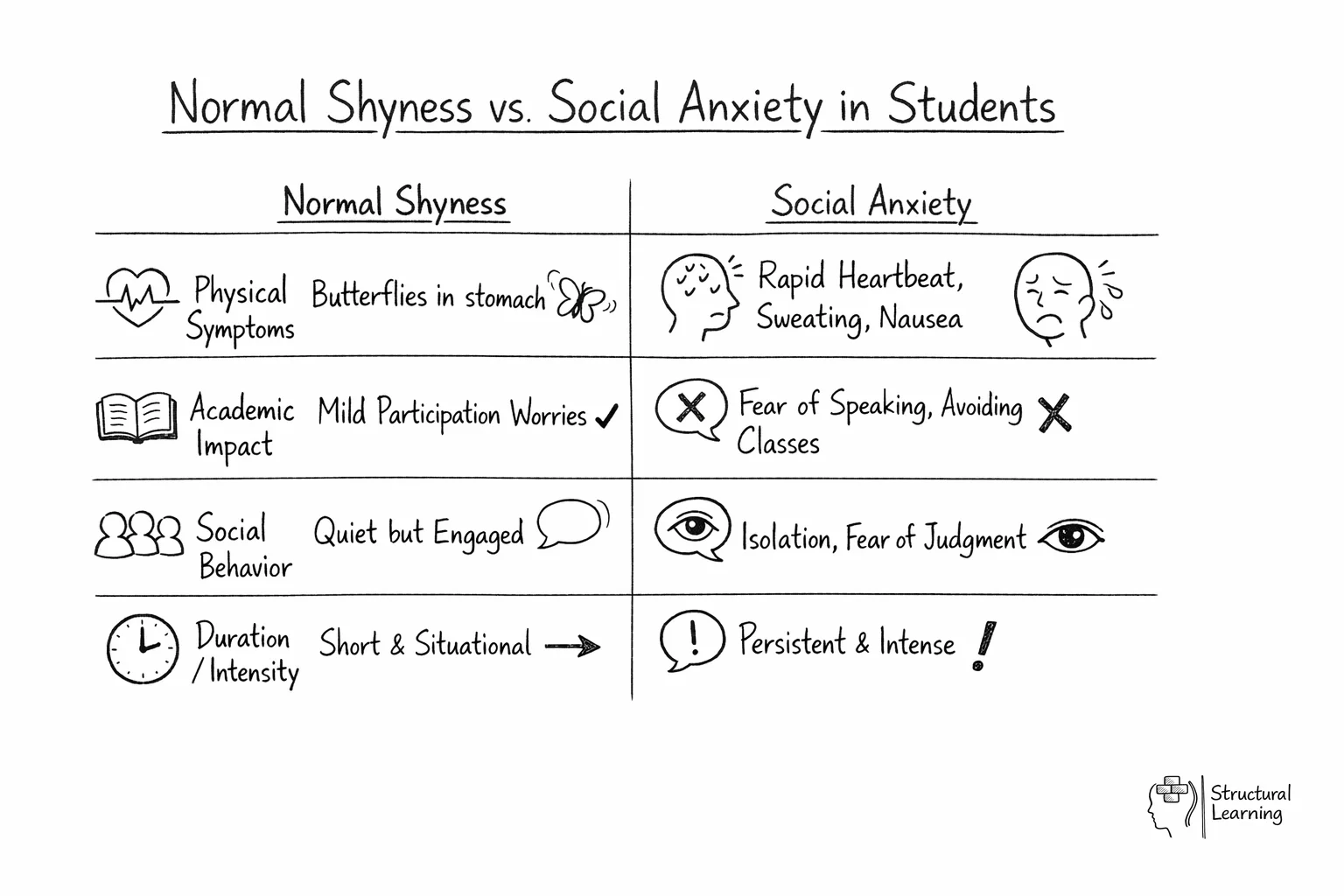
Anxiety is a natural stress response that becomes problematic when it interferes with daily activities and academic performance. In students, anxiety can manifest as excessive worry, physical symptoms like rapid heartbeat, and avoidance of social or academic situations. When anxiety becomes persistent and overwhelming, it may indicate an anxiety disorder that requires professional support.
One of the most widespread mental health problems is anxiety. A person's emotional, psychological, and social well-being are all considered to be indicators of their mental health. It involves our attitudes, emotions, and behaviours. Our mental health enables us to recognise our skills and manage stress. In every stage of our lives, from childhood to death, mental wellness is crucial.
Anxiety is one of the mental health disorders, as was already noted. You may occasionally think, "Oh, I'm feeling anxious." What does it mean to be anxious? It is normal to feel nervous or apprehensive when faced with a stressful or unfamiliar situation. However, if the worry is so persistent that it interferes with a student's daily life, it may be a symptom of an anxiety disorder. Anxiety disorders can manifest differently in students, from general worry and tension to more specific phobias or panic attacks.
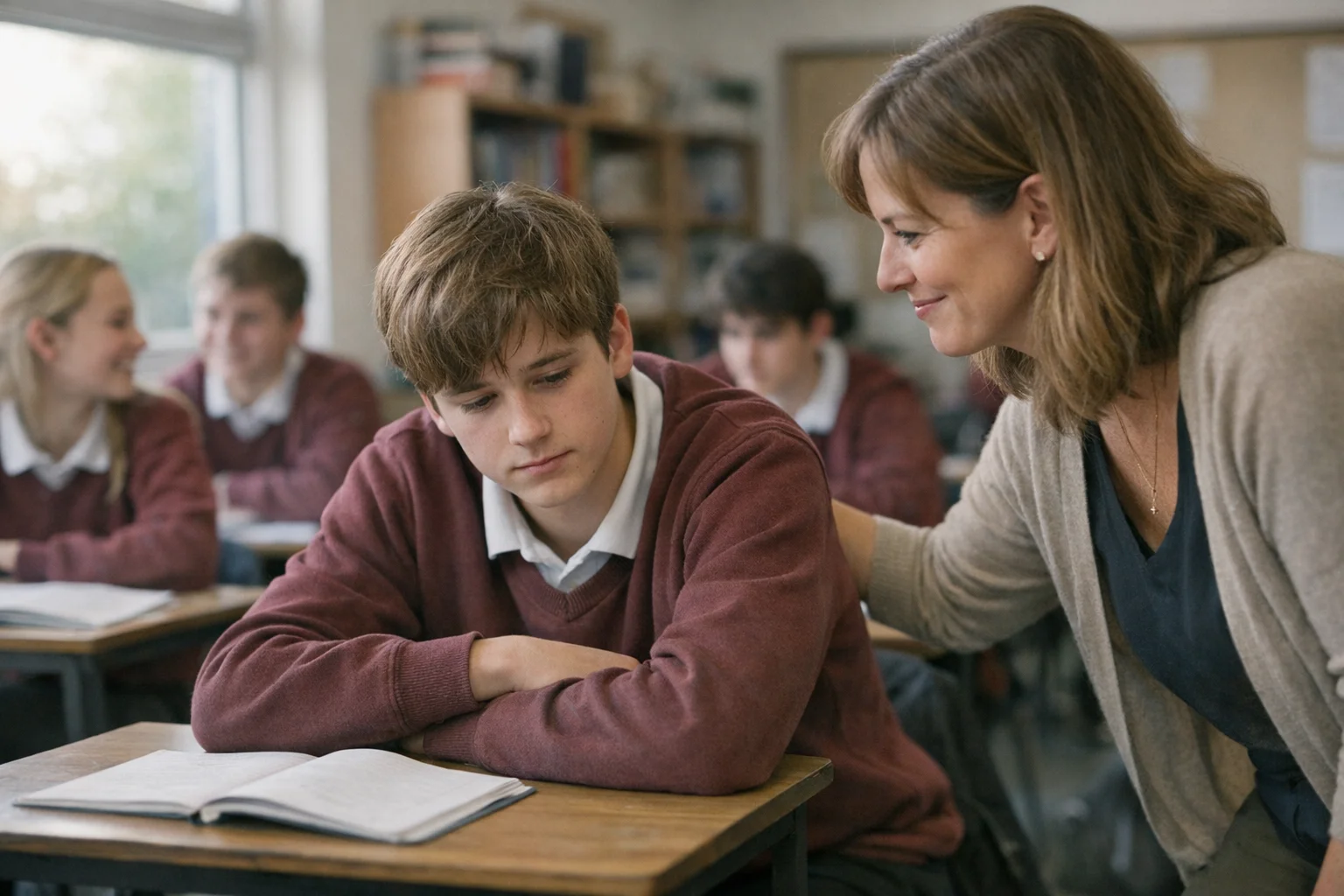
Recognising social anxiety in students is the first step towards providing support. Social anxiety is more than just shyness; it's a persistent fear of social situations where the student feels they might be judged or scrutinised. This fear can lead to avoidance of social interactions, impacting their academic and social development. Here are some signs to watch for:
note that these signs can manifest differently in each student. Some might become withdrawn and isolated, while others might exhibit defiance or irritability as a way to mask their anxiety. Observe students' behaviour over time and look for patterns that suggest social anxiety.
Creating a supportive classroom environment is crucial for students with social anxiety. Here are some practical strategies that teachers can implement:
Remember that patience and understanding are key. Supporting students with social anxiety is an ongoing process that requires sensitivity and a willingness to adapt your approach to meet their individual needs.
Social anxiety can significantly impact a student's academic performance, social interactions, and overall well-being. By understanding the signs of social anxiety and implementing practical support strategies, educators can create a more inclusive and supportive learning environment. Early intervention and ongoing support are crucial for helping students manage their anxiety and reach their full potential.
for educators to remember that they are not alone in this process. Collaboration with parents, school counsellors, and mental health professionals is key to providing comprehensive support for students with social anxiety. By working together, we can helps students to overcome their challenges and thrive in both academic and social settings.
Bögels, S. M., & Schneider, S. (2014). Social anxiety and social phobia in childhood and adolescence: Development, manifestation, and intervention. *Clinical Psychology Review, 34*(7), 475-488.
Rapee, R. M., Abbott, M. J., & Lyneham, H. J. (2006). Social anxiety in adolescence: The role of negative self-evaluation. *Journal of Abnormal Child Psychology, 34*(6), 767-777.
Effective collaboration with parents and carers is essential when supporting students with social anxiety. Many parents may misinterpret their child's behaviour as defiance, laziness, or attention-seeking, rather than recognising the genuine distress underlying social anxiety symptoms. As teachers, you play a crucial role in educating families and creating a unified support network.
Begin conversations with parents by sharing specific observations rather than diagnostic language. Instead of saying "I think your child has social anxiety," try "I've noticed that Sarah seems to experience significant distress during group activities and often requests to visit the nurse before presentations." This approach helps parents understand the behaviours without feeling defensive or overwhelmed.
Provide parents with practical strategies they can implement at home to reinforce classroom support. Encourage them to practise social situations in low-pressure environments, such as ordering food at restaurants or asking shop assistants for help. Role-playing common school scenarios at home can build confidence for real-world interactions.
Address common misconceptions that parents may hold. Some believe that forcing their child into social situations will "cure" the anxiety, whilst others may become overly protective and avoid social settings entirely. Explain that gradual exposure, combined with coping strategies, is more effective than either extreme approach.
Establish clear communication channels for ongoing support. Regular brief check-ins via email or phone can help parents understand their child's progress and adjust strategies accordingly. Share positive observations alongside areas for improvement to maintain hope and motivation for both student and family.
Consider organising workshops for parents on understanding anxiety in young people. Many schools have found success in bringing together families facing similar challenges, reducing isolation and building community support networks that extend beyond the classroom.
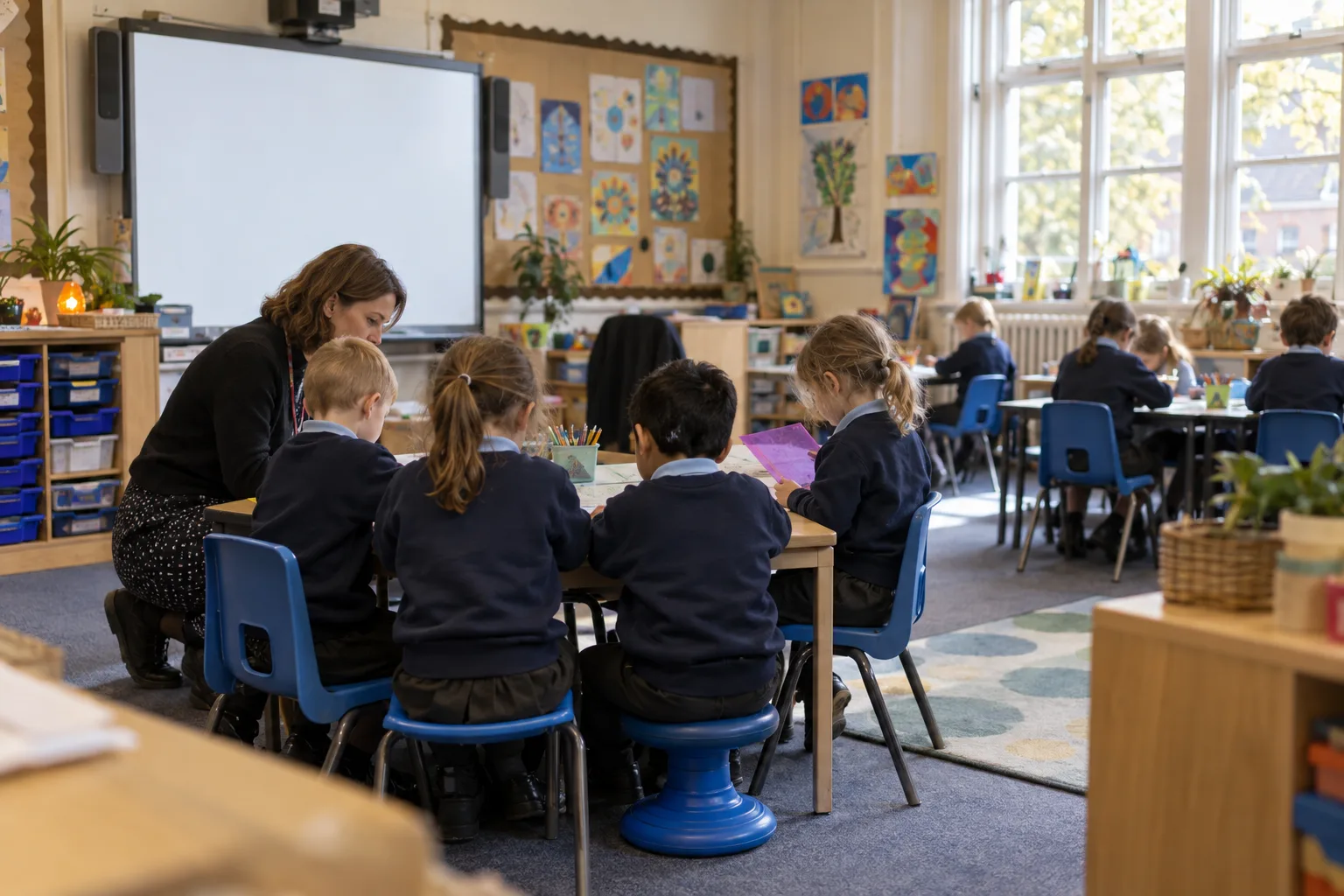
The physical and emotional environment of your classroom significantly impacts students with social anxiety. Small adjustments to your classroom setup and routines can create a more supportive atmosphere that enables anxious students to participate more fully in their education.
Seating arrangements require careful consideration. Avoid putting socially anxious students in the front row where they feel exposed, but don't isolate them at the back either. Side seats or positions near trusted peers often work well, allowing for easy exit routes whilst maintaining connection to classroom activities. Consider implementing flexible seating options that allow students to choose positions where they feel most comfortable.
Establish predictable routines and provide advance notice of changes. Post daily schedules visibly and warn students about upcoming events, visitors, or disruptions to normal routines. For students with social anxiety, uncertainty often amplifies distress, so clear expectations and preparation time are invaluable.
Create quiet spaces within your classroom where students can retreat when feeling overwhelmed. This might be a reading corner with comfortable cushions or a designated desk with noise-cancelling headphones. Normalise the use of these spaces by making them available to all students, not just those with identified anxiety.
Develop subtle signalling systems that allow anxious students to communicate their needs without drawing attention. This could be a small card system where students can discretely indicate when they need a break, or hand signals that communicate their readiness to participate in discussions.
Pay attention to lighting, noise levels, and overall sensory input in your classroom. Harsh fluorescent lighting and excessive noise can heighten anxiety symptoms. Where possible, use natural lighting or softer alternatives, and establish clear expectations about appropriate noise levels during different activities.
Traditional assessment methods often disadvantage students with social anxiety, potentially masking their true academic abilities. Adapting your assessment strategies ensures that anxiety doesn't become a barrier to demonstrating knowledge and skills.
Oral presentations pose particular challenges for socially anxious students. Instead of eliminating these entirely, consider alternative formats such as recorded presentations, poster sessions with small group rotations, or presenting to teaching assistants rather than the entire class. Some students benefit from presenting with a partner or focusing on visual aids rather than direct eye contact with the audience.
Group work assessments require careful structuring to prevent socially anxious students from either dominating tasks to avoid peer judgment or withdrawing completely. Assign specific roles within groups, provide clear guidelines for collaboration, and consider allowing students to choose their groups occasionally whilst also mixing groups to prevent social isolation.
Written assessments may need accommodation for students whose anxiety affects their ability to perform under timed conditions. Extended time, alternative testing locations, or breaking longer assessments into smaller chunks can help reduce anxiety without compromising academic rigour.
Consider implementing portfolio-based assessments that allow students to demonstrate learning over time rather than in single high-pressure situations. This approach provides multiple opportunities for success and reduces the anxiety associated with "one-chance" assessment formats.
Provide clear marking criteria and exemplars to reduce uncertainty about expectations. Students with social anxiety often worry excessively about meeting unknown standards, so transparency in assessment requirements can significantly reduce their distress.
Supporting students with social anxiety effectively requires a coordinated whole-school approach rather than individual teacher efforts alone. Developing institutional knowledge and consistent practices across all staff creates a more supportive environment for anxious students.
Advocate for professional development training on anxiety and mental health for all school staff, including support staff, lunchtime supervisors, and administration personnel. Students with social anxiety interact with various adults throughout the school day, and consistent understanding across all staff members reinforces supportive approaches.
Establish referral pathways and communication protocols between classroom teachers, special educational needs coordinators, and external mental health services. Early intervention is crucial for social anxiety, so clear procedures for escalating concerns ensure students receive appropriate support promptly.
Consider implementing school-wide initiatives that promote positive mental health and reduce stigma around anxiety. Whole-school assemblies, peer mentoring programmes, or awareness weeks can create environments where seeking help for anxiety becomes normalised rather than stigmatised.
Develop consistent policies around social anxiety accommodations that all teachers can implement. This might include agreed-upon alternatives to public speaking, standardised break protocols, or consistent approaches to group work arrangements. Consistency across subjects and teachers reduces anxiety for students who otherwise worry about different expectations in each classroom.
Regular case review meetings allow teachers to share strategies that work for particular students and adjust approaches based on ongoing observations. These collaborative discussions ensure that successful interventions are maintained and refined over time, creating more effective long-term support for students with social anxiety.
Crozier, W. R., & Alden, P. A. (2001). International Handbook of Social Anxiety: Concepts, Research and Interventions Relating to the Self and Shyness. John Wiley & Sons.
Garcia, M. M., & Kearney, C. A. (2013). School absenteeism and school refusal behaviour in youth: A contemporary review. *Clinical Child and Family Psychology Review, 16*(4), 362-376.
A social anxiety test is a tool used to help measure and identify symptoms of social anxiety disorder. It is administered by qualified clinicians and assesses signs of extreme or pathological levels of shyness, fear or discomfort in social situations.
| Examples (This IS Social Anxiety) | Non-Examples (This is NOT Social Anxiety) |
|---|---|
| A student who experiences intense physical symptoms (rapid heartbeat, sweating, trembling) when called on in class and avoids attending school on presentation days | A student who feels nervous before a big presentation but still attends class and completes the task |
| A student who eats lunch alone in the bathroom every day because the fear of being judged in the cafeteria is overwhelming and causes panic | A student who prefers eating lunch alone while reading because they enjoy quiet time, but can socialize when needed |
| A student who hasn't made any friends all year because they experience extreme fear when trying to start conversations, despite desperately wanting connections | A new student who takes a few weeks to warm up to classmates but gradually makes friends at their own pace |
| A student whose grades are suffering because they cannot bring themselves to ask questions in class or visit teachers during office hours due to paralyzing fear | A student who feels slightly uncomfortable asking questions but still raises their hand when they really needhelp |
The questions in the test range from traits like having difficulty making eye contact with others to feeling embarrassed or self-conscious when talking with people. The test results can help diagnose an individual's level of social anxiety, allowing for the development of an effective treatment plan for those who suffer from this condition.


Social anxiety is classified as a mental health condition. It can be caused by various factors, including genetics, environment, and trauma. Although the exact cause is unknown, note that social anxiety disorder is treatable and can be managed with the help of a professional mental health expert. In addition to taking a social anxiety test, talking about your feelings and concerns with a qualified therapist can help you conquer your anxieties.
remember that no two people experience social anxiety in the same way. If you're concerned about your mental health, it's best to talk to a healthcare provider or therapist who can assess your concerns and help you decide whether a social anxiety test is appropriate for you. They will be able to work with you on an individual basis to find the right therapy, medication, or lifestyle changes that can lead to improved mental health.
Following the worldwide COVID pandemic, many people are dealing with social anxiety. People are dealing with a wide range of real-world issues and situations. The circumstances vary from person to person and seem trivial to us. But it might result in significant issues. An outline of social anxiety will be provided in this article.
Anxiety is a natural stress response that becomes problematic when it interferes with daily activities and academic performance. In students, anxiety can manifest as excessive worry, physical symptoms like rapid heartbeat, and avoidance of social or academic situations. When anxiety becomes persistent and overwhelming, it may indicate an anxiety disorder that requires professional support.
One of the most widespread mental health problems is anxiety. A person's emotional, psychological, and social well-being are all considered to be indicators of their mental health. It involves our attitudes, emotions, and behaviours. Our mental health enables us to recognise our skills and manage stress. In every stage of our lives, from childhood to death, mental wellness is crucial.
Anxiety is one of the mental health disorders, as was already noted. You may occasionally think, "Oh, I'm feeling anxious." What does it mean to be anxious? It is normal to feel nervous or apprehensive when faced with a stressful or unfamiliar situation. However, if the worry is so persistent that it interferes with a student's daily life, it may be a symptom of an anxiety disorder. Anxiety disorders can manifest differently in students, from general worry and tension to more specific phobias or panic attacks.
Recognising social anxiety in students is the first step towards providing support. Social anxiety is more than just shyness; it's a persistent fear of social situations where the student feels they might be judged or scrutinised. This fear can lead to avoidance of social interactions, impacting their academic and social development. Here are some signs to watch for:
note that these signs can manifest differently in each student. Some might become withdrawn and isolated, while others might exhibit defiance or irritability as a way to mask their anxiety. Observe students' behaviour over time and look for patterns that suggest social anxiety.
Creating a supportive classroom environment is crucial for students with social anxiety. Here are some practical strategies that teachers can implement:
Remember that patience and understanding are key. Supporting students with social anxiety is an ongoing process that requires sensitivity and a willingness to adapt your approach to meet their individual needs.
Social anxiety can significantly impact a student's academic performance, social interactions, and overall well-being. By understanding the signs of social anxiety and implementing practical support strategies, educators can create a more inclusive and supportive learning environment. Early intervention and ongoing support are crucial for helping students manage their anxiety and reach their full potential.
for educators to remember that they are not alone in this process. Collaboration with parents, school counsellors, and mental health professionals is key to providing comprehensive support for students with social anxiety. By working together, we can helps students to overcome their challenges and thrive in both academic and social settings.
Bögels, S. M., & Schneider, S. (2014). Social anxiety and social phobia in childhood and adolescence: Development, manifestation, and intervention. *Clinical Psychology Review, 34*(7), 475-488.
Rapee, R. M., Abbott, M. J., & Lyneham, H. J. (2006). Social anxiety in adolescence: The role of negative self-evaluation. *Journal of Abnormal Child Psychology, 34*(6), 767-777.
Effective collaboration with parents and carers is essential when supporting students with social anxiety. Many parents may misinterpret their child's behaviour as defiance, laziness, or attention-seeking, rather than recognising the genuine distress underlying social anxiety symptoms. As teachers, you play a crucial role in educating families and creating a unified support network.
Begin conversations with parents by sharing specific observations rather than diagnostic language. Instead of saying "I think your child has social anxiety," try "I've noticed that Sarah seems to experience significant distress during group activities and often requests to visit the nurse before presentations." This approach helps parents understand the behaviours without feeling defensive or overwhelmed.
Provide parents with practical strategies they can implement at home to reinforce classroom support. Encourage them to practise social situations in low-pressure environments, such as ordering food at restaurants or asking shop assistants for help. Role-playing common school scenarios at home can build confidence for real-world interactions.
Address common misconceptions that parents may hold. Some believe that forcing their child into social situations will "cure" the anxiety, whilst others may become overly protective and avoid social settings entirely. Explain that gradual exposure, combined with coping strategies, is more effective than either extreme approach.
Establish clear communication channels for ongoing support. Regular brief check-ins via email or phone can help parents understand their child's progress and adjust strategies accordingly. Share positive observations alongside areas for improvement to maintain hope and motivation for both student and family.
Consider organising workshops for parents on understanding anxiety in young people. Many schools have found success in bringing together families facing similar challenges, reducing isolation and building community support networks that extend beyond the classroom.
The physical and emotional environment of your classroom significantly impacts students with social anxiety. Small adjustments to your classroom setup and routines can create a more supportive atmosphere that enables anxious students to participate more fully in their education.
Seating arrangements require careful consideration. Avoid putting socially anxious students in the front row where they feel exposed, but don't isolate them at the back either. Side seats or positions near trusted peers often work well, allowing for easy exit routes whilst maintaining connection to classroom activities. Consider implementing flexible seating options that allow students to choose positions where they feel most comfortable.
Establish predictable routines and provide advance notice of changes. Post daily schedules visibly and warn students about upcoming events, visitors, or disruptions to normal routines. For students with social anxiety, uncertainty often amplifies distress, so clear expectations and preparation time are invaluable.
Create quiet spaces within your classroom where students can retreat when feeling overwhelmed. This might be a reading corner with comfortable cushions or a designated desk with noise-cancelling headphones. Normalise the use of these spaces by making them available to all students, not just those with identified anxiety.
Develop subtle signalling systems that allow anxious students to communicate their needs without drawing attention. This could be a small card system where students can discretely indicate when they need a break, or hand signals that communicate their readiness to participate in discussions.
Pay attention to lighting, noise levels, and overall sensory input in your classroom. Harsh fluorescent lighting and excessive noise can heighten anxiety symptoms. Where possible, use natural lighting or softer alternatives, and establish clear expectations about appropriate noise levels during different activities.
Traditional assessment methods often disadvantage students with social anxiety, potentially masking their true academic abilities. Adapting your assessment strategies ensures that anxiety doesn't become a barrier to demonstrating knowledge and skills.
Oral presentations pose particular challenges for socially anxious students. Instead of eliminating these entirely, consider alternative formats such as recorded presentations, poster sessions with small group rotations, or presenting to teaching assistants rather than the entire class. Some students benefit from presenting with a partner or focusing on visual aids rather than direct eye contact with the audience.
Group work assessments require careful structuring to prevent socially anxious students from either dominating tasks to avoid peer judgment or withdrawing completely. Assign specific roles within groups, provide clear guidelines for collaboration, and consider allowing students to choose their groups occasionally whilst also mixing groups to prevent social isolation.
Written assessments may need accommodation for students whose anxiety affects their ability to perform under timed conditions. Extended time, alternative testing locations, or breaking longer assessments into smaller chunks can help reduce anxiety without compromising academic rigour.
Consider implementing portfolio-based assessments that allow students to demonstrate learning over time rather than in single high-pressure situations. This approach provides multiple opportunities for success and reduces the anxiety associated with "one-chance" assessment formats.
Provide clear marking criteria and exemplars to reduce uncertainty about expectations. Students with social anxiety often worry excessively about meeting unknown standards, so transparency in assessment requirements can significantly reduce their distress.
Supporting students with social anxiety effectively requires a coordinated whole-school approach rather than individual teacher efforts alone. Developing institutional knowledge and consistent practices across all staff creates a more supportive environment for anxious students.
Advocate for professional development training on anxiety and mental health for all school staff, including support staff, lunchtime supervisors, and administration personnel. Students with social anxiety interact with various adults throughout the school day, and consistent understanding across all staff members reinforces supportive approaches.
Establish referral pathways and communication protocols between classroom teachers, special educational needs coordinators, and external mental health services. Early intervention is crucial for social anxiety, so clear procedures for escalating concerns ensure students receive appropriate support promptly.
Consider implementing school-wide initiatives that promote positive mental health and reduce stigma around anxiety. Whole-school assemblies, peer mentoring programmes, or awareness weeks can create environments where seeking help for anxiety becomes normalised rather than stigmatised.
Develop consistent policies around social anxiety accommodations that all teachers can implement. This might include agreed-upon alternatives to public speaking, standardised break protocols, or consistent approaches to group work arrangements. Consistency across subjects and teachers reduces anxiety for students who otherwise worry about different expectations in each classroom.
Regular case review meetings allow teachers to share strategies that work for particular students and adjust approaches based on ongoing observations. These collaborative discussions ensure that successful interventions are maintained and refined over time, creating more effective long-term support for students with social anxiety.
Crozier, W. R., & Alden, P. A. (2001). International Handbook of Social Anxiety: Concepts, Research and Interventions Relating to the Self and Shyness. John Wiley & Sons.
Garcia, M. M., & Kearney, C. A. (2013). School absenteeism and school refusal behaviour in youth: A contemporary review. *Clinical Child and Family Psychology Review, 16*(4), 362-376.
{"@context":"https://schema.org","@graph":[{"@type":"Article","@id":"https://www.structural-learning.com/post/social-anxiety-test#article","headline":"Social Anxiety in Students: Understanding, Identifying, and Supporting","description":"Learn to recognise social anxiety in students and understand effective support strategies. Discover the signs, impacts on learning, and evidence-based...","datePublished":"2023-02-14T16:44:36.703Z","dateModified":"2026-01-26T10:09:32.212Z","author":{"@type":"Person","name":"Paul Main","url":"https://www.structural-learning.com/team/paulmain","jobTitle":"Founder & Educational Consultant"},"publisher":{"@type":"Organization","name":"Structural Learning","url":"https://www.structural-learning.com","logo":{"@type":"ImageObject","url":"https://cdn.prod.website-files.com/5b69a01ba2e409e5d5e055c6/6040bf0426cb415ba2fc7882_newlogoblue.svg"}},"mainEntityOfPage":{"@type":"WebPage","@id":"https://www.structural-learning.com/post/social-anxiety-test"},"image":"https://cdn.prod.website-files.com/5b69a01ba2e409501de055d1/69525ce2614bbe7fdd519d36_69525ce1ed0e26602018654b_social-anxiety-test-infographic.webp","wordCount":3911},{"@type":"BreadcrumbList","@id":"https://www.structural-learning.com/post/social-anxiety-test#breadcrumb","itemListElement":[{"@type":"ListItem","position":1,"name":"Home","item":"https://www.structural-learning.com/"},{"@type":"ListItem","position":2,"name":"Blog","item":"https://www.structural-learning.com/blog"},{"@type":"ListItem","position":3,"name":"Social Anxiety in Students: Understanding, Identifying, and Supporting","item":"https://www.structural-learning.com/post/social-anxiety-test"}]}]}