Updated on
October 8, 2026
Reading Spine: A Year 1–6 Selection and Review Guide
Build and review a Year 1–6 reading spine with clear selection reasons, wider reading and teacher choice. Use fictional examples and a printable note.

Updated on
October 8, 2026
Build and review a Year 1–6 reading spine with clear selection reasons, wider reading and teacher choice. Use fictional examples and a printable note.
How do you build and review a reading spine?
A reading spine is a planned core of shared texts that classes revisit and connect over time. Keep it alongside wider reading and teacher choices. Record each text’s purpose, distinctive features and links with the whole selection, then review the reasons regularly. The guidance here prescribes no universal book list or count.
Start with the books your classes share. Ask why each belongs, what it adds and where the selection leaves a gap. Make those reasons visible, with room for teacher choice and wider reading.
Try a purpose check in the fictional Year 2 English case below. Learners retell the change of plan or use words from the story to explain it.
A reading spine is a planned core of shared texts that classes return to and connect over time. In Corbett’s original reading-spine guide, the core is supplemented by other books. His practice guide also makes room for teacher choices, poetry and non-fiction. It is one approach, rather than a statutory list for every school.
The Department for Education (DfE)’s July 2023 reading framework, pages 31–32, advises a core for each year group. These pages sit in the Reception and Years 1–2 story-times section and also note older learners. They discuss selection, refresh, teacher additions and earlier shared texts. This is guidance, not a tested count or attainment promise.
The core answers “What will we share, and why?” It is not everything a learner will read. Our whole-class reading guide addresses lesson routines. This guide addresses the longer-term selection.
One text can serve several purposes. Record the intended use rather than assuming it will suit every use. Reading aloud, shared study and independent reading ask different things of the text and reader.
A learner may discuss a story read aloud while needing another text for independent reading. The spine does not replace word-reading provision. This note makes no individual decoding judgement.
For introducing the text, see shared reading strategies. For independent choice and the wider culture, see reading for pleasure.
Start with the book stock and current plans. Record each text’s title, author, edition, form and intended use. A familiar favourite may have a strong reason for inclusion. Make that reason visible to the next teacher.
| Record | Question to answer | Useful detail |
|---|---|---|
| Purpose | Why this text in this shared core? | Name the read-aloud, study or connection you have in mind. |
| Text features | What is distinctive about its language, structure or form? | Identify a feature you can point to in the text. |
| Whole selection | What does this text add or repeat? | Consider forms, experiences and links with earlier reading. |
| Practical use | Which edition and copies are available? | Check the actual resource before planning its use. |
Check that colleagues mean the same edition. The extract, pictures or form may differ between copies. Keep the note brief. Point to a passage or feature rather than simply calling the book “rich”.
The audit may reveal useful books already owned, or a reason to change. Check before planning purchases. No product or placement is recommended.
DfE’s questions include learners’ own lives and different experiences and perspectives. A single book is unlikely to meet every criterion. Review the whole selection rather than asking one title to represent everything.
Include stories, poetry and non-fiction. Ask which forms, voices and settings recur, and what is missing. Wider choices can add something the core does not provide.
| Year group | An illustrative review question |
|---|---|
| Year 1 | Which stories, poems and non-fiction will the class share and revisit? |
| Year 2 | What new forms or experiences sit beside texts already known? |
| Year 3 | Which links with earlier reading can teachers make visible? |
| Year 4 | What different language or structures does this selection invite learners to explore? |
| Year 5 | Where can readers compare voice or viewpoint across texts? |
| Year 6 | How does the core sit alongside wider reading and informed choice? |
“The book is longer” does not explain progression. A short text can make demanding choices about voice, time or meaning. Keep picture books in the review where their form serves the purpose.
Use curriculum mapping to show connections. Keep it reviewable. Earlier texts are a resource to draw on, not evidence that every learner remembers them fully.
Fictional classroom example. The teacher reads an invented story: two characters try to cross a stream. One suggests a shortcut; the other looks for a bridge. The purpose is to explore how actions move the story forward. No published title or learner record is used.
| Learner action in this invented lesson | Teacher choice | What to review |
|---|---|---|
| One pair retells the actions using three teacher-made sequence cues. | Invite them to show which action changed the plan. | Can the response connect an action with the next event? |
| Another pair points to a phrase from the invented story and explains the change. | Ask which part supports their account. | Does the explanation use the text rather than a guess? |
| A learner revises their first account after hearing a peer. | Leave room to explain what changed their view. | What helped the learner return to the story? |
The note records the story’s clear change of plan. Both routes keep the question shared while allowing different responses. The teacher reviews those responses, rather than counting finished sheets.
If the link between actions is lost, revisit the moment. If the text no longer serves the purpose, review the choice. These fictional decisions prove no effects.
See reading comprehension routines for lesson questions. Keep the selection reason separate from the response task.
Fictional classroom example. An invented narrator first hears a sound behind a door, then wonders if it came from outside. The teacher chooses this narrative to explore language showing uncertainty. It is authored material, not a published extract.
| Learner action in this invented lesson | Teacher choice | Selection question afterwards |
|---|---|---|
| One pair marks the two places where the narrator offers different accounts. | Provide the relevant short section and invite comparison. | Did this feature give the class a useful point to revisit? |
| Another pair explains how “perhaps” changes the narrator’s certainty. | Ask them to connect that word with the account offered. | Was the intended language feature clear enough to discuss? |
| A learner offers a different interpretation and points to supporting words. | Ask the group to compare the evidence for both readings. | What can the next shared text add to this discussion? |
The lead records what this adds to earlier reading. A later choice could offer a different voice for comparison. This is a possible connection, not a prescribed book or sequence.
See inference in reading for implied meaning and vocabulary teaching for a relevant word’s place in the lesson. Neither supplies a compulsory spine list.
Record one choice and its reason. Load a fictional example or edit the fields. Use no personal learner data. The note copies your entries. It does not judge a book, score a learner or verify the choice.
Download the fictional selection note (PDF). This is the coherent Year 2 example, rather than a required template or a record of a real learner.
Review the reasons, not just whether the class reached the last page. DfE advises regular refresh, at least once a year, and knowing texts shared in earlier years. This is guidance, not a new statutory deadline.
| Possible decision | Question for the review | Record afterwards |
|---|---|---|
| Keep | Does the text still serve a clear purpose in the core? | The feature or connection that justifies keeping it. |
| Revisit | Which moment or feature deserves another encounter? | Why returning would serve this planned use. |
| Supplement | What does the wider selection need alongside this text? | The form, experience or connection to add. |
| Replace | Has the intended use changed or a gap become clearer? | The reason for reviewing this choice, without assuming a purchase. |
Ask how the teacher used the text. Learner comments can prompt review. Keep records anonymous. This note asks for no learner name, score or personal details.
Keep space for books chosen for enjoyment, current interests or another curriculum question. Corbett explicitly supplements his core, including poetry and non-fiction.
A list can become hard to change or prompt demands for more copies. Make the reason reviewable. This is an authored concern, not a reported quotation.
Ask which purpose would be lost if a text changed. Preserve a clear purpose in the next choice. Resolve an unclear one. Keep teacher additions available so the core does not become the whole reading diet.
Verbatim excerpts from five verified public posts on X. These are opinions and reported experiences, not research evidence.
Each excerpt uses at most 25 words. Images reproduce the original post resources, with no book or age recommendation. Themes are our labels. The request to diversify a spine is a review concern, not a rejection of shared reading.
Our Spring Geography Reading Spine books have arrived ! Excited to give these to teachers to support their Geography teaching !
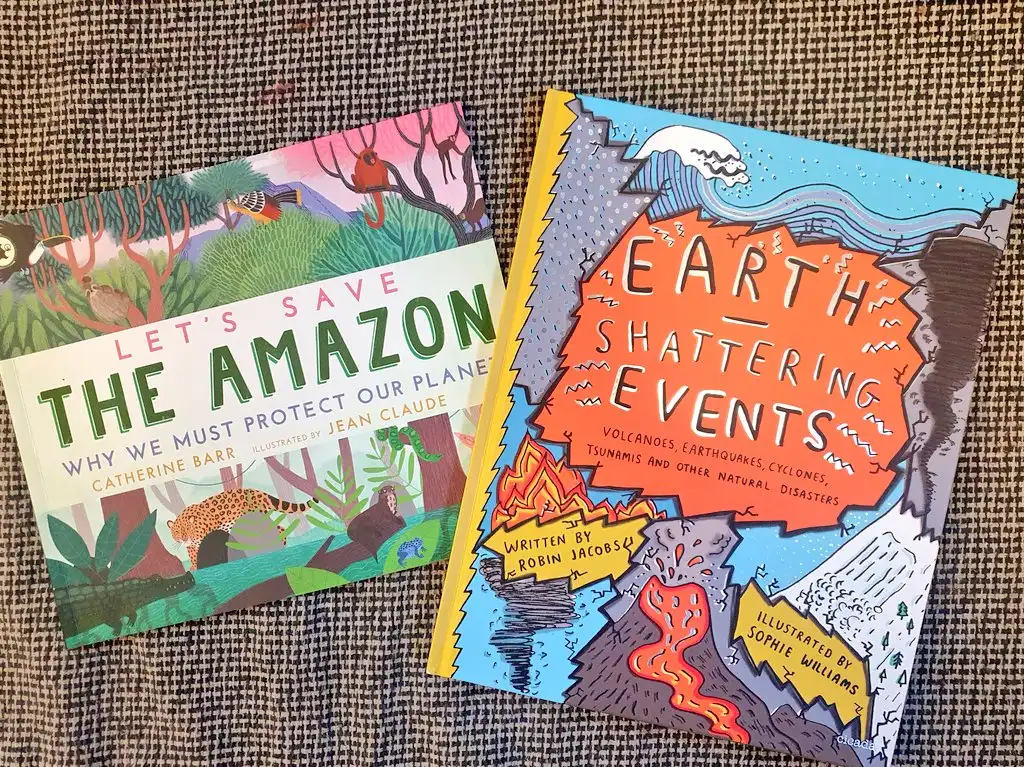
The accompanying reading spine for each year group is a work of art!
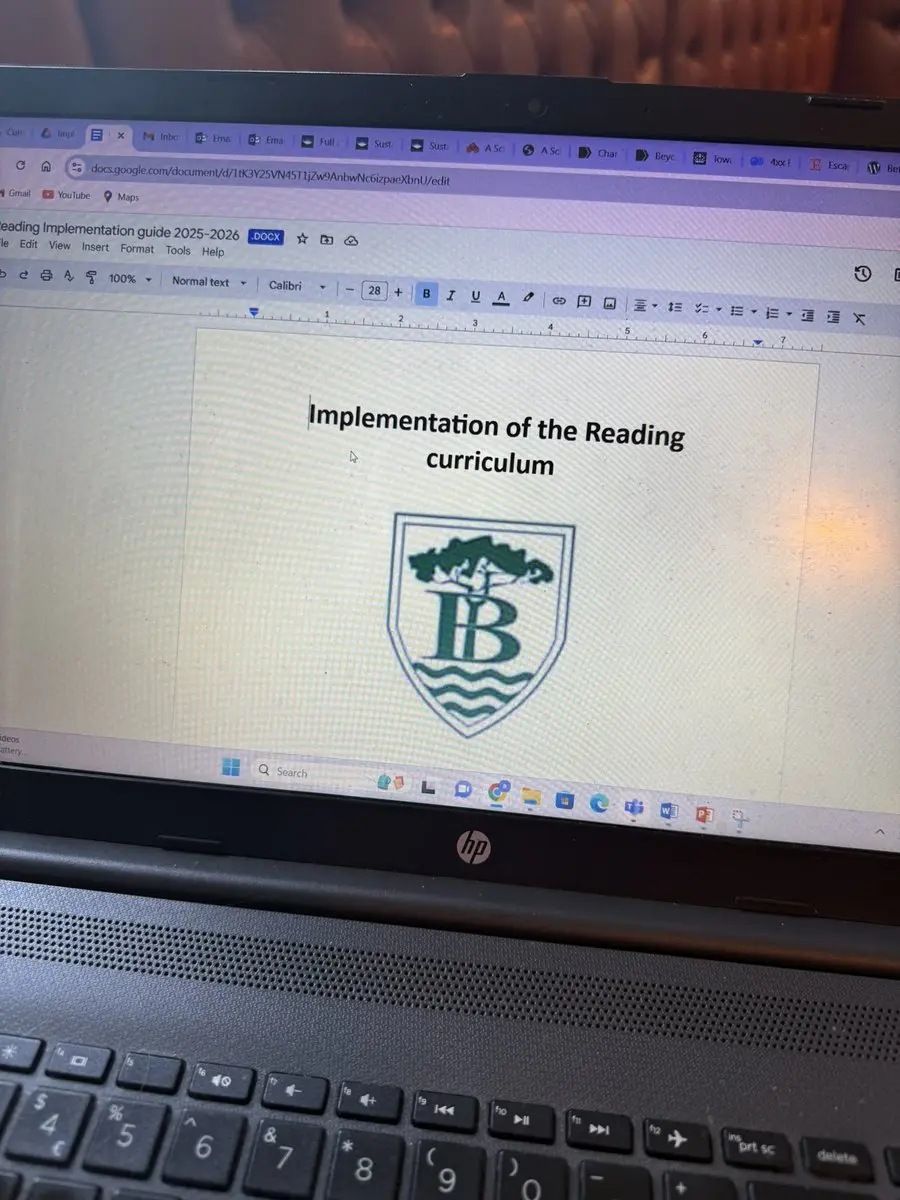
Themes are our labels.
| Theme | What teachers said | Who and when |
|---|---|---|
| Shared reading | Base 2 have been enjoying books from our Pie Corbett Reading Spine recently. | @ArklestonSchoolPublic post excerpt30 April 2024 (UTC)Post by @ArklestonSchool, 30 April 2024 (UTC) |
| Diversifying an existing spine | I am looking to diversify our current reading spine. I have some specific books but need more inspiration and research. | @SarahRenstaPublic post excerpt25 March 2024 (UTC)Post by @SarahRensta, 25 March 2024 (UTC) |
| Book selection | We’re returning from a primary school reading spine consultation. Aren’t we all the better for the wealth of great children’s books? | @bookwagonukPublic post excerpt1 July 2024 (UTC)Post by @bookwagonuk, 1 July 2024 (UTC) |
| Original source | Use in this guide | Limit |
|---|---|---|
| DfE, The reading framework, July 2023 | Core read-aloud selection, whole-selection criteria, refresh and teacher additions. | England guidance, not a validated universal list or a trial of these examples. |
| Pie Corbett’s Reading Spine, pp1–2 | A particular shared-core practice with wider reading, teacher choice, poetry and non-fiction. | Practice proposal, not a statutory count, title mandate or causal outcome study. |
The examples, prompts and note are authored illustrations, not a tested programme. A completed note proves no reading progress. No universal enjoyment or attainment gain is claimed. Check title suitability, rights and actual provision separately.
Scope: selection rationale for a primary English lead. DfE discusses read-aloud choice, including relevance to older learners. Corbett proposes a practice. Neither validates this prompt table or supplies an individual reading assessment.
For the wider provision around the selection, see our literacy pedagogy guide.
These sources offer guidance and practice, not statutory book counts, titles or year placements.
No. Retain wider reading and teacher choice. Hearing a text does not establish its suitability for independent word reading.
Length alone cannot explain progression. Consider language, structure, meaning, forms and connections, including picture books where useful.
DfE’s July 2023 framework advises refresh at least annually. This is guidance, not a statutory review deadline.
It records your reasoning. It verifies no suitability, learner grade or effect of the spine.
Review one text. Name its purpose, supporting feature and connection or gap. Keep the next question in the note. Start planning a shared-reading lesson that uses the choice.