Curriculum Mapping
Discover a guide to curriculum mapping principles and practices, helping teachers plan lessons for effective, inclusive learning outcomes.


Discover a guide to curriculum mapping principles and practices, helping teachers plan lessons for effective, inclusive learning outcomes.
| Map Type | Purpose | Key Components | Best For |
|---|---|---|---|
| Horizontal Map | Show connections across subjects | Cross-curricular links, shared skills | Thematic planning |
| Vertical Map | Show progression through years | Skill development, concept building | Subject coherence |
| Unit Map | Detail single unit planning | Objectives, assessments, resources | Lesson planning |
| Standards Map | Align to external standards | Coverage tracking, gaps | Compliance and quality |
| Assessment Map | Track assessment distribution | Types, timing, balance | Workload management |
Curriculum mapping is the process of documenting and aligning the instructional standards and outcomes of a curriculum. It provides teachers with a clear overview of what is being taught, when it is being taught, and how it is being assessed. The purpose of curriculum mapping is to ensure that the curriculum is cohesive, comprehensive, and aligned with standards and learning outcomes.
There are different curriculum planning approaches to curriculum mapping, including the use of spreadsheets, software tools, and visual maps to document the sequence and progression of learning. This systematic approach is particularly valuable for homeschool curriculum planning, where parents need clear documentation of their educational program. The process typically involves identifying the key components of the curriculum, such as learning objectives, assessments, and resources, and aligning them with standards and benchmarks.

Curriculum mapping can be used to review and revise the curriculum by identifying gaps, redundancies, and areas for improvement. This process involves gathering feedback from educators, analysing assessment data, and updating the curriculum to better meet the needs of students.
Key components of curriculum mapping include a clear scope and sequence, alignment with standards, and assessment data. The potential benefits for educators and students include improved instructional coherence, alignment with standards, and a clearer understanding of the learning progression.

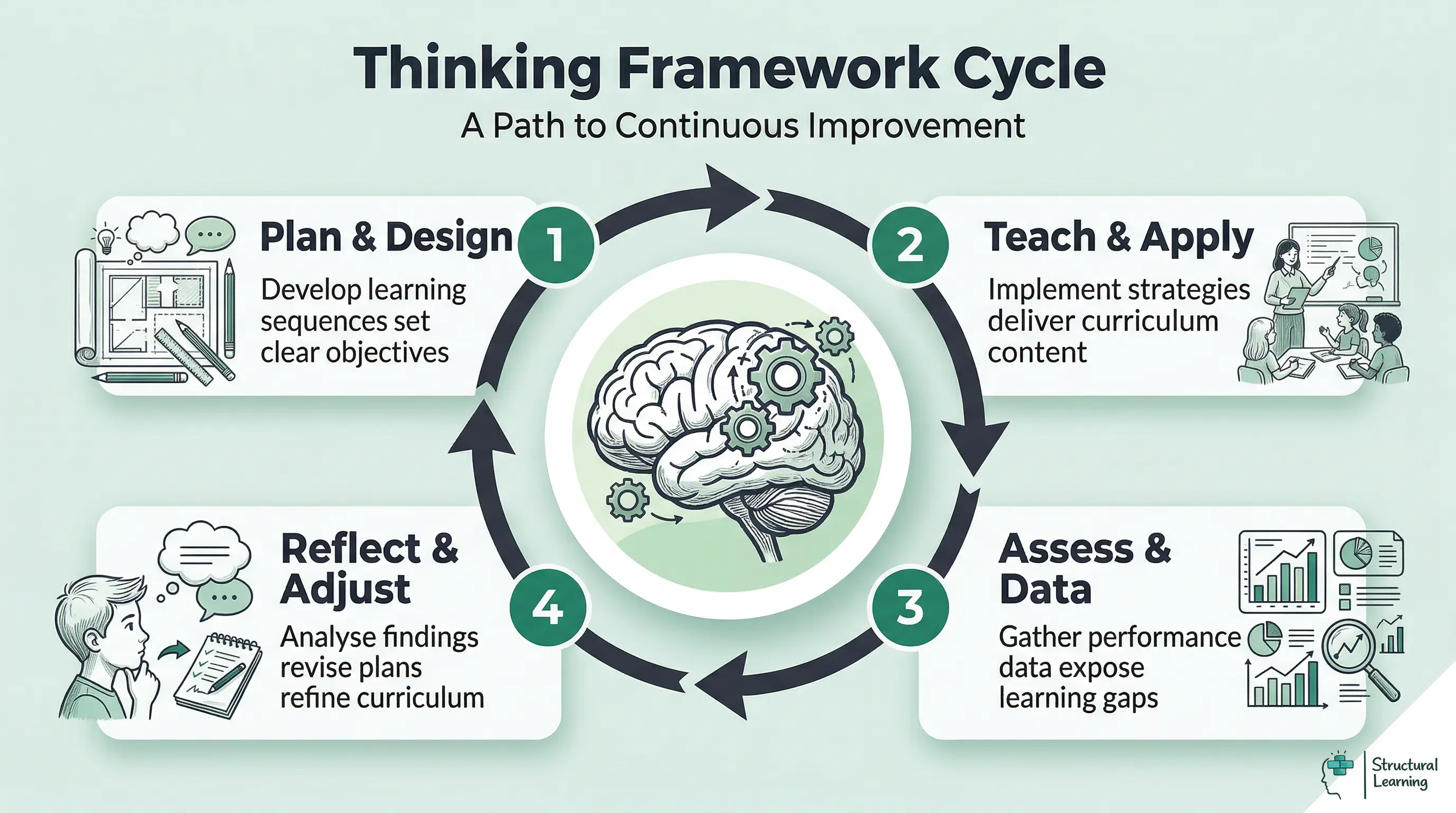
This guide will not only unravel the foundational principles that make curriculum mapping an indispensable tool for educators but also introduce a dynamic new instrument, the thinking framework. This effective tool is designed to enhance educators' ability to develop effective learning sequences, ensuring that every step in the classroom is purposeful and impactful.
Through the thinking framework, teachers can refine their curriculum plans, align instructional strategies with learning outcomes, and creates an environment of success for every student. Join us as we navigate the multifaceted landscape of curriculum mapping, helped by the thinking framework to transform educational theory into classroom practice.
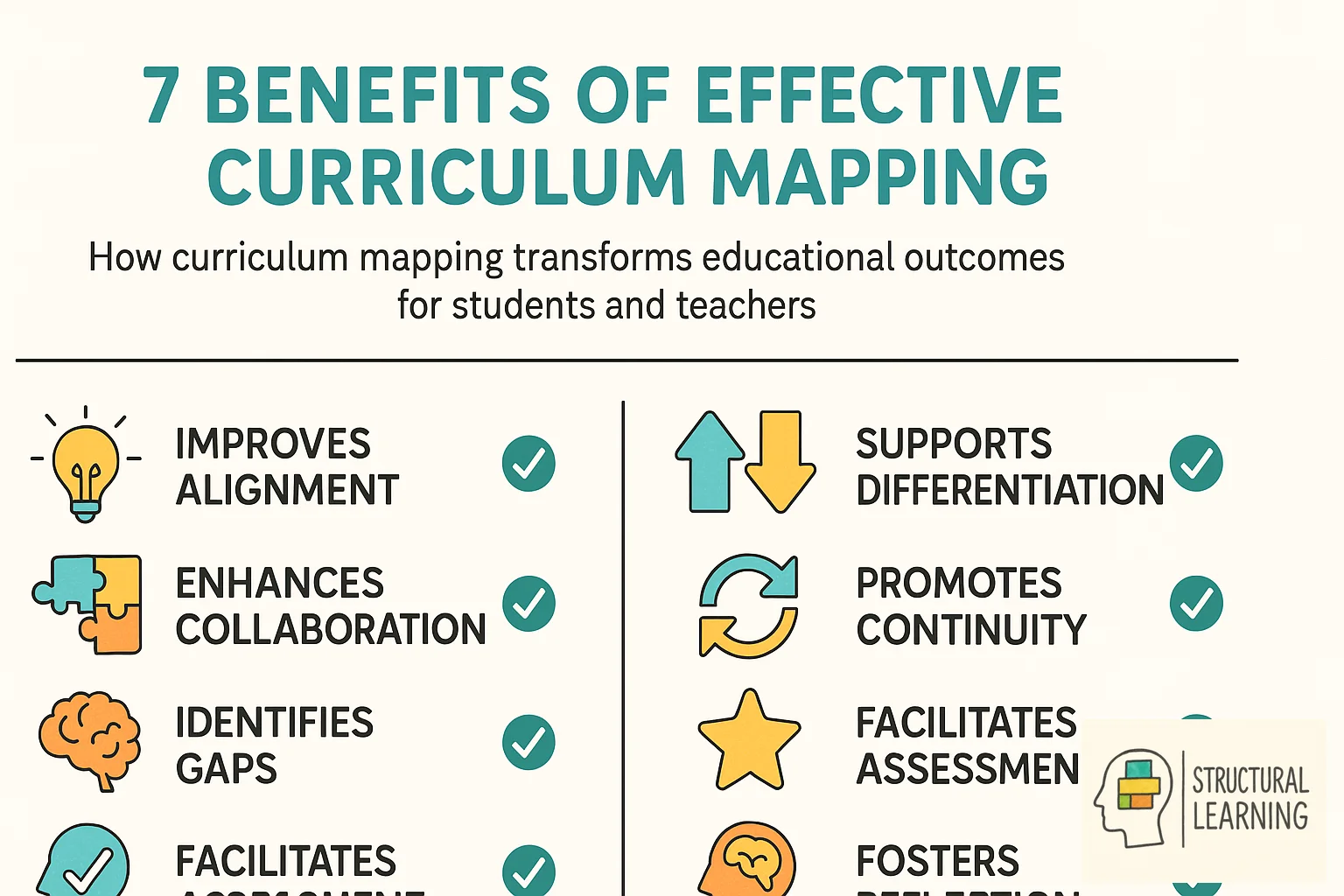
Curriculum mapping helps schools identify learning gaps, reduce content redundancies, and ensure consistent teaching across year levels. It improves student achievement by aligning assessments with learning objectives and provides teachers with a clear overview of what content is covered when. The process also facilitates better collaboration between teachers and departments.
Curriculum mapping serves as a critical compass in educational settings, guiding the development of curriculum plans that are reflective, cohesive, and effective. It aligns teaching strategies with academic courses and learning expectations, ensuring every student benefits from consistent and high-quality instruction. With the thinking framework as an underpinning structure, educators can harness these seven benefits to improve educational results.
Reflective practice is embedded within the thinking framework, providing a systematic approach to continual improvement. As renowned educator John Dewey stated, "We do not learn from experience. We learn from reflecting on experience." This sentiment echoes the core advantage of curriculum mapping when fused with the thinking framework, it not only charts a course for academic delivery but also invites ongoing refinement to meet the dynamic landscape of education through metacognition and thoughtful questioning practices. The framework supports both project-based learning initiatives and inquiry-based approaches while ensuring inclusive practices that accommodate all learners. Additionally, educators can incorporate retrieval practice techniques and summative assessments to strengthen the overall learning experience.
data-rt-align="center">
Curriculum mapping examples include documenting learning objectives, instructional activities, and assessments in a curriculum map or matrix. For instance, a Year 7 English curriculum map might outline the novels to be studied, the writing assignments planned, and the grammar concepts to be taught each term. A science curriculum map could detail the experiments, scientific principles, and assessment methods for each unit. These maps can be tailored to different subjects and year levels, providing a comprehensive overview of the curriculum.
Another example involves aligning curriculum maps with educational standards to ensure that students are meeting required benchmarks. This may involve using backward design, where educators start with the desired learning outcomes and then plan the curriculum accordingly. Some schools utilise digital curriculum mapping tools to streamline the process, making it easier to collaborate and share resources.
In secondary mathematics, curriculum maps might track the progression from basic algebra concepts in Year 7 through to calculus in Year 13, identifying where geometric reasoning skills are reinforced across different units. Teachers can spot that coordinate geometry appears in both the algebra and statistics units, creating opportunities for meaningful connections that enhance student learning through deliberate practice and application.
Primary schools often create cross-curricular maps showing how literacy skills develop through science investigations, history projects, and geography fieldwork. For instance, a Year 4 map might reveal that persuasive writing is taught in English lessons whilst simultaneously being applied in a geography unit about environmental conservation, strengthening both subjects through purposeful integration. This systematic approach enables teachers to plan collaborative activities that reinforce key skills across multiple contexts.
Whole-school curriculum mapping proves particularly valuable when tracking essential skills like digital literacy or critical thinking. A comprehensive map might show how research skills begin with simple fact-finding in Key Stage 1, progress to source evaluation in Key Stage 2, and culminate in independent investigation projects at Key Stage 3. This longitudinal view helps curriculum coordinators identify gaps in provision and ensures the implementation process builds genuine expertise rather than repeating surface-level activities across different year groups.
To implement curriculum mapping successfully, educators should follow a structured approach. This involves:
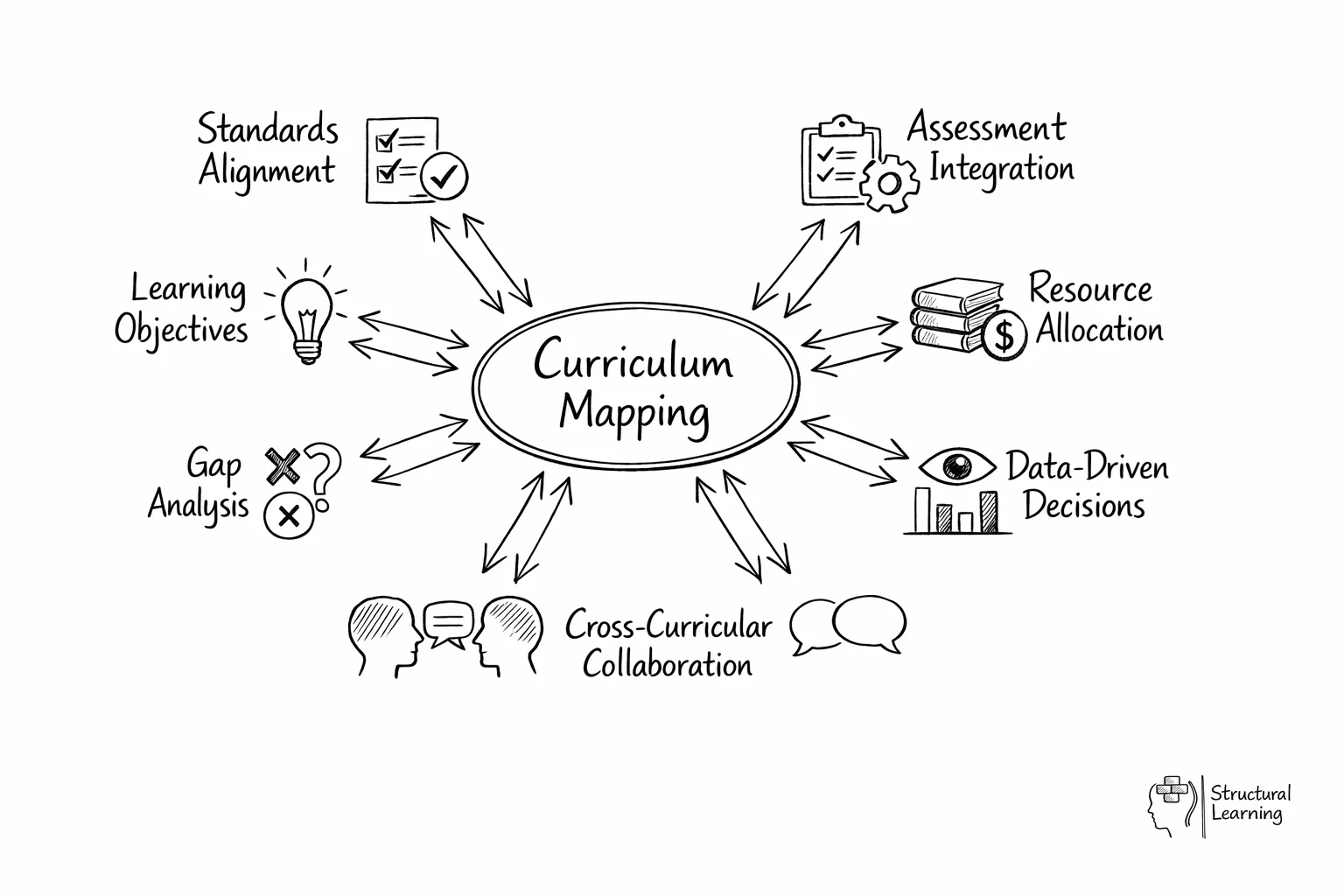
By following these steps, educators can create a cohesive and comprehensive curriculum that supports student success.
Successful curriculum mapping implementation begins with establishing clear goals and securing leadership commitment. Start by forming a mapping team that includes administrators, department heads, and classroom teachers who will champion the process amongst their colleagues.
Teacher collaboration proves essential during the implementation process. Create dedicated time for staff to work together on mapping activities, whether through release time, staff meetings, or professional development days. Encourage teachers to share their initial maps with colleagues for feedback before finalising entries. This collaborative approach not only improves the quality of individual maps but also builds collective ownership of the curriculum mapping initiative across your school community.
Effective implementation typically takes 2-3 years to fully embed, requiring patience and consistent administrative support throughout the process. Celebrate early wins and acknowledge teachers who engage enthusiastically with the systematic approach, as their positive experiences will encourage wider adoption amongst staff.
Curriculum mapping encompasses three distinct approaches, each serving different purposes in the systematic documentation of educational outcomes. Consensus maps represent collaborative agreements about what should be taught, creating shared expectations across year groups or departments. These maps emerge from teacher collaboration and establish common standards for content delivery and assessment practices.
Diary maps document what actually occurs in classrooms, capturing the reality of day-to-day teaching experiences. Teachers record content covered, time allocations, and assessment methods as they happen, providing authentic data about curriculum implementation. This approach reveals gaps between intended and delivered curriculum, offering valuable insights for professional reflection and organisational improvement.
Projected maps outline future teaching plans, serving as forward-looking blueprints for curriculum delivery. These maps help educators anticipate resource needs, coordinate cross-curricular connections, and ensure comprehensive coverage of learning objectives. Research by Heidi Hayes Jacobs demonstrates that combining all three mapping types creates a robust framework for curriculum analysis, enabling schools to identify redundancies, close gaps, and strengthen the coherence of student learning experiences across subjects and year levels.
Digital platforms have transformed curriculum mapping from a static, paper-based exercise into a dynamic, collaborative process that enhances teacher coordination and student learning outcomes. Modern mapping tools enable real-time updates, cross-curricular connections, and smooth sharing between departments, addressing what cognitive load theory identifies as the mental burden of managing complex information systems. These platforms typically feature visual mapping interfaces, standards alignment tools, and assessment tracking capabilities that support systematic curriculum development.
When selecting digital tools for curriculum mapping, educational leaders should prioritise collaborative functionality and user-friendly interfaces that encourage widespread teacher adoption. Effective platforms integrate with existing school management systems, provide customisable templates for different subject areas, and offer robust reporting features for tracking implementation progress. Cloud-based solutions particularly benefit multi-site organisations, enabling consistent curriculum standards across different locations whilst maintaining local flexibility.
Successful technology implementation requires comprehensive staff training and ongoing technical support to ensure sustainable usage. Begin with pilot groups of enthusiastic teachers before rolling out institution-wide, and establish clear protocols for data entry, version control, and regular updates. Remember that technology serves the curriculum mapping process, not the reverse, so choose tools that genuinely enhance teacher collaboration rather than creating additional administrative burden.
Curriculum mapping initiatives frequently encounter three predictable obstacles that can derail even the most well-intentioned implementation efforts. Time constraints consistently emerge as the primary barrier, with teachers feeling overwhelmed by additional planning responsibilities alongside their existing workload. Resistance to change often follows closely behind, particularly when educators perceive mapping as another administrative burden rather than a tool for improving student learning outcomes.
Successful implementation requires addressing these challenges through systematic support structures and clear communication about benefits. Research by Michael Fullan emphasises that sustainable educational change occurs when teachers understand both the 'what' and the 'why' behind new initiatives. Providing dedicated collaboration time, offering comprehensive training sessions, and demonstrating how mapping directly improves classroom practice helps build genuine buy-in from teaching staff.
The most effective approach involves starting small with pilot programmes, allowing early adopters to model successful practices before expanding school-wide. Regular feedback sessions enable continuous refinement of the mapping process, whilst celebrating early wins helps maintain momentum. When teachers witness firsthand how curriculum mapping reduces duplication, identifies learning gaps, and enhances student achievement, initial resistance typically transforms into enthusiastic advocacy for the systematic approach.
Creating comprehensive curriculum maps represents only the first step in this transformative process. The real value emerges when schools systematically analyse these maps to identify gaps, redundancies, and opportunities for enhanced student learning. Effective analysis requires a structured approach that examines both horizontal alignment across year groups and vertical progression throughout students' educational journey.
Begin your review by focusing on curriculum coherence, examining how concepts build logically from one unit to the next. Look for instances where essential skills are taught in isolation or where critical knowledge prerequisites are missing. Hayes Jacobs' research on curriculum mapping emphasises the importance of identifying these disconnections early, as they can significantly impact student achievement and teacher effectiveness.
Engage your teaching teams in collaborative analysis sessions where educators can discuss findings openly and propose solutions together. Use colour-coding systems to highlight areas of concern: red for significant gaps, amber for potential overlaps, and green for well-aligned sequences. This visual approach helps teams quickly identify patterns and prioritise areas requiring immediate attention. Remember that successful curriculum analysis is an ongoing process, not a one-time exercise, requiring regular review cycles to maintain educational excellence.
curriculum mapping is a valuable tool for educators looking to enhance instructional coherence and improve student outcomes. By documenting and aligning curriculum components, teachers can gain a clearer understanding of what is being taught and how it is being assessed, leading to more effective instruction and better student learning.
The thinking framework adds a new dimension to curriculum mapping, enabling educators to refine their teaching strategies and create more impactful learning experiences. This combination of curriculum mapping and the thinking framework can transform educational theory into practical classroom success, developing an environment where every student can thrive.
| Map Type | Purpose | Key Components | Best For |
|---|---|---|---|
| Horizontal Map | Show connections across subjects | Cross-curricular links, shared skills | Thematic planning |
| Vertical Map | Show progression through years | Skill development, concept building | Subject coherence |
| Unit Map | Detail single unit planning | Objectives, assessments, resources | Lesson planning |
| Standards Map | Align to external standards | Coverage tracking, gaps | Compliance and quality |
| Assessment Map | Track assessment distribution | Types, timing, balance | Workload management |
Curriculum mapping is the process of documenting and aligning the instructional standards and outcomes of a curriculum. It provides teachers with a clear overview of what is being taught, when it is being taught, and how it is being assessed. The purpose of curriculum mapping is to ensure that the curriculum is cohesive, comprehensive, and aligned with standards and learning outcomes.
There are different curriculum planning approaches to curriculum mapping, including the use of spreadsheets, software tools, and visual maps to document the sequence and progression of learning. This systematic approach is particularly valuable for homeschool curriculum planning, where parents need clear documentation of their educational program. The process typically involves identifying the key components of the curriculum, such as learning objectives, assessments, and resources, and aligning them with standards and benchmarks.

Curriculum mapping can be used to review and revise the curriculum by identifying gaps, redundancies, and areas for improvement. This process involves gathering feedback from educators, analysing assessment data, and updating the curriculum to better meet the needs of students.
Key components of curriculum mapping include a clear scope and sequence, alignment with standards, and assessment data. The potential benefits for educators and students include improved instructional coherence, alignment with standards, and a clearer understanding of the learning progression.

This guide will not only unravel the foundational principles that make curriculum mapping an indispensable tool for educators but also introduce a dynamic new instrument, the thinking framework. This effective tool is designed to enhance educators' ability to develop effective learning sequences, ensuring that every step in the classroom is purposeful and impactful.
Through the thinking framework, teachers can refine their curriculum plans, align instructional strategies with learning outcomes, and creates an environment of success for every student. Join us as we navigate the multifaceted landscape of curriculum mapping, helped by the thinking framework to transform educational theory into classroom practice.
Curriculum mapping helps schools identify learning gaps, reduce content redundancies, and ensure consistent teaching across year levels. It improves student achievement by aligning assessments with learning objectives and provides teachers with a clear overview of what content is covered when. The process also facilitates better collaboration between teachers and departments.
Curriculum mapping serves as a critical compass in educational settings, guiding the development of curriculum plans that are reflective, cohesive, and effective. It aligns teaching strategies with academic courses and learning expectations, ensuring every student benefits from consistent and high-quality instruction. With the thinking framework as an underpinning structure, educators can harness these seven benefits to improve educational results.
Reflective practice is embedded within the thinking framework, providing a systematic approach to continual improvement. As renowned educator John Dewey stated, "We do not learn from experience. We learn from reflecting on experience." This sentiment echoes the core advantage of curriculum mapping when fused with the thinking framework, it not only charts a course for academic delivery but also invites ongoing refinement to meet the dynamic landscape of education through metacognition and thoughtful questioning practices. The framework supports both project-based learning initiatives and inquiry-based approaches while ensuring inclusive practices that accommodate all learners. Additionally, educators can incorporate retrieval practice techniques and summative assessments to strengthen the overall learning experience.
data-rt-align="center">
Curriculum mapping examples include documenting learning objectives, instructional activities, and assessments in a curriculum map or matrix. For instance, a Year 7 English curriculum map might outline the novels to be studied, the writing assignments planned, and the grammar concepts to be taught each term. A science curriculum map could detail the experiments, scientific principles, and assessment methods for each unit. These maps can be tailored to different subjects and year levels, providing a comprehensive overview of the curriculum.
Another example involves aligning curriculum maps with educational standards to ensure that students are meeting required benchmarks. This may involve using backward design, where educators start with the desired learning outcomes and then plan the curriculum accordingly. Some schools utilise digital curriculum mapping tools to streamline the process, making it easier to collaborate and share resources.
In secondary mathematics, curriculum maps might track the progression from basic algebra concepts in Year 7 through to calculus in Year 13, identifying where geometric reasoning skills are reinforced across different units. Teachers can spot that coordinate geometry appears in both the algebra and statistics units, creating opportunities for meaningful connections that enhance student learning through deliberate practice and application.
Primary schools often create cross-curricular maps showing how literacy skills develop through science investigations, history projects, and geography fieldwork. For instance, a Year 4 map might reveal that persuasive writing is taught in English lessons whilst simultaneously being applied in a geography unit about environmental conservation, strengthening both subjects through purposeful integration. This systematic approach enables teachers to plan collaborative activities that reinforce key skills across multiple contexts.
Whole-school curriculum mapping proves particularly valuable when tracking essential skills like digital literacy or critical thinking. A comprehensive map might show how research skills begin with simple fact-finding in Key Stage 1, progress to source evaluation in Key Stage 2, and culminate in independent investigation projects at Key Stage 3. This longitudinal view helps curriculum coordinators identify gaps in provision and ensures the implementation process builds genuine expertise rather than repeating surface-level activities across different year groups.
To implement curriculum mapping successfully, educators should follow a structured approach. This involves:
By following these steps, educators can create a cohesive and comprehensive curriculum that supports student success.
Successful curriculum mapping implementation begins with establishing clear goals and securing leadership commitment. Start by forming a mapping team that includes administrators, department heads, and classroom teachers who will champion the process amongst their colleagues.
Teacher collaboration proves essential during the implementation process. Create dedicated time for staff to work together on mapping activities, whether through release time, staff meetings, or professional development days. Encourage teachers to share their initial maps with colleagues for feedback before finalising entries. This collaborative approach not only improves the quality of individual maps but also builds collective ownership of the curriculum mapping initiative across your school community.
Effective implementation typically takes 2-3 years to fully embed, requiring patience and consistent administrative support throughout the process. Celebrate early wins and acknowledge teachers who engage enthusiastically with the systematic approach, as their positive experiences will encourage wider adoption amongst staff.
Curriculum mapping encompasses three distinct approaches, each serving different purposes in the systematic documentation of educational outcomes. Consensus maps represent collaborative agreements about what should be taught, creating shared expectations across year groups or departments. These maps emerge from teacher collaboration and establish common standards for content delivery and assessment practices.
Diary maps document what actually occurs in classrooms, capturing the reality of day-to-day teaching experiences. Teachers record content covered, time allocations, and assessment methods as they happen, providing authentic data about curriculum implementation. This approach reveals gaps between intended and delivered curriculum, offering valuable insights for professional reflection and organisational improvement.
Projected maps outline future teaching plans, serving as forward-looking blueprints for curriculum delivery. These maps help educators anticipate resource needs, coordinate cross-curricular connections, and ensure comprehensive coverage of learning objectives. Research by Heidi Hayes Jacobs demonstrates that combining all three mapping types creates a robust framework for curriculum analysis, enabling schools to identify redundancies, close gaps, and strengthen the coherence of student learning experiences across subjects and year levels.
Digital platforms have transformed curriculum mapping from a static, paper-based exercise into a dynamic, collaborative process that enhances teacher coordination and student learning outcomes. Modern mapping tools enable real-time updates, cross-curricular connections, and smooth sharing between departments, addressing what cognitive load theory identifies as the mental burden of managing complex information systems. These platforms typically feature visual mapping interfaces, standards alignment tools, and assessment tracking capabilities that support systematic curriculum development.
When selecting digital tools for curriculum mapping, educational leaders should prioritise collaborative functionality and user-friendly interfaces that encourage widespread teacher adoption. Effective platforms integrate with existing school management systems, provide customisable templates for different subject areas, and offer robust reporting features for tracking implementation progress. Cloud-based solutions particularly benefit multi-site organisations, enabling consistent curriculum standards across different locations whilst maintaining local flexibility.
Successful technology implementation requires comprehensive staff training and ongoing technical support to ensure sustainable usage. Begin with pilot groups of enthusiastic teachers before rolling out institution-wide, and establish clear protocols for data entry, version control, and regular updates. Remember that technology serves the curriculum mapping process, not the reverse, so choose tools that genuinely enhance teacher collaboration rather than creating additional administrative burden.
Curriculum mapping initiatives frequently encounter three predictable obstacles that can derail even the most well-intentioned implementation efforts. Time constraints consistently emerge as the primary barrier, with teachers feeling overwhelmed by additional planning responsibilities alongside their existing workload. Resistance to change often follows closely behind, particularly when educators perceive mapping as another administrative burden rather than a tool for improving student learning outcomes.
Successful implementation requires addressing these challenges through systematic support structures and clear communication about benefits. Research by Michael Fullan emphasises that sustainable educational change occurs when teachers understand both the 'what' and the 'why' behind new initiatives. Providing dedicated collaboration time, offering comprehensive training sessions, and demonstrating how mapping directly improves classroom practice helps build genuine buy-in from teaching staff.
The most effective approach involves starting small with pilot programmes, allowing early adopters to model successful practices before expanding school-wide. Regular feedback sessions enable continuous refinement of the mapping process, whilst celebrating early wins helps maintain momentum. When teachers witness firsthand how curriculum mapping reduces duplication, identifies learning gaps, and enhances student achievement, initial resistance typically transforms into enthusiastic advocacy for the systematic approach.
Creating comprehensive curriculum maps represents only the first step in this transformative process. The real value emerges when schools systematically analyse these maps to identify gaps, redundancies, and opportunities for enhanced student learning. Effective analysis requires a structured approach that examines both horizontal alignment across year groups and vertical progression throughout students' educational journey.
Begin your review by focusing on curriculum coherence, examining how concepts build logically from one unit to the next. Look for instances where essential skills are taught in isolation or where critical knowledge prerequisites are missing. Hayes Jacobs' research on curriculum mapping emphasises the importance of identifying these disconnections early, as they can significantly impact student achievement and teacher effectiveness.
Engage your teaching teams in collaborative analysis sessions where educators can discuss findings openly and propose solutions together. Use colour-coding systems to highlight areas of concern: red for significant gaps, amber for potential overlaps, and green for well-aligned sequences. This visual approach helps teams quickly identify patterns and prioritise areas requiring immediate attention. Remember that successful curriculum analysis is an ongoing process, not a one-time exercise, requiring regular review cycles to maintain educational excellence.
curriculum mapping is a valuable tool for educators looking to enhance instructional coherence and improve student outcomes. By documenting and aligning curriculum components, teachers can gain a clearer understanding of what is being taught and how it is being assessed, leading to more effective instruction and better student learning.
The thinking framework adds a new dimension to curriculum mapping, enabling educators to refine their teaching strategies and create more impactful learning experiences. This combination of curriculum mapping and the thinking framework can transform educational theory into practical classroom success, developing an environment where every student can thrive.
{"@context":"https://schema.org","@graph":[{"@type":"Article","@id":"https://www.structural-learning.com/post/curriculum-mapping#article","headline":"Curriculum Mapping","description":"Discover a guide to curriculum mapping principles and practices, helping teachers plan lessons for effective, inclusive learning outcomes.","datePublished":"2024-02-01T17:14:19.420Z","dateModified":"2026-01-26T10:09:32.212Z","author":{"@type":"Person","name":"Paul Main","url":"https://www.structural-learning.com/team/paulmain","jobTitle":"Founder & Educational Consultant"},"publisher":{"@type":"Organization","name":"Structural Learning","url":"https://www.structural-learning.com","logo":{"@type":"ImageObject","url":"https://cdn.prod.website-files.com/5b69a01ba2e409e5d5e055c6/6040bf0426cb415ba2fc7882_newlogoblue.svg"}},"mainEntityOfPage":{"@type":"WebPage","@id":"https://www.structural-learning.com/post/curriculum-mapping"},"image":"https://cdn.prod.website-files.com/5b69a01ba2e409501de055d1/695032963530614965850a80_2rivax.webp","wordCount":3346},{"@type":"BreadcrumbList","@id":"https://www.structural-learning.com/post/curriculum-mapping#breadcrumb","itemListElement":[{"@type":"ListItem","position":1,"name":"Home","item":"https://www.structural-learning.com/"},{"@type":"ListItem","position":2,"name":"Blog","item":"https://www.structural-learning.com/blog"},{"@type":"ListItem","position":3,"name":"Curriculum Mapping","item":"https://www.structural-learning.com/post/curriculum-mapping"}]}]}