The Structural Learning platform
The Structural Learning platform is a toolkit for designing learning experiences. You choose the thinking your learners need, and it builds the lesson, the activities and the printed resources around it.
Free to start. Two lessons a month, no card needed.
An animated mockup of the lesson planner. The headline settles on one discipline, and a teacher then drags five step cards into a learning journey for it. For a historian, the lesson for ages 8 to 9 asks How do we know about the past: recall what learners know about life long ago, talk about what an old photo can tell us, sort the clues into objects, photos, stories and records, rank the sources from most to least reliable, then decide which source to trust most. As each card lands, its thinking word lights up and the journey reads Thinking like a historian: evidence, sources, reliability. A scientist gets a lesson on fair testing, a writer one on persuasive writing and a geographer one on earthquakes, built the same way.
Try it
A lesson designed in the platform, from starter to final check. It moves through four stages: a starter, what they already know, the activity and the check.
Example lesson
The water cycle Science · Ages 9 to 10
Step 1 Retrieve
Three quick activities to get learners thinking and talking together.
Step 2 Identify
One question on the board. Everyone writes, everyone shows.
Where does a puddle go on a sunny day?
On their mini whiteboards
Step 3 Sequence
Learners put the four stages in order round the cycle, then explain each arrow to a partner.
Step 4 Explain
Three “I can” lines. Learners show how sure they are.
Exit ticketThe water cycle
I can name the four stages.Yes
I can explain why water evaporates.Nearly
I can say why the cycle never stops.Not yet
Inside every lesson
Map It
Organise the ideas on paper.
What does a plant need to grow?
A growing plant LightWaterAirWarmthSay It
Talk it through before writing.
Should our school sell fizzy drinks?
Build It
Move the ideas until they are right.
“Condensation comes next, because the vapour cools.”
Print it
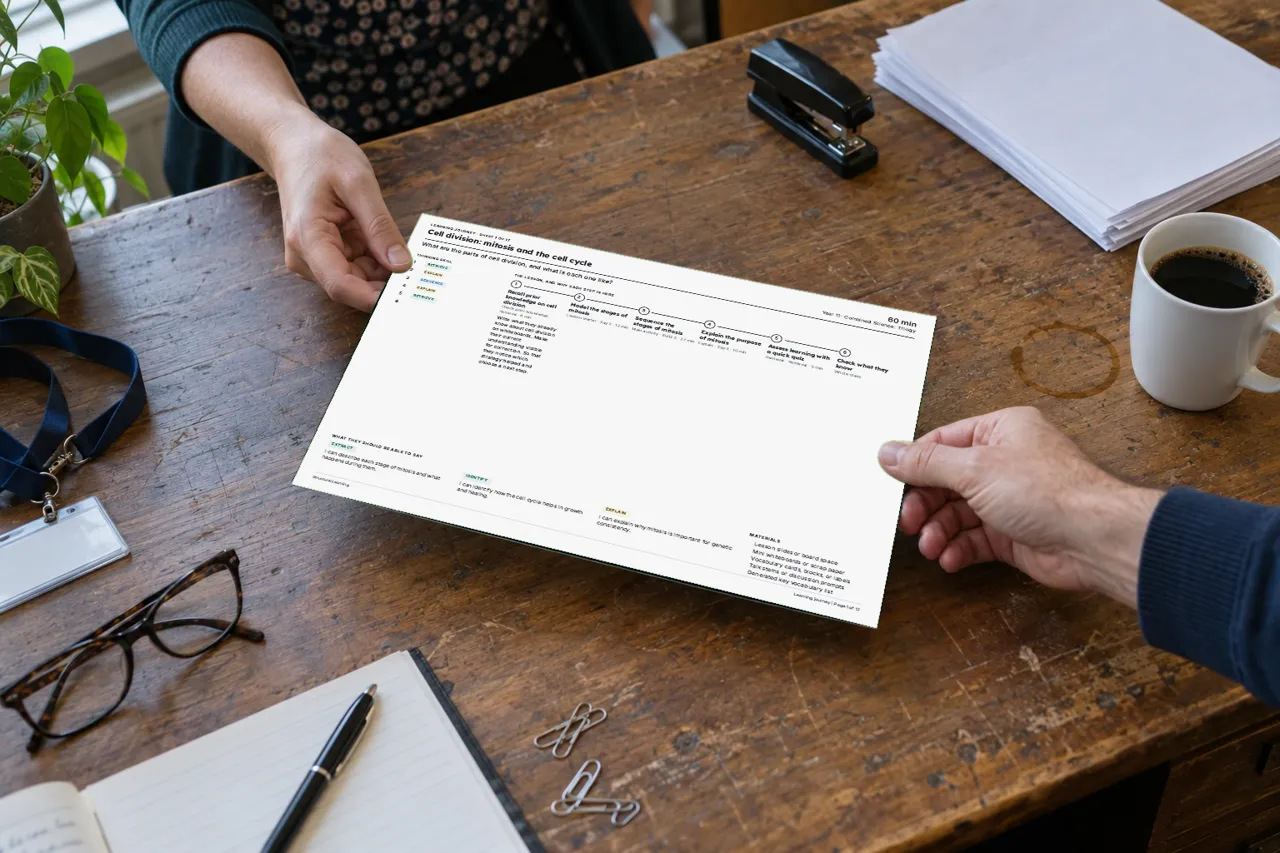
Everything you need to design a great learning experience: the lesson plan, knowledge organisers, graphic organisers, talk sheets and cards to cut out. Print them for your class, or for someone else.
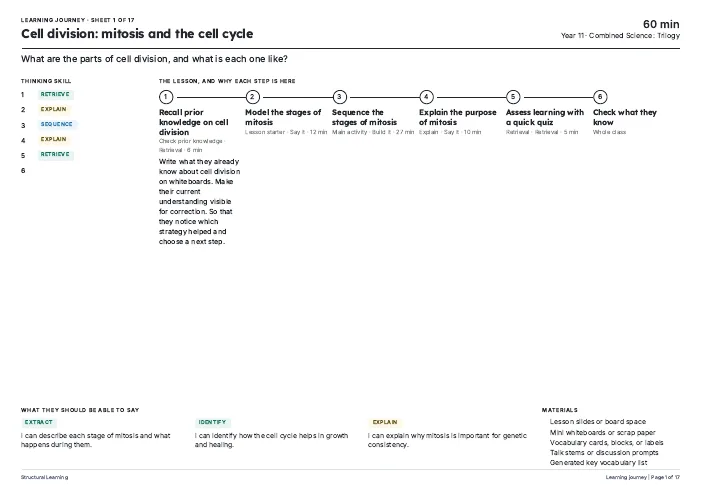
Knowledge organiser · Sheet 1 of 1
The water cycle
How does water move from a puddle to rain and back again?
ScienceAges 9 to 10
Key words
EvaporationThe sun warms water and it turns into vapour.
CondensationVapour cools and turns back into tiny droplets: clouds.
PrecipitationDroplets join and fall as rain, snow or hail.
CollectionWater gathers in seas, rivers, lakes and the ground.
Water vapourWater as a gas. You cannot see it.
Check yourself
1. What makes a puddle dry up?
2. What is a cloud made of?
3. Where does rain go next?
The cycle
Remember
The sun’s heat keeps the cycle moving. The same water goes round again and again.
Key facts
Water can be a solid, a liquid or a gas.
Warm water evaporates faster than cold water.
Clouds are made of tiny droplets, not vapour.
I can
name the four stages in order
explain why water evaporates
say why the cycle never stops
Say it
First … then … because …
Map It · Graphic organiser
What does a plant need to grow?
Add what you know to each branch. Use the word bank.
ScienceName ____________
Word bank
sunlightrootsleavessoilcarbon dioxidetemperature
Say it in a sentence
A plant needs … because …
Say It · Talk sheet
Should our school sell fizzy drinks?
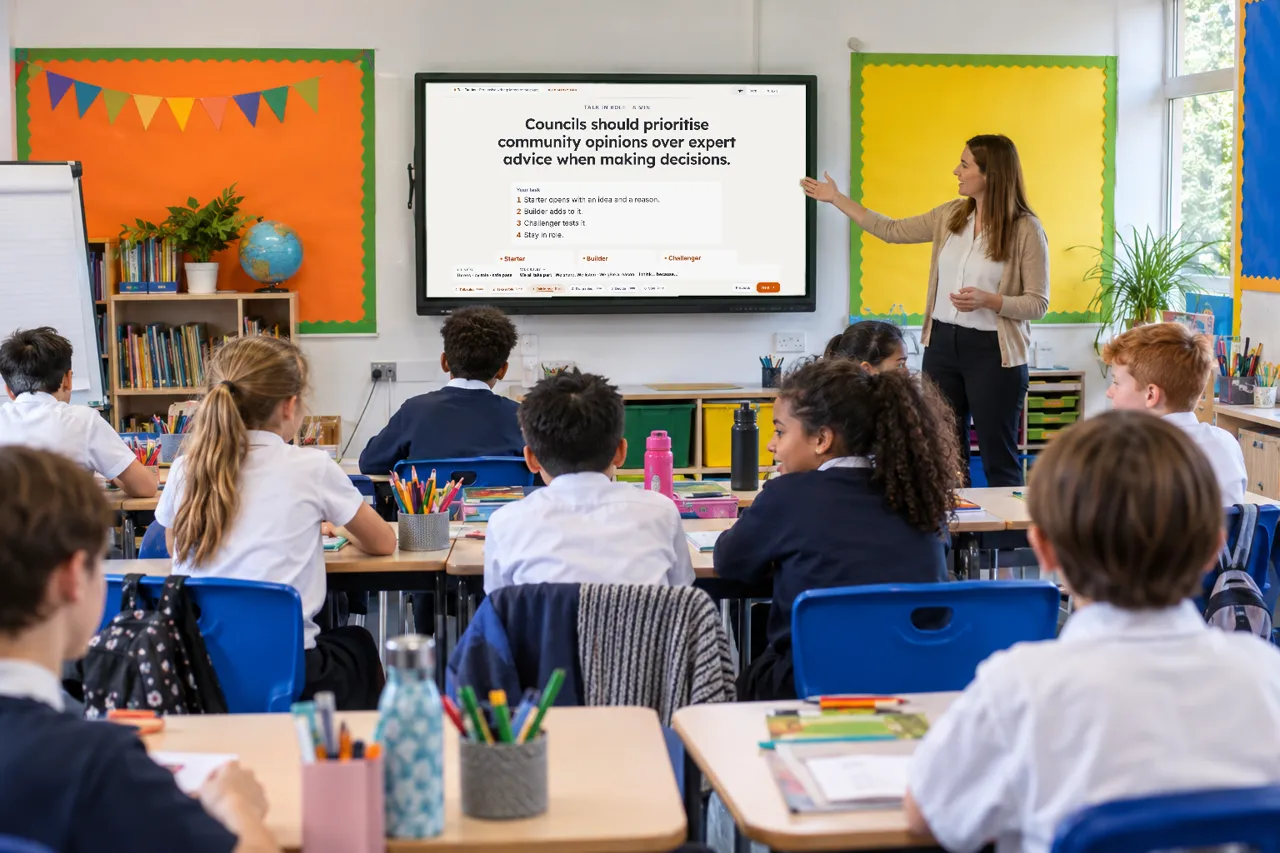
Talk in threes. Take a role, then swap.
Talk in role15 minutes
Your role
1StarterOpens with an idea and a reason.
2BuilderAdds to it.
3ChallengerTests it, politely.
Say it like this
I think… because…
I agree, and I would add…
I see it differently, because…
What makes you think that?
Hands up
Before
After
What changed my mind
Our talk rules: we all take part · we give a reason · we test the idea, not the person
The Starter said
The Builder added
The Challenger asked
Build It · Learner materials
The water cycle, in order
Cut along the dashed lines. Move the cards to show your thinking.
ScienceAges 9 to 10
… comes before … because …
Use it your way
Think of it as a co-pilot: you stay in charge. Use as much of it as you need, change anything it writes, and teach it your way.
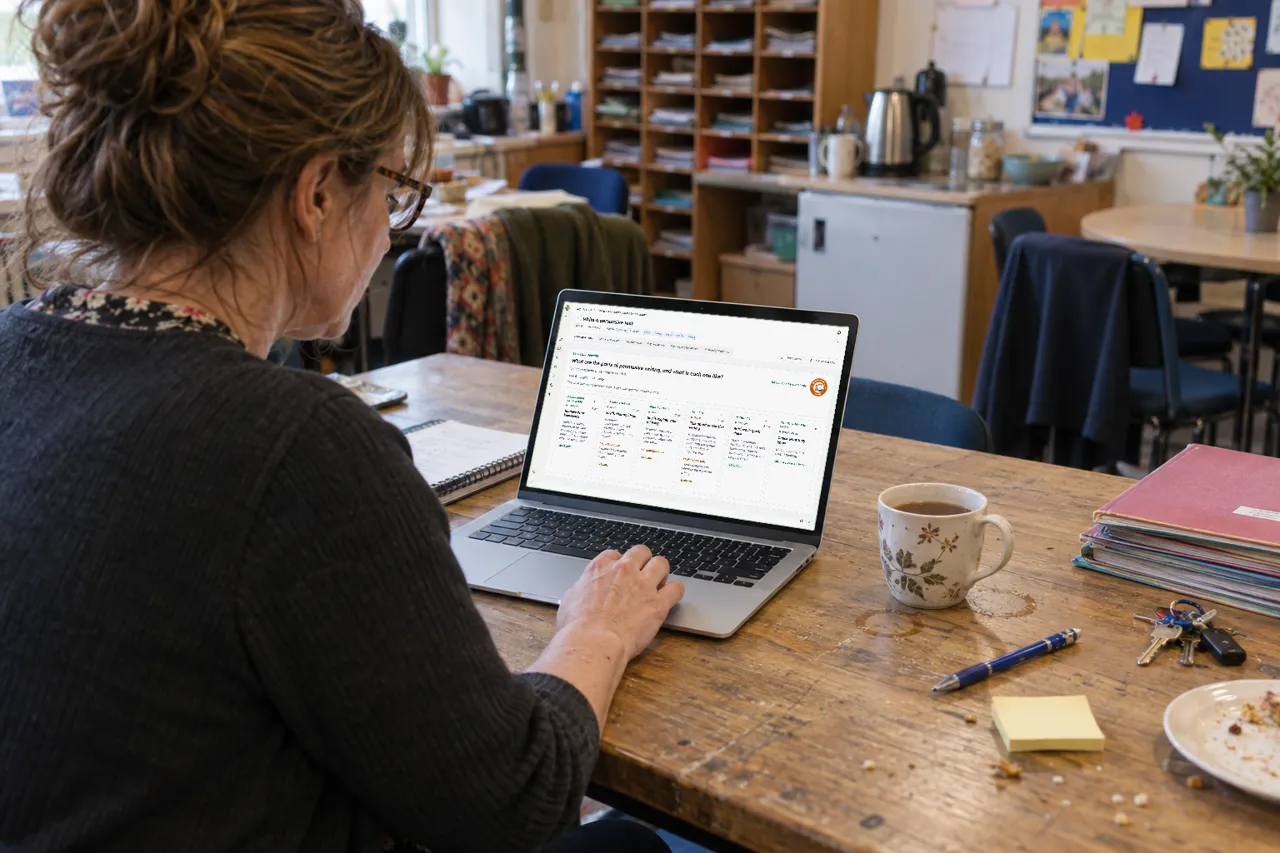
1Starter
2What they know
3The activity
4The check
PrintPresent
From the first question to the final check, ready to print or put on the board.
Leave a lesson for a cover teacher, or make a set for your department.
Need a knowledge organiser, or one activity? Make that, and nothing else.
Step 2Where does a puddle go?
Step 3Put the cycle in order
Keep it open in the lesson. When the class is ready, put the next step on the board.


Plans
Free gives you two lessons a month to see what you think. Pro is for teachers who plan with it every week.
Free · a test drive
£0
Give it a whirl. No card needed.
Pro · for planning every week
£75 a year
£9 less than paying £7 a month (12 × £7 is £84).
Schools and trusts
Talk to Paul
For several teachers on one invoice.
Tell me how many staff and what you are working on this year, and I will come back with a price and a way to start, usually one department first.
Talk to PaulPrices in pounds sterling. Pro renews each year or each month until you cancel.
In real schools
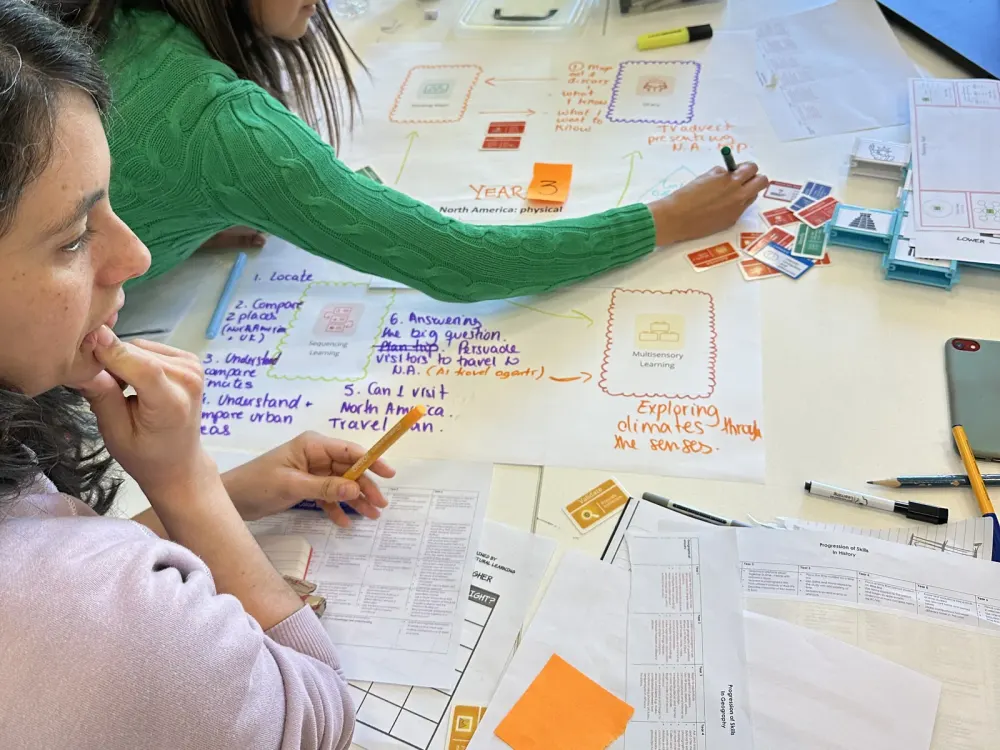
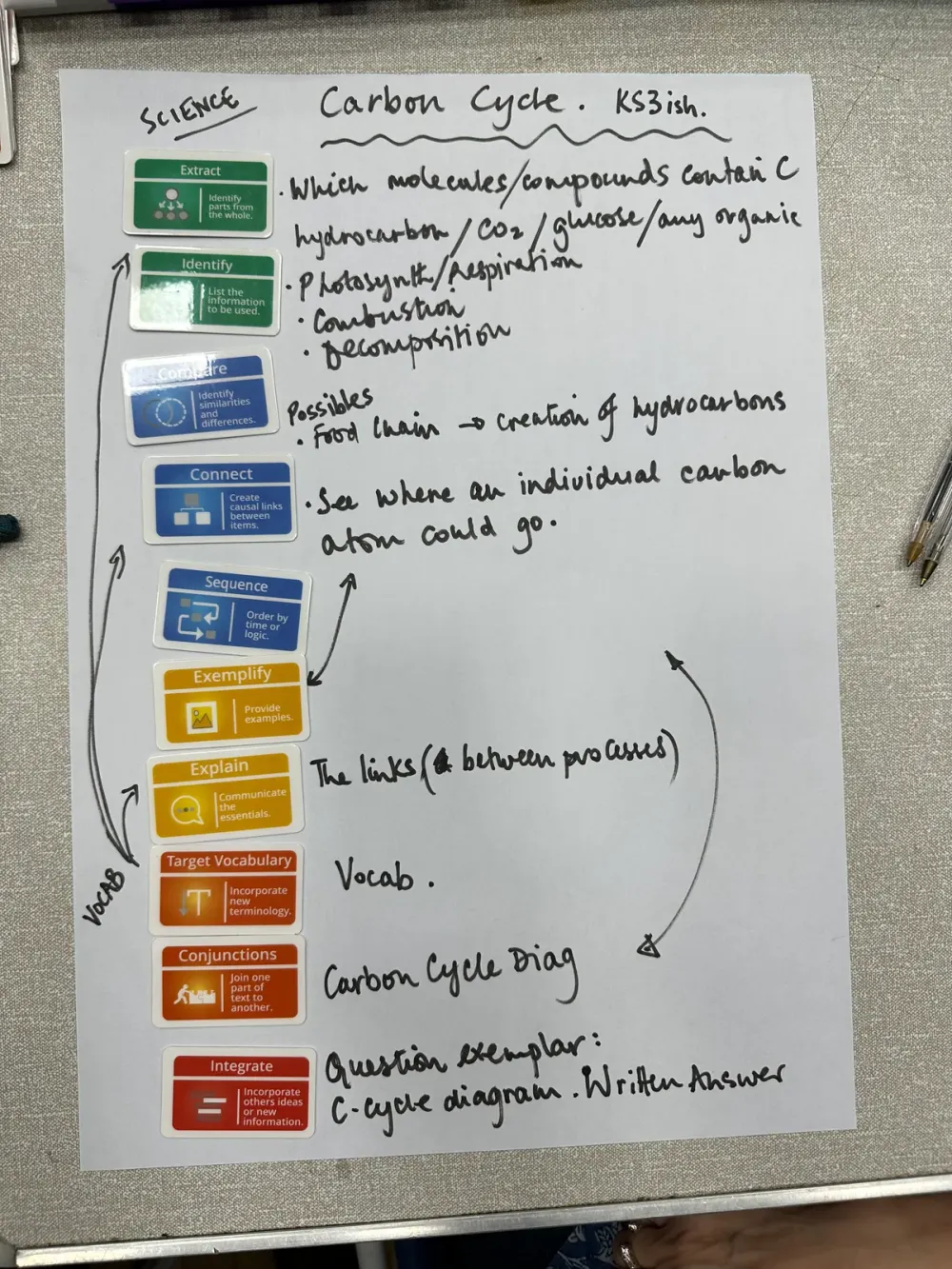
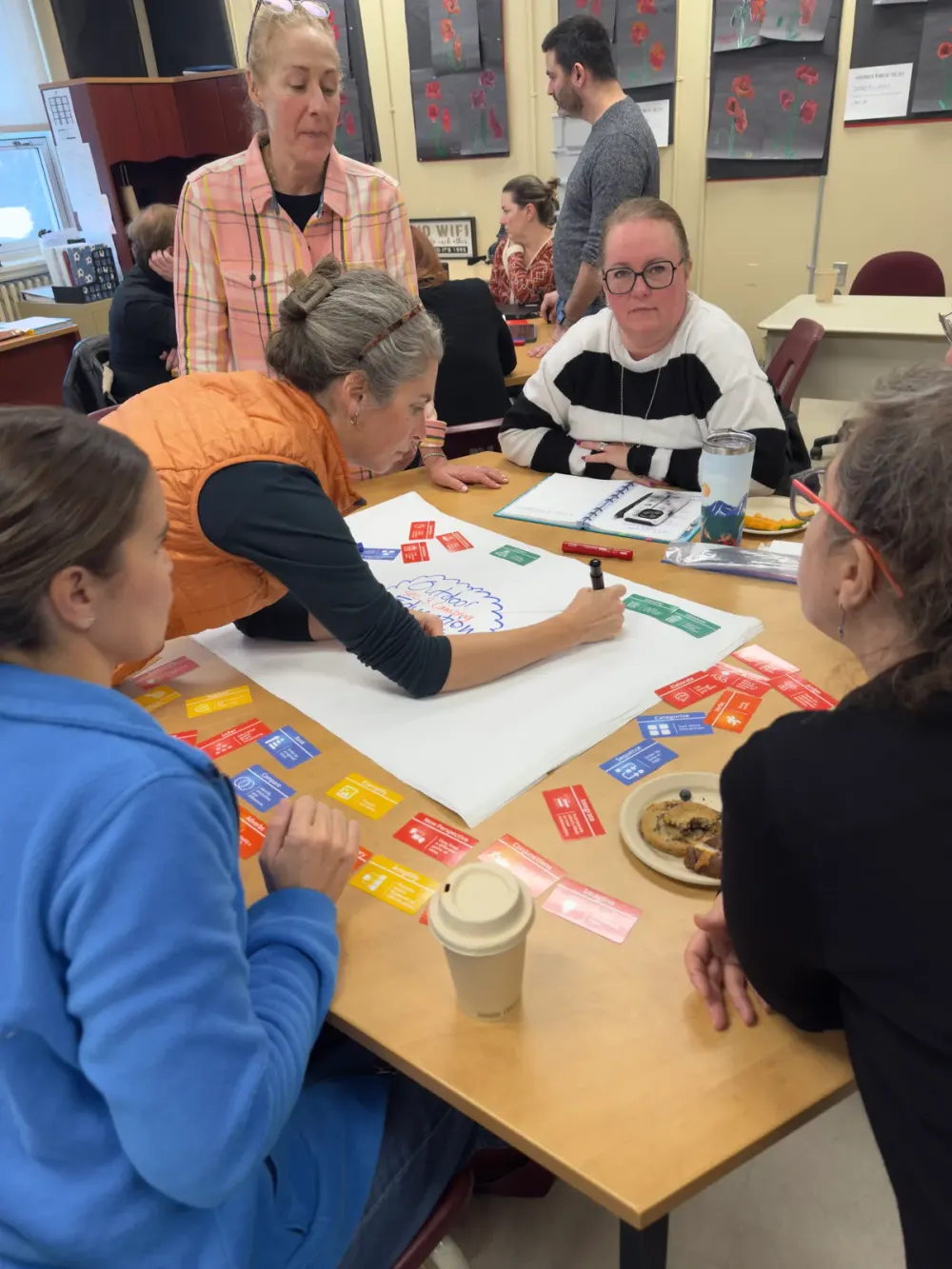
It grew out of what these teachers do by hand: plan around the thinking first. Rich learning for children, without piling more on the adult, and more thoughtful classrooms as a result.
The research
The EEF asks teachers to teach thinking strategies explicitly and give learners the words for them. Every lesson here names its thinking and makes it visible.
In Make It Count, the University of East Anglia’s Year 7 programme built on these tools, learners answering “I can” rose from 52% to 83% (23 learners, 2024/25, indicative). That study used the cards and organisers, not the planner itself.
Training
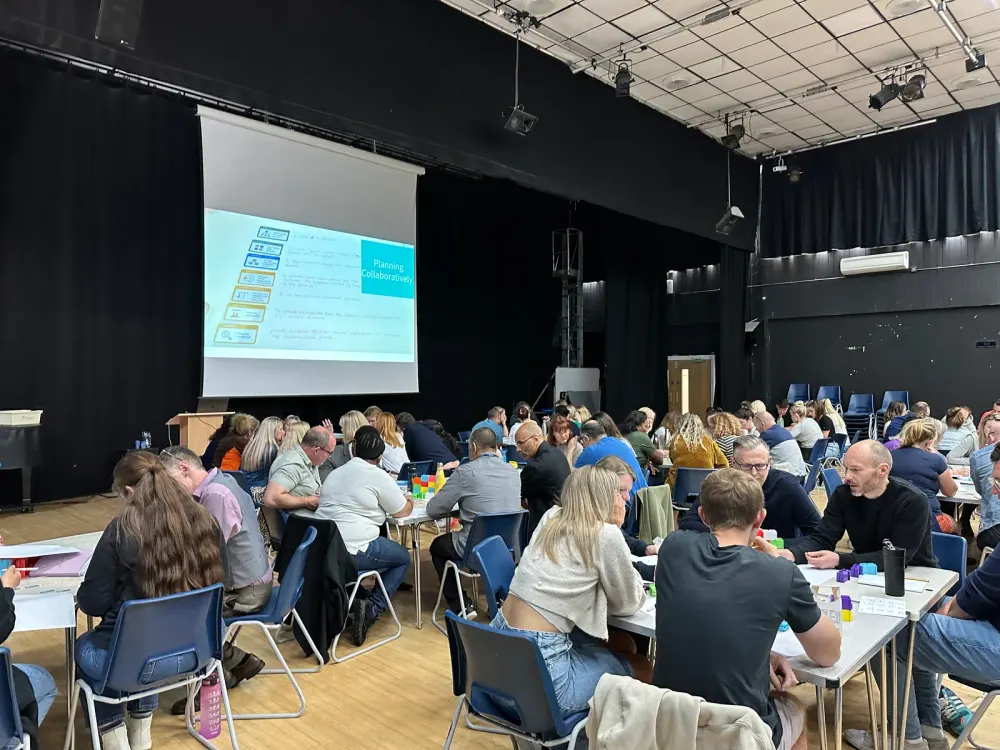
Starting as a whole staff? A hands-on session is the quickest way in. Everyone rebuilds a unit they already teach and leaves with a lesson for next week. In school or online.
Yes, to try. The free plan gives you two lessons a month and one quick activity each in Map It, Say It and Build It, with no card to sign up. You only pay if you choose Pro.
Unlimited lessons and lesson steps, every graphic organiser, quick learning activities, more export options and Google Drive. Pro is £75 a year, which is £9 less than paying £7 a month, and you can cancel at any time.
Yes. Talk to Paul: tell him how many staff and what you are working on, and he will come back with a price and an invoice route.
You choose a curriculum and a programme when you plan. It carries the National Curriculum in England, the Northern Ireland Curriculum and Cambridge programmes, with outline coverage for Scotland, Wales and Ireland. How much detail it holds differs by subject and phase, so the quickest check is to plan one free lesson in your own subject.
Yes. You pick the year group, for learners aged 3 to 18, and the planner writes for that age.
Yes. You can edit the objective, the success criteria and the thinking skill on each one before the lesson is built, and edit the lesson plan afterwards.
Both. Print lesson gives you the plan, the activity sheets and the cards to cut out. Present to class puts each step on the board, full screen.
Your lessons are saved in your account. From Settings you can export your data, or delete your account and every saved lesson with it. If your school needs a data agreement, talk to Paul.
Your first lesson
Type a topic and a year group. The thinking, the activities and the pack come with it.
Plan a lesson free →Free to start. Two lessons a month, no card needed.
Already signed up? Sign in. Buying for a school? Talk to Paul.
1 of 3