School Supplies: What Teachers Really Need in the Classroom
Explore essential classroom supplies for teachers, learn to manage resources effectively, and enhance your teaching toolkit with practical tips and insights.


Explore essential classroom supplies for teachers, learn to manage resources effectively, and enhance your teaching toolkit with practical tips and insights.
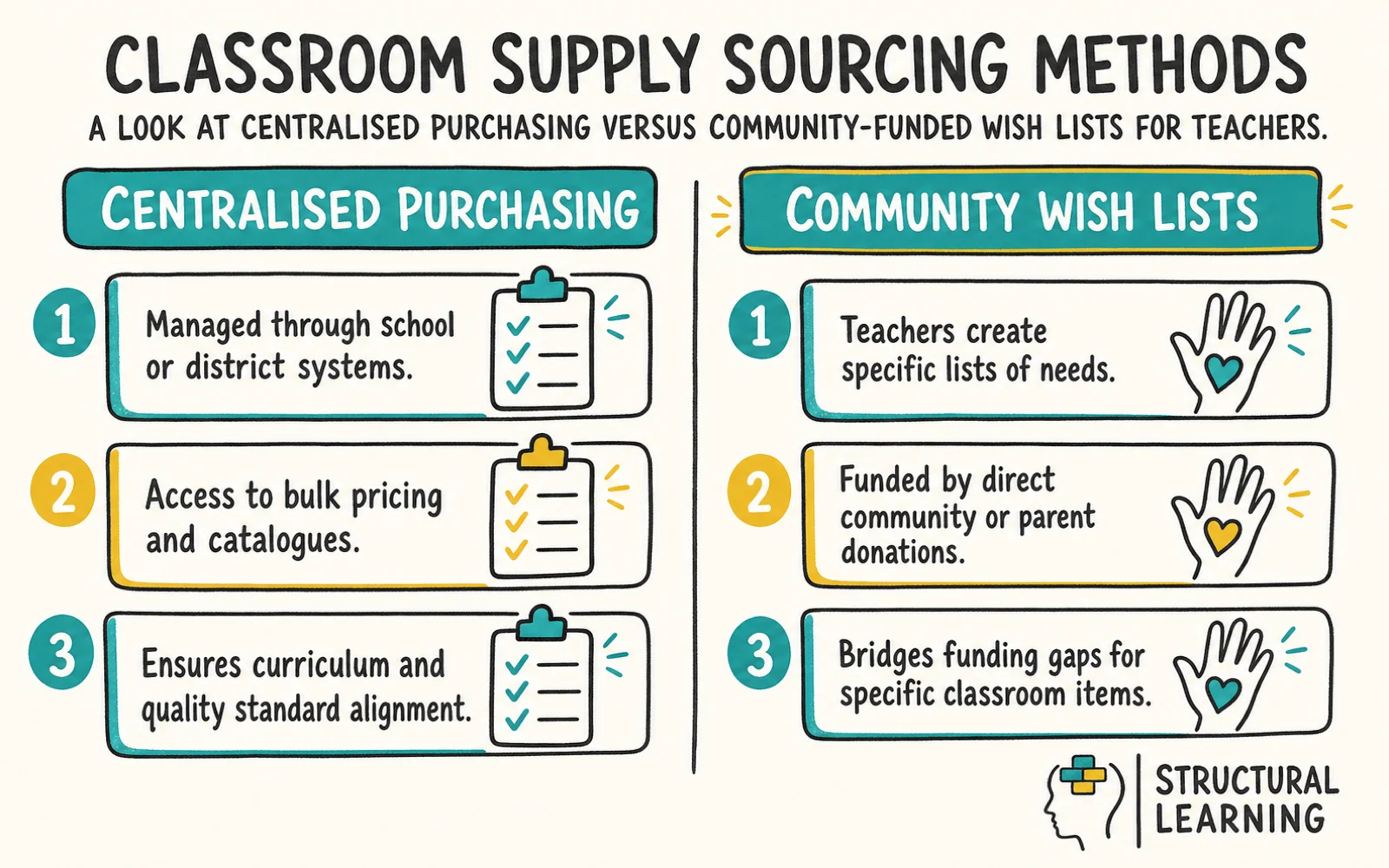
Teachers source school supplies through a combination of district purchasing systems, educational supply catalogueues, and approved vendor lists. Many teachers also use collective buying power through teacher cooperatives and bulk purchasing programs to maximise their classroom budgets. Strategic timing around back-to-school sales and end-of-fiscal-year purchases can yield significant savings.
How do schools ensure they have the equipment and resources needed to deliver a quality education? The process of procuring school supplies is critical, often challenging, and shaped by factors like budget constraints, time limitations, and the need for inspiring learning environments. Schools must navigate a complex marketplace of suppliers, balancing cost-effectiveness with the quality and relevance of resources.
The school supplies industry plays a pivotal role in equipping educational institutions with tools to creates inspiring spaces that support student growth and well-being. Beyond simply filling classrooms with materials, the right procurement strategy can transform learning spaces and positively impact student engagement. However, with rising costs, premium memberships, and delivery fees, schools need to adopt smarter purchasing practices to stretch their budgets further. By evaluating suppliers more thoughtfully, using collective buying power, or exploring creative partnerships, schools can make more strategic decisions about how to allocate their resources effectively.
Into the most popular global suppliers, effective procurement strategies, and ideas to help schools make informed and impactful purchasing decisions.
Wishing Well School Supplies offers teachers a donation-based platform where community members can contribute to specific classroom needs through wish lists. Teachers create detailed lists of required supplies, and donors can purchase items directly for delivery to the classroom. This system helps bridge funding gaps and ensures teachers receive exactly what they need for their students.
Https://www.discountschoolsupply.com/wishing-well
Wishing Well ™ offers an easy way for all teachers to make a wish list of all the vital school supplies and get them fast! It is run by Really Good Stuff, LLC, which is not a 501 (c)(3) charitable organisation. It is a for-profit organisation and your purchase wouldn't be tax-deductible. It is easy to place an order. Simply browse and create a wish list, receive your goods. Using a single app, teachers can easily create a wish list and share it with potential donors. Due to austerity on schools, donors may provide money for school supplies and help teachers to purchase various educational products and talk with them in the app. Considering the budgeting challenges schools teachers may utilise Wishing Well, which is entirely inclusive of each education program. Here, everyone is welcome to enhance the education of our youth including private and public schools and their teachers, early head start and head start, PTAs, school-wide campaigns, religious affiliate education programs, daycare centers, after-school programs, Girls and Boys Clubs and many more.
School Specialty provides a one-stop shopping experience with over 80,000 educational products ranging from basic supplies to specialised curriculummaterials. Their comprehensive catalogue, competitive bulk pricing, and dedicated account management make procurement efficient for schools with limited administrative resources. The company also offers custom kitting services and next-day delivery options for urgent needs.
https://www.schoolspecialty.com/
Established in 1959, School Specialty is the notable provider of educational ecosystems to teachers across North America. There is just one purpose of the company, to help learners succeed. School Specialty claims to create complete ENVIRONMENTS, from curriculum to crayons, technology to furniture, their exceptional breadth and depth of school supplies build a space that helps students to grow physically, mentally, and socially. They're passionate about ensuring a bright future for each child. To School Specialty, success means building environments to maximise student outcomes. And they don't seem to stop until achieving it. The right selection can improve much more than a cafeteria, commons, or classroom. So, browse the below link to access product details of the most inspirational and recommended school supplies. These environments can particularly benefit students with special educational needs through targeted resources and accommodations.
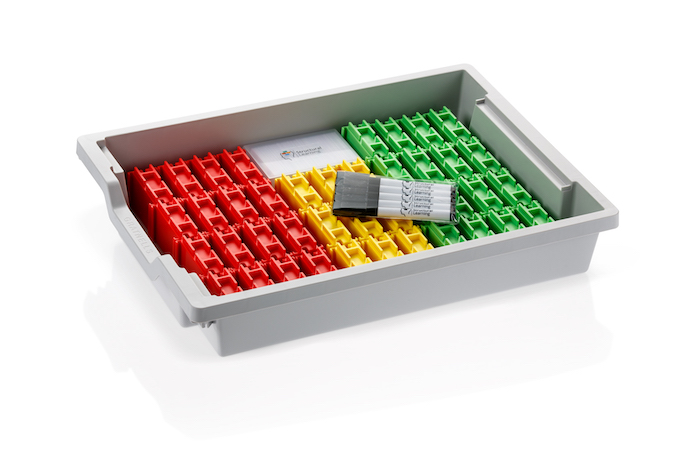
This mind-mapping kit is particularly useful for writing instruction and can support active learning strategies in the classroom. The visual nature of mind mapping helps students organise their thoughts and promotes collaborative learning experiences that enhance motivation through hands-on engagement.
Supreme School Supply maintains affordability by focusing on bulk quantities, direct manufacturer relationships, and streamlined distribution processes. They offer tiered pricing that rewards larger orders and provide free shipping on orders over specific thresholds. Their price-merchant pricing strategies are designed to accommodate the diverse budgetary needs of educational institutions.
https://www.supremeschoolsupply.com/
Supreme School Supply is an efficient platform that offers tiered pricing structures which greatly benefit schools that order in larger quantities. Supreme school supply also delivers free shipping, which is an incredible cost saver on orders over specific thresholds. This helps schools to better manage their funds and ensure that the educational environment is of high standard. This organisation maintains the affordability of classroom supplies through direct manufacturer relationships. This reduces overhead costs, which in turn are transferred into savings for the schools. By streamlining distribution processes, Supreme School Supply ensures a cost-effective purchasing option for schools.
Creating comprehensive supply request lists requires teachers to balance immediate classroom needs with long-term educational goals. Start by conducting a thorough inventory of existing resources, noting items that need replacing and identifying gaps in your current provision. Categorise supplies into essential items, enhancement materials, and aspirational resources that would improve your teaching practice.
Consider grouping requests by curriculum area and learning objective rather than simply listing items. For instance, instead of requesting "coloured pencils," specify "24-pack coloured pencils for Year 3 art projects exploring colour theory." This approach helps administrators understand the educational impact of each purchase and increases approval likelihood.
When budget constraints limit purchasing power, prioritise supplies that serve multiple purposes across different subjects. Items like whiteboards, manipulatives for maths, and general craft supplies offer versatility throughout the academic year. Document how each requested item supports specific learning outcomes in your curriculum planning to strengthen your case for funding.
Beyond traditional school budgets, UK teachers can tap into numerous funding streams specifically designed for educational resources. The National Lottery Community Fund offers grants up to £10,000 for projects that benefit young people, whilst smaller organisations like the Foyle Foundation provide funding for state schools with annual incomes below £150,000.
Local businesses often sponsor classroom supplies through corporate social responsibility programmes. Approach companies in your area with a clear proposal outlining how their support would benefit local children. Many supermarket chains run token collection schemes where customers vote to support school projects, potentially yielding hundreds of pounds in supplies.
Successful grant applications require clear articulation of need and impact. Focus on measurable outcomes, such as "providing science equipment for 120 Key Stage 2 pupils to conduct hands-on experiments." Include photographs of current classroom conditions and testimonials from pupils about how new resources would enhance their learning experience. Set realistic timelines and budget breakdowns to demonstrate responsible planning.
The physical environment significantly influences pupil behaviour and engagement levels. Research shows that organised, well-equipped classrooms reduce transformative behaviour by up to 30%. Strategic supply choices, such as individual storage solutions and clearly labelled resources, promote independence and responsibility amongst pupils.
Sensory considerations play a crucial role in creating inclusive learning environments. Fidget tools, wobble cushions, and noise-reducing materials support pupils with additional needs whilst benefiting the entire class. Investing in flexible seating options, such as standing desks or floor cushions, accommodates different learning styles and improves concentration during extended tasks.
Colour psychology also influences classroom dynamics. Whilst bright primary colours might seem appealing, research indicates that muted, natural tones promote calm and focus. Consider this when selecting display boards, storage units, and decoration supplies. Green and blue hues particularly support concentration and reduce anxiety in learning environments.
Teachers can maximise value by planning purchases in advance, comparing prices across multiple suppliers, and taking advantage of seasonal sales and discounts. Joining teacher communities and online forums can also provide valuable insights into the best deals and recommended resources. Don't forget to check for any available grants or funding opportunities that can help offset supply costs.
Digital transformation has transformed how UK teachers approach classroom supply management and student engagement. Interactive whiteboards, tablet devices, and educational software now form the backbone of modern British classrooms, requiring teachers to balance traditional resources with recent technology.
Primary schools increasingly invest in coding resources such as programmable robots, micro:bit devices, and block-based programming platforms to meet National Curriculum computing requirements. Secondary schools prioritise STEM equipment including 3D printers, digital microscopes, and data logging sensors for science practicals. These tools support cross-curricular learning whilst preparing students for Britain's evolving digital economy.
Many UK schools have adopted bring your own device (BYOD) policies, reducing hardware costs whilst teaching digital citizenship. Teachers must then focus procurement on complementary resources: charging stations, protective cases, and collaborative learning software licences. Educational technology grants from organisations like the Department for Education's EdTech Demonstrator Programme provide funding opportunities for schools embracing digital innovation.
Successful implementation requires ongoing professional development. Teachers need training on new platforms, troubleshooting techniques, and digital safety protocols. Many local authorities offer regional training programmes, whilst organisations like NAACE (the EdTech Association) provide specialist courses for educators.
The key lies in selecting technology that enhances rather than replaces traditional teaching methods. Digital tools should support clear learning objectives, not become distractions. Effective schools create blended learning environments where physical manipulatives, printed materials, and digital resources work together smoothly.
Effective budgeting separates successful classrooms from struggling ones. UK teachers typically work with limited departmental allowances, making strategic financial planning essential for maintaining well-resourced learning environments throughout the academic year.
Start by categorising expenses into three priority levels: essential items (paper, pens, textbooks), enhancement materials (laminating supplies, display resources), and aspirational purchases (specialist equipment, enrichment activities). This hierarchy ensures basic needs are met before considering luxury items.
Track spending patterns across previous academic years to identify seasonal demands. September requires heavy investment in display materials and organisational systems. January often sees increased demand for assessment resources and revision materials. Understanding these cycles prevents budget shortfalls during critical periods.
Many successful teachers implement monthly spending limits, allocating their annual budget across ten months (excluding July and August). This approach prevents early overspending whilst maintaining steady resource flow. Create a simple spreadsheet tracking actual versus planned expenditure, adjusting future months based on real usage patterns.
Explore creative funding alternatives beyond traditional school budgets. Parent Teacher Associations often support classroom projects, whilst local businesses may donate materials or sponsor specific initiatives. Online crowdfunding platforms like DonorsChoose UK help teachers secure funding for effective projects that traditional budgets cannot support.
Consider shared purchasing arrangements with colleagues teaching similar subjects or year groups. Bulk buying reduces per-unit costs whilst ensuring consistent resources across parallel classes. This collaborative approach strengthens departmental cohesion whilst maximising purchasing power.
Strategic equipment replacement prevents learning disruptions whilst maximising value from educational investments. UK schools must balance budget constraints with the need for functional, safe, and pedagogically effective resources that support diverse learning styles.
Establish clear replacement criteria for different equipment categories. Interactive whiteboards typically require replacement after 7-10 years, whilst quality furniture can last 15-20 years with proper maintenance. Technology equipment follows faster cycles: tablets and computers need refreshing every 4-5 years to maintain compatibility with evolving software requirements.
Create annual audits examining equipment condition, usage frequency, and educational impact. Items showing wear that affects functionality, poses safety risks, or no longer meets curriculum demands should receive priority for replacement. Document these assessments to build compelling cases for future funding requests.
Many successful schools implement rolling replacement programmes rather than wholesale updates. This approach spreads costs across multiple budget years whilst maintaining equipment currency. For example, replacing one-third of classroom computers annually creates a sustainable three-year refresh cycle without overwhelming any single year's budget.
Consider equipment lifecycle costs beyond initial purchase prices. Energy-efficient devices reduce ongoing electricity expenses, whilst durable materials minimise replacement frequency. Factor in training requirements for new equipment: sophisticated technology may require substantial professional development investments that affect total cost calculations.
Explore refurbishment opportunities for suitable items. Quality wooden furniture often benefits from professional restoration, whilst electronic equipment may only require software updates or minor component replacements. These approaches extend useful life whilst supporting environmental sustainability goals that many UK schools now prioritise.
Sustainable procurement practices reduce environmental impact whilst teaching students valuable lessons about responsible consumption and environmental stewardship. Forward-thinking UK schools increasingly embed sustainability principles into their supply chain decisions.
Prioritise reusable and recyclable materials whenever possible. Choose pencils made from sustainable wood sources, notebooks with recycled paper content, and art supplies in refillable containers. Many educational suppliers now offer comprehensive eco-friendly product ranges that match quality standards whilst supporting environmental goals.
Implement classroom recycling systems that extend material lifecycles. Create dedicated bins for paper scraps suitable for rough work, collect used batteries for proper disposal, and establish systems for sharing surplus materials between classrooms. These practices model environmental responsibility whilst reducing waste disposal costs.
Develop partnerships with local businesses for material donations and recycling programmes. Print shops often discard paper offcuts perfect for classroom art projects, whilst technology companies may donate older equipment suitable for educational use. These relationships strengthen community connections whilst supplementing traditional supply budgets.
Teach students to become responsible resource stewards through clear expectations and engaging systems. Implement pencil monitoring systems, create classroom jobs for equipment maintenance, and establish reward programmes recognising careful resource use. Students who understand material value naturally become conservation advocates.
Consider digital alternatives where appropriate to reduce physical consumption. Electronic worksheets, online collaborative tools, and digital portfolios can significantly reduce paper usage whilst developing students' technological literacy. However, balance these approaches with tactile learning experiences that physical materials uniquely provide.
The strategic procurement of school supplies is essential for developing inspiring learning environments and maximising student engagement. By understanding the landscape of suppliers, employing effective procurement strategies, and using collective buying power, schools can stretch their budgets further and ensure that teachers have the resources they need to deliver a quality education. Embracing creative partnerships and constantly evaluating purchasing practices will enable schools to make informed decisions that positively impact the learning experience for all students.
Effective procurement goes beyond simple transactions; it's about building relationships with suppliers who understand and support educational goals. This involves clear communication of needs, expectations, and feedback to suppliers, developing a collaborative approach to meeting the evolving demands of the classroom. By viewing suppliers as partners, schools can create a network of support that contributes to a vibrant and resourceful educational community.
Teachers source school supplies through a combination of district purchasing systems, educational supply catalogueues, and approved vendor lists. Many teachers also use collective buying power through teacher cooperatives and bulk purchasing programs to maximise their classroom budgets. Strategic timing around back-to-school sales and end-of-fiscal-year purchases can yield significant savings.
How do schools ensure they have the equipment and resources needed to deliver a quality education? The process of procuring school supplies is critical, often challenging, and shaped by factors like budget constraints, time limitations, and the need for inspiring learning environments. Schools must navigate a complex marketplace of suppliers, balancing cost-effectiveness with the quality and relevance of resources.
The school supplies industry plays a pivotal role in equipping educational institutions with tools to creates inspiring spaces that support student growth and well-being. Beyond simply filling classrooms with materials, the right procurement strategy can transform learning spaces and positively impact student engagement. However, with rising costs, premium memberships, and delivery fees, schools need to adopt smarter purchasing practices to stretch their budgets further. By evaluating suppliers more thoughtfully, using collective buying power, or exploring creative partnerships, schools can make more strategic decisions about how to allocate their resources effectively.
Into the most popular global suppliers, effective procurement strategies, and ideas to help schools make informed and impactful purchasing decisions.
Wishing Well School Supplies offers teachers a donation-based platform where community members can contribute to specific classroom needs through wish lists. Teachers create detailed lists of required supplies, and donors can purchase items directly for delivery to the classroom. This system helps bridge funding gaps and ensures teachers receive exactly what they need for their students.
Https://www.discountschoolsupply.com/wishing-well
Wishing Well ™ offers an easy way for all teachers to make a wish list of all the vital school supplies and get them fast! It is run by Really Good Stuff, LLC, which is not a 501 (c)(3) charitable organisation. It is a for-profit organisation and your purchase wouldn't be tax-deductible. It is easy to place an order. Simply browse and create a wish list, receive your goods. Using a single app, teachers can easily create a wish list and share it with potential donors. Due to austerity on schools, donors may provide money for school supplies and help teachers to purchase various educational products and talk with them in the app. Considering the budgeting challenges schools teachers may utilise Wishing Well, which is entirely inclusive of each education program. Here, everyone is welcome to enhance the education of our youth including private and public schools and their teachers, early head start and head start, PTAs, school-wide campaigns, religious affiliate education programs, daycare centers, after-school programs, Girls and Boys Clubs and many more.
School Specialty provides a one-stop shopping experience with over 80,000 educational products ranging from basic supplies to specialised curriculummaterials. Their comprehensive catalogue, competitive bulk pricing, and dedicated account management make procurement efficient for schools with limited administrative resources. The company also offers custom kitting services and next-day delivery options for urgent needs.
https://www.schoolspecialty.com/
Established in 1959, School Specialty is the notable provider of educational ecosystems to teachers across North America. There is just one purpose of the company, to help learners succeed. School Specialty claims to create complete ENVIRONMENTS, from curriculum to crayons, technology to furniture, their exceptional breadth and depth of school supplies build a space that helps students to grow physically, mentally, and socially. They're passionate about ensuring a bright future for each child. To School Specialty, success means building environments to maximise student outcomes. And they don't seem to stop until achieving it. The right selection can improve much more than a cafeteria, commons, or classroom. So, browse the below link to access product details of the most inspirational and recommended school supplies. These environments can particularly benefit students with special educational needs through targeted resources and accommodations.

This mind-mapping kit is particularly useful for writing instruction and can support active learning strategies in the classroom. The visual nature of mind mapping helps students organise their thoughts and promotes collaborative learning experiences that enhance motivation through hands-on engagement.
Supreme School Supply maintains affordability by focusing on bulk quantities, direct manufacturer relationships, and streamlined distribution processes. They offer tiered pricing that rewards larger orders and provide free shipping on orders over specific thresholds. Their price-merchant pricing strategies are designed to accommodate the diverse budgetary needs of educational institutions.
https://www.supremeschoolsupply.com/
Supreme School Supply is an efficient platform that offers tiered pricing structures which greatly benefit schools that order in larger quantities. Supreme school supply also delivers free shipping, which is an incredible cost saver on orders over specific thresholds. This helps schools to better manage their funds and ensure that the educational environment is of high standard. This organisation maintains the affordability of classroom supplies through direct manufacturer relationships. This reduces overhead costs, which in turn are transferred into savings for the schools. By streamlining distribution processes, Supreme School Supply ensures a cost-effective purchasing option for schools.
Creating comprehensive supply request lists requires teachers to balance immediate classroom needs with long-term educational goals. Start by conducting a thorough inventory of existing resources, noting items that need replacing and identifying gaps in your current provision. Categorise supplies into essential items, enhancement materials, and aspirational resources that would improve your teaching practice.
Consider grouping requests by curriculum area and learning objective rather than simply listing items. For instance, instead of requesting "coloured pencils," specify "24-pack coloured pencils for Year 3 art projects exploring colour theory." This approach helps administrators understand the educational impact of each purchase and increases approval likelihood.
When budget constraints limit purchasing power, prioritise supplies that serve multiple purposes across different subjects. Items like whiteboards, manipulatives for maths, and general craft supplies offer versatility throughout the academic year. Document how each requested item supports specific learning outcomes in your curriculum planning to strengthen your case for funding.
Beyond traditional school budgets, UK teachers can tap into numerous funding streams specifically designed for educational resources. The National Lottery Community Fund offers grants up to £10,000 for projects that benefit young people, whilst smaller organisations like the Foyle Foundation provide funding for state schools with annual incomes below £150,000.
Local businesses often sponsor classroom supplies through corporate social responsibility programmes. Approach companies in your area with a clear proposal outlining how their support would benefit local children. Many supermarket chains run token collection schemes where customers vote to support school projects, potentially yielding hundreds of pounds in supplies.
Successful grant applications require clear articulation of need and impact. Focus on measurable outcomes, such as "providing science equipment for 120 Key Stage 2 pupils to conduct hands-on experiments." Include photographs of current classroom conditions and testimonials from pupils about how new resources would enhance their learning experience. Set realistic timelines and budget breakdowns to demonstrate responsible planning.
The physical environment significantly influences pupil behaviour and engagement levels. Research shows that organised, well-equipped classrooms reduce transformative behaviour by up to 30%. Strategic supply choices, such as individual storage solutions and clearly labelled resources, promote independence and responsibility amongst pupils.
Sensory considerations play a crucial role in creating inclusive learning environments. Fidget tools, wobble cushions, and noise-reducing materials support pupils with additional needs whilst benefiting the entire class. Investing in flexible seating options, such as standing desks or floor cushions, accommodates different learning styles and improves concentration during extended tasks.
Colour psychology also influences classroom dynamics. Whilst bright primary colours might seem appealing, research indicates that muted, natural tones promote calm and focus. Consider this when selecting display boards, storage units, and decoration supplies. Green and blue hues particularly support concentration and reduce anxiety in learning environments.
Teachers can maximise value by planning purchases in advance, comparing prices across multiple suppliers, and taking advantage of seasonal sales and discounts. Joining teacher communities and online forums can also provide valuable insights into the best deals and recommended resources. Don't forget to check for any available grants or funding opportunities that can help offset supply costs.
Digital transformation has transformed how UK teachers approach classroom supply management and student engagement. Interactive whiteboards, tablet devices, and educational software now form the backbone of modern British classrooms, requiring teachers to balance traditional resources with recent technology.
Primary schools increasingly invest in coding resources such as programmable robots, micro:bit devices, and block-based programming platforms to meet National Curriculum computing requirements. Secondary schools prioritise STEM equipment including 3D printers, digital microscopes, and data logging sensors for science practicals. These tools support cross-curricular learning whilst preparing students for Britain's evolving digital economy.
Many UK schools have adopted bring your own device (BYOD) policies, reducing hardware costs whilst teaching digital citizenship. Teachers must then focus procurement on complementary resources: charging stations, protective cases, and collaborative learning software licences. Educational technology grants from organisations like the Department for Education's EdTech Demonstrator Programme provide funding opportunities for schools embracing digital innovation.
Successful implementation requires ongoing professional development. Teachers need training on new platforms, troubleshooting techniques, and digital safety protocols. Many local authorities offer regional training programmes, whilst organisations like NAACE (the EdTech Association) provide specialist courses for educators.
The key lies in selecting technology that enhances rather than replaces traditional teaching methods. Digital tools should support clear learning objectives, not become distractions. Effective schools create blended learning environments where physical manipulatives, printed materials, and digital resources work together smoothly.
Effective budgeting separates successful classrooms from struggling ones. UK teachers typically work with limited departmental allowances, making strategic financial planning essential for maintaining well-resourced learning environments throughout the academic year.
Start by categorising expenses into three priority levels: essential items (paper, pens, textbooks), enhancement materials (laminating supplies, display resources), and aspirational purchases (specialist equipment, enrichment activities). This hierarchy ensures basic needs are met before considering luxury items.
Track spending patterns across previous academic years to identify seasonal demands. September requires heavy investment in display materials and organisational systems. January often sees increased demand for assessment resources and revision materials. Understanding these cycles prevents budget shortfalls during critical periods.
Many successful teachers implement monthly spending limits, allocating their annual budget across ten months (excluding July and August). This approach prevents early overspending whilst maintaining steady resource flow. Create a simple spreadsheet tracking actual versus planned expenditure, adjusting future months based on real usage patterns.
Explore creative funding alternatives beyond traditional school budgets. Parent Teacher Associations often support classroom projects, whilst local businesses may donate materials or sponsor specific initiatives. Online crowdfunding platforms like DonorsChoose UK help teachers secure funding for effective projects that traditional budgets cannot support.
Consider shared purchasing arrangements with colleagues teaching similar subjects or year groups. Bulk buying reduces per-unit costs whilst ensuring consistent resources across parallel classes. This collaborative approach strengthens departmental cohesion whilst maximising purchasing power.
Strategic equipment replacement prevents learning disruptions whilst maximising value from educational investments. UK schools must balance budget constraints with the need for functional, safe, and pedagogically effective resources that support diverse learning styles.
Establish clear replacement criteria for different equipment categories. Interactive whiteboards typically require replacement after 7-10 years, whilst quality furniture can last 15-20 years with proper maintenance. Technology equipment follows faster cycles: tablets and computers need refreshing every 4-5 years to maintain compatibility with evolving software requirements.
Create annual audits examining equipment condition, usage frequency, and educational impact. Items showing wear that affects functionality, poses safety risks, or no longer meets curriculum demands should receive priority for replacement. Document these assessments to build compelling cases for future funding requests.
Many successful schools implement rolling replacement programmes rather than wholesale updates. This approach spreads costs across multiple budget years whilst maintaining equipment currency. For example, replacing one-third of classroom computers annually creates a sustainable three-year refresh cycle without overwhelming any single year's budget.
Consider equipment lifecycle costs beyond initial purchase prices. Energy-efficient devices reduce ongoing electricity expenses, whilst durable materials minimise replacement frequency. Factor in training requirements for new equipment: sophisticated technology may require substantial professional development investments that affect total cost calculations.
Explore refurbishment opportunities for suitable items. Quality wooden furniture often benefits from professional restoration, whilst electronic equipment may only require software updates or minor component replacements. These approaches extend useful life whilst supporting environmental sustainability goals that many UK schools now prioritise.
Sustainable procurement practices reduce environmental impact whilst teaching students valuable lessons about responsible consumption and environmental stewardship. Forward-thinking UK schools increasingly embed sustainability principles into their supply chain decisions.
Prioritise reusable and recyclable materials whenever possible. Choose pencils made from sustainable wood sources, notebooks with recycled paper content, and art supplies in refillable containers. Many educational suppliers now offer comprehensive eco-friendly product ranges that match quality standards whilst supporting environmental goals.
Implement classroom recycling systems that extend material lifecycles. Create dedicated bins for paper scraps suitable for rough work, collect used batteries for proper disposal, and establish systems for sharing surplus materials between classrooms. These practices model environmental responsibility whilst reducing waste disposal costs.
Develop partnerships with local businesses for material donations and recycling programmes. Print shops often discard paper offcuts perfect for classroom art projects, whilst technology companies may donate older equipment suitable for educational use. These relationships strengthen community connections whilst supplementing traditional supply budgets.
Teach students to become responsible resource stewards through clear expectations and engaging systems. Implement pencil monitoring systems, create classroom jobs for equipment maintenance, and establish reward programmes recognising careful resource use. Students who understand material value naturally become conservation advocates.
Consider digital alternatives where appropriate to reduce physical consumption. Electronic worksheets, online collaborative tools, and digital portfolios can significantly reduce paper usage whilst developing students' technological literacy. However, balance these approaches with tactile learning experiences that physical materials uniquely provide.
The strategic procurement of school supplies is essential for developing inspiring learning environments and maximising student engagement. By understanding the landscape of suppliers, employing effective procurement strategies, and using collective buying power, schools can stretch their budgets further and ensure that teachers have the resources they need to deliver a quality education. Embracing creative partnerships and constantly evaluating purchasing practices will enable schools to make informed decisions that positively impact the learning experience for all students.
Effective procurement goes beyond simple transactions; it's about building relationships with suppliers who understand and support educational goals. This involves clear communication of needs, expectations, and feedback to suppliers, developing a collaborative approach to meeting the evolving demands of the classroom. By viewing suppliers as partners, schools can create a network of support that contributes to a vibrant and resourceful educational community.
{"@context":"https://schema.org","@graph":[{"@type":"Article","@id":"https://www.structural-learning.com/post/school-supplies-a-teachers-guide#article","headline":"School Supplies: What Teachers Really Need in the Classroom","description":"A practical guide to essential classroom supplies for teachers. Discover what equipment makes a difference, how to manage resources effectively, and tips...","datePublished":"2022-03-04T17:17:56.301Z","dateModified":"2026-01-26T10:09:32.212Z","author":{"@type":"Person","name":"Paul Main","url":"https://www.structural-learning.com/team/paulmain","jobTitle":"Founder & Educational Consultant"},"publisher":{"@type":"Organization","name":"Structural Learning","url":"https://www.structural-learning.com","logo":{"@type":"ImageObject","url":"https://cdn.prod.website-files.com/5b69a01ba2e409e5d5e055c6/6040bf0426cb415ba2fc7882_newlogoblue.svg"}},"mainEntityOfPage":{"@type":"WebPage","@id":"https://www.structural-learning.com/post/school-supplies-a-teachers-guide"},"image":"https://cdn.prod.website-files.com/5b69a01ba2e409501de055d1/6945202bd23d414c254e4485_692425fd251cff4da46ecfbe_67654568f7d4b0f04e79d8d5_622249587bb7dc2a4b0ee32c_Writers%25252520block%25252520small.jpeg","wordCount":2213},{"@type":"BreadcrumbList","@id":"https://www.structural-learning.com/post/school-supplies-a-teachers-guide#breadcrumb","itemListElement":[{"@type":"ListItem","position":1,"name":"Home","item":"https://www.structural-learning.com/"},{"@type":"ListItem","position":2,"name":"Blog","item":"https://www.structural-learning.com/blog"},{"@type":"ListItem","position":3,"name":"School Supplies: What Teachers Really Need in the Classroom","item":"https://www.structural-learning.com/post/school-supplies-a-teachers-guide"}]},{"@type":"FAQPage","mainEntity":[{"@type":"Question","name":"How Do Teachers Source Essential School Supplies?","acceptedAnswer":{"@type":"Answer","text":"Teachers source school supplies through a combination of district purchasing systems, educational supply catalogueues, and approved vendor lists. Many teachers also use collective buying power through teacher cooperatives and bulk purchasing programs to maximise their classroom budgets. Strategic timing around back-to-school sales and end-of-fiscal-year purchases can yield significant savings."}},{"@type":"Question","name":"What Are Wishing Well School Supplies for Teachers?","acceptedAnswer":{"@type":"Answer","text":"Wishing Well School Supplies offers teachers a donation-based platform where community members can contribute to specific classroom needs through wish lists. Teachers create detailed lists of required supplies, and donors can purchase items directly for delivery to the classroom. This system helps bridge funding gaps and ensures teachers receive exactly what they need for their students."}},{"@type":"Question","name":"Why Do Schools Choose School Specialty as Their Primary Supplier?","acceptedAnswer":{"@type":"Answer","text":"School Specialty provides a one-stop shopping experience with over 80,000 educational products ranging from basic supplies to specialised curriculummaterials. Their comprehensive catalogue, competitive bulk pricing, and dedicated account management make procurement efficient for schools with limited administrative resources. The company also offers custom kitting services and next-day delivery options for urgent needs."}},{"@type":"Question","name":"How Does Supreme School Supply Keep Classroom Supplies Affordable?","acceptedAnswer":{"@type":"Answer","text":"Supreme School Supply maintains affordability by focusing on bulk quantities, direct manufacturer relationships, and streamlined distribution processes. They offer tiered pricing that rewards larger orders and provide free shipping on orders over specific thresholds. Their price-merchant pricing strategies are designed to accommodate the diverse budgetary needs of educational institutions."}},{"@type":"Question","name":"How Can Teachers Create Effective Supply Request Lists?","acceptedAnswer":{"@type":"Answer","text":"Creating comprehensive supply request lists requires teachers to balance immediate classroom needs with long-term educational goals. Start by conducting a thorough inventory of existing resources, noting items that need replacing and identifying gaps in your current provision. Categorise supplies into essential items, enhancement materials, and aspirational resources that would improve your teaching practice."}},{"@type":"Question","name":"What Alternative Funding Sources Can UK Teachers Access?","acceptedAnswer":{"@type":"Answer","text":"Beyond traditional school budgets, UK teachers can tap into numerous funding streams specifically designed for educational resources. The National Lottery Community Fund offers grants up to £10,000 for projects that benefit young people, whilst smaller organisations like the Foyle Foundation provide funding for state schools with annual incomes below £150,000."}},{"@type":"Question","name":"How Do Supply Choices Impact Classroom Behaviour and Learning?","acceptedAnswer":{"@type":"Answer","text":"The physical environment significantly influences pupil behaviour and engagement levels. Research shows that organised, well-equipped classrooms reduce transformative behaviour by up to 30%. Strategic supply choices, such as individual storage solutions and clearly labelled resources, promote independence and responsibility amongst pupils."}},{"@type":"Question","name":"How Can Teachers Maximise Value When Buying School Supplies?","acceptedAnswer":{"@type":"Answer","text":"Teachers can maximise value by planning purchases in advance, comparing prices across multiple suppliers, and taking advantage of seasonal sales and discounts. Joining teacher communities and online forums can also provide valuable insights into the best deals and recommended resources. Don't forget to check for any available grants or funding opportunities that can help offset supply costs."}},{"@type":"Question","name":"What Digital Tools Are Transforming UK Classrooms?","acceptedAnswer":{"@type":"Answer","text":"Digital transformation has transformed how UK teachers approach classroom supply management and student engagement. Interactive whiteboards, tablet devices, and educational software now form the backbone of modern British classrooms, requiring teachers to balance traditional resources with recent technology."}},{"@type":"Question","name":"How Should Teachers Budget for Annual Supplies?","acceptedAnswer":{"@type":"Answer","text":"Effective budgeting separates successful classrooms from struggling ones. UK teachers typically work with limited departmental allowances, making strategic financial planning essential for maintaining well-resourced learning environments throughout the academic year."}}]}]}