Reggio Emilia
Discover the Reggio Emilia Approach: Transforming Early Education with Child-Centered Learning. Unlock the power of this innovative pedagogy.


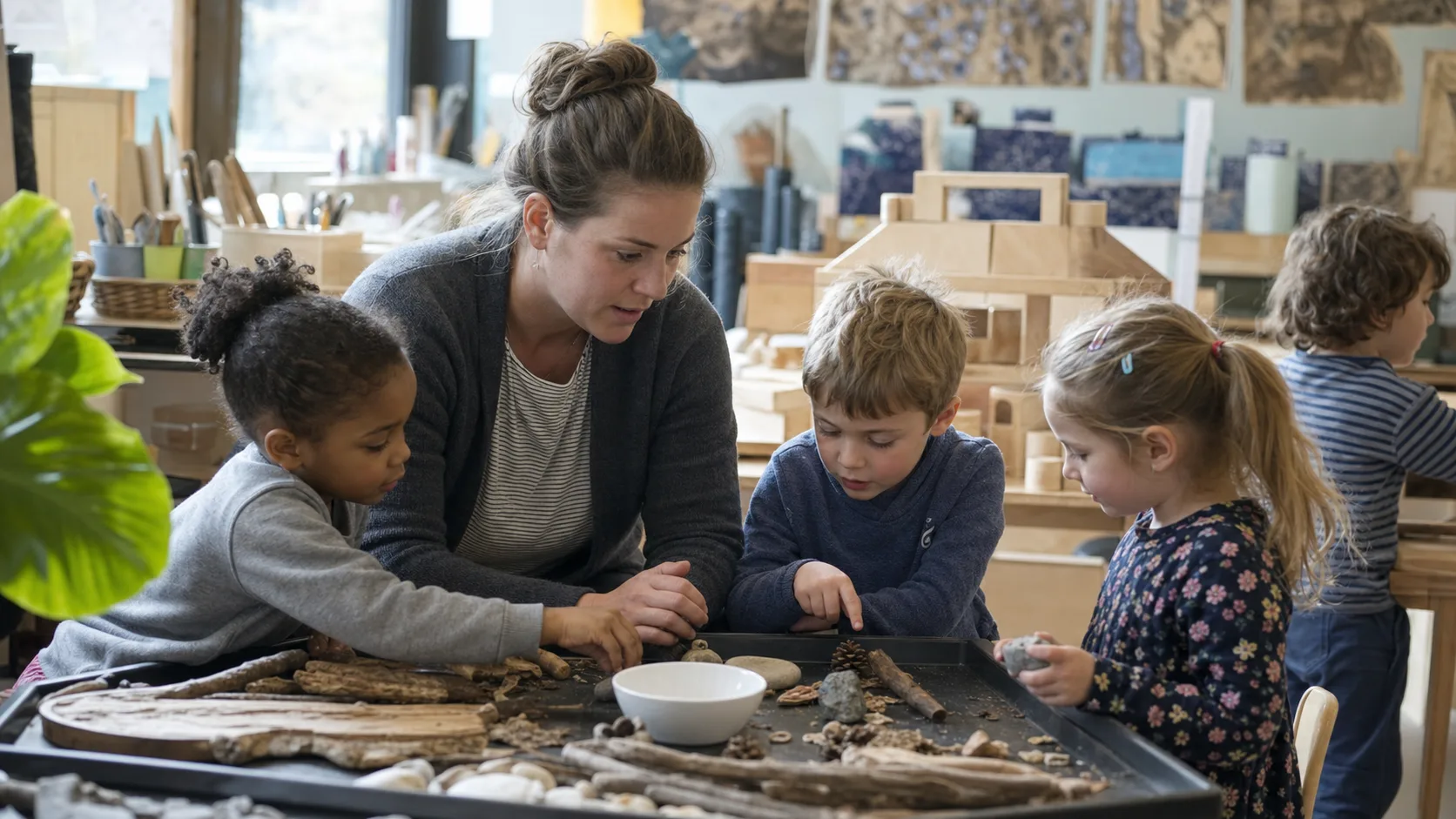
The Reggio Emilia approach is an educational philosophy for early childhood education that views children as capable, curious individuals who construct their own learningthrough exploration and social interaction. It emphasises child-led learning, collaborative relationships between children, teachers and parents, and the environment as a 'third teacher.' This approach originated in Reggio Emilia, Italy after World War II and focuses on documentation, reflection, and emergent curriculum based on children's interests.

The Reggio Emilia approach is a unique and effective early childhood education philosophy that originated in the town of Reggio Emilia in Italy. This renowned approach is characterised by its focus on the child as an active participant in their own learning, and it emphasises the importance of developing curiosity, creativity, collaboration, and building cultural capital.
In this overview, we will explore the key principles and foundation of the Reggio Emilia approach, as well as its impact on supporting development and education of young children. We will also discuss the role of the teacher, the learning environment, and the use of documentation and reflection in this approach. Overall, this overview will provide insight into the fundamental components of the Reggio Emilia approach and its profound influence on early childhood education.
Reggio Emilia, a city in northern Italy, has a rich historical background in education. The Reggio Emilia Approach, which originated after World War II, emphasises the importance of children's rights, community involvement, and experiential learning. The approach was founded by Loris Malaguzzi, who advocated for a child-centered, collaborative, and complete approach to education.
The Loris Malaguzzi International Center, Reggio Children, and Fondazione Reggio Children have played integral roles in promoting and defending children's rights and improving educational experiences in communities.
These organisations have expanded the reach of the Reggio Emilia Approach, offering training, resources, and research to educators worldwide. They have also advocated for the rights of children to high-quality, individualized education, leading to improvements in inclusive education practices globally.
Overall, the historical background of Reggio Emilia and the organisations associated with the Reggio Emilia Approach have had a significant impact on promoting children's rights and improving educational experiences, shaping the way educators approach early childhood education.

Loris Malaguzzi founded the Reggio Emilia approach in post-World War II Italy as a response to the need for rebuilding society through education. He believed children have '100 languages' for expressing themselves and learning, advocating for a child-centered approach where teachers act as co-learners and facilitators. Malaguzzi's vision emphasised community involvement, children's rights, and education as a collaborative process between children, families, and educators.
Loris Malaguzzi was an Italian educator and innovator who played a key role in developing the Reggio Emilia approach to early childhood education. This approach is centered around the belief that children are capable, resourceful, and active learners who should have a significant role in shaping their own education.
Malaguzzi's vision emphasised the importance of a supportive and enriching environment that creates creativity, curiosity, and critical thinking in children. His philosophy also highlights the value of collaboration between children, teachers, and parents in the learning process.
Through his work, Malaguzzi sought to create an education system that respects and values the unique perspectives and abilities of each child, and his legacy continues to inspire educators around the world.
Loris Malaguzzi (1920-1994) was an Italian educator and the founder of the Reggio Emilia Approach to early childhood education. He was born in Reggio Emilia and became a prominent figure in the field of education and early childhood development.
Malaguzzi's key contribution to education and culture was the development of the Reggio Emilia Approach, which values the child as strong, capable, and resilient, emphasising the importance of the child's environment and relationships. This approach has had a significant impact on education not only in Reggio Emilia but also worldwide, influencing educational practices and policies through its focus on constructivist learning principles.
Malaguzzi's work in Reggio Emilia had a lasting impact on the town's culture, developing a community approach to education and encouraging collaboration between children, parents, and educators. His emphasis on creativity, exploration, and the arts has helped shape a progressive and child-centered approach to learning that enhances student engagement.
Loris Malaguzzi's contributions toeducation and early childhood development continue to influence educators worldwide, promoting a philosophy that recognises children as competent and capable learners.
His legacy lives on through the continued implementation of the Reggio Emilia Approach in schools and early childhood centres around the globe, demonstrating the enduring relevance of his educational philosophy.
The Reggio Emilia approach is built upon several fundamental principles that distinguish it from traditional early childhood education methods. These principles work together to create a complete learning environment that respects children's innate abilities and curiosity.
Central to the Reggio Emilia philosophy is the concept of the 'image of the child' - viewing children as strong, capable, and curious individuals who are active constructors of their own knowledge. This principle stands in stark contrast to traditional views of children as empty vessels waiting to be filled with adult knowledge.
Children are seen as researchers who naturally explore their environment, form hypotheses, and test their theories through play and interaction. This perspective helps educators to create learning experiences that build upon children's natural inclinations rather than imposing predetermined curricula.
Malaguzzi's famous poem 'The Hundred Languages of Children' captures the belief that children express themselves and learn through multiple modalities. These 'languages' include verbal communication, movement, drawing, painting, building, sculpture, music, and dramatic play, among others.
This principle encourages educators to provide diverse materials and opportunities for expression, recognising that not all children learn or communicate in the same ways. By honouring these multiple forms of expression, teachers can better understand and support each child's unique learning journey.
Rather than following a predetermined curriculum, the Reggio Emilia approach advocates for emergent curriculum that develops from children's interests, questions, and ideas. Teachers observe carefully and respond to what captures children's attention, building upon their natural curiosity.
This approach requires skilled educators who can recognise learning opportunities in everyday moments and extend children's thinking through thoughtful questioning and scaffolding. The curriculum emerges organically from the intersection of children's interests, teacher insights, and learning objectives.
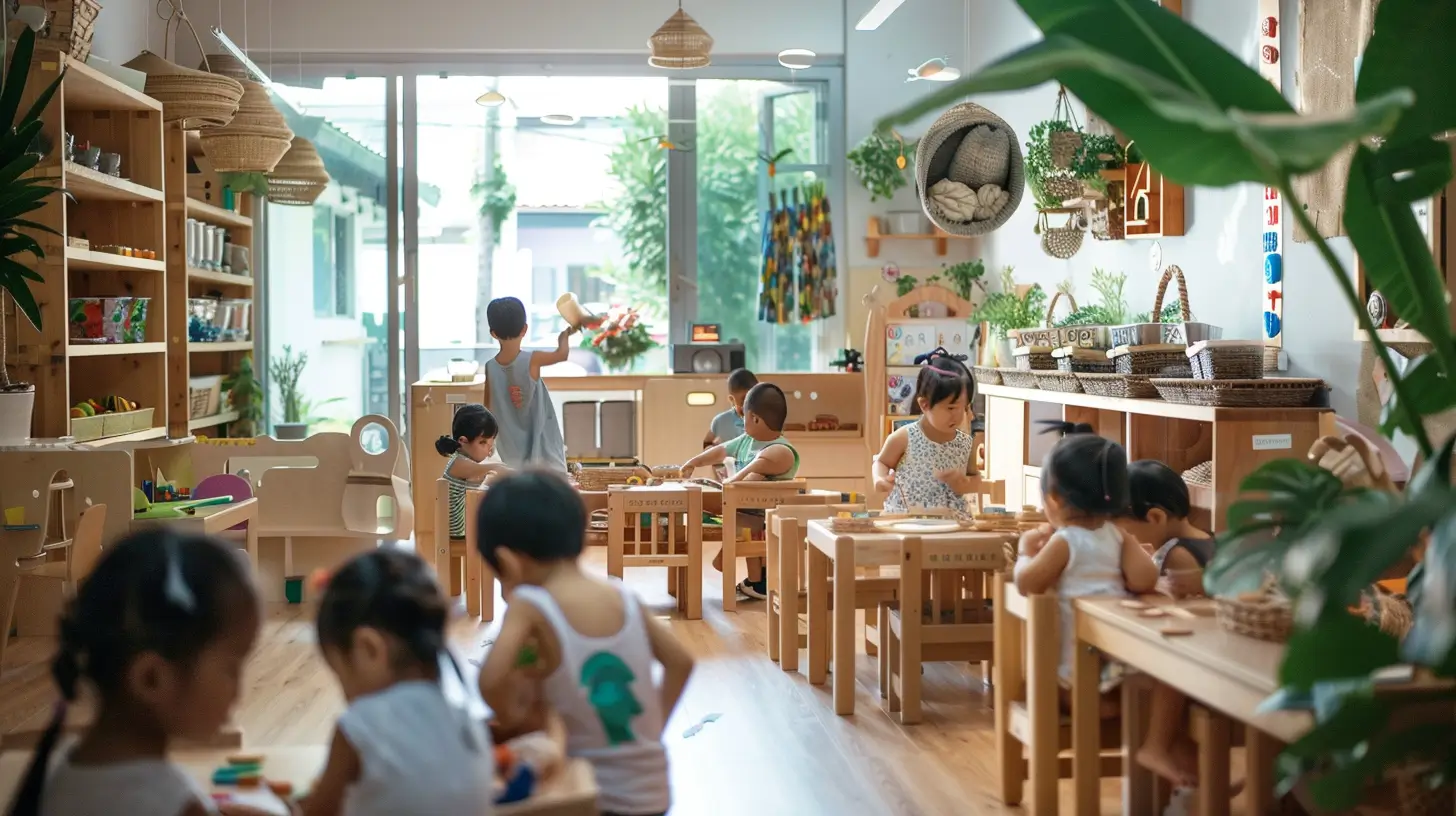
In the Reggio Emilia approach, the physical environment is considered the 'third teacher' alongside children and adults. This concept recognises that carefully designed spaces can inspire, challenge, and support learning in profound ways.
Reggio-inspired environments are characterised by natural light, plants, mirrors, and beautiful materials that invite exploration. Spaces are organised to encourage both independent exploration and collaborative work, with clear pathways and defined areas for different types of activities.
Materials are thoughtfully selected and presented in an aesthetically pleasing manner that communicates respect for children's capabilities. Natural and recycled materials are often preferred over plastic toys, encouraging creativity and environmental consciousness.
Children's work and learning processes are made visible throughout the environment through carefully curated displays. These documentation panels tell the story of children's investigations and thinking, serving both as celebration of achievement and reflection on learning.
The documentation process itself becomes a powerful tool for extending learning, as children revisit their experiences and teachers gain insights into children's thinking processes. This practice supports metacognitive development and helps children see themselves as capable learners.
While the Reggio Emilia approach offers numerous benefits for children's development, implementing this philosophy can present challenges that educators must carefully navigate.
Research has shown that children in Reggio-inspired programmes often demonstrate enhanced creativity, critical thinking skills, and social competence. The emphasis on collaboration and communication supports language development and emotional intelligence.
The approach's focus on process over product helps children develop resilience and a growth mindset, viewing mistakes as learning opportunities rather than failures. This foundation serves children well as they progress through their educational journey.
Successfully implementing the Reggio Emilia approach requires significant investment in teacher training and professional development. Educators must develop skills in observation, documentation, and facilitation that may differ substantially from traditional teaching methods.
The approach also requires supportive leadership and adequate resources, including appropriate physical spaces and materials. Time for planning, reflection, and documentation must be built into educators' schedules to ensure the approach's effectiveness.
The Reggio Emilia approach represents a profound shift in how we view children and their capacity for learning. By recognising children as capable, curious, and competent individuals, this philosophy creates educational experiences that honour their natural instincts for exploration and discovery.
For educators considering this approach, the journey requires commitment to professional growth and a willingness to see learning through children's eyes. The benefits, however, extend far beyond academic achievement to encompass the development of creative, confident, and collaborative individuals who are well-prepared for an uncertain future.
As we face the challenges of 21st-century education, the Reggio Emilia approach offers valuable insights into creating learning environments that truly serve children's developmental needs whilst developing a lifelong love of learning and inquiry.
For educators interested in exploring the Reggio Emilia approach further, the following research papers and publications provide valuable insights into the theoretical foundations and practical applications of this educational philosophy:
The Reggio Emilia approach is an educational philosophy for early childhood education that views children as capable, curious individuals who construct their own learningthrough exploration and social interaction. It emphasises child-led learning, collaborative relationships between children, teachers and parents, and the environment as a 'third teacher.' This approach originated in Reggio Emilia, Italy after World War II and focuses on documentation, reflection, and emergent curriculum based on children's interests.

The Reggio Emilia approach is a unique and effective early childhood education philosophy that originated in the town of Reggio Emilia in Italy. This renowned approach is characterised by its focus on the child as an active participant in their own learning, and it emphasises the importance of developing curiosity, creativity, collaboration, and building cultural capital.
In this overview, we will explore the key principles and foundation of the Reggio Emilia approach, as well as its impact on supporting development and education of young children. We will also discuss the role of the teacher, the learning environment, and the use of documentation and reflection in this approach. Overall, this overview will provide insight into the fundamental components of the Reggio Emilia approach and its profound influence on early childhood education.
Reggio Emilia, a city in northern Italy, has a rich historical background in education. The Reggio Emilia Approach, which originated after World War II, emphasises the importance of children's rights, community involvement, and experiential learning. The approach was founded by Loris Malaguzzi, who advocated for a child-centered, collaborative, and complete approach to education.
The Loris Malaguzzi International Center, Reggio Children, and Fondazione Reggio Children have played integral roles in promoting and defending children's rights and improving educational experiences in communities.
These organisations have expanded the reach of the Reggio Emilia Approach, offering training, resources, and research to educators worldwide. They have also advocated for the rights of children to high-quality, individualized education, leading to improvements in inclusive education practices globally.
Overall, the historical background of Reggio Emilia and the organisations associated with the Reggio Emilia Approach have had a significant impact on promoting children's rights and improving educational experiences, shaping the way educators approach early childhood education.

Loris Malaguzzi founded the Reggio Emilia approach in post-World War II Italy as a response to the need for rebuilding society through education. He believed children have '100 languages' for expressing themselves and learning, advocating for a child-centered approach where teachers act as co-learners and facilitators. Malaguzzi's vision emphasised community involvement, children's rights, and education as a collaborative process between children, families, and educators.
Loris Malaguzzi was an Italian educator and innovator who played a key role in developing the Reggio Emilia approach to early childhood education. This approach is centered around the belief that children are capable, resourceful, and active learners who should have a significant role in shaping their own education.
Malaguzzi's vision emphasised the importance of a supportive and enriching environment that creates creativity, curiosity, and critical thinking in children. His philosophy also highlights the value of collaboration between children, teachers, and parents in the learning process.
Through his work, Malaguzzi sought to create an education system that respects and values the unique perspectives and abilities of each child, and his legacy continues to inspire educators around the world.
Loris Malaguzzi (1920-1994) was an Italian educator and the founder of the Reggio Emilia Approach to early childhood education. He was born in Reggio Emilia and became a prominent figure in the field of education and early childhood development.
Malaguzzi's key contribution to education and culture was the development of the Reggio Emilia Approach, which values the child as strong, capable, and resilient, emphasising the importance of the child's environment and relationships. This approach has had a significant impact on education not only in Reggio Emilia but also worldwide, influencing educational practices and policies through its focus on constructivist learning principles.
Malaguzzi's work in Reggio Emilia had a lasting impact on the town's culture, developing a community approach to education and encouraging collaboration between children, parents, and educators. His emphasis on creativity, exploration, and the arts has helped shape a progressive and child-centered approach to learning that enhances student engagement.
Loris Malaguzzi's contributions toeducation and early childhood development continue to influence educators worldwide, promoting a philosophy that recognises children as competent and capable learners.
His legacy lives on through the continued implementation of the Reggio Emilia Approach in schools and early childhood centres around the globe, demonstrating the enduring relevance of his educational philosophy.
The Reggio Emilia approach is built upon several fundamental principles that distinguish it from traditional early childhood education methods. These principles work together to create a complete learning environment that respects children's innate abilities and curiosity.
Central to the Reggio Emilia philosophy is the concept of the 'image of the child' - viewing children as strong, capable, and curious individuals who are active constructors of their own knowledge. This principle stands in stark contrast to traditional views of children as empty vessels waiting to be filled with adult knowledge.
Children are seen as researchers who naturally explore their environment, form hypotheses, and test their theories through play and interaction. This perspective helps educators to create learning experiences that build upon children's natural inclinations rather than imposing predetermined curricula.
Malaguzzi's famous poem 'The Hundred Languages of Children' captures the belief that children express themselves and learn through multiple modalities. These 'languages' include verbal communication, movement, drawing, painting, building, sculpture, music, and dramatic play, among others.
This principle encourages educators to provide diverse materials and opportunities for expression, recognising that not all children learn or communicate in the same ways. By honouring these multiple forms of expression, teachers can better understand and support each child's unique learning journey.
Rather than following a predetermined curriculum, the Reggio Emilia approach advocates for emergent curriculum that develops from children's interests, questions, and ideas. Teachers observe carefully and respond to what captures children's attention, building upon their natural curiosity.
This approach requires skilled educators who can recognise learning opportunities in everyday moments and extend children's thinking through thoughtful questioning and scaffolding. The curriculum emerges organically from the intersection of children's interests, teacher insights, and learning objectives.
In the Reggio Emilia approach, the physical environment is considered the 'third teacher' alongside children and adults. This concept recognises that carefully designed spaces can inspire, challenge, and support learning in profound ways.
Reggio-inspired environments are characterised by natural light, plants, mirrors, and beautiful materials that invite exploration. Spaces are organised to encourage both independent exploration and collaborative work, with clear pathways and defined areas for different types of activities.
Materials are thoughtfully selected and presented in an aesthetically pleasing manner that communicates respect for children's capabilities. Natural and recycled materials are often preferred over plastic toys, encouraging creativity and environmental consciousness.
Children's work and learning processes are made visible throughout the environment through carefully curated displays. These documentation panels tell the story of children's investigations and thinking, serving both as celebration of achievement and reflection on learning.
The documentation process itself becomes a powerful tool for extending learning, as children revisit their experiences and teachers gain insights into children's thinking processes. This practice supports metacognitive development and helps children see themselves as capable learners.
While the Reggio Emilia approach offers numerous benefits for children's development, implementing this philosophy can present challenges that educators must carefully navigate.
Research has shown that children in Reggio-inspired programmes often demonstrate enhanced creativity, critical thinking skills, and social competence. The emphasis on collaboration and communication supports language development and emotional intelligence.
The approach's focus on process over product helps children develop resilience and a growth mindset, viewing mistakes as learning opportunities rather than failures. This foundation serves children well as they progress through their educational journey.
Successfully implementing the Reggio Emilia approach requires significant investment in teacher training and professional development. Educators must develop skills in observation, documentation, and facilitation that may differ substantially from traditional teaching methods.
The approach also requires supportive leadership and adequate resources, including appropriate physical spaces and materials. Time for planning, reflection, and documentation must be built into educators' schedules to ensure the approach's effectiveness.
The Reggio Emilia approach represents a profound shift in how we view children and their capacity for learning. By recognising children as capable, curious, and competent individuals, this philosophy creates educational experiences that honour their natural instincts for exploration and discovery.
For educators considering this approach, the journey requires commitment to professional growth and a willingness to see learning through children's eyes. The benefits, however, extend far beyond academic achievement to encompass the development of creative, confident, and collaborative individuals who are well-prepared for an uncertain future.
As we face the challenges of 21st-century education, the Reggio Emilia approach offers valuable insights into creating learning environments that truly serve children's developmental needs whilst developing a lifelong love of learning and inquiry.
For educators interested in exploring the Reggio Emilia approach further, the following research papers and publications provide valuable insights into the theoretical foundations and practical applications of this educational philosophy:
{"@context":"https://schema.org","@graph":[{"@type":"Article","@id":"https://www.structural-learning.com/post/reggio-emilia#article","headline":"Reggio Emilia","description":"Discover the Reggio Emilia Approach: Transforming Early Education with Child-Centered Learning. Unlock the power of this innovative pedagogy.","datePublished":"2024-02-05T17:03:58.635Z","dateModified":"2026-01-26T10:09:32.212Z","author":{"@type":"Person","name":"Paul Main","url":"https://www.structural-learning.com/team/paulmain","jobTitle":"Founder & Educational Consultant"},"publisher":{"@type":"Organization","name":"Structural Learning","url":"https://www.structural-learning.com","logo":{"@type":"ImageObject","url":"https://cdn.prod.website-files.com/5b69a01ba2e409e5d5e055c6/6040bf0426cb415ba2fc7882_newlogoblue.svg"}},"mainEntityOfPage":{"@type":"WebPage","@id":"https://www.structural-learning.com/post/reggio-emilia"},"image":"https://cdn.prod.website-files.com/5b69a01ba2e409501de055d1/694667bdd1b51c986eaec033_66aa0b874487cd01d6d73a86_65e5f95e9ec0b50d3f8063b8_Reggio%252520Emilia%252520Approach%252520Classroom.webp","wordCount":3146},{"@type":"BreadcrumbList","@id":"https://www.structural-learning.com/post/reggio-emilia#breadcrumb","itemListElement":[{"@type":"ListItem","position":1,"name":"Home","item":"https://www.structural-learning.com/"},{"@type":"ListItem","position":2,"name":"Blog","item":"https://www.structural-learning.com/blog"},{"@type":"ListItem","position":3,"name":"Reggio Emilia","item":"https://www.structural-learning.com/post/reggio-emilia"}]},{"@type":"FAQPage","@id":"https://www.structural-learning.com/post/reggio-emilia#faq","mainEntity":[{"@type":"Question","name":"What is the Reggio Emilia approach and how does it differ from traditional early childhood education methods?","acceptedAnswer":{"@type":"Answer","text":"The Reggio Emilia approach is an educational philosophy that views children as capable, curious individuals who construct their own learning through exploration and social interaction. Unlike traditional teacher-led methods, it emphasises child-led learning, collaborative relationships between child"}},{"@type":"Question","name":"How can teachers implement emergent curriculum based on children's interests without losing educational structure?","acceptedAnswer":{"@type":"Answer","text":"Teachers act as researchers and co-learners, carefully observing and documenting children's interests to guide curriculum development whilst maintaining educational goals. The approach balances following children's natural curiosities with intentional and responsive teaching, ensuring meaningful lea"}},{"@type":"Question","name":"What does 'the environment as the third teacher' mean in practice for classroom setup?","acceptedAnswer":{"@type":"Answer","text":"The physical environment should be carefully designed to foster curiosity, creativity, and collaboration, with beautiful and inspiring spaces that engage all the senses. Reggio-inspired classrooms feature a wide variety of materials for exploration, aesthetic arrangements that invite investigation, "}},{"@type":"Question","name":"How important is documentation in the Reggio Emilia approach and what should teachers document?","acceptedAnswer":{"@type":"Answer","text":"Documentation is central to the Reggio approach, involving photographing and recording children's work, thinking processes, and learning journeys to understand their development and plan future learning. This documentation serves as a tool for reflection, assessment, and curriculum planning, helping"}},{"@type":"Question","name":"What role do parents play in the Reggio Emilia approach and how can schools involve them meaningfully?","acceptedAnswer":{"@type":"Answer","text":"Parents are viewed as essential partners in the educational process, moving beyond traditional newsletters and parents' evenings to become active collaborators in their child's learning. The approach emphasises creating genuine partnerships where families contribute to curriculum development, partic"}}]}]}