Engaging Young Minds Through Mathematical Play
Discover the benefits of playful approaches in maths education to enhance engagement, boost comprehension, and foster a love for learning in children.

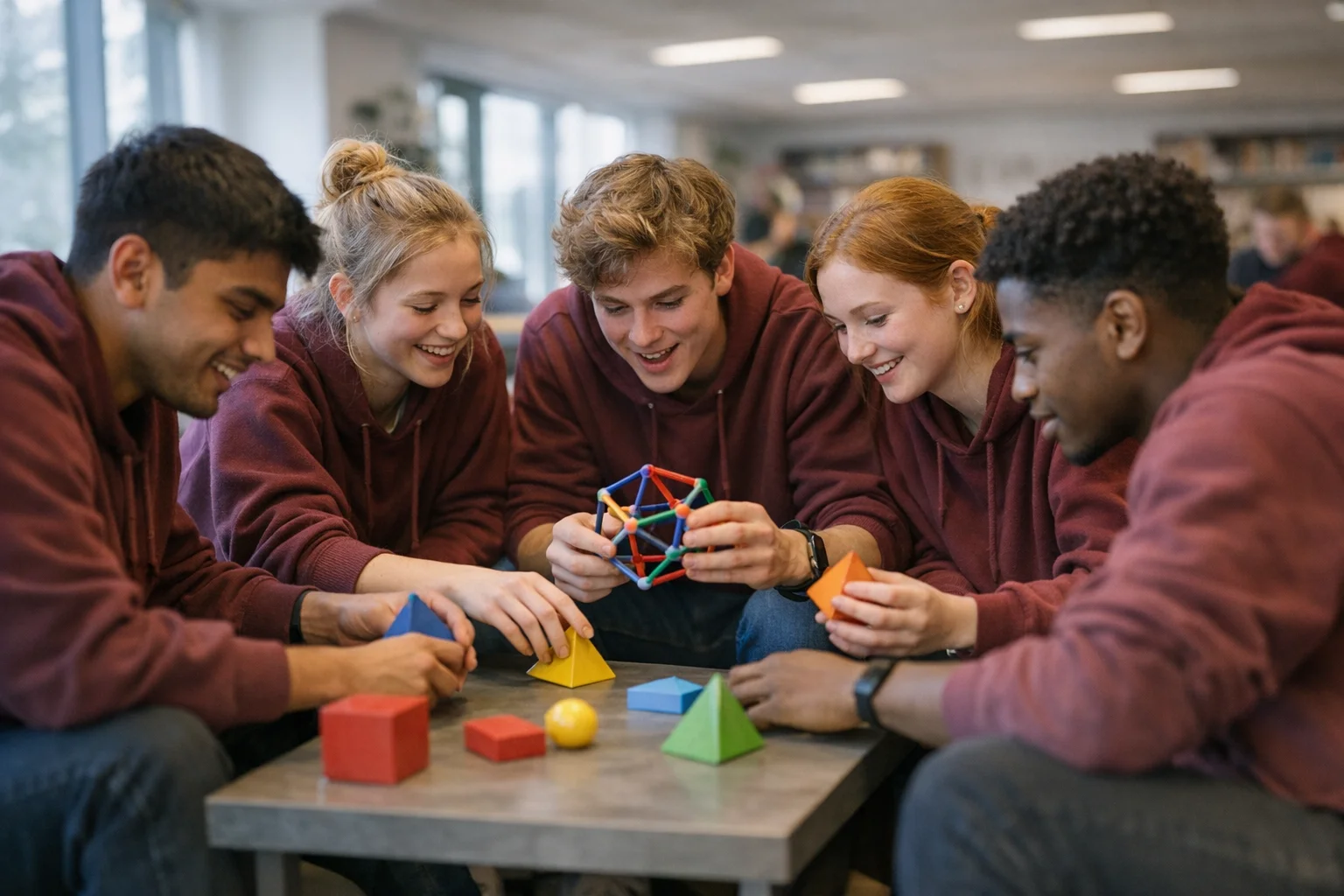
Discover the benefits of playful approaches in maths education to enhance engagement, boost comprehension, and foster a love for learning in children.
Mathematical play offers parents and educators a powerful approach to transform abstract numbers and concepts into exciting adventures that captivate young learners. By weaving games, hands-on activities, and creative problem-solving into everyday learning, children naturally develop mathematical thinking without the pressure or anxiety often associated with traditional methods. This playful approach not only builds essential numeracy skills but also nurtures curiosity, confidence, and a genuine love for mathematics that lasts well beyond the primary years. Discover how simple household items and imaginative activities can unlock your child's mathematical potential in ways you never thought possible.
Research suggests that integrating play with mathematical concepts not only enhances understanding but also creates a deeper love for the subject. From toddlers discovering numbers through musical rhythms to preschoolers solving problems with storytelling, every playful interaction promotes critical thinking and problem-solving skills.

This article examines into the numerous benefits of playful engagement in math, various strategies for incorporating play into learning, and age-appropriate activities that parents and educators can undertake to nurture young minds in the world of mathematics.
Playful math engagement transforms reluctant learners into enthusiastic problem-solvers by making abstract concepts concrete and accessible. Research shows that game-based learning enhances mathematical understanding while encouraging a deeper love for the subject. Children develop critical thinking and problem-solving skills naturally through interactive experiences that feel instinctive and fun.
practical strategies for teachers to integrate mathematical concepts into playful learning activities" loading="lazy">The integration of mathematical play into childhood education is a key element in nurturing a strong cognitive foundation for math skills. Short, interactive experiences offer learners a scaffolded approach to absorb mathematical ideas in a way that feels instinctive and fun, laying a groundwork for passion in the subject.
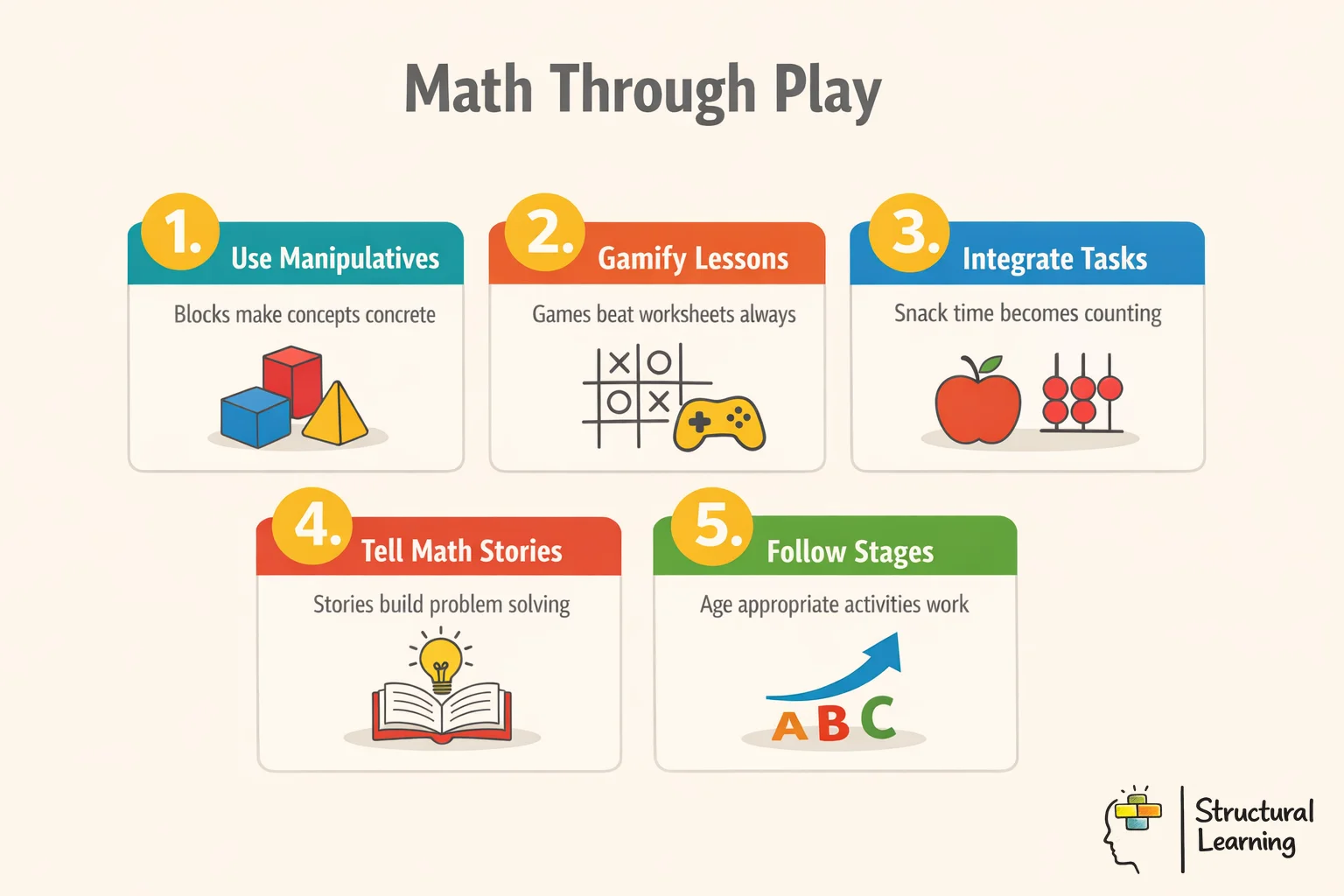
Engaging children in activities with manipulatives, objects that allow them to visualise abstract concepts, is paramount. These tactile experiences translate complex concepts into physical form, making math less intimidating and more concrete.
Playful elements mixed into everyday activities such as snack time or clean-up imbue routine tasks with math fun. This interwoven approach demonstrates math's presence beyond academic endeavors, encouraging a natural inclination towards mathematical thinking.
Considering developmental stages in play-based math activities is imperative for tailored learning experiences. Such age-appropriate engagements underscore the importance of each stage of childhood mathematics education and ensure profound cognitive engagement.
Children's everyday EM skills often bloom in playful environments where math expressions manifest through informal play, recognising patterns or sorting shapes. This points to the significance of a supportive environment where mathematical learning feels like discovery rather than forced instruction.
A playful learning setting is a crucible for development, inviting children to exercise critical thinking and creative thinking skill. This kind of engagement prompts them to explore and construct mathematical content, a major aspect of developing a well-rounded grasp on mathematical concepts that will serve them throughout their grade levels and beyond.
Teachers can transform everyday activities like snack time, tidying up, and story sessions into mathematical learning opportunities that children don't realise are lessons. Using manipulatives such as blocks, beads, and everyday objects makes abstract mathematical concepts tangible and concrete. Game-based approaches work particularly well for pupils who struggle with traditional worksheet methods.
Finding ways to smoothly integrate mathematics into the field of play can transform the learning process, enhancing children's math fun and their capacity to understand and apply mathematical concepts. Below, explore strategies that sensitively blend math into playtime, creating an engaging and supportive environment for young minds to thrive.

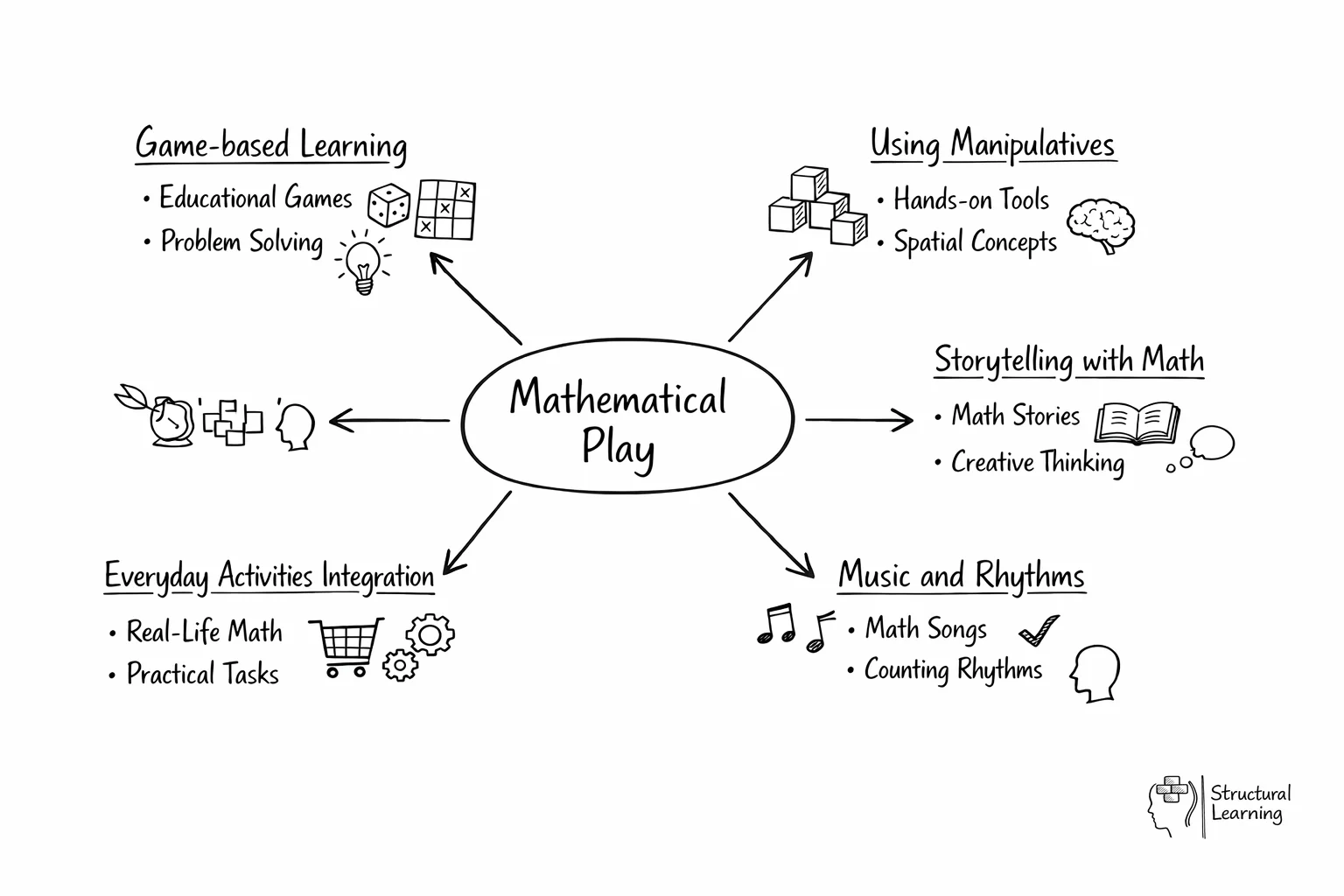
Using the power of play, educators can translate traditional math lessons into game-based experiences, igniting natural motivation for the subject. These games might include a quest that incorporates sorting treasures by shape or size, or a fantasy market where children use counting and currency. By embedding a scoring system, children are motivated to apply basic arithmetic, thereby experiencing the thrill of competition paired with the satisfaction of problem-solving. In designing these games, focus on creating an atmosphere bristling with excitement and challenge, which is conducive to encouraging a genuine passion for math among students.
Manipulatives are the bridge between concrete experiences and abstract mathematical ideas for children. Through the use of blocks, beads, or digital counterparts, children can engage with foundational math operations such as addition and subtraction, and early concepts of multiplication and division. These hands-on activities provide a tangible understandingof mathematical concepts, allowing learners to see and feel the mathematics they are working with. When children use counting bears to solve addition problems or pattern blocks to explore geometric relationships, they develop number sense and spatial reasoning in ways that abstract symbols alone cannot provide. The tactile nature of manipulatives supports different learning styles and helps children who may struggle with visual or auditory instruction alone.
Incorporating mathematical concepts into storytelling creates memorable learning experiences that capture children's imagination whilst developing numeracy skills. Stories provide context for mathematical problems, making abstract concepts more relatable and meaningful. For example, a tale about a baker making cupcakes naturally introduces counting, addition, and division as children help calculate ingredients and portions. Adventure stories can incorporate measurement when characters need to build bridges or navigation problems involving time and distance. This narrative approach helps children understand that mathematics is not just about numbers on a page but a tool for solving real-world problems and adventures.
Transform the classroom and home environment into rich mathematical landscapes by highlighting numbers, patterns, and geometric shapes in everyday surroundings. Create number trails around the school grounds, establish measurement stations using playground equipment, or develop pattern hunts using natural materials like leaves and stones. Weather observations can introduce data collection and graphing, whilst cooking activities naturally incorporate fractions, measurement, and time concepts. Garden-based mathematics allows children to explore growth patterns, symmetry in nature, and practical problem-solving through planning and measuring garden plots.
Digital tools and applications can enhance mathematical play when used thoughtfully and in moderation. Interactive mathematics apps provide immediate feedback and adaptive challenges that respond to individual learning pace. Virtual manipulatives offer the same benefits as physical objects whilst providing additional features like automatic counting or shape recognition. However, the key is ensuring technology supplements rather than replaces hands-on exploration and social interaction. Screen-based activities work best when they encourage discussion, collaboration, and real-world application of digital discoveries.
Different developmental stages require tailored approaches to mathematical play, ensuring activities match children's cognitive abilities and interests. From sensory exploration with toddlers to complex problem-solving with older primary pupils, age-appropriate activities build confidence whilst challenging learners appropriately.
For toddlers and preschoolers, mathematical concepts emerge through sensory exploration and repetitive play. Simple activities like sorting toys by colour or size, singing counting songs, and playing with nesting cups introduce fundamental mathematical ideas. Water play provides opportunities to explore capacity and volume, whilst building with blocks develops spatial awareness and early geometry concepts. At this stage, the focus should be on making mathematics a natural part of daily routines rather than formal instruction.
Children at this stage are ready for more structured mathematical play that introduces formal concepts in playful contexts. Dice games, simple board games, and treasure hunts can develop counting skills and number recognition. Shape sorting activities become more complex, and children can begin to explore patterns using colours, shapes, and sounds. Cooking activities introduce measurement concepts, whilst playground games can incorporate counting, timing, and basic addition and subtraction.
Older primary pupils can engage with more sophisticated mathematical play that challenges their developing problem-solving abilities. Strategy games like chess or draughts develop logical thinking, whilst card games can reinforce arithmetic skills. Science investigations provide contexts for measurement, data collection, and analysis. Children at this stage can also begin to create their own mathematical games and challenges, demonstrating their understanding whilst developing creativity and confidence.
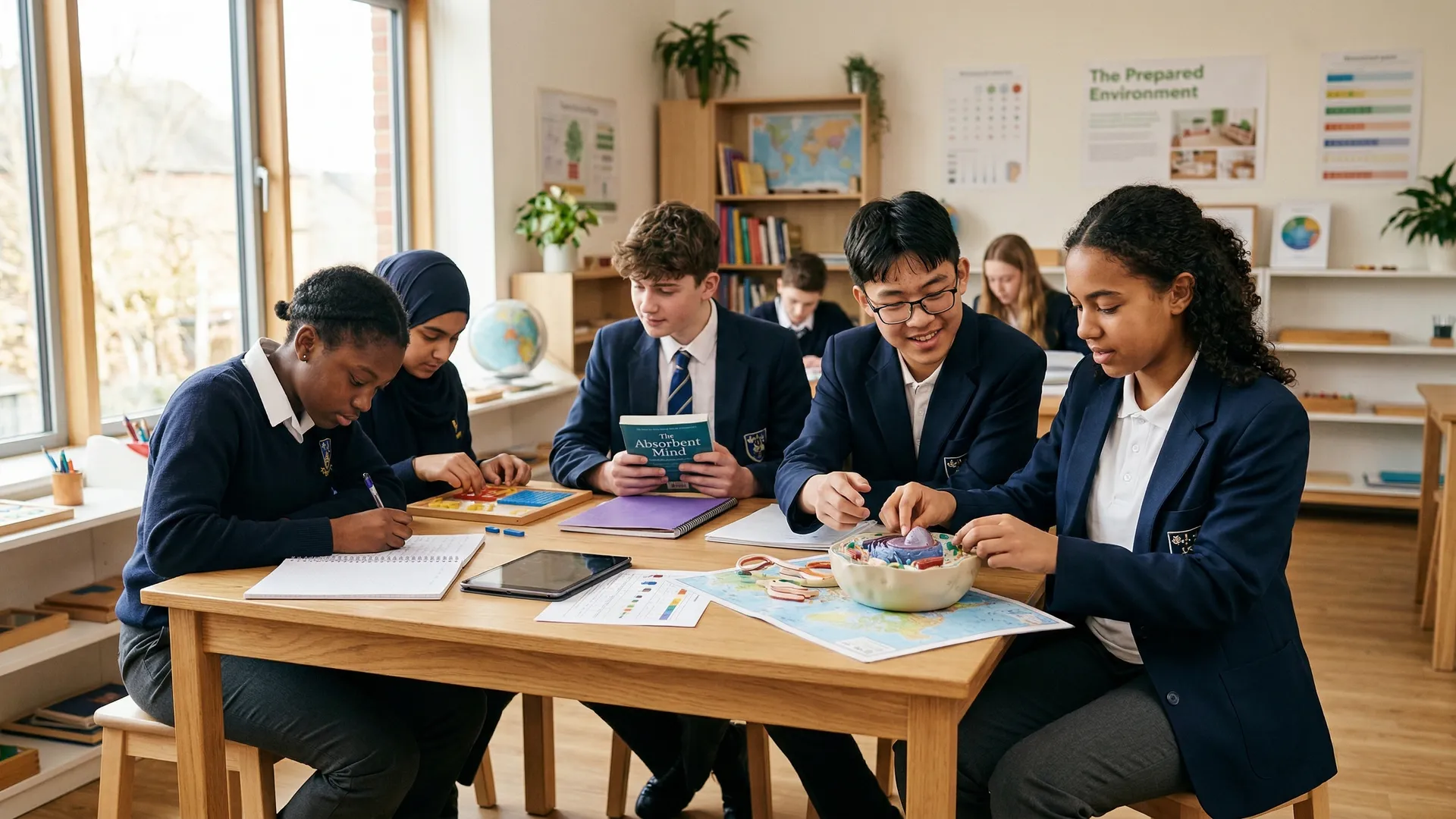
Establishing a supportive environment for mathematical play requires thoughtful planning and resource organisation. The physical space should invite exploration, provide easy access to materials, and offer opportunities for both independent and collaborative learning.
Design learning spaces that naturally encourage mathematical thinking through strategic placement of resources and materials. Create dedicated areas for different types of mathematical play, such as a construction zone with various building materials, a measurement station with rulers and scales, and a pattern-making area with sorting materials. Ensure resources are clearly labelled and easily accessible to promote independent exploration and choice.
Establish routines that incorporate mathematical thinking into daily transitions and activities. Use songs and chants for counting during line-up time, create jobs that involve mathematical responsibilities like attendance counting or supply monitoring, and develop rituals that highlight mathematical observations about weather, time, or classroom changes. These embedded practices help children see mathematics as a natural part of their world rather than a separate subject area.
Mathematical play represents a transformative approach to early numeracy education, offering children the opportunity to develop essential skills whilst maintaining their natural curiosity and enthusiasm for learning. Through carefully designed activities that integrate games, manipulatives, storytelling, and real-world applications, educators and parents can create rich mathematical experiences that lay the foundation for lifelong mathematical understanding and appreciation.
The evidence consistently demonstrates that when mathematics is embedded within playful contexts, children not only achieve better academic outcomes but also develop positive attitudes towards the subject that persist throughout their educational journey. By recognising the developmental needs of different age groups and creating environments that support mathematical exploration, we can ensure that every child has the opportunity to discover the joy and wonder inherent in mathematical thinking.
As educators and parents, our role is not merely to teach mathematical facts and procedures, but to nurture mathematical minds that are confident, creative, and capable of tackling the complex challenges of the future. Through mathematical play, we open doors to understanding that extend far beyond the classroom, helping children with tools for logical thinking, problem-solving, and creative expression that will serve them throughout their lives.
For educators seeking to deepen their understanding of mathematical play and its implementation, the following research provides valuable insights and evidence-based strategies:
Ginsburg, K. R. (2007). The importance of play in promoting healthy child development and maintaining strong parent-child bonds. Pediatrics, 119(1), 182-191. This seminal paper explores the fundamental role of play in child development and provides a theoretical framework for understanding how playful learning supports cognitive growth across multiple domains, including mathematics.
Clements, D. H., & Sarama, J. (2009). Learning and teaching early math: The learning trajectories approach. Routledge. A comprehensive examination of how children develop mathematical understanding through developmentally appropriate activities and play-based experiences, offering practical guidance for curriculum design and implementation.
Fisher, K., Hirsh-Pasek, K., Newcombe, N., & Golinkoff, R. M. (2013). Taking shape: Supporting preschoolers' acquisition of geometric knowledge through guided play. Child Development, 84(6), 1872-1878. This research demonstrates the effectiveness of guided play in developing spatial and geometric understanding, providing evidence for structured play approaches in mathematical learning.
Ramani, G. B., & Siegler, R. S. (2008). Promoting broad and stable improvements in low-income children's numerical knowledge through playing number board games. Child Development, 79(2), 375-394. A longitudinal study showing how simple board games can significantly improve numerical understanding, particularly beneficial for children from disadvantaged backgrounds.
Weisberg, D. S., Hirsh-Pasek, K., & Golinkoff, R. M. (2013). Guided play: Where curricular goals meet a playful pedagogy. Mind, Brain, and Education, 7(2), 104-112. This paper articulates the theoretical foundation for guided play as an optimal learning approach that balances child-directed exploration with adult scaffolding to achieve specific educational objectives.
Mathematical play offers parents and educators a powerful approach to transform abstract numbers and concepts into exciting adventures that captivate young learners. By weaving games, hands-on activities, and creative problem-solving into everyday learning, children naturally develop mathematical thinking without the pressure or anxiety often associated with traditional methods. This playful approach not only builds essential numeracy skills but also nurtures curiosity, confidence, and a genuine love for mathematics that lasts well beyond the primary years. Discover how simple household items and imaginative activities can unlock your child's mathematical potential in ways you never thought possible.
Research suggests that integrating play with mathematical concepts not only enhances understanding but also creates a deeper love for the subject. From toddlers discovering numbers through musical rhythms to preschoolers solving problems with storytelling, every playful interaction promotes critical thinking and problem-solving skills.

This article examines into the numerous benefits of playful engagement in math, various strategies for incorporating play into learning, and age-appropriate activities that parents and educators can undertake to nurture young minds in the world of mathematics.
Playful math engagement transforms reluctant learners into enthusiastic problem-solvers by making abstract concepts concrete and accessible. Research shows that game-based learning enhances mathematical understanding while encouraging a deeper love for the subject. Children develop critical thinking and problem-solving skills naturally through interactive experiences that feel instinctive and fun.
practical strategies for teachers to integrate mathematical concepts into playful learning activities" loading="lazy">The integration of mathematical play into childhood education is a key element in nurturing a strong cognitive foundation for math skills. Short, interactive experiences offer learners a scaffolded approach to absorb mathematical ideas in a way that feels instinctive and fun, laying a groundwork for passion in the subject.
Engaging children in activities with manipulatives, objects that allow them to visualise abstract concepts, is paramount. These tactile experiences translate complex concepts into physical form, making math less intimidating and more concrete.
Playful elements mixed into everyday activities such as snack time or clean-up imbue routine tasks with math fun. This interwoven approach demonstrates math's presence beyond academic endeavors, encouraging a natural inclination towards mathematical thinking.
Considering developmental stages in play-based math activities is imperative for tailored learning experiences. Such age-appropriate engagements underscore the importance of each stage of childhood mathematics education and ensure profound cognitive engagement.
Children's everyday EM skills often bloom in playful environments where math expressions manifest through informal play, recognising patterns or sorting shapes. This points to the significance of a supportive environment where mathematical learning feels like discovery rather than forced instruction.
A playful learning setting is a crucible for development, inviting children to exercise critical thinking and creative thinking skill. This kind of engagement prompts them to explore and construct mathematical content, a major aspect of developing a well-rounded grasp on mathematical concepts that will serve them throughout their grade levels and beyond.
Teachers can transform everyday activities like snack time, tidying up, and story sessions into mathematical learning opportunities that children don't realise are lessons. Using manipulatives such as blocks, beads, and everyday objects makes abstract mathematical concepts tangible and concrete. Game-based approaches work particularly well for pupils who struggle with traditional worksheet methods.
Finding ways to smoothly integrate mathematics into the field of play can transform the learning process, enhancing children's math fun and their capacity to understand and apply mathematical concepts. Below, explore strategies that sensitively blend math into playtime, creating an engaging and supportive environment for young minds to thrive.

Using the power of play, educators can translate traditional math lessons into game-based experiences, igniting natural motivation for the subject. These games might include a quest that incorporates sorting treasures by shape or size, or a fantasy market where children use counting and currency. By embedding a scoring system, children are motivated to apply basic arithmetic, thereby experiencing the thrill of competition paired with the satisfaction of problem-solving. In designing these games, focus on creating an atmosphere bristling with excitement and challenge, which is conducive to encouraging a genuine passion for math among students.
Manipulatives are the bridge between concrete experiences and abstract mathematical ideas for children. Through the use of blocks, beads, or digital counterparts, children can engage with foundational math operations such as addition and subtraction, and early concepts of multiplication and division. These hands-on activities provide a tangible understandingof mathematical concepts, allowing learners to see and feel the mathematics they are working with. When children use counting bears to solve addition problems or pattern blocks to explore geometric relationships, they develop number sense and spatial reasoning in ways that abstract symbols alone cannot provide. The tactile nature of manipulatives supports different learning styles and helps children who may struggle with visual or auditory instruction alone.
Incorporating mathematical concepts into storytelling creates memorable learning experiences that capture children's imagination whilst developing numeracy skills. Stories provide context for mathematical problems, making abstract concepts more relatable and meaningful. For example, a tale about a baker making cupcakes naturally introduces counting, addition, and division as children help calculate ingredients and portions. Adventure stories can incorporate measurement when characters need to build bridges or navigation problems involving time and distance. This narrative approach helps children understand that mathematics is not just about numbers on a page but a tool for solving real-world problems and adventures.
Transform the classroom and home environment into rich mathematical landscapes by highlighting numbers, patterns, and geometric shapes in everyday surroundings. Create number trails around the school grounds, establish measurement stations using playground equipment, or develop pattern hunts using natural materials like leaves and stones. Weather observations can introduce data collection and graphing, whilst cooking activities naturally incorporate fractions, measurement, and time concepts. Garden-based mathematics allows children to explore growth patterns, symmetry in nature, and practical problem-solving through planning and measuring garden plots.
Digital tools and applications can enhance mathematical play when used thoughtfully and in moderation. Interactive mathematics apps provide immediate feedback and adaptive challenges that respond to individual learning pace. Virtual manipulatives offer the same benefits as physical objects whilst providing additional features like automatic counting or shape recognition. However, the key is ensuring technology supplements rather than replaces hands-on exploration and social interaction. Screen-based activities work best when they encourage discussion, collaboration, and real-world application of digital discoveries.
Different developmental stages require tailored approaches to mathematical play, ensuring activities match children's cognitive abilities and interests. From sensory exploration with toddlers to complex problem-solving with older primary pupils, age-appropriate activities build confidence whilst challenging learners appropriately.
For toddlers and preschoolers, mathematical concepts emerge through sensory exploration and repetitive play. Simple activities like sorting toys by colour or size, singing counting songs, and playing with nesting cups introduce fundamental mathematical ideas. Water play provides opportunities to explore capacity and volume, whilst building with blocks develops spatial awareness and early geometry concepts. At this stage, the focus should be on making mathematics a natural part of daily routines rather than formal instruction.
Children at this stage are ready for more structured mathematical play that introduces formal concepts in playful contexts. Dice games, simple board games, and treasure hunts can develop counting skills and number recognition. Shape sorting activities become more complex, and children can begin to explore patterns using colours, shapes, and sounds. Cooking activities introduce measurement concepts, whilst playground games can incorporate counting, timing, and basic addition and subtraction.
Older primary pupils can engage with more sophisticated mathematical play that challenges their developing problem-solving abilities. Strategy games like chess or draughts develop logical thinking, whilst card games can reinforce arithmetic skills. Science investigations provide contexts for measurement, data collection, and analysis. Children at this stage can also begin to create their own mathematical games and challenges, demonstrating their understanding whilst developing creativity and confidence.
Establishing a supportive environment for mathematical play requires thoughtful planning and resource organisation. The physical space should invite exploration, provide easy access to materials, and offer opportunities for both independent and collaborative learning.
Design learning spaces that naturally encourage mathematical thinking through strategic placement of resources and materials. Create dedicated areas for different types of mathematical play, such as a construction zone with various building materials, a measurement station with rulers and scales, and a pattern-making area with sorting materials. Ensure resources are clearly labelled and easily accessible to promote independent exploration and choice.
Establish routines that incorporate mathematical thinking into daily transitions and activities. Use songs and chants for counting during line-up time, create jobs that involve mathematical responsibilities like attendance counting or supply monitoring, and develop rituals that highlight mathematical observations about weather, time, or classroom changes. These embedded practices help children see mathematics as a natural part of their world rather than a separate subject area.
Mathematical play represents a transformative approach to early numeracy education, offering children the opportunity to develop essential skills whilst maintaining their natural curiosity and enthusiasm for learning. Through carefully designed activities that integrate games, manipulatives, storytelling, and real-world applications, educators and parents can create rich mathematical experiences that lay the foundation for lifelong mathematical understanding and appreciation.
The evidence consistently demonstrates that when mathematics is embedded within playful contexts, children not only achieve better academic outcomes but also develop positive attitudes towards the subject that persist throughout their educational journey. By recognising the developmental needs of different age groups and creating environments that support mathematical exploration, we can ensure that every child has the opportunity to discover the joy and wonder inherent in mathematical thinking.
As educators and parents, our role is not merely to teach mathematical facts and procedures, but to nurture mathematical minds that are confident, creative, and capable of tackling the complex challenges of the future. Through mathematical play, we open doors to understanding that extend far beyond the classroom, helping children with tools for logical thinking, problem-solving, and creative expression that will serve them throughout their lives.
For educators seeking to deepen their understanding of mathematical play and its implementation, the following research provides valuable insights and evidence-based strategies:
Ginsburg, K. R. (2007). The importance of play in promoting healthy child development and maintaining strong parent-child bonds. Pediatrics, 119(1), 182-191. This seminal paper explores the fundamental role of play in child development and provides a theoretical framework for understanding how playful learning supports cognitive growth across multiple domains, including mathematics.
Clements, D. H., & Sarama, J. (2009). Learning and teaching early math: The learning trajectories approach. Routledge. A comprehensive examination of how children develop mathematical understanding through developmentally appropriate activities and play-based experiences, offering practical guidance for curriculum design and implementation.
Fisher, K., Hirsh-Pasek, K., Newcombe, N., & Golinkoff, R. M. (2013). Taking shape: Supporting preschoolers' acquisition of geometric knowledge through guided play. Child Development, 84(6), 1872-1878. This research demonstrates the effectiveness of guided play in developing spatial and geometric understanding, providing evidence for structured play approaches in mathematical learning.
Ramani, G. B., & Siegler, R. S. (2008). Promoting broad and stable improvements in low-income children's numerical knowledge through playing number board games. Child Development, 79(2), 375-394. A longitudinal study showing how simple board games can significantly improve numerical understanding, particularly beneficial for children from disadvantaged backgrounds.
Weisberg, D. S., Hirsh-Pasek, K., & Golinkoff, R. M. (2013). Guided play: Where curricular goals meet a playful pedagogy. Mind, Brain, and Education, 7(2), 104-112. This paper articulates the theoretical foundation for guided play as an optimal learning approach that balances child-directed exploration with adult scaffolding to achieve specific educational objectives.
{"@context":"https://schema.org","@graph":[{"@type":"Article","@id":"https://www.structural-learning.com/post/engaging-young-minds-through-mathematical-play#article","headline":"Engaging Young Minds Through Mathematical Play","description":"Discover the benefits of playful approaches in maths education to enhance engagement, boost comprehension, and encourage a love for learning in children.","datePublished":"2024-08-06T11:25:16.562Z","dateModified":"2026-01-26T10:09:32.212Z","author":{"@type":"Person","name":"Paul Main","url":"https://www.structural-learning.com/team/paulmain","jobTitle":"Founder & Educational Consultant"},"publisher":{"@type":"Organization","name":"Structural Learning","url":"https://www.structural-learning.com","logo":{"@type":"ImageObject","url":"https://cdn.prod.website-files.com/5b69a01ba2e409e5d5e055c6/6040bf0426cb415ba2fc7882_newlogoblue.svg"}},"mainEntityOfPage":{"@type":"WebPage","@id":"https://www.structural-learning.com/post/engaging-young-minds-through-mathematical-play"},"image":"https://cdn.prod.website-files.com/5b69a01ba2e409501de055d1/6960ebfb5e1b198ff7f24dc0_6950293a85afeec88b10cae7_vqom6a.webp","wordCount":4275},{"@type":"BreadcrumbList","@id":"https://www.structural-learning.com/post/engaging-young-minds-through-mathematical-play#breadcrumb","itemListElement":[{"@type":"ListItem","position":1,"name":"Home","item":"https://www.structural-learning.com/"},{"@type":"ListItem","position":2,"name":"Blog","item":"https://www.structural-learning.com/blog"},{"@type":"ListItem","position":3,"name":"Engaging Young Minds Through Mathematical Play","item":"https://www.structural-learning.com/post/engaging-young-minds-through-mathematical-play"}]}]}