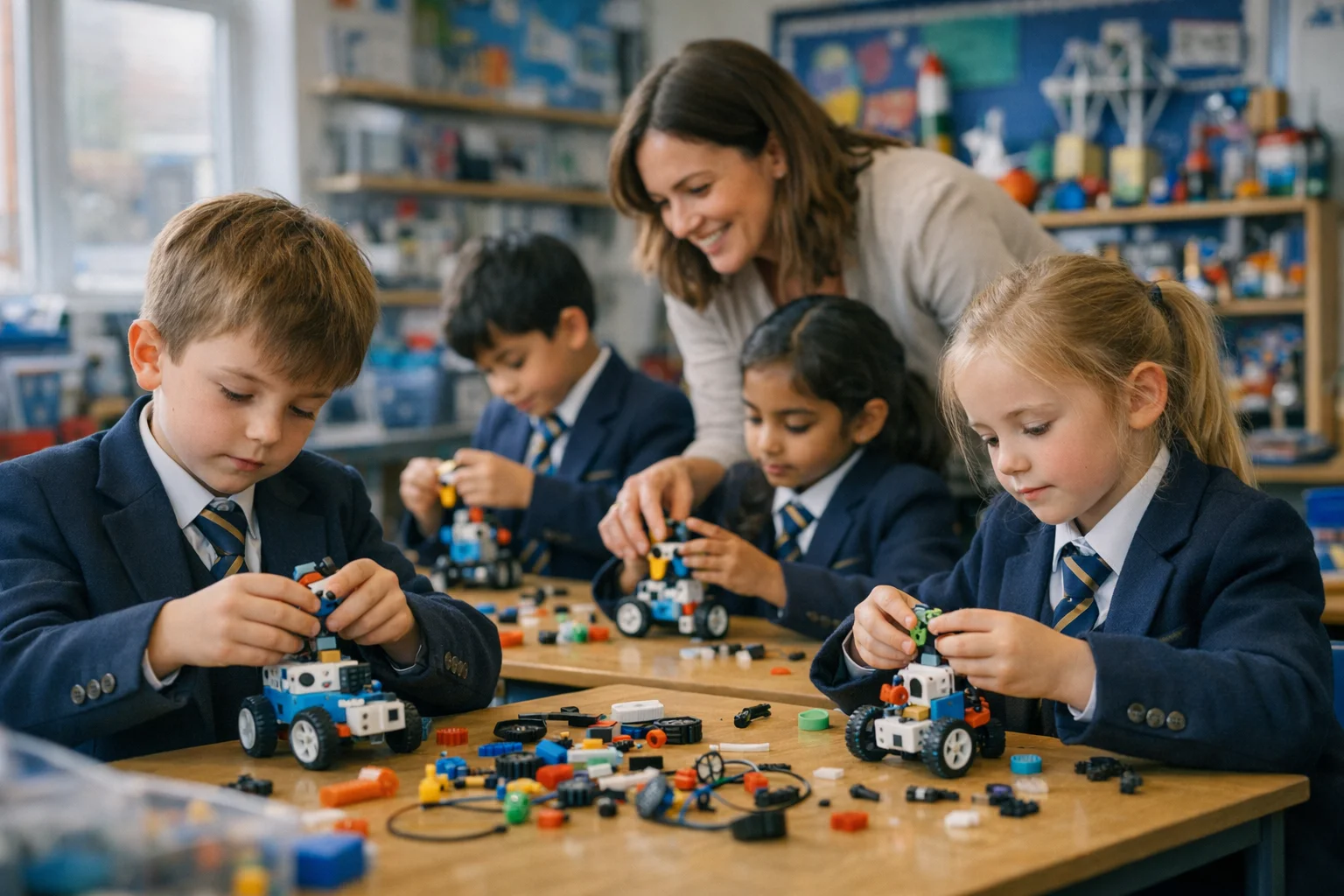
Multisensory learning in the classroom: A teacher's guide
Discover practical multisensory teaching strategies that boost engagement and help all pupils learn effectively, especially those with ADHD or dyslexia.


Discover practical multisensory teaching strategies that boost engagement and help all pupils learn effectively, especially those with ADHD or dyslexia.
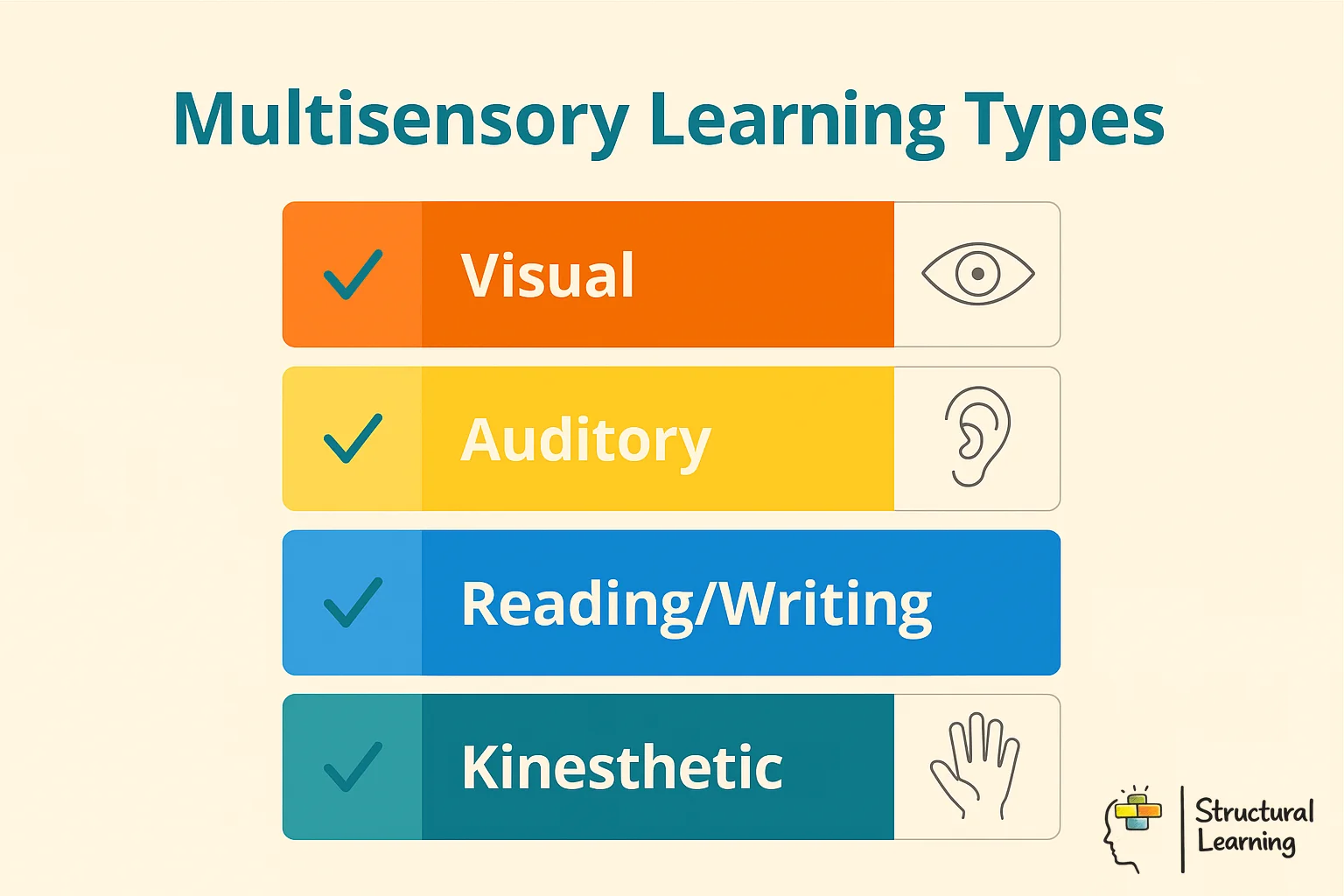
Multisensory learning is a popular approach to teaching for those with learning differencessuch as ADHD, Dyslexic individuals, or children with a learning disability. Multisensory learning is also an effective way to make teaching inclusive, as it offers a wide range of strategies for children to learn, and does not depend upon just listening, writing and reading alone. The following are different kinds of sensory learning that can be incorporated into teaching (*this is not an article about learning styles!*):
The multisensory teaching method involves at least two or more of these different sensory learning styles. In recent years, the learning styles idea has been shown to be problematic as many classrooms took this out of context and started labelling children with their 'preferred learning style.' The recent research by authors such as Barbara Tversky has shed new light on using objects to think with (this is not the same as learning styles!). In this article, we will explore classroom applications of this theory in relation to developing comprehension skills and wider literacy skills of pupils.
Research indicates that a multi-sensory approach engages more of the brain, resulting in superior learning outcomes. Students can learn by hearing, seeing, touching and doing activities which use their hands and bodies. With this approach, students are better able to interpret, comprehend and synthesize information better as they can use more than one sensory input to make connections between facts or understanding. This improves comprehension skills significantly as well as having other lasting benefits such as increased motivation.
Creating a learning environment that utilises multi-sensory techniques is beneficial for students. The classroom should include visuals such as photos, diagrams and maps and audio resources like music or recordings of speeches or songs. There should also be opportunities for exploration and hands-on activities to help students discover information on their own. Such activities allow students to read and to interact with what they learn in more meaningful ways.
Kinaesthetic activities such as dance, role play and art activities provide opportunities for students to use the tactile knowledge they have acquired through reading, listening and viewing. Such activities are valuable in multi-sensory learning because they allow students to gain a hands-on experience of what they have learned. This can help them move from understanding the concept to developing their own ideas about it.
The multi-sensory approach involves different parts of the human brain, which provides learners with more than a single way to make connections, understand more concepts and retain knowledge. For instance, in an activity that integrates auditory, tactile and visual stimuli, children will be able to build a relationship between the sound, feeling and appearance of that learning activity, which will enable learners to better remember the main information of that task.
In mainstream environments, teaching mostly comprises of activities where children are asked to learn by only listening and reading the information. It can make learning difficult and children, especially those with learning difficulties, are not able to sustain their attention on the tasks. Of course, it is not possible to integrate all of the senses into multisensory lessons. But, whenever integrated, a multisensory approach is sure to make teaching more inclusive and engaging.
Using speech alone can cause difficulties as the learner has to have basic language skillsto access the meaning. If a child is trying to understand curriculum content without a proficient level of academic skills, then they may struggle to extrapolate the meaning hidden behind the words. Using multisensory instruction techniques enables children to bypass some of the barriers that they might otherwise encounter.
Decoding large amounts of text is a basic language skill that we take for granted. Very quickly, our working memory can be overloaded with the complexities of a cognitive task like reading. Taking a multisensory speech processing approach using visuals and other cues enables the child to dedicate some of the processing to the content and meaning. Approaches such as dual coding use audiovisual speech integration to reduce the cognitive load.
Research has found that the multi-sensory approach creates more constructive brain responses than when just one sense is used. Multi-sensory techniques teach the brain to respond to a variety of inputs, which results in better overall learning. The use of multiple senses can also help reduce stress and makes it easier for learners to focus. Additionally, stimulating several senses at once can make learning more enjoyable and significantly improve recall and retention.
For those with learning difficulty, multi-sensory activities can be extremely helpful. By stimulating multiple senses at the same time, it helps to rewire connections in the brain, making it easier for learners to comprehend and store information. Moreover, when you're teaching a new concept to someone with dyslexia or ADHD, for example, breaking down an entire concept into a few manageable chunks is often more effective than relying on one sense alone.
Multi-sensory techniques can be used and adapted to support students learning in any topic area or subject. It is suitable for every student from the early years, to secondary and higher education. The traditional learning process of some subjects involves multisensory learning as a normal way to teach relevant subjects to the students.
For instance, Multi-sensory instruction is one of the most frequently used methods to teach alphabets to children in early education years. Combining kinaesthetic, auditory and visual teaching methods in multisensory language instruction is a frequently used tactic to first introduce children to magnetic letters and to develop phonemic awareness. Research shows that multisensory instruction helps young learners to develop connections between sounds, words and letters at a faster rate.
Also, in a science classroom students carry out practical experiments and note down the experiment results. It is an excellent example of a multisensory learning experience as students use a hands-on approach with equipment and then they use tactile learning and visual senses to see and note down the results of their experiment. Below is a brief description of some of the different kinds of multi-sensory learning techniques.
Visual techniques may also help support dyslexic readers and auditory and tactile learners. For example, using pictures to show how to knit or sew, or writing musical notes on paper.
Some examples of auditory processing techniques include the use of songs, music, audio tones, rhymes, lyrics, dialogue, and clapping anything that involves the ear.
Specific auditory techniques may involve the use of finger paints, coins, letter tiles, dominoes, sand, poker chips, textures and raised line paper. Also, modelling materials such as plastic one or clay create good tactile learning media.
The kinaesthetic technique is a way to effective instruction that occurs when learners engage in hands-on experience. An example is when a child learns to ride a bike or use a swing. From clapping in rhythm to jumping rope, anything that connects learning to body movement is Kinaesthetic activity.
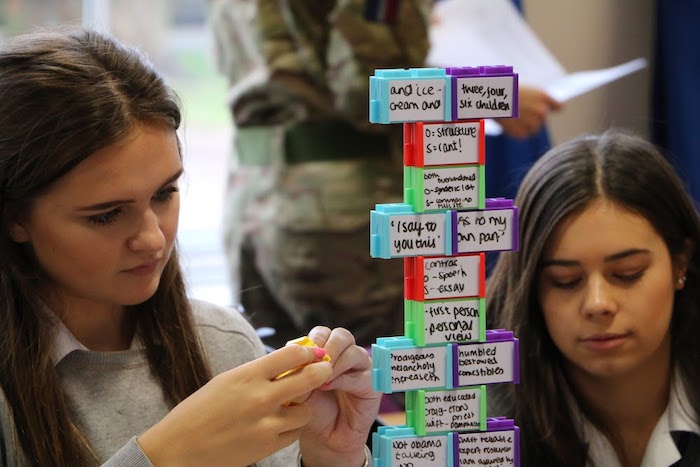
The major benefit of using the multisensory method of teaching is that it helps learners to retain more knowledge. The best way to apply multisensory instruction for students is integrating a variety of sensory experiences in a fun activity to ensure that all of the learners can access and engage in the learning.
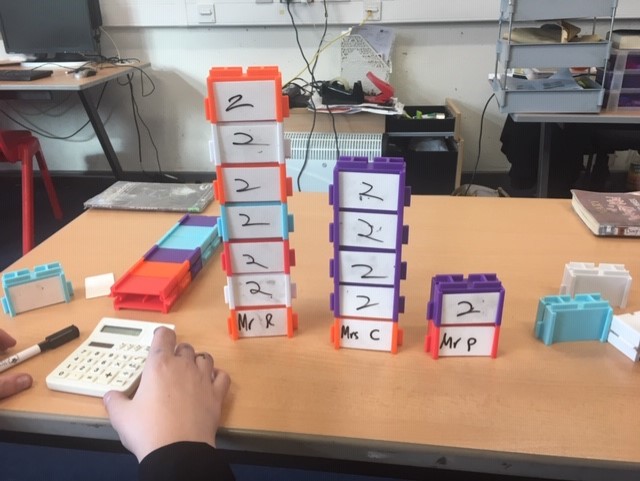
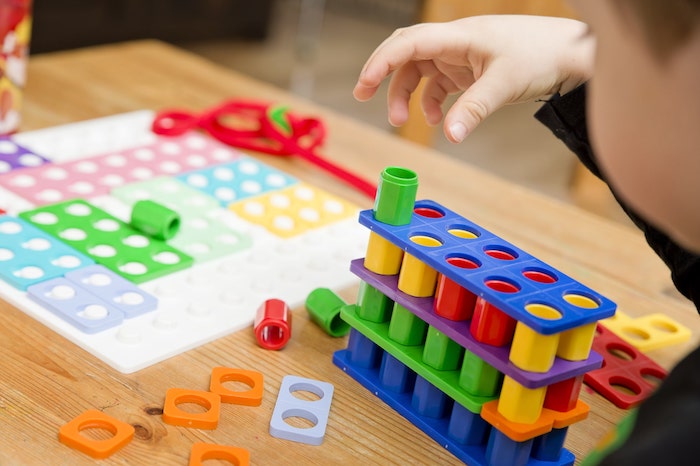
Why not try out activities that get students 'thinking with their hands'. These sorts of activities involve pupils manipulating objects and may involve other sensory elements and multisensory activities.
Adding a variety of senses in learning activities does not only make learning more pleasing and engaging, but it also adds to its effectiveness. Sensory stimulation is associated with improved memory retention and mental cognition.
note that learning differences and learning difficulties such as dyslexic students or students with ADHD and Autism can often remain undetected until adulthood. Integrating multisensory techniques into the teaching ensures that any person with undiagnosed special educational needs will still find multi-sensory instruction engaging, helpful and fun way of teaching.
For instance, if a student struggles with retaining information with kinesthetic processing, simply performing in the class activities will not be enough to help him retain knowledge. Adding other senses like listening and sight will be needed for supporting his particular needs.
When kids use multiple senses to perform multi-sensory activities, it gives them more ways to connect with their learning. This kind of multisensory instruction techniques involving hands-on learning enables learners to:
Multisensory learning techniques are designed while considering that every child is different and using the same teaching strategy is not going to help every individual student.
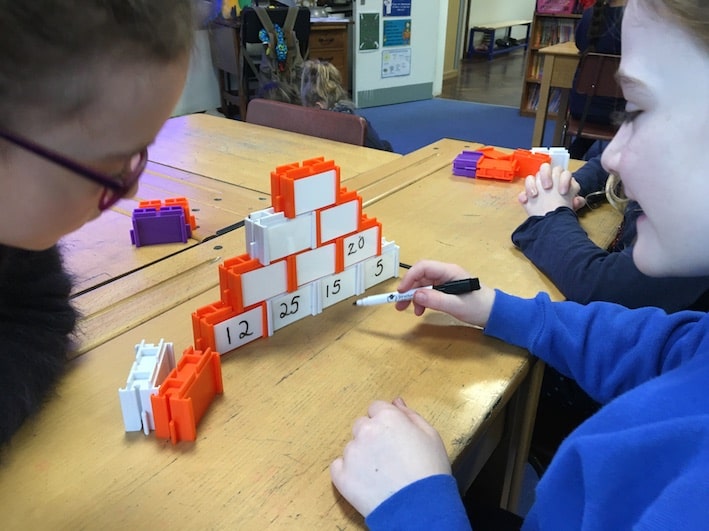
Using a multi-sensory instruction approach and activities is a simple remedy that can provide different teaching strategies to teach the majority of subjects to every student with multiple ways to learn. Multisensory teaching techniques are essential for providing equal opportunities to every child so that they can meet and exceed expectations.
One word of caution, as we mentioned, the learning styles myth has come into a lot of controversy in recent years. This is largely due to the approach being taken out of context. We have seen some schools play stickers on children physically labelling them with a 'preferred learning style'.
This can be damaging and counter-productive as we all use our different senses to make sense of the world around us. Embodied cognitionis a growing field of research that we can all learn from. Simply put, learning doesn't just happen all alone in our heads. This reductionist approach only adds to the barriers that our pupils encounter on a daily basis. In closing, provide more opportunities for your students to use their hands, voices and minds. Getting those thoughts out of their heads might be the perfect step towards creating an environment where everyone has better access to the curriculum.
Here are ten expert opinions on multisensory learning:
Multisensory learning is a teaching approach that engages at least two or more senses (visual, auditory, kinaesthetic, tactile, olfactory, and gustatory) to help students make stronger brain connections and retain information better. Unlike the debunked learning styles theory that labels children with preferred styles, multisensory learning focuses on creating multiple pathways for all students to access and understand content, making it particularly effective for learners with ADHD, dyslexia, or other learning differences.
Multisensory approaches help students with ADHD and dyslexia by rewiring brain connections and reducing cognitive overload. When children struggle with decoding text or processing speech alone, combining visual cues with auditory input allows them to bypass language barriers and dedicate more mental resources to understanding content meaning rather than just decoding words.
Teachers can easily incorporate magnetic letters for phonics instruction, add visual aids like diagrams and photos to lessons, and include hands-on science experiments that combine tactile and visual learning. Simple additions like using music or recorded speeches for auditory input, paired with movement activities like role play or dance, can transform any subject into a multisensory experience.
Multisensory techniques can be adapted for any subject from early years through higher education. Traditional examples include using magnetic letters combined with sounds and movement for literacy development, and science experiments that engage hands-on tactile learning with visual observation and recording of results.
Multisensory instruction uses dual coding and audiovisual speech integration to distribute cognitive processing across multiple brain pathways rather than overloading a single channel. This approach allows students to dedicate more mental capacity to understanding content and meaning instead of struggling with basic decoding tasks, particularly benefiting those with learning difficulties.
Classrooms should incorporate visual resources like photos, diagrams, and maps alongside audio materials such as music and recorded speeches. Teachers should also provide opportunities for hands-on exploration and kinaesthetic activities like art, dance, and role play that allow students to interact meaningfully with what they learn rather than just reading or listening passively.
Multisensory teaching offers multiple pathways for students to access information rather than relying solely on listening, writing, and reading skills that some learners may struggle with. This approach helps level the playing field by allowing students with different learning needs and abilities to engage with curriculum content through their strongest sensory channels while building connections across multiple brain areas.
These peer-reviewed studies provide deeper insights into multisensory learning in the classroom: a teacher's guide and its application in educational settings.
Inattentive Behavior in Boys with ADHD during Classroom Instruction: the Mediating Role of Working Memory Processes 25 citations
Orban et al. (2017)
This study examines how working memory processes affect attention and behaviour in boys with ADHD during regular classroom instruction. The research helps teachers understand the cognitive mechanisms behind inattentive behaviours and provides insights into how multisensory teaching approaches might better support students with ADHD by reducing working memory demands.
This comprehensive review of inclusive education through technology 64 citations (Author, Year) examines the systematic implementation of digital tools and their characteristics in creating accessible learning environments for all students, identifying key technological approaches that support diverse learning needs and promote educational equity.
Navas-Bonilla et al. (2025)
This systematic review examines digital tools and specialised devices that support inclusive education for students with diverse learning abilities. The paper is valuable for teachers implementing multisensory learning approaches as it provides evidence-based guidance on selecting and using technologies that can accommodate different sensory preferences and learning needs in the classroom.
Following instructions in a virtual school: Does working memory play a role? 87 citations
Jaroslawska et al. (2015)
This research investigates how working memory affects students' ability to follow complex instructions in realistic virtual school environments. The findings are relevant to teachers using multisensory instruction because they demonstrate how cognitive load impacts instruction-following, helping educators design multisensory lessons that support rather than overwhelm students' working memory capacity.
Research on 3D virtual laboratory environments for learning disabilities 28 citations (Author, Year) demonstrates how experimental laboratory systems in virtual environments can provide effective, accessible learning experiences tailored to students with special educational needs, offering controlled environments where learners can explore scientific concepts at their own pace.
Elfakki et al. (2023)
This study presents a 3D virtual reality system designed specifically to support students with learning disabilities through interactive laboratory experiences. The research is valuable for teachers interested in multisensory learning as it demonstrates how immersive virtual environments can engage multiple senses simultaneously to create more accessible and effective learning experiences for students with diverse needs.
Research on sensory integration improving academic scores 132 citations (Author, Year) demonstrates how targeted interventions addressing sensory processing challenges can lead to measurable improvements in student performance across various academic domains.
Ayres et al. (1972)
This foundational research by occupational therapist Jean Ayres demonstrates how sensory integration techniques can improve academic performance in students. The study is essential reading for teachers implementing multisensory approaches as it provides early evidence for the connection between sensory processing and learning outcomes, forming the theoretical basis for many modern multisensory teaching strategies.
Multisensory learning is a popular approach to teaching for those with learning differencessuch as ADHD, Dyslexic individuals, or children with a learning disability. Multisensory learning is also an effective way to make teaching inclusive, as it offers a wide range of strategies for children to learn, and does not depend upon just listening, writing and reading alone. The following are different kinds of sensory learning that can be incorporated into teaching (*this is not an article about learning styles!*):
The multisensory teaching method involves at least two or more of these different sensory learning styles. In recent years, the learning styles idea has been shown to be problematic as many classrooms took this out of context and started labelling children with their 'preferred learning style.' The recent research by authors such as Barbara Tversky has shed new light on using objects to think with (this is not the same as learning styles!). In this article, we will explore classroom applications of this theory in relation to developing comprehension skills and wider literacy skills of pupils.
Research indicates that a multi-sensory approach engages more of the brain, resulting in superior learning outcomes. Students can learn by hearing, seeing, touching and doing activities which use their hands and bodies. With this approach, students are better able to interpret, comprehend and synthesize information better as they can use more than one sensory input to make connections between facts or understanding. This improves comprehension skills significantly as well as having other lasting benefits such as increased motivation.
Creating a learning environment that utilises multi-sensory techniques is beneficial for students. The classroom should include visuals such as photos, diagrams and maps and audio resources like music or recordings of speeches or songs. There should also be opportunities for exploration and hands-on activities to help students discover information on their own. Such activities allow students to read and to interact with what they learn in more meaningful ways.
Kinaesthetic activities such as dance, role play and art activities provide opportunities for students to use the tactile knowledge they have acquired through reading, listening and viewing. Such activities are valuable in multi-sensory learning because they allow students to gain a hands-on experience of what they have learned. This can help them move from understanding the concept to developing their own ideas about it.
The multi-sensory approach involves different parts of the human brain, which provides learners with more than a single way to make connections, understand more concepts and retain knowledge. For instance, in an activity that integrates auditory, tactile and visual stimuli, children will be able to build a relationship between the sound, feeling and appearance of that learning activity, which will enable learners to better remember the main information of that task.
In mainstream environments, teaching mostly comprises of activities where children are asked to learn by only listening and reading the information. It can make learning difficult and children, especially those with learning difficulties, are not able to sustain their attention on the tasks. Of course, it is not possible to integrate all of the senses into multisensory lessons. But, whenever integrated, a multisensory approach is sure to make teaching more inclusive and engaging.
Using speech alone can cause difficulties as the learner has to have basic language skillsto access the meaning. If a child is trying to understand curriculum content without a proficient level of academic skills, then they may struggle to extrapolate the meaning hidden behind the words. Using multisensory instruction techniques enables children to bypass some of the barriers that they might otherwise encounter.
Decoding large amounts of text is a basic language skill that we take for granted. Very quickly, our working memory can be overloaded with the complexities of a cognitive task like reading. Taking a multisensory speech processing approach using visuals and other cues enables the child to dedicate some of the processing to the content and meaning. Approaches such as dual coding use audiovisual speech integration to reduce the cognitive load.
Research has found that the multi-sensory approach creates more constructive brain responses than when just one sense is used. Multi-sensory techniques teach the brain to respond to a variety of inputs, which results in better overall learning. The use of multiple senses can also help reduce stress and makes it easier for learners to focus. Additionally, stimulating several senses at once can make learning more enjoyable and significantly improve recall and retention.
For those with learning difficulty, multi-sensory activities can be extremely helpful. By stimulating multiple senses at the same time, it helps to rewire connections in the brain, making it easier for learners to comprehend and store information. Moreover, when you're teaching a new concept to someone with dyslexia or ADHD, for example, breaking down an entire concept into a few manageable chunks is often more effective than relying on one sense alone.
Multi-sensory techniques can be used and adapted to support students learning in any topic area or subject. It is suitable for every student from the early years, to secondary and higher education. The traditional learning process of some subjects involves multisensory learning as a normal way to teach relevant subjects to the students.
For instance, Multi-sensory instruction is one of the most frequently used methods to teach alphabets to children in early education years. Combining kinaesthetic, auditory and visual teaching methods in multisensory language instruction is a frequently used tactic to first introduce children to magnetic letters and to develop phonemic awareness. Research shows that multisensory instruction helps young learners to develop connections between sounds, words and letters at a faster rate.
Also, in a science classroom students carry out practical experiments and note down the experiment results. It is an excellent example of a multisensory learning experience as students use a hands-on approach with equipment and then they use tactile learning and visual senses to see and note down the results of their experiment. Below is a brief description of some of the different kinds of multi-sensory learning techniques.
Visual techniques may also help support dyslexic readers and auditory and tactile learners. For example, using pictures to show how to knit or sew, or writing musical notes on paper.
Some examples of auditory processing techniques include the use of songs, music, audio tones, rhymes, lyrics, dialogue, and clapping anything that involves the ear.
Specific auditory techniques may involve the use of finger paints, coins, letter tiles, dominoes, sand, poker chips, textures and raised line paper. Also, modelling materials such as plastic one or clay create good tactile learning media.
The kinaesthetic technique is a way to effective instruction that occurs when learners engage in hands-on experience. An example is when a child learns to ride a bike or use a swing. From clapping in rhythm to jumping rope, anything that connects learning to body movement is Kinaesthetic activity.
The major benefit of using the multisensory method of teaching is that it helps learners to retain more knowledge. The best way to apply multisensory instruction for students is integrating a variety of sensory experiences in a fun activity to ensure that all of the learners can access and engage in the learning.
Why not try out activities that get students 'thinking with their hands'. These sorts of activities involve pupils manipulating objects and may involve other sensory elements and multisensory activities.
Adding a variety of senses in learning activities does not only make learning more pleasing and engaging, but it also adds to its effectiveness. Sensory stimulation is associated with improved memory retention and mental cognition.
note that learning differences and learning difficulties such as dyslexic students or students with ADHD and Autism can often remain undetected until adulthood. Integrating multisensory techniques into the teaching ensures that any person with undiagnosed special educational needs will still find multi-sensory instruction engaging, helpful and fun way of teaching.
For instance, if a student struggles with retaining information with kinesthetic processing, simply performing in the class activities will not be enough to help him retain knowledge. Adding other senses like listening and sight will be needed for supporting his particular needs.
When kids use multiple senses to perform multi-sensory activities, it gives them more ways to connect with their learning. This kind of multisensory instruction techniques involving hands-on learning enables learners to:
Multisensory learning techniques are designed while considering that every child is different and using the same teaching strategy is not going to help every individual student.
Using a multi-sensory instruction approach and activities is a simple remedy that can provide different teaching strategies to teach the majority of subjects to every student with multiple ways to learn. Multisensory teaching techniques are essential for providing equal opportunities to every child so that they can meet and exceed expectations.
One word of caution, as we mentioned, the learning styles myth has come into a lot of controversy in recent years. This is largely due to the approach being taken out of context. We have seen some schools play stickers on children physically labelling them with a 'preferred learning style'.
This can be damaging and counter-productive as we all use our different senses to make sense of the world around us. Embodied cognitionis a growing field of research that we can all learn from. Simply put, learning doesn't just happen all alone in our heads. This reductionist approach only adds to the barriers that our pupils encounter on a daily basis. In closing, provide more opportunities for your students to use their hands, voices and minds. Getting those thoughts out of their heads might be the perfect step towards creating an environment where everyone has better access to the curriculum.
Here are ten expert opinions on multisensory learning:
Multisensory learning is a teaching approach that engages at least two or more senses (visual, auditory, kinaesthetic, tactile, olfactory, and gustatory) to help students make stronger brain connections and retain information better. Unlike the debunked learning styles theory that labels children with preferred styles, multisensory learning focuses on creating multiple pathways for all students to access and understand content, making it particularly effective for learners with ADHD, dyslexia, or other learning differences.
Multisensory approaches help students with ADHD and dyslexia by rewiring brain connections and reducing cognitive overload. When children struggle with decoding text or processing speech alone, combining visual cues with auditory input allows them to bypass language barriers and dedicate more mental resources to understanding content meaning rather than just decoding words.
Teachers can easily incorporate magnetic letters for phonics instruction, add visual aids like diagrams and photos to lessons, and include hands-on science experiments that combine tactile and visual learning. Simple additions like using music or recorded speeches for auditory input, paired with movement activities like role play or dance, can transform any subject into a multisensory experience.
Multisensory techniques can be adapted for any subject from early years through higher education. Traditional examples include using magnetic letters combined with sounds and movement for literacy development, and science experiments that engage hands-on tactile learning with visual observation and recording of results.
Multisensory instruction uses dual coding and audiovisual speech integration to distribute cognitive processing across multiple brain pathways rather than overloading a single channel. This approach allows students to dedicate more mental capacity to understanding content and meaning instead of struggling with basic decoding tasks, particularly benefiting those with learning difficulties.
Classrooms should incorporate visual resources like photos, diagrams, and maps alongside audio materials such as music and recorded speeches. Teachers should also provide opportunities for hands-on exploration and kinaesthetic activities like art, dance, and role play that allow students to interact meaningfully with what they learn rather than just reading or listening passively.
Multisensory teaching offers multiple pathways for students to access information rather than relying solely on listening, writing, and reading skills that some learners may struggle with. This approach helps level the playing field by allowing students with different learning needs and abilities to engage with curriculum content through their strongest sensory channels while building connections across multiple brain areas.
These peer-reviewed studies provide deeper insights into multisensory learning in the classroom: a teacher's guide and its application in educational settings.
Inattentive Behavior in Boys with ADHD during Classroom Instruction: the Mediating Role of Working Memory Processes 25 citations
Orban et al. (2017)
This study examines how working memory processes affect attention and behaviour in boys with ADHD during regular classroom instruction. The research helps teachers understand the cognitive mechanisms behind inattentive behaviours and provides insights into how multisensory teaching approaches might better support students with ADHD by reducing working memory demands.
This comprehensive review of inclusive education through technology 64 citations (Author, Year) examines the systematic implementation of digital tools and their characteristics in creating accessible learning environments for all students, identifying key technological approaches that support diverse learning needs and promote educational equity.
Navas-Bonilla et al. (2025)
This systematic review examines digital tools and specialised devices that support inclusive education for students with diverse learning abilities. The paper is valuable for teachers implementing multisensory learning approaches as it provides evidence-based guidance on selecting and using technologies that can accommodate different sensory preferences and learning needs in the classroom.
Following instructions in a virtual school: Does working memory play a role? 87 citations
Jaroslawska et al. (2015)
This research investigates how working memory affects students' ability to follow complex instructions in realistic virtual school environments. The findings are relevant to teachers using multisensory instruction because they demonstrate how cognitive load impacts instruction-following, helping educators design multisensory lessons that support rather than overwhelm students' working memory capacity.
Research on 3D virtual laboratory environments for learning disabilities 28 citations (Author, Year) demonstrates how experimental laboratory systems in virtual environments can provide effective, accessible learning experiences tailored to students with special educational needs, offering controlled environments where learners can explore scientific concepts at their own pace.
Elfakki et al. (2023)
This study presents a 3D virtual reality system designed specifically to support students with learning disabilities through interactive laboratory experiences. The research is valuable for teachers interested in multisensory learning as it demonstrates how immersive virtual environments can engage multiple senses simultaneously to create more accessible and effective learning experiences for students with diverse needs.
Research on sensory integration improving academic scores 132 citations (Author, Year) demonstrates how targeted interventions addressing sensory processing challenges can lead to measurable improvements in student performance across various academic domains.
Ayres et al. (1972)
This foundational research by occupational therapist Jean Ayres demonstrates how sensory integration techniques can improve academic performance in students. The study is essential reading for teachers implementing multisensory approaches as it provides early evidence for the connection between sensory processing and learning outcomes, forming the theoretical basis for many modern multisensory teaching strategies.
{"@context":"https://schema.org","@graph":[{"@type":"Article","@id":"https://www.structural-learning.com/post/multisensory-learning-in-the-classroom-a-teachers-guide#article","headline":"Multisensory learning in the classroom: A teacher's guide","description":"Multisensory learning in the classroom: A teacher's guide for making learning more accessible and meaningful.","datePublished":"2021-12-02T08:55:16.833Z","dateModified":"2026-01-26T10:09:32.212Z","author":{"@type":"Person","name":"Paul Main","url":"https://www.structural-learning.com/team/paulmain","jobTitle":"Founder & Educational Consultant"},"publisher":{"@type":"Organization","name":"Structural Learning","url":"https://www.structural-learning.com","logo":{"@type":"ImageObject","url":"https://cdn.prod.website-files.com/5b69a01ba2e409e5d5e055c6/6040bf0426cb415ba2fc7882_newlogoblue.svg"}},"mainEntityOfPage":{"@type":"WebPage","@id":"https://www.structural-learning.com/post/multisensory-learning-in-the-classroom-a-teachers-guide"},"image":"https://cdn.prod.website-files.com/5b69a01ba2e409501de055d1/696a6127481d807b520d7a23_696a61269002630b6079f77c_multisensory-learning-in-the-classroom-a-teachers-guide-infographic.webp","wordCount":2734},{"@type":"BreadcrumbList","@id":"https://www.structural-learning.com/post/multisensory-learning-in-the-classroom-a-teachers-guide#breadcrumb","itemListElement":[{"@type":"ListItem","position":1,"name":"Home","item":"https://www.structural-learning.com/"},{"@type":"ListItem","position":2,"name":"Blog","item":"https://www.structural-learning.com/blog"},{"@type":"ListItem","position":3,"name":"Multisensory learning in the classroom: A teacher's guide","item":"https://www.structural-learning.com/post/multisensory-learning-in-the-classroom-a-teachers-guide"}]},{"@type":"FAQPage","@id":"https://www.structural-learning.com/post/multisensory-learning-in-the-classroom-a-teachers-guide#faq","mainEntity":[{"@type":"Question","name":"What exactly is multisensory learning and how is it different from learning styles?","acceptedAnswer":{"@type":"Answer","text":"Multisensory learning is a teaching approach that engages at least two or more senses (visual, auditory, kinaesthetic, tactile, olfactory, and gustatory) to help students make stronger brain connections and retain information better. Unlike the debunked learning styles theory that labels children wi"}},{"@type":"Question","name":"How does multisensory learning specifically help students with ADHD and dyslexia?","acceptedAnswer":{"@type":"Answer","text":"Multisensory approaches help students with ADHD and dyslexia by rewiring brain connections and reducing cognitive overload. When children struggle with decoding text or processing speech alone, combining visual cues with auditory input allows them to bypass language barriers and dedicate more mental"}},{"@type":"Question","name":"What practical techniques can teachers implement immediately without completely changing their curriculum?","acceptedAnswer":{"@type":"Answer","text":"Teachers can easily incorporate magnetic letters for phonics instruction, add visual aids like diagrams and photos to lessons, and include hands-on science experiments that combine tactile and visual learning. Simple additions like using music or recorded speeches for auditory input, paired with mov"}},{"@type":"Question","name":"Which school subjects work best with multisensory teaching methods?","acceptedAnswer":{"@type":"Answer","text":"Multisensory techniques can be adapted for any subject from early years through higher education. Traditional examples include using magnetic letters combined with sounds and movement for literacy development, and science experiments that engage hands-on tactile learning with visual observation and "}},{"@type":"Question","name":"How does multisensory learning improve working memory and reduce cognitive load?","acceptedAnswer":{"@type":"Answer","text":"Multisensory instruction uses dual coding and audiovisual speech integration to distribute cognitive processing across multiple brain pathways rather than overloading a single channel. This approach allows students to dedicate more mental capacity to understanding content and meaning instead of stru"}}]}]}