
The learning design tool built on metacognition
Thinking is a set of skills with names, and they can be taught. Explore them through a free lesson planner, classroom tools and professional learning for your staff.
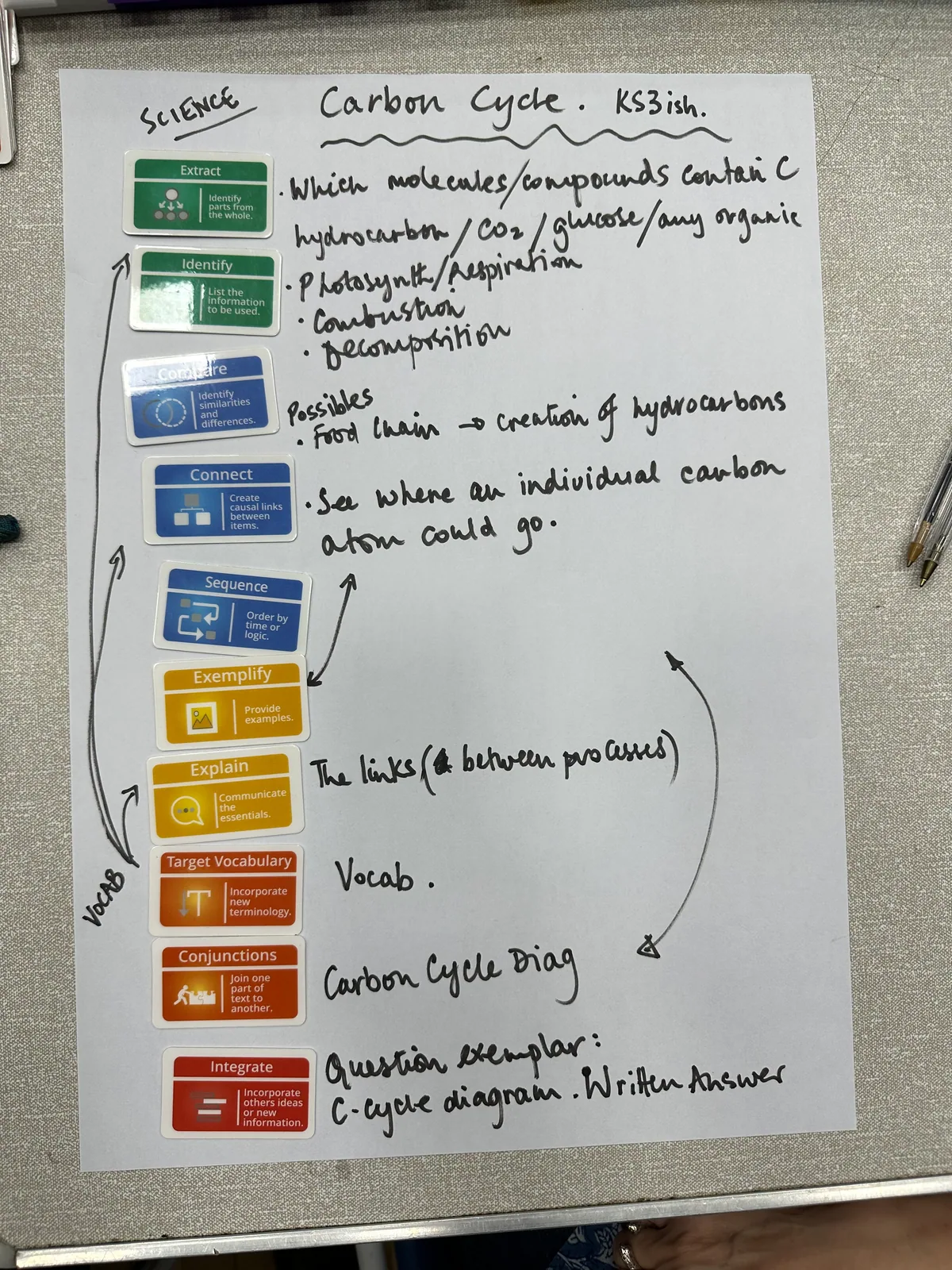
Thinking like a scientist · the skills it takes, in order
Plan it properly in the app, free →A rough plan from seven worked examples. The app plans any task with all 33 skills and your year group.
Professional learning
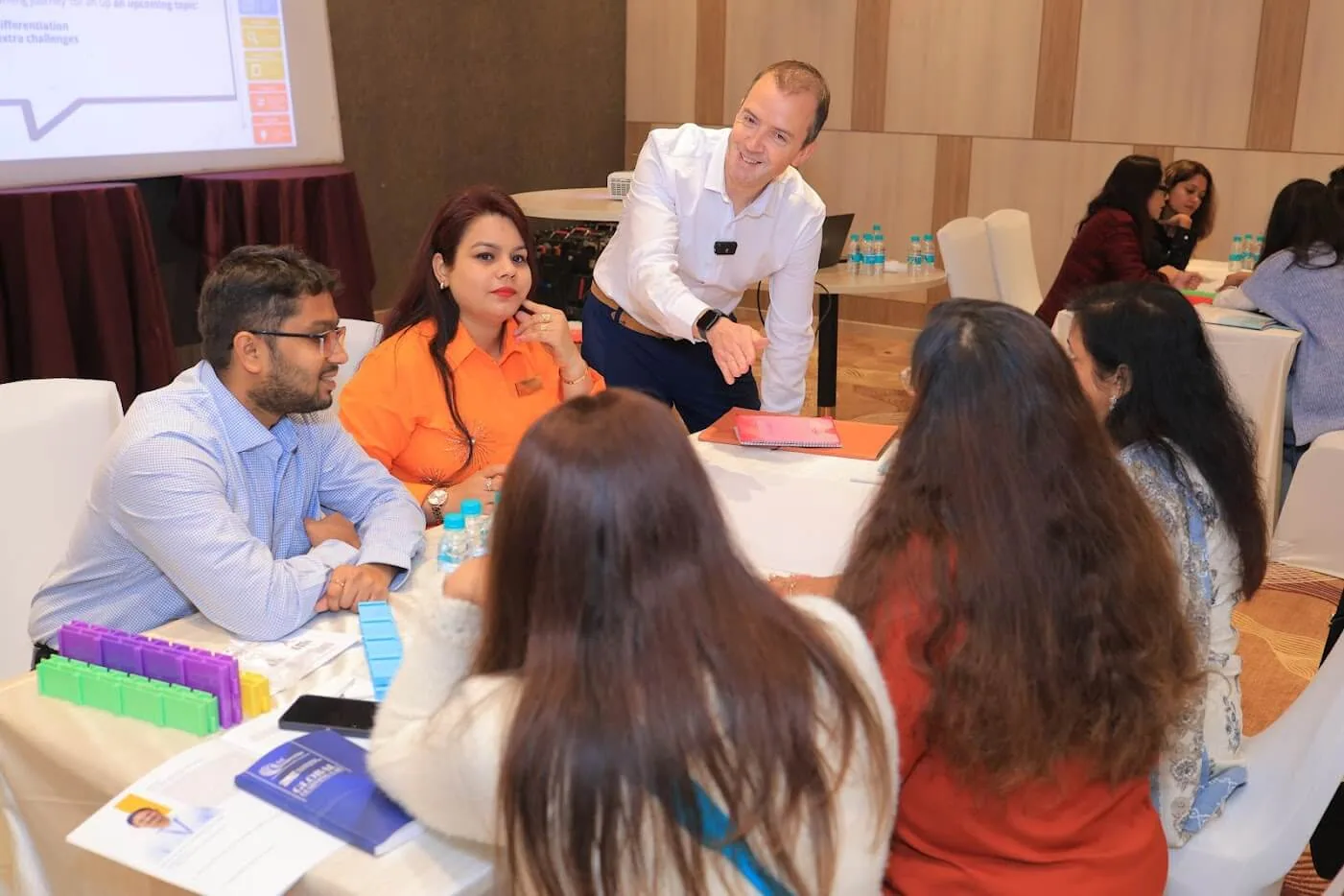
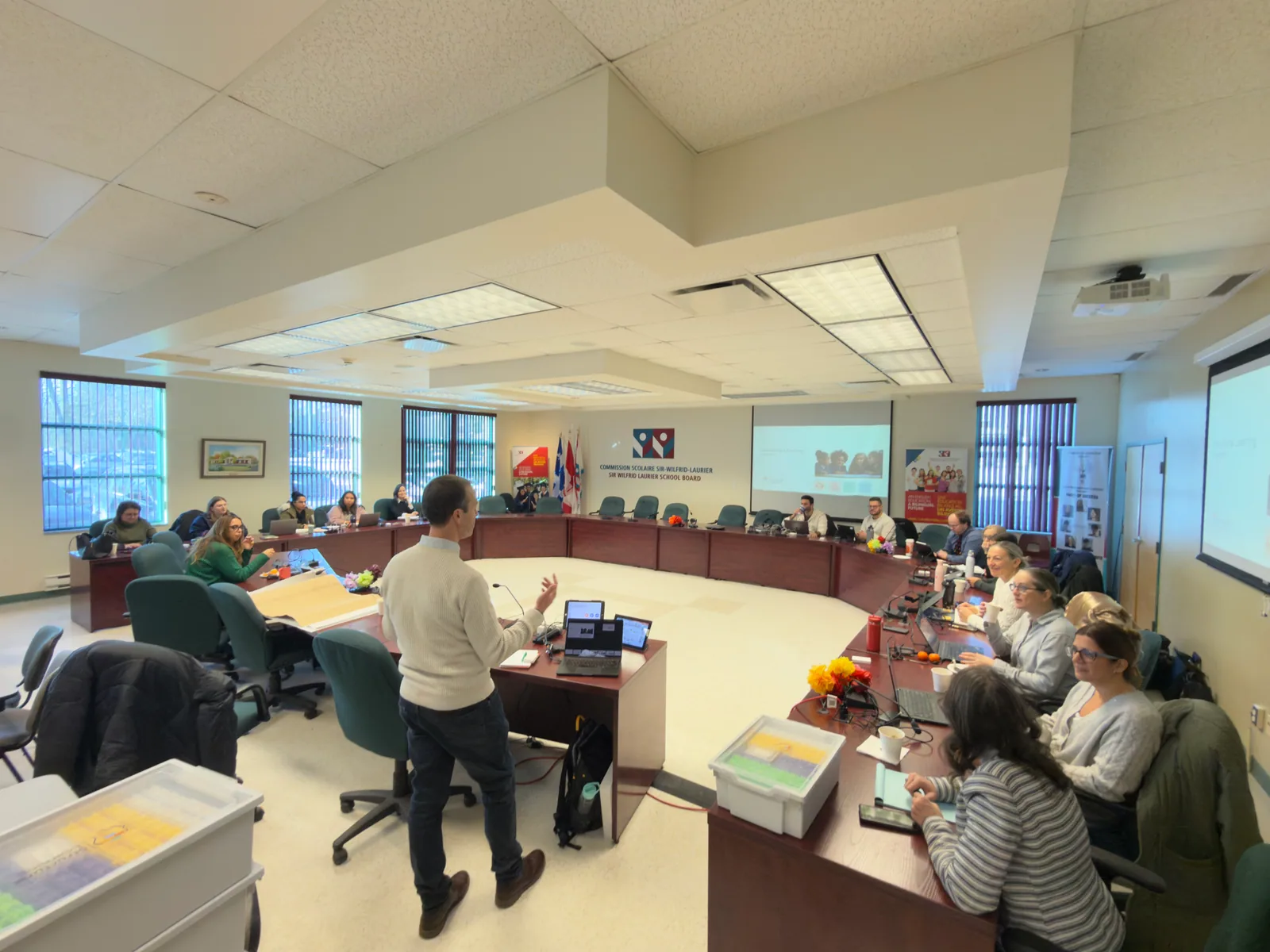
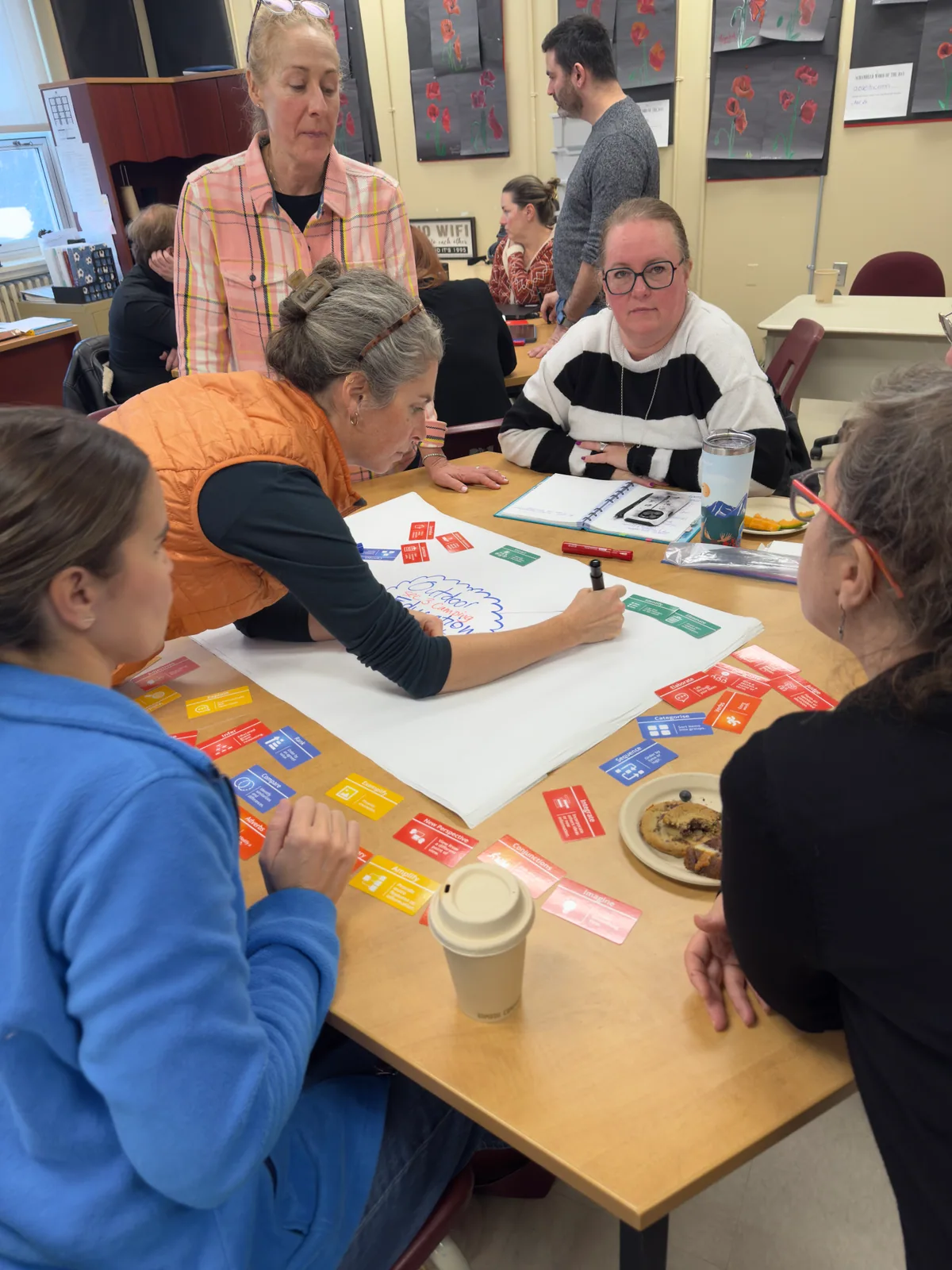
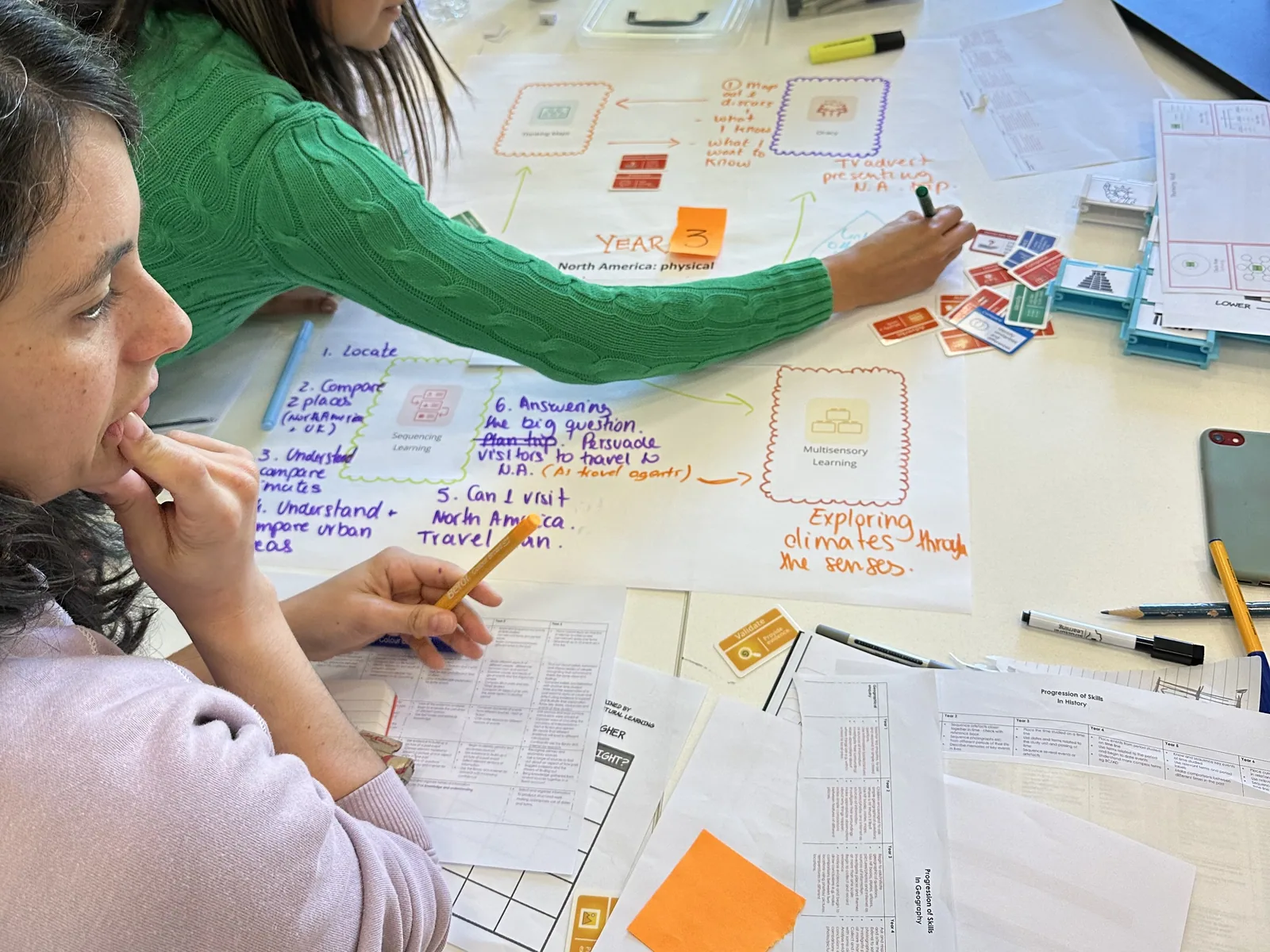
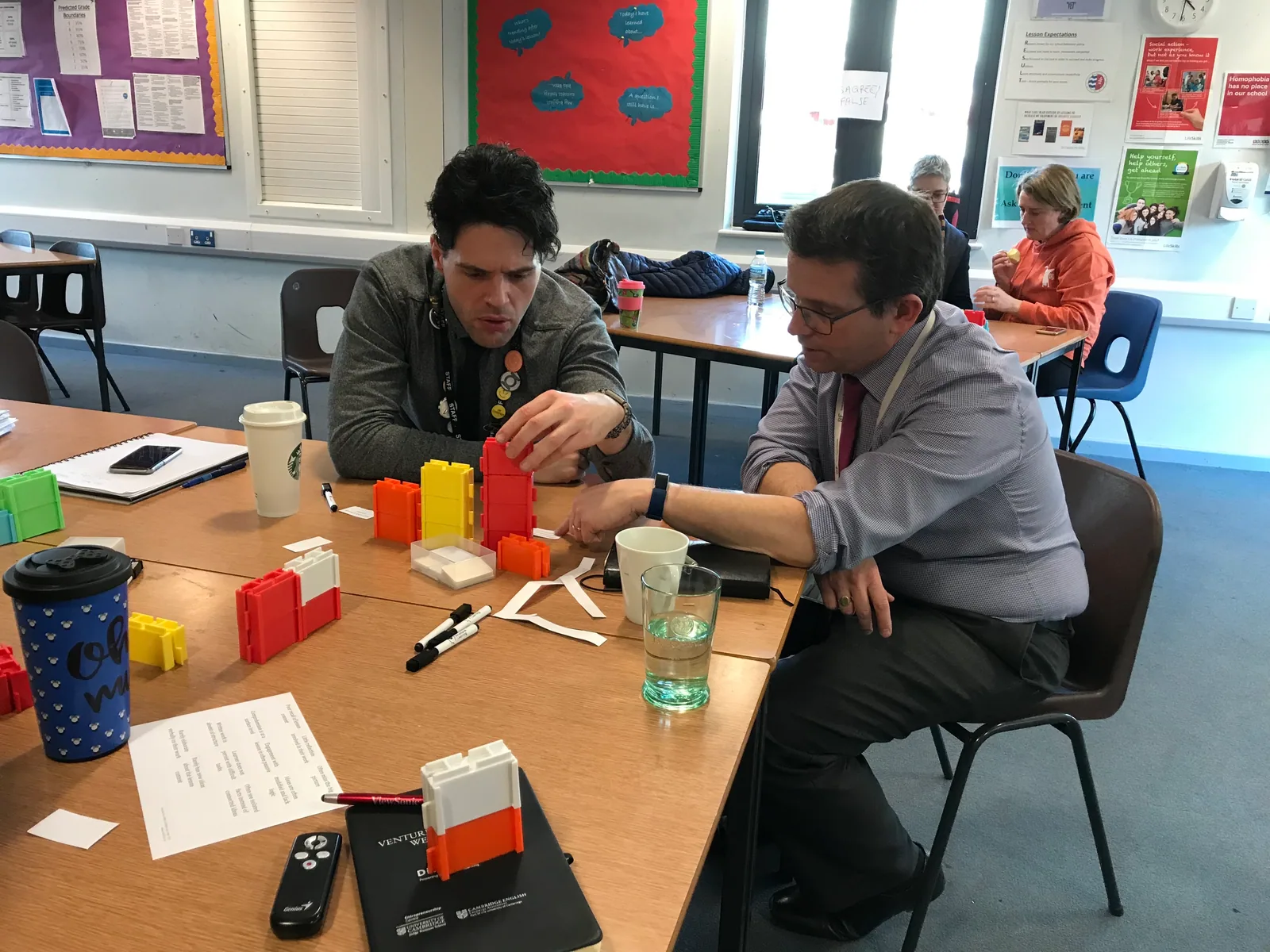
Not three hours of slides. Your staff play learning detective on a lesson they teach, then learning architect, rebuilding it with the framework, the organisers and the blocks in their hands. Every person leaves with a lesson they will teach next week.
Led by Paul Main, founder of Structural Learning. Based in Cambridge, working alongside schools in the UK and internationally. More about Paul.

One approach
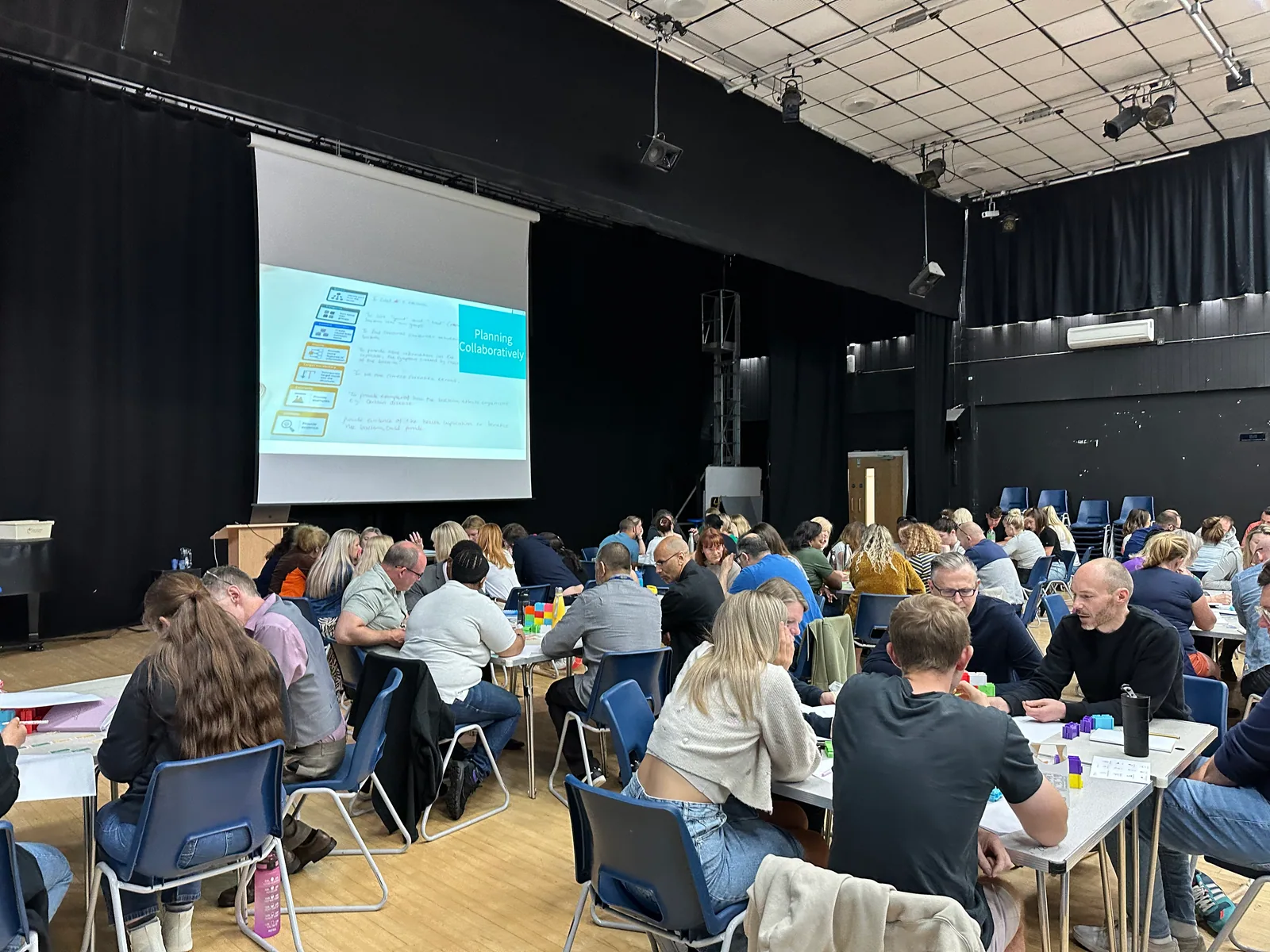
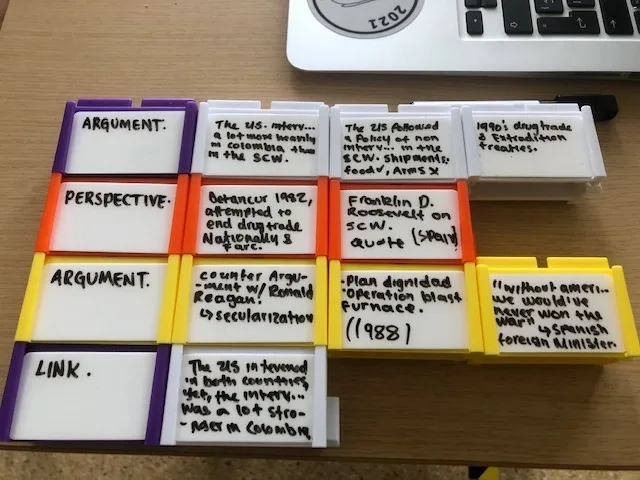
We learn in different ways, and we can show what we have learned in different ways. So the same thinking gets a verbal route, a visual route and a physical route. The Thinking Framework is the language; talk, the organisers and the blocks carry it.

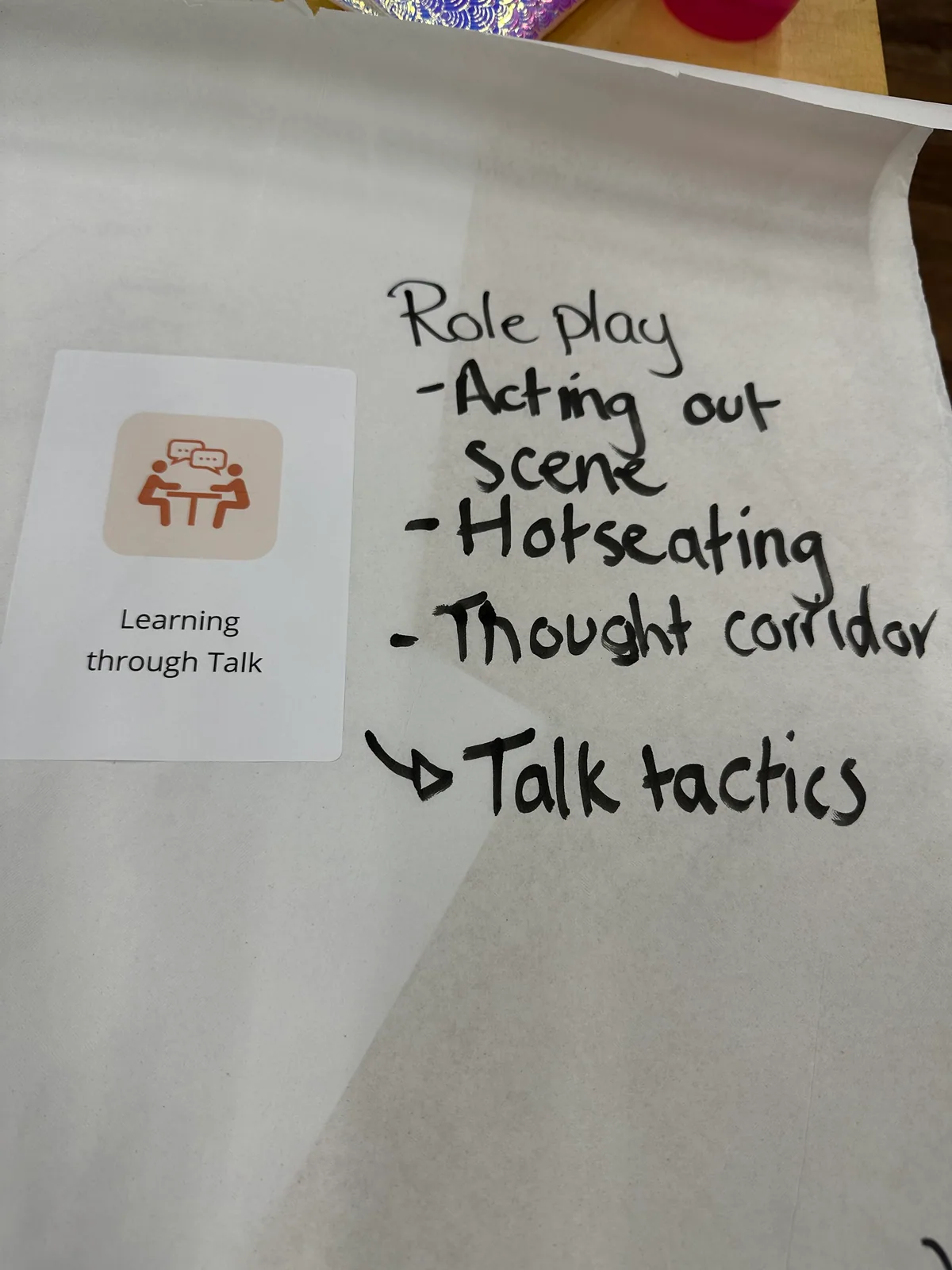
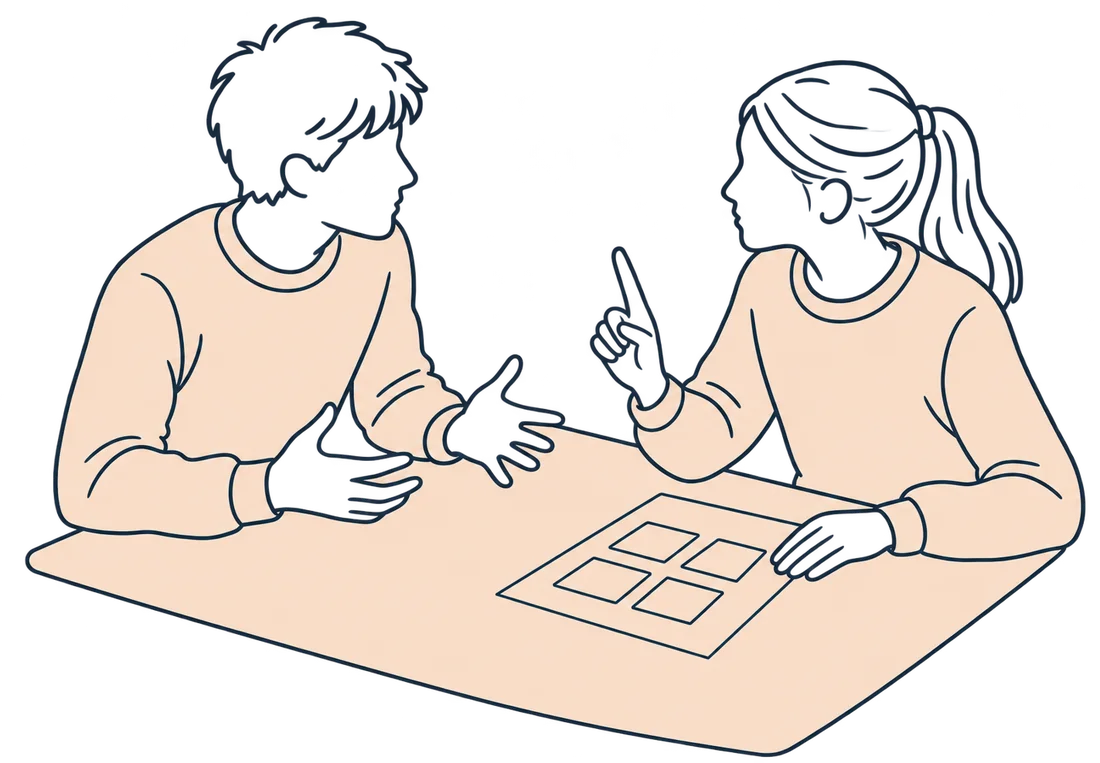
Say it. The verbal route: say the thinking to a partner before writing a word of it.

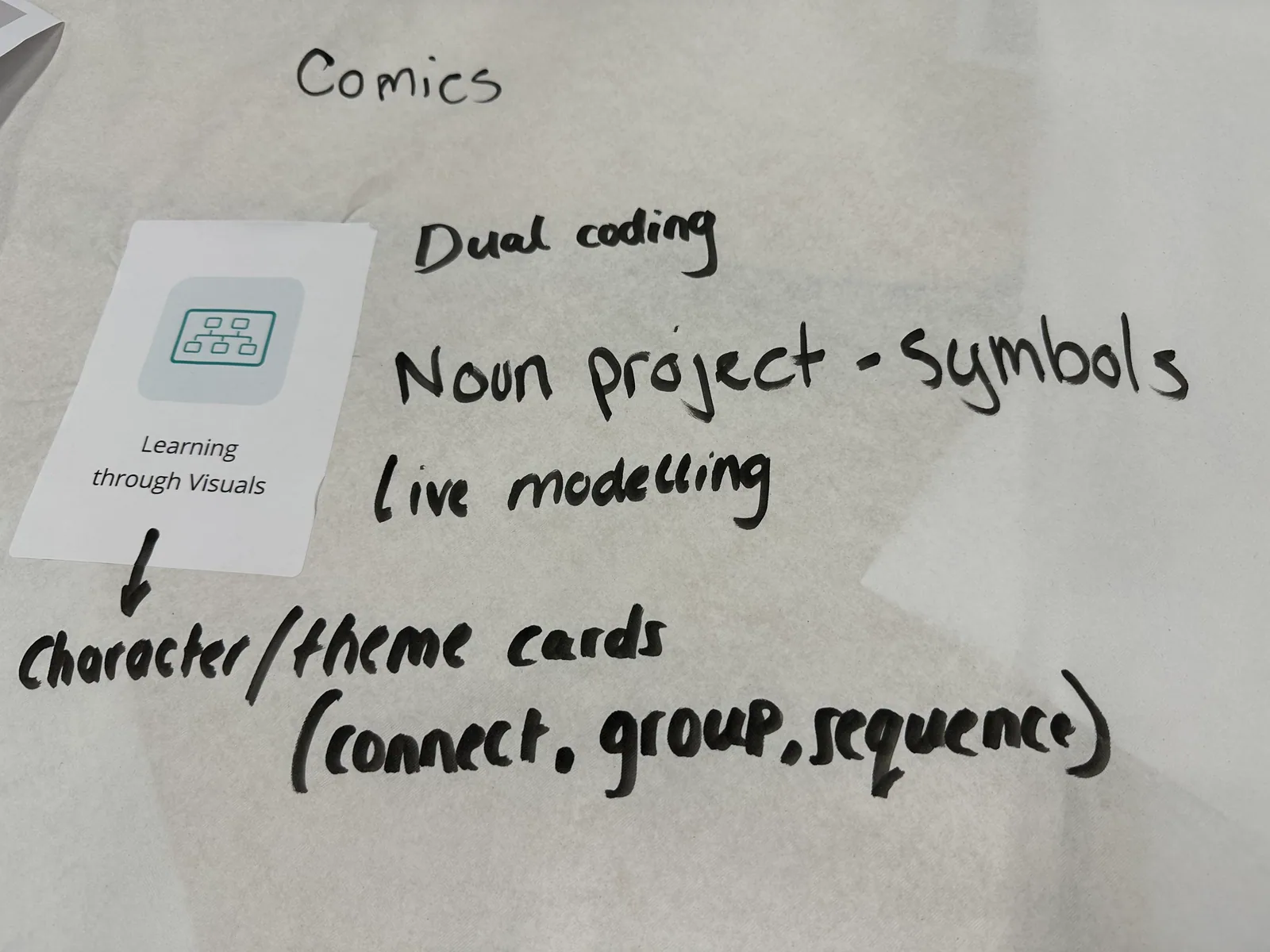
Map it. The visual route: draw the shape of the thinking, then fill it.
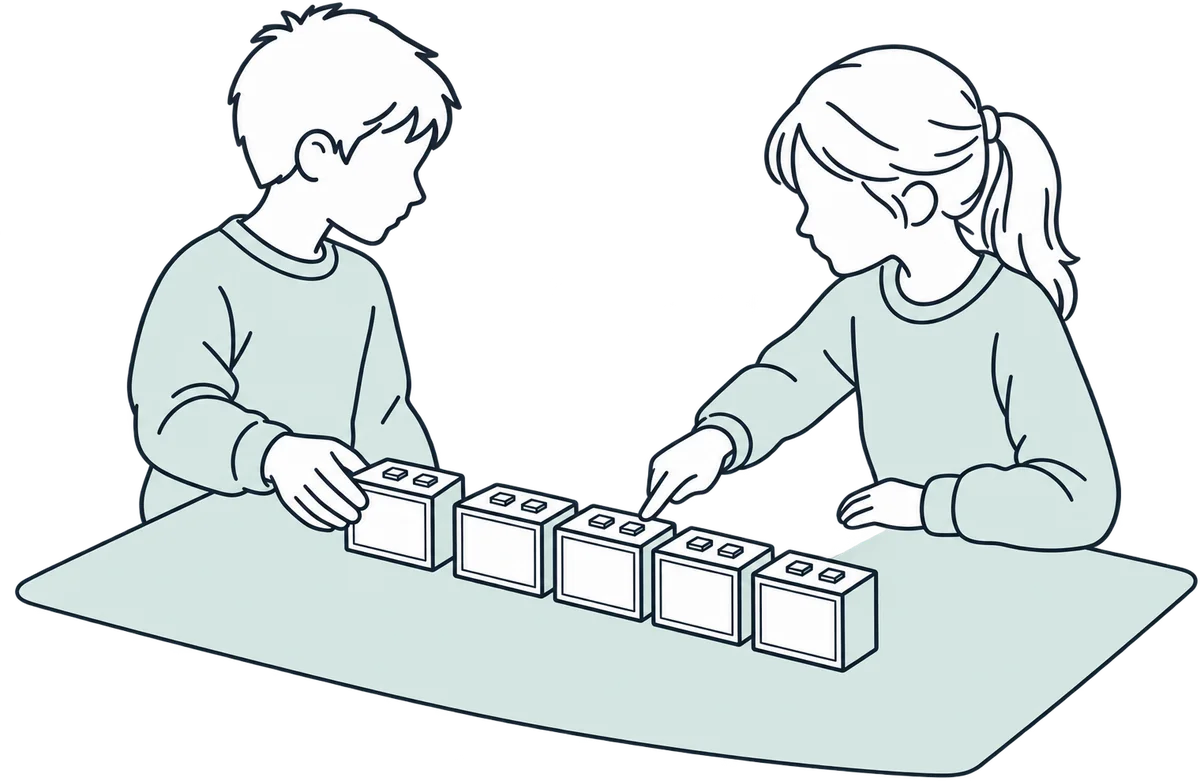
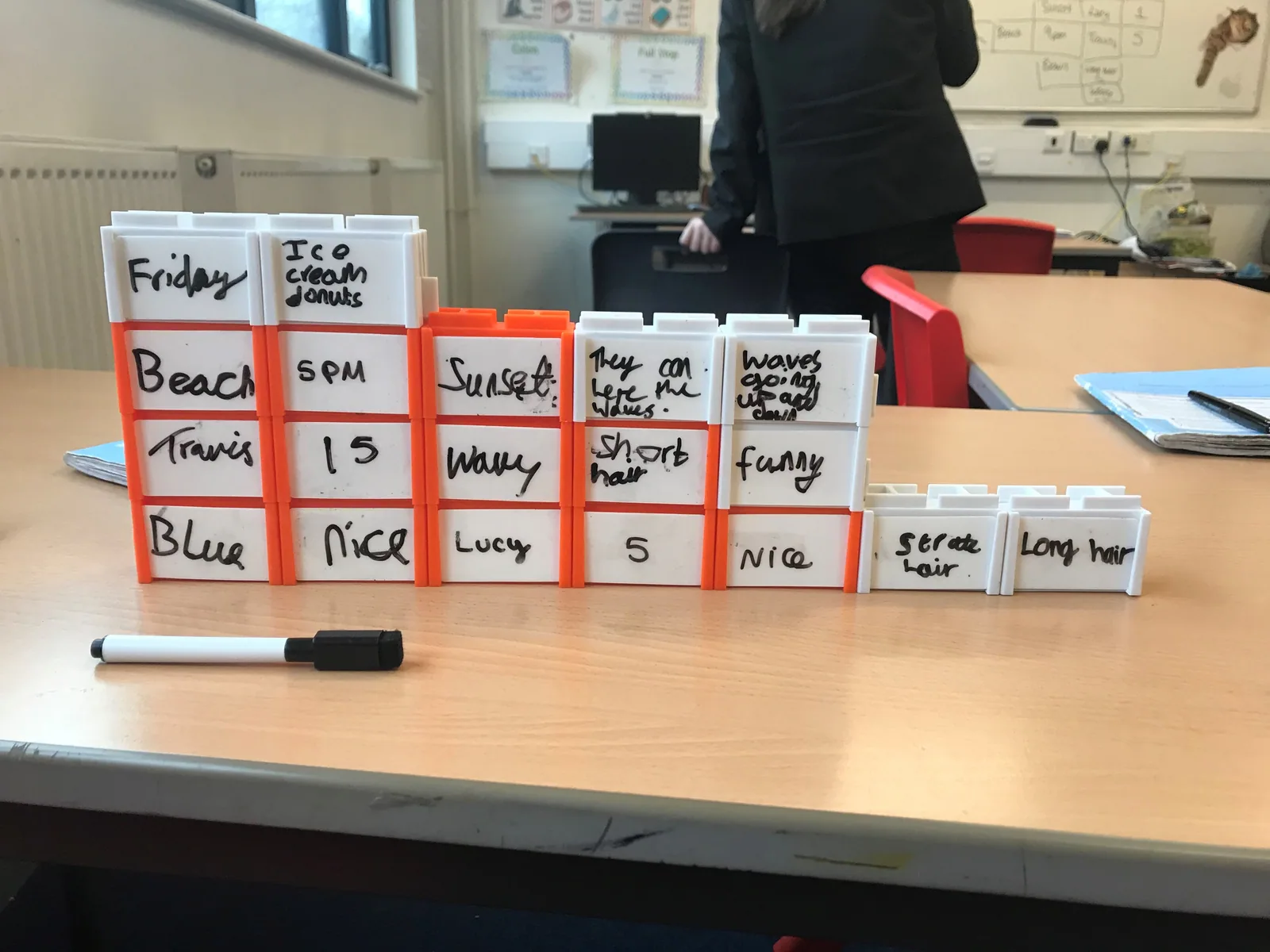
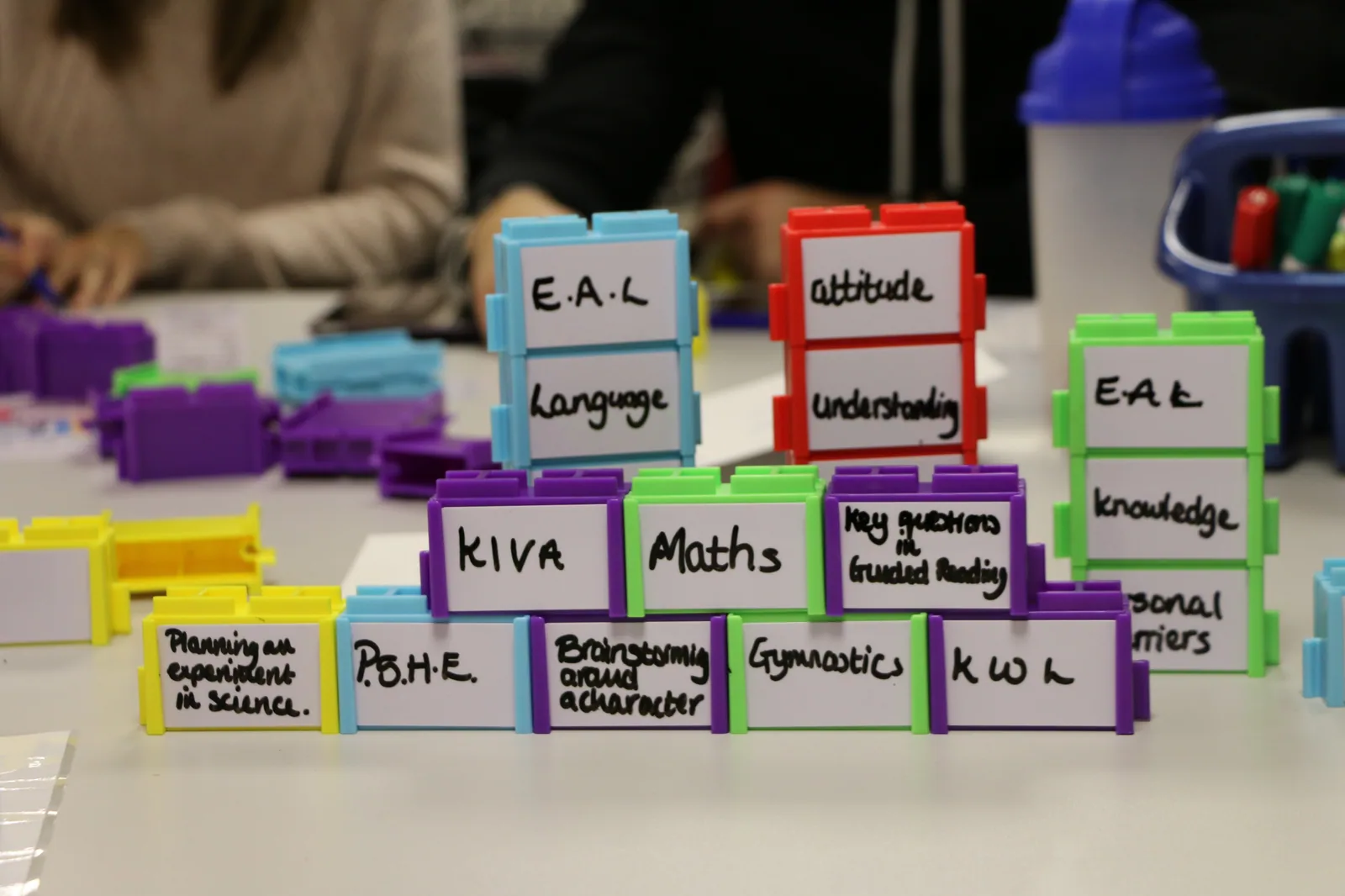
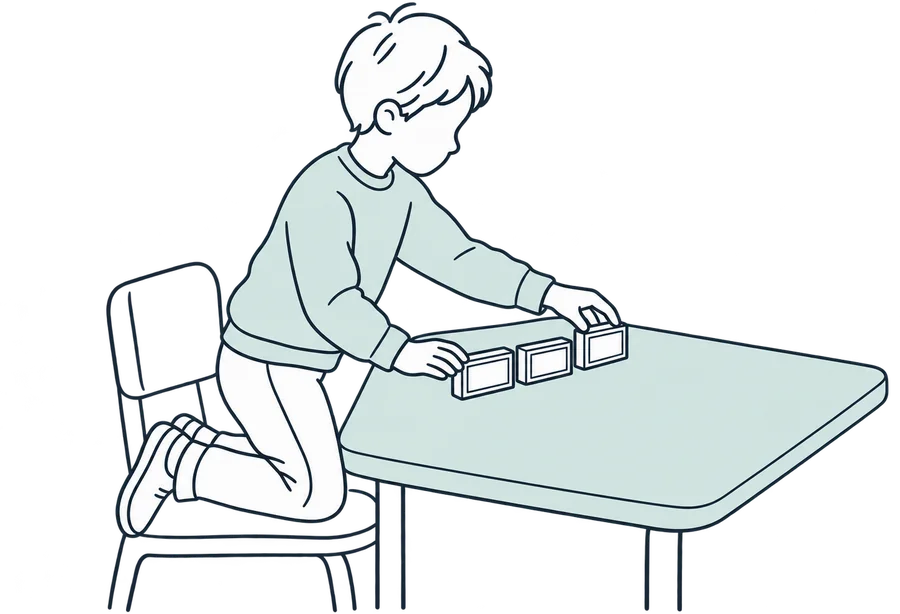
Build it. The physical route: move the ideas about until the order is right, then write it down.
The Thinking Framework · the language
Every lesson asks learners to think in a particular way, and most lessons never say which. The framework gives the thinking five colours and 33 names, so teacher and learner use the same words. Named, it can be taught, practised and marked.
Every card, explained →A primary head
“Results clearly show a higher percentage of children’s progress being recorded as ‘Better Than Expected’.”
Rob Francksen Head Teacher, Crawford’s CEVC Primary School
A director of teacher training
“These methods have had a great impact on teacher training outcomes and have led to a rise in outcomes across partnership schools.”
Ben Sperring Director of Teacher Training, LETTA, a national teaching school in East London
Teachers, heads and researchers, in their words
“The blocks are really clever, simple, and effective. Two of the biggest and most important skills are communication and collaboration, both of which are developed and encouraged by using the blocks.”
Professor Anne Bamford OBEStrategic Director for Education, Culture and Skills, City of London
Impact study, Cambridge Hub, 2021
“Structural Learning can turn someone that hates learning into someone who loves learning.”
Martin Howlett MBENational Leader in Cyber Crime Training, Youth Federation
Impact study, Cambridge Hub, 2021
“Over the course of 12 weeks, in a class of 27 students, 26 students improved. Their writing, punctuation, fluency has improved and they have become more interested in writing, reading and it made a big difference in their writing habits.”
Karen SivyerPrimary teacher
Impact study, Cambridge Hub, 2021
“Engagement levels and marks in the longer written responses have both improved.”
Heather GarlandBiology, St John Plessington
Google review
“Staff commenting on the quality of the training you delivered and also on how the activities you modelled, will help make lessons more inclusive for all.”
Helen ClearyAssistant Vice Principal, Altrincham Grammar School for Girls
Google review
“Teachers across all years see the positive impact of the judicious use of these tools, highlighting the universality of these methods.”
Dr Steve ConnollyDoctor of Education, University of Bedfordshire
Impact study, Cambridge Hub, 2021
“We are excited to have 2 more workshops planned with Paul and will maintain contact as this practice is something I would like to see embedded into the work of the school.”
Maarten CrommelinHeadteacher, Maudsley and Bethlem Hospital School
Google review
“Children are expected to all be the same and learn in the same way, but children have different ways of approaching problems. Structural Learning enables them to understand how to move their thinking forward, and verbalise that.”
Emily GallagherAssistant Head Teacher, Harrow International School, China
Impact study, Cambridge Hub, 2021
Rated 5.0 on Google. Read every review
The evidence
The approach sits inside the Education Endowment Foundation’s guidance on metacognition and self-regulated learning. Its themes are the framework, the organisers and the blocks made physical: the thinking named, the talk structured, the load taken off working memory. In 2021 a student team at Cambridge Hub interviewed eight educators who use it; their words are above. Below is one project a university measured.
Make It Count · University of East Anglia · 2024/25
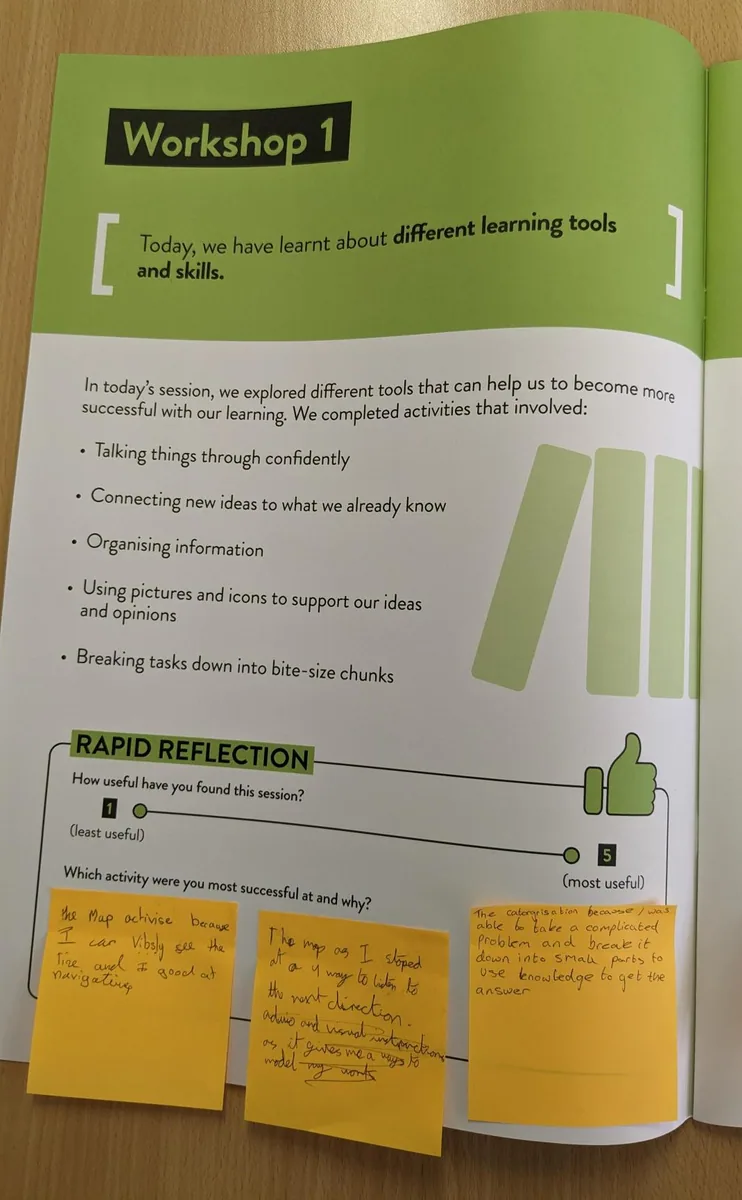
We could all do with understanding a bit more about how we learn. Make It Count, the university’s outreach programme for learners aged 11 to 12, asks learners to work it out for themselves: over eight workshops they try talk tactics, graphic organisers and the blocks, keep a journal of what works for them, and give a speech to the group at the end. In 2024/25 it ran with 25 learners in four schools.
The university’s evaluation team surveyed them before and after. Across the “I can” statements, agreement rose 30 points, from 52% to 83%, a statistically significant change. Three of the statements:
Their teachers saw “more confidence in the participants, that they are more articulate and have more pride in what they are able to achieve”, learners “asking more questions in lessons”, and four of them using the organisers on their own in science and geography.
Free, for teachers
Most people meet us through an article. Everything here is free, and none of it asks for a card. When you want more, there is the Structural Learning platform for teachers, Writer’s Block for classrooms, and professional learning for your staff.
Type a topic and a year group. The app names the thinking and hands you the organiser, the talk structure and the blocks to match.
The research behind the approach, one page each, with a poster for the wall. Written for a staff meeting, not a seminar.
Metacognition, oracy, visual learning, writing, SEND. Plain English, referenced, and free to forward to your head of department.
The next step
Twenty minutes on a Google Meet. Tell me what your school is working on this year and I will tell you what a session would look like, and say so if I think you do not need one. Every request comes to me, and I reply to each one myself.
Three quick questions. I reply by email with a time, or with a better next step if a call is not the one.
Request a conversation →Email me directly
paul@structural-learning.com
1 of 3