The learning design tool built on metacognition

Teach the thinking behind the learning.

Structural Learning is an approach to teaching and learning built on one idea: thinking is a set of skills, the skills have names, and they can be taught. Learners who know them can think like a scientist, argue like a historian, write like a writer. It comes as a free planner, classroom tools, and professional learning for your staff.

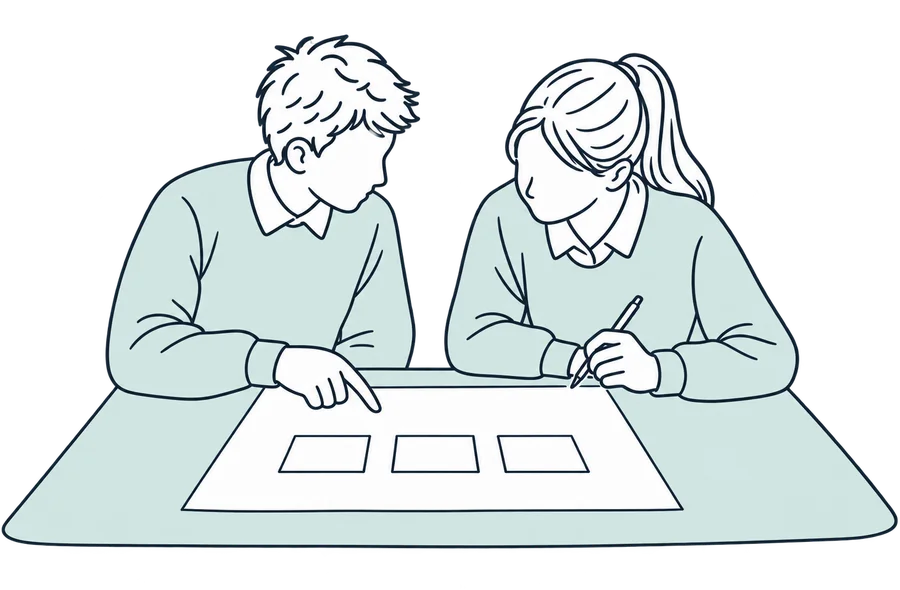
A line drawing of two learners leaning over one sheet of paper with three cards laid on it, one pointing, the other holding a pen
Plan the thinking

Thinking like a scientist · the skills it takes, in order

Say It

Map It

Build It

Plan it properly in the app, free →A rough plan from seven worked examples. The app plans any task with all 33 skills and your year group.

Metacognition, made concrete

Metacognition, critical thinking, independence: one set of skills.

Thinking is a set of skills with names. Name them, and a learner can choose the right one for the task in front of them. Watch one task get the treatment.

  1. 1 · The taskYear 9 science, twenty minutes, and nothing on the page. Not laziness: nobody said what kind of thinking the question needs.
  2. 2 · Name the thinkingThree cards from the Thinking Framework, in the order the answer needs them: retrieve, sequence, explain.
  3. 3 · Say it, map it, build itSay the process to a partner. Map the stages. Build the explanation in blocks. Then the writing has a shape.
Year 9 · science · 20 minutes Explain how a vaccine trains the immune system. Retrievewhat a virus is Sequencethe four stages Explainmemory cells Say It “The vaccine shows the body a harmless piece of the virus, so the body practises…” Map It Vaccine given Antigen noticed Antibodies made Memory cells stay Build It Vaccines protect us because antibodies form so the next fight is fast Say It “The vaccine shows the body a harmless piece of the virus, so the body practises…” Map It Vaccine given Antigen noticed Antibodies made Memory cells stay Build It Vaccines protect us because antibodies form so the next fight is fast A blank page is not a lazy learner. It is thinking nobody named. Three moves, in the order the answer needs them. Said, mapped and built first. Now the writing has a shape. A blank page is thinking nobody named. Three moves, in the order the answer needs. Said, mapped, built. Now the writing has a shape.

One approach

Learning does not have to happen in a book.

We learn in different ways, and we can show what we have learned in different ways. So the same thinking gets a verbal route, a visual route and a physical route. The Thinking Framework is the language; talk, the organisers and the blocks carry it.

  1. Her thinking, block by block0:00 · 1 of 7Press play. The notes follow her voice. Nobody is on camera; her structure is.
  2. Her thinking, block by block0:03 · 2 of 7Green holds the sad things in the story. Death, lost, grief, ashes to the sea. One colour, one job.
  3. Her thinking, block by block0:08 · 3 of 7Yellow is where the meaning connects. The lines of the poem that carry each theme.
  4. Her thinking, block by block0:12 · 4 of 7Purple is the positive she found. Family, life, love, empathy.
  5. Her thinking, block by block0:18 · 5 of 7White is for the definitions. Words she did not know, looked up and kept.
  6. Her thinking, block by block0:21 · 6 of 7Her teacher reads it back to her. Themes, evidence, feeling. The structure is on the table, so it can be checked.
  7. Her thinking, block by block0:51 · 7 of 7“I can see how you’ve organised your thinking.” She built the order first. Then she could say it.
Analysing a poem with the blocks: the structure comes first, and the meaning comes out of it.
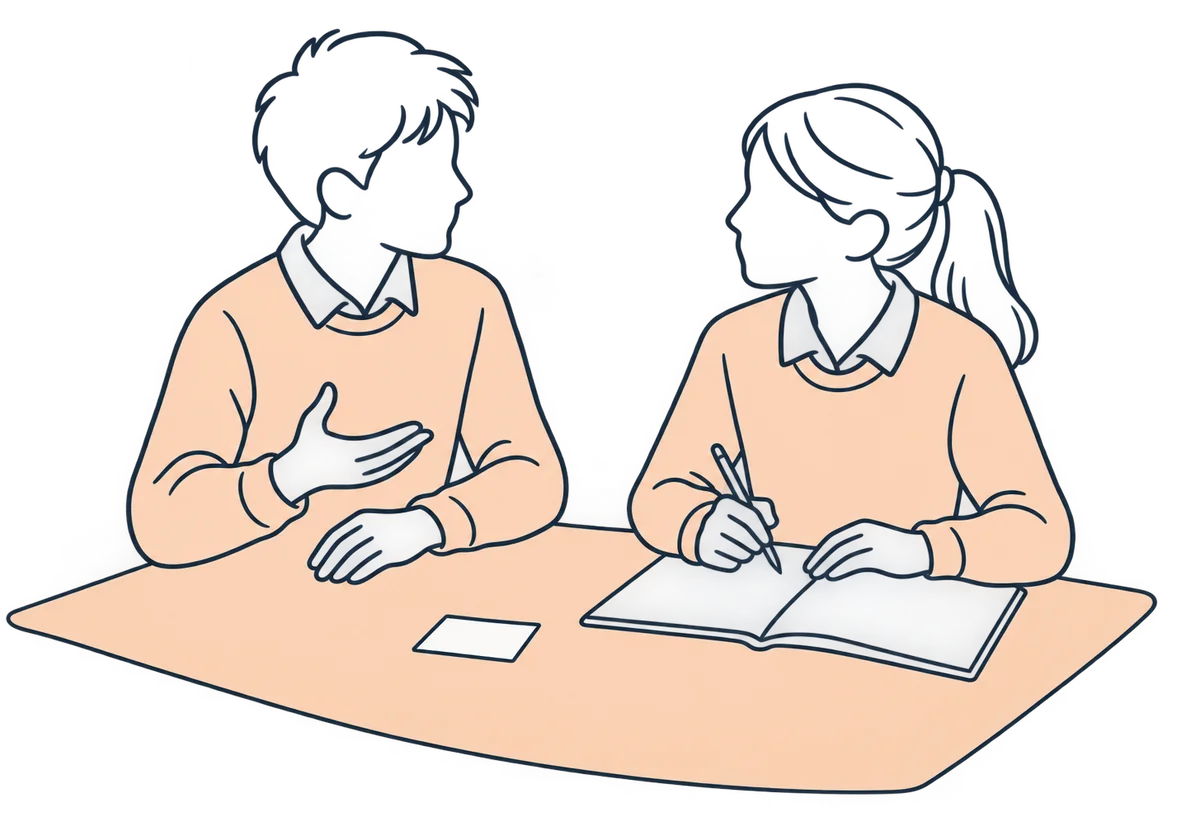
  • A line drawing of two learners side by side at a table, one explaining with an open hand, the other listening with a pen paused over an exercise book

    Say it. The verbal route: say the thinking to a partner before writing a word of it.

  • A line drawing of a learner drawing two overlapping circles on a large sheet of paper

    Map it. The visual route: draw the shape of the thinking, then fill it.

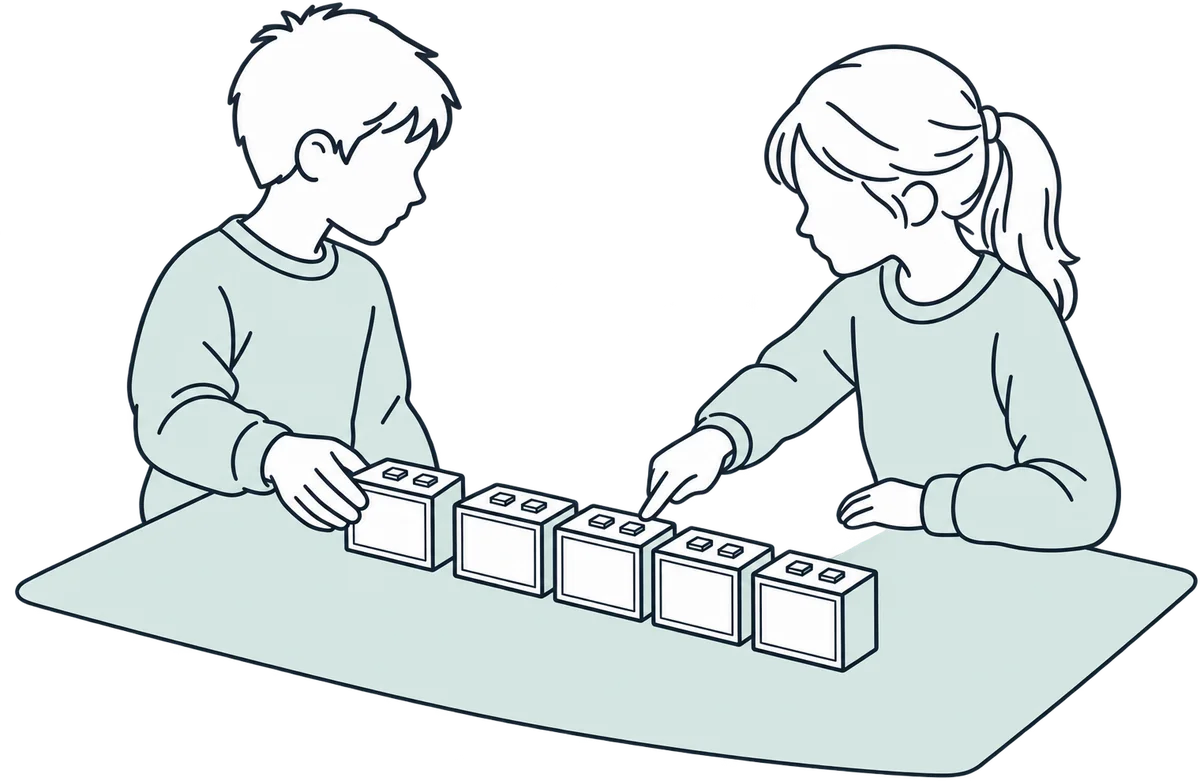
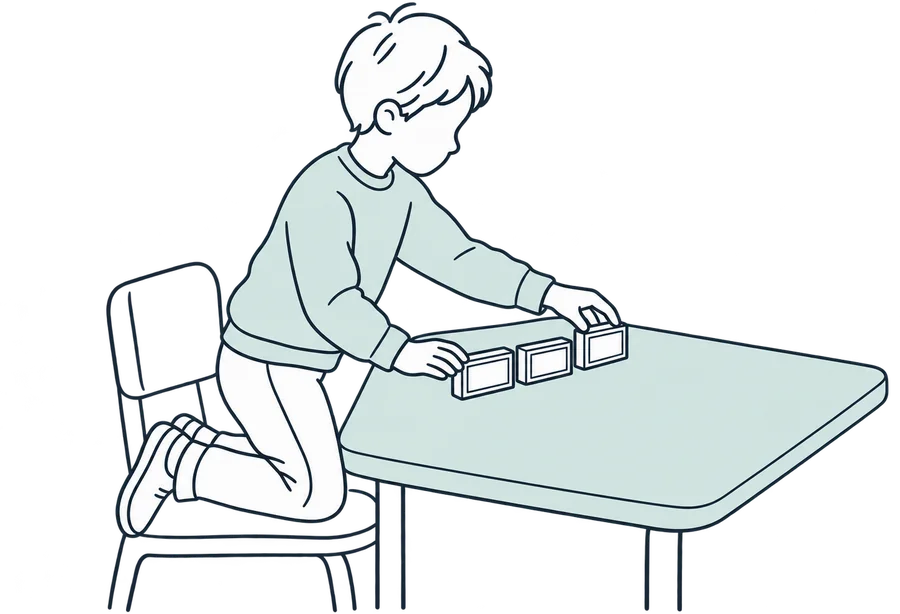
  • A line drawing of two learners at a table with a row of five dry-wipe bricks, one placing the next brick, the other pointing at the middle of the row

    Build it. The physical route: move the ideas about until the order is right, then write it down.

  1. The Thinking Framework How do I get started? How should I organisemy ideas? How do I know this? How can I communicatemy understanding? What can I do withmy new knowledge? This lesson Retrievewhat a virus is Sequencethe four stages Explainwhy memory cells matter Three of thirty-three, chosen for one task.

    The Thinking Framework · the language

    A colour-coded language for thinking, ready for any classroom.

    Every lesson asks learners to think in a particular way, and most lessons never say which. The framework gives the thinking five colours and 33 names, so teacher and learner use the same words. Named, it can be taught, practised and marked.

    Every card, explained →
  1. Map It · the shape of the answer Spray map: get every idea out Volcanoes magma plates ash farming Tree: the big idea, then the detail Why eruptions Pressure Plate edges Venn: what is shared, then what is not VOLCANOES EARTHQUAKES plateedges lava shaking Fishbone: the causes on the bones magma rises gas builds plates move vent opens Eruption

    Graphic organisers · on paper

    Put the thinking on the page before the writing.

    A spray map, a tree, a Venn, a fishbone: each is the shape of a different kind of thinking. Choose the shape on purpose and the answer has a structure before a sentence exists. Every organiser is in the free app, chosen for the task you type.

    The organisers →
  1. Build It · ideas you can hold Rivers bend because they erode so valleys widen Build the argument first. Then write it in that order. The riversubject erodesverb the bank,object so it bendsclause The same blocks, one block per part of the sentence. Grammar in the hand.

    Writer’s Block · in their hands

    Build the idea before you write it.

    Coloured blocks that lock together. A learner builds the structure of an argument, an explanation or a sentence, moves it about until it holds, then writes from it. It works at the level of the idea and at the level of the grammar.

    Writer’s Block →
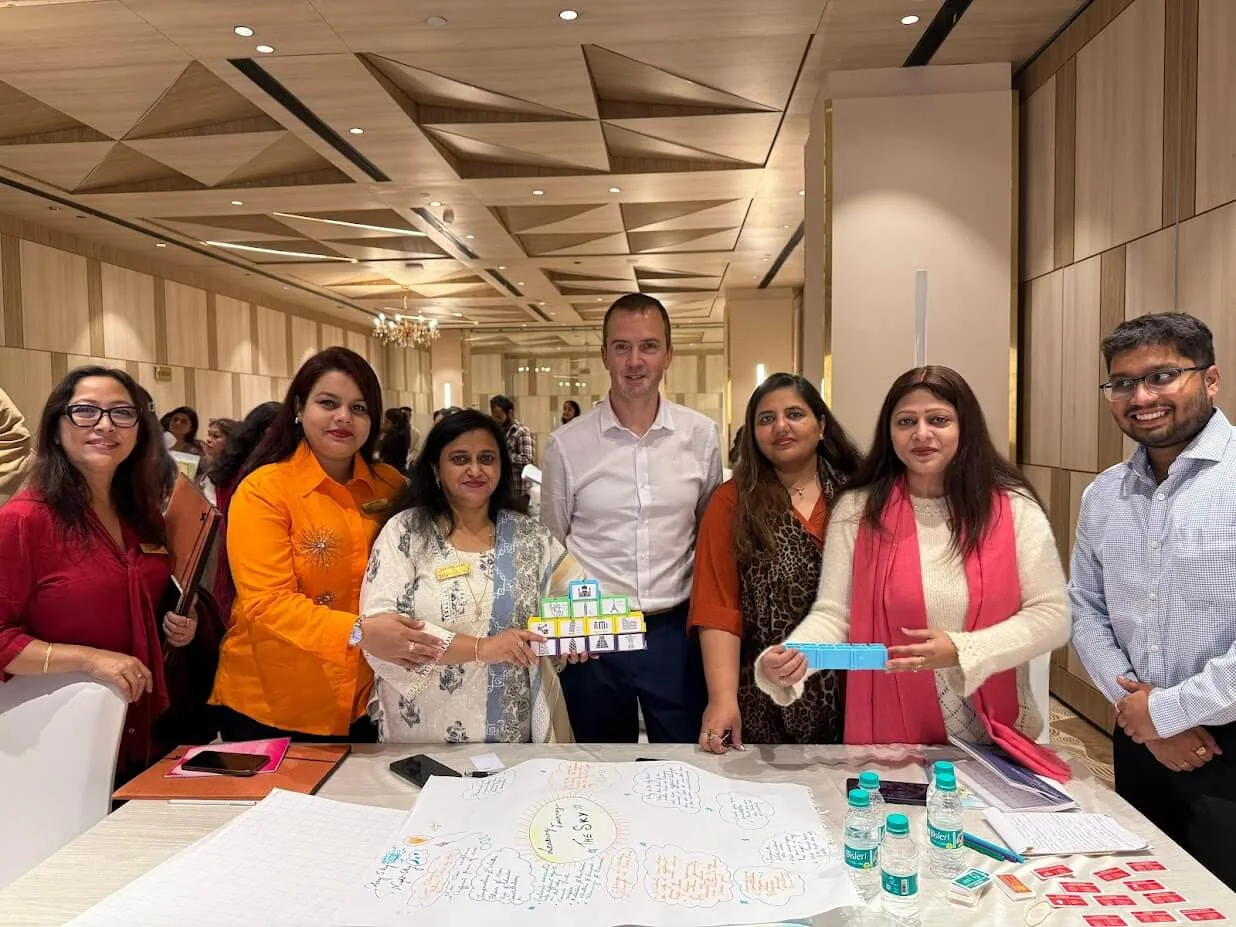
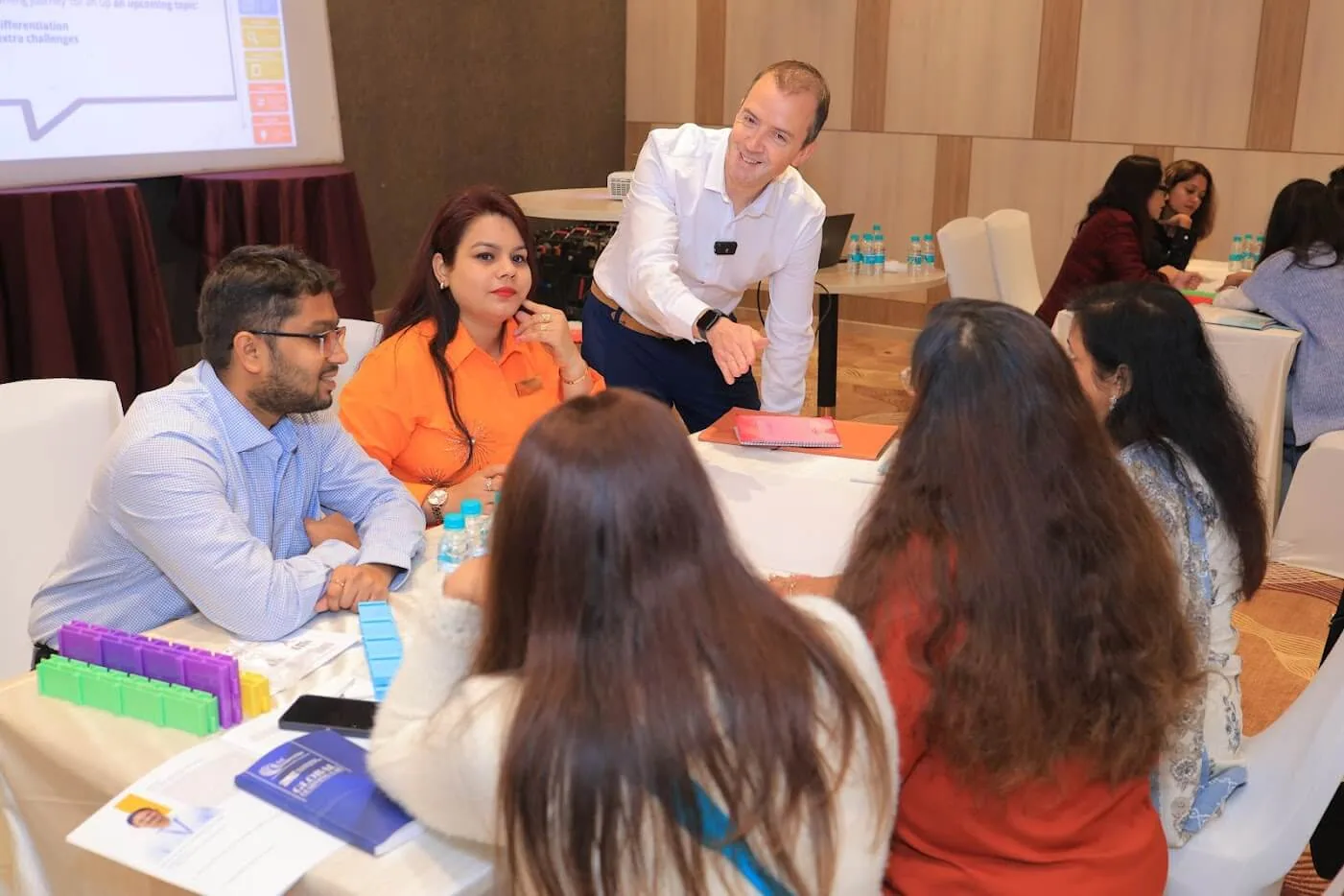
Paul Main with a team of teachers in Delhi, holding the blocks they have just built over the plan they drew for it
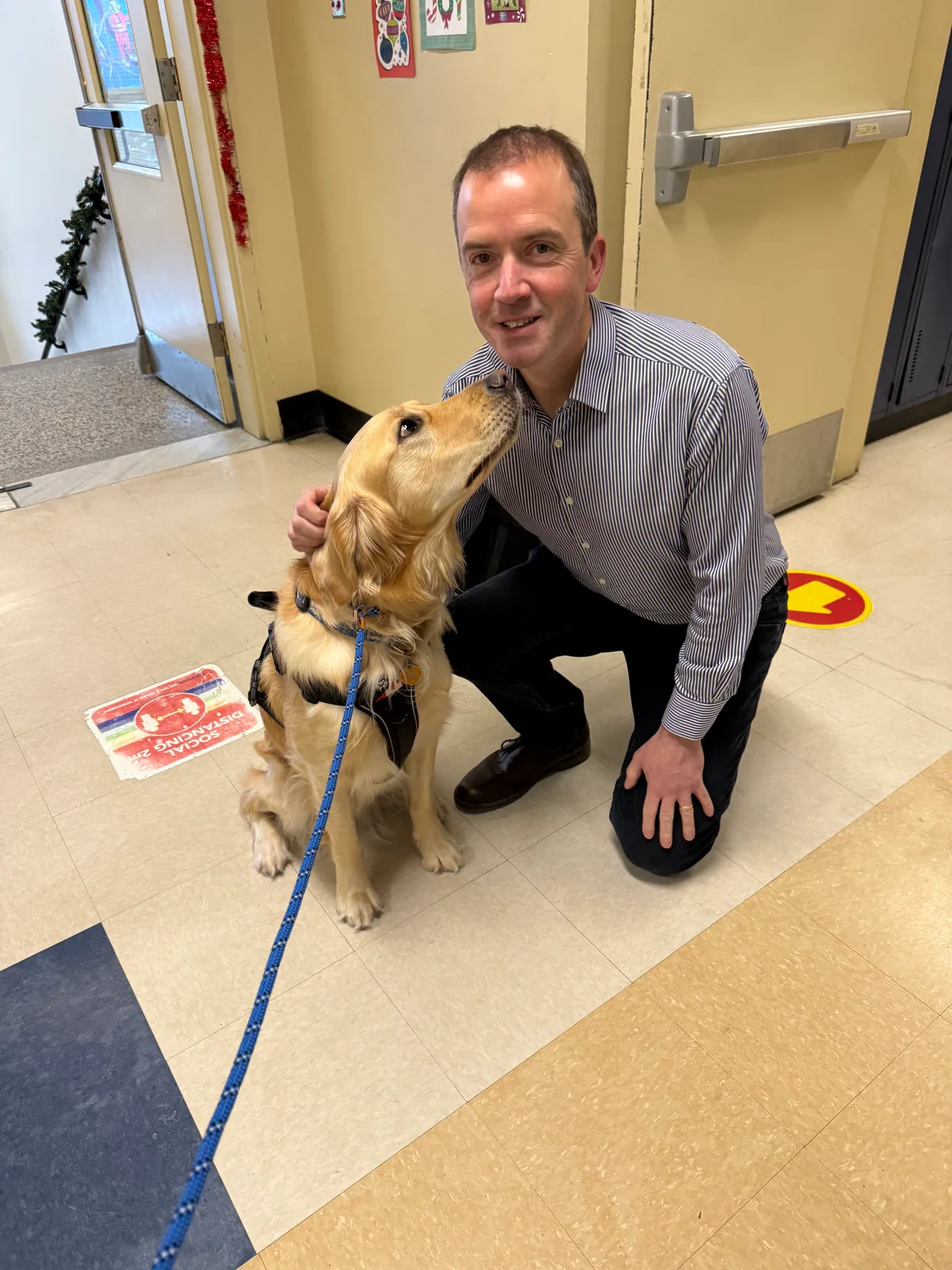
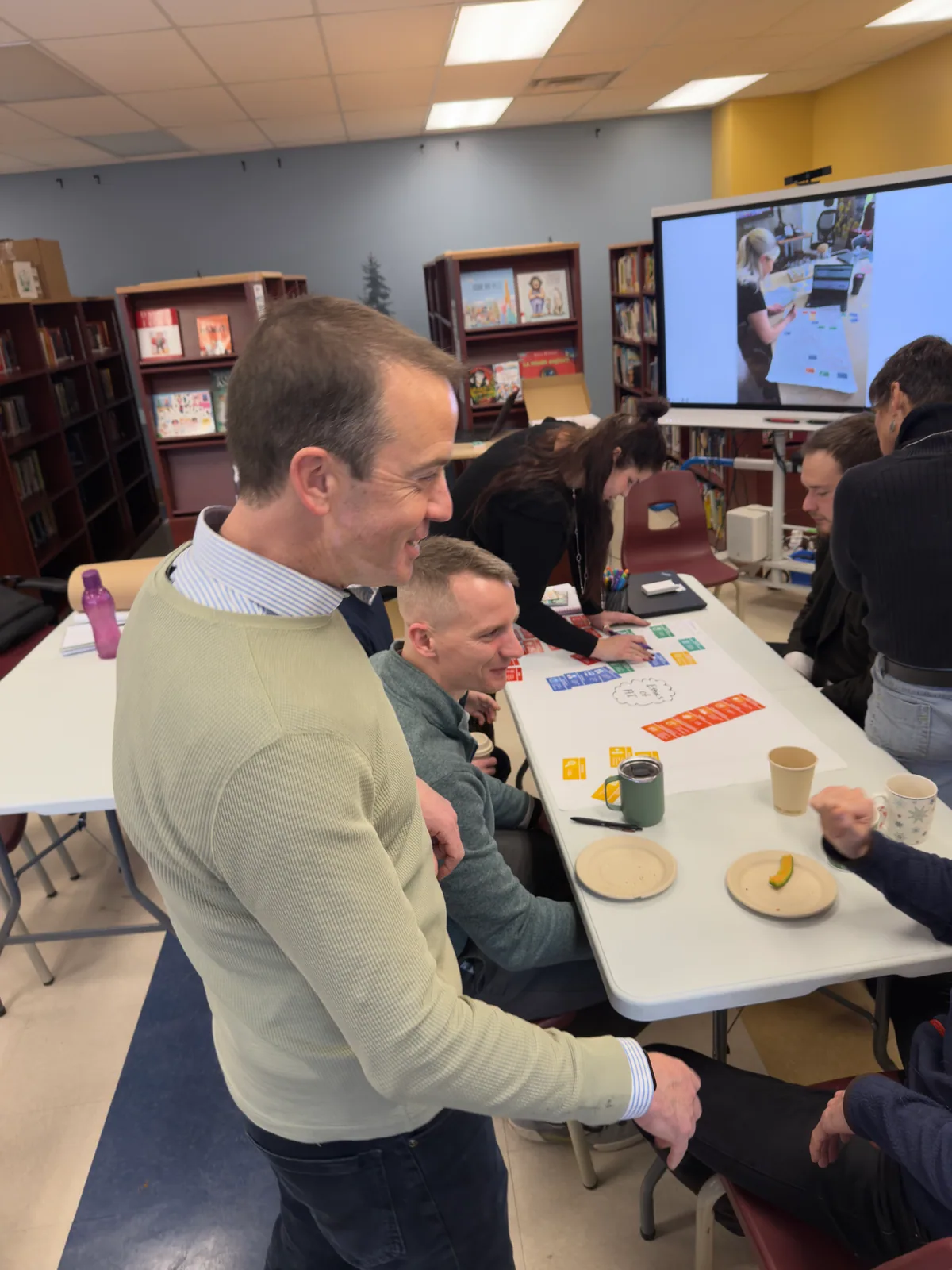
Paul Main kneeling in a school corridor in Quebec, laughing as the school dog, a golden retriever, licks his facePaul Main shaking hands with a teacher at a planning table in a school library in Quebec, Thinking Framework cards on the table
Day one at a new schoolNaming the thinking in a real lesson
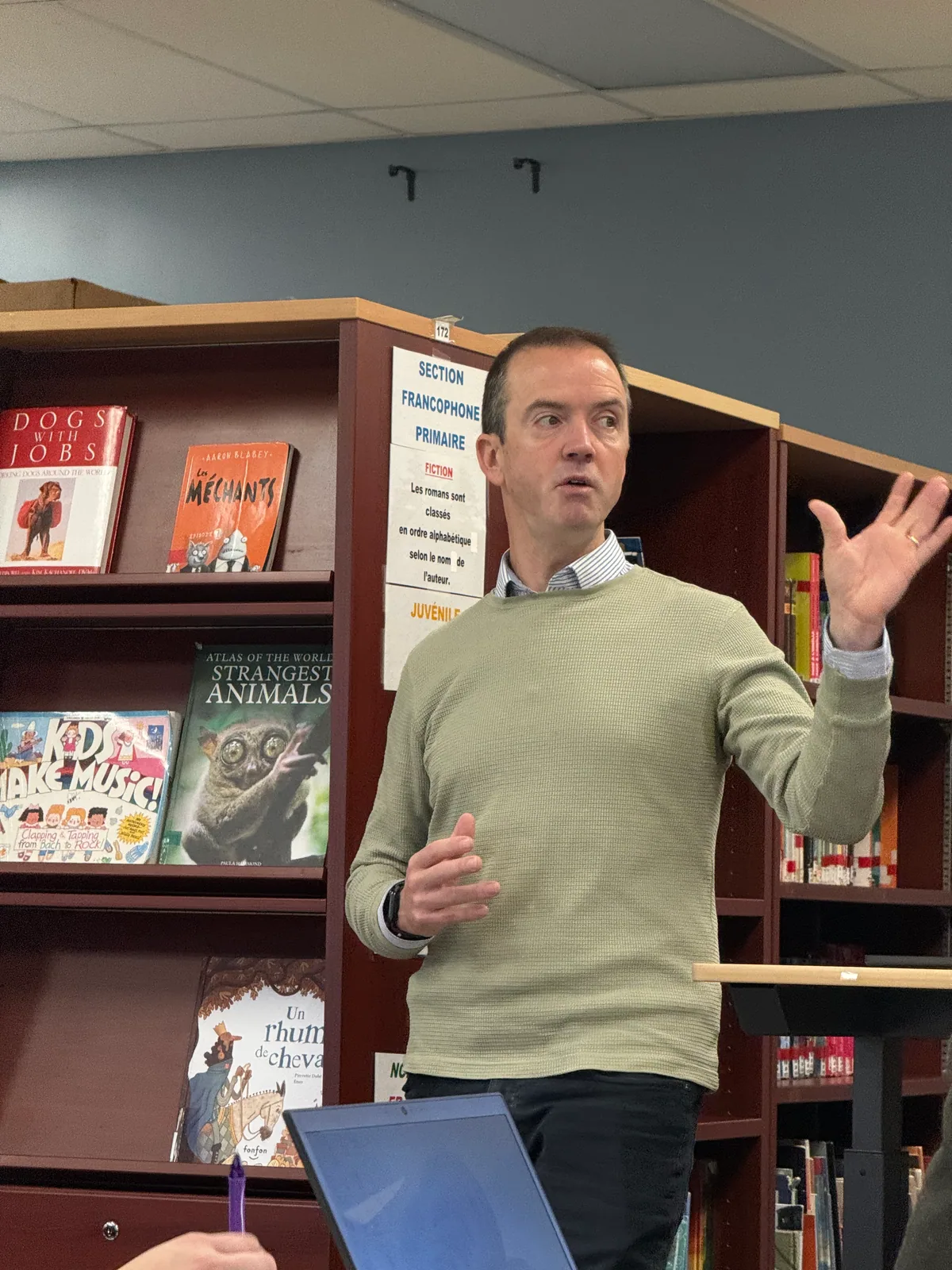
Paul Main leaning over a table of teachers in Delhi as they build with Writer's BlockPaul Main mid-sentence, gesturing, in front of the shelves of a school library in Quebec
Teachers build on their own curriculumA staff session in the library

Who is behind it

Hello. I’m Paul.

Twenty years alongside teachers, one foot in research and the other in the classroom, chasing one question: how do we all think and learn?

What I have been trying to do is make the research on how learners think simple and practical enough to survive in a real classroom.

Based in Cambridge, UK. The work happens in classrooms of every kind: a village primary, a girls’ grammar, a hospital school, an international school, a school board.

Professional learning

  • Twilight · 90 minutes
  • Half day · 3 hours
  • Full INSET day
  • A series across a term

Book a professional learning session for your school, college or trust.

Not three hours of slides. Your staff play learning detective on a lesson they teach, then learning architect, rebuilding it with the framework, the organisers and the blocks in their hands. Every person leaves with a lesson they will teach next week.

  • In person or online. The full day splits across two remote sessions if that suits the calendar.
  • Try the ideas on your own lessons. Paul brings the blocks, cards and organisers. Your staff play with them on their own curriculum, and keep what they make.
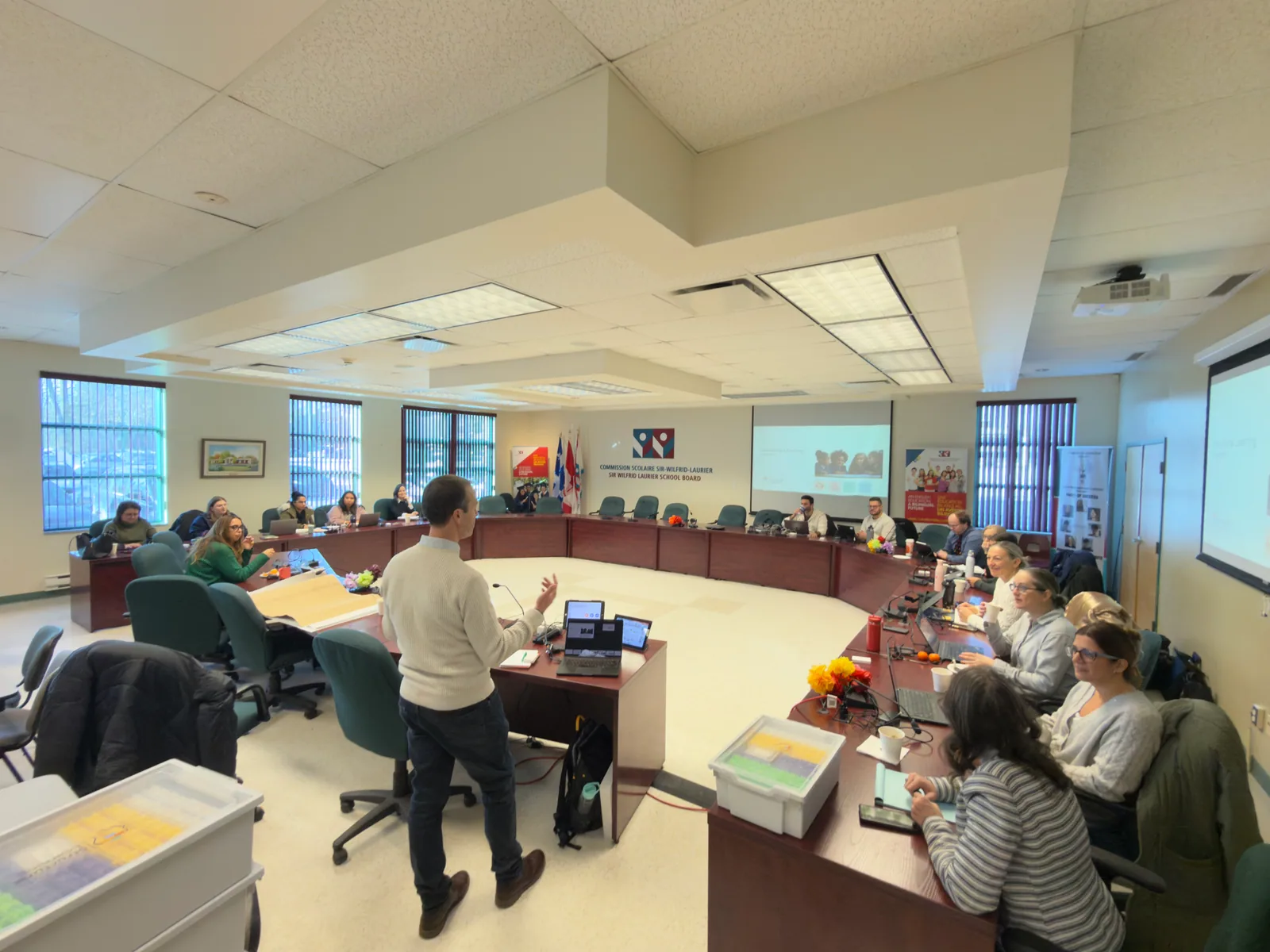
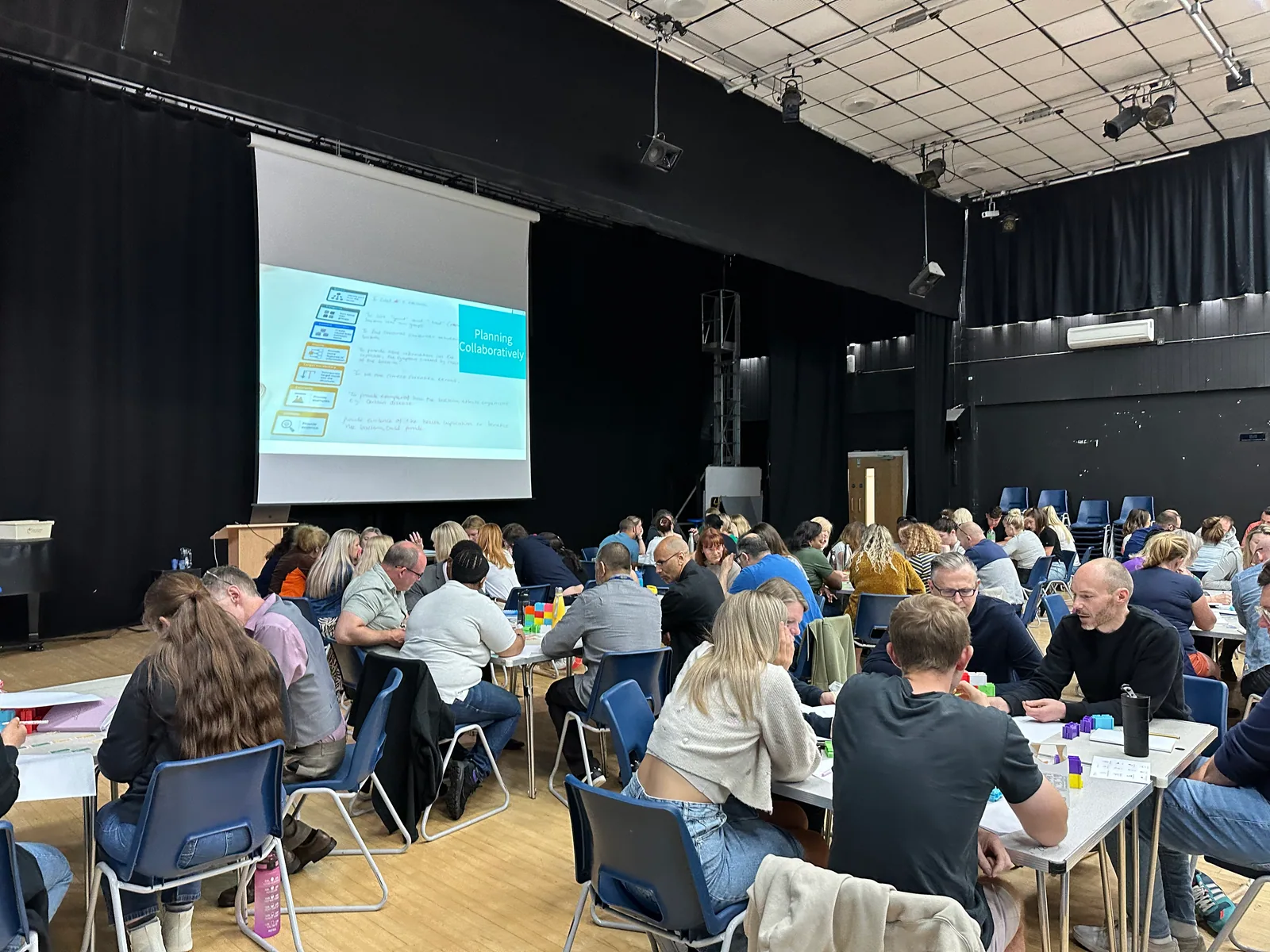
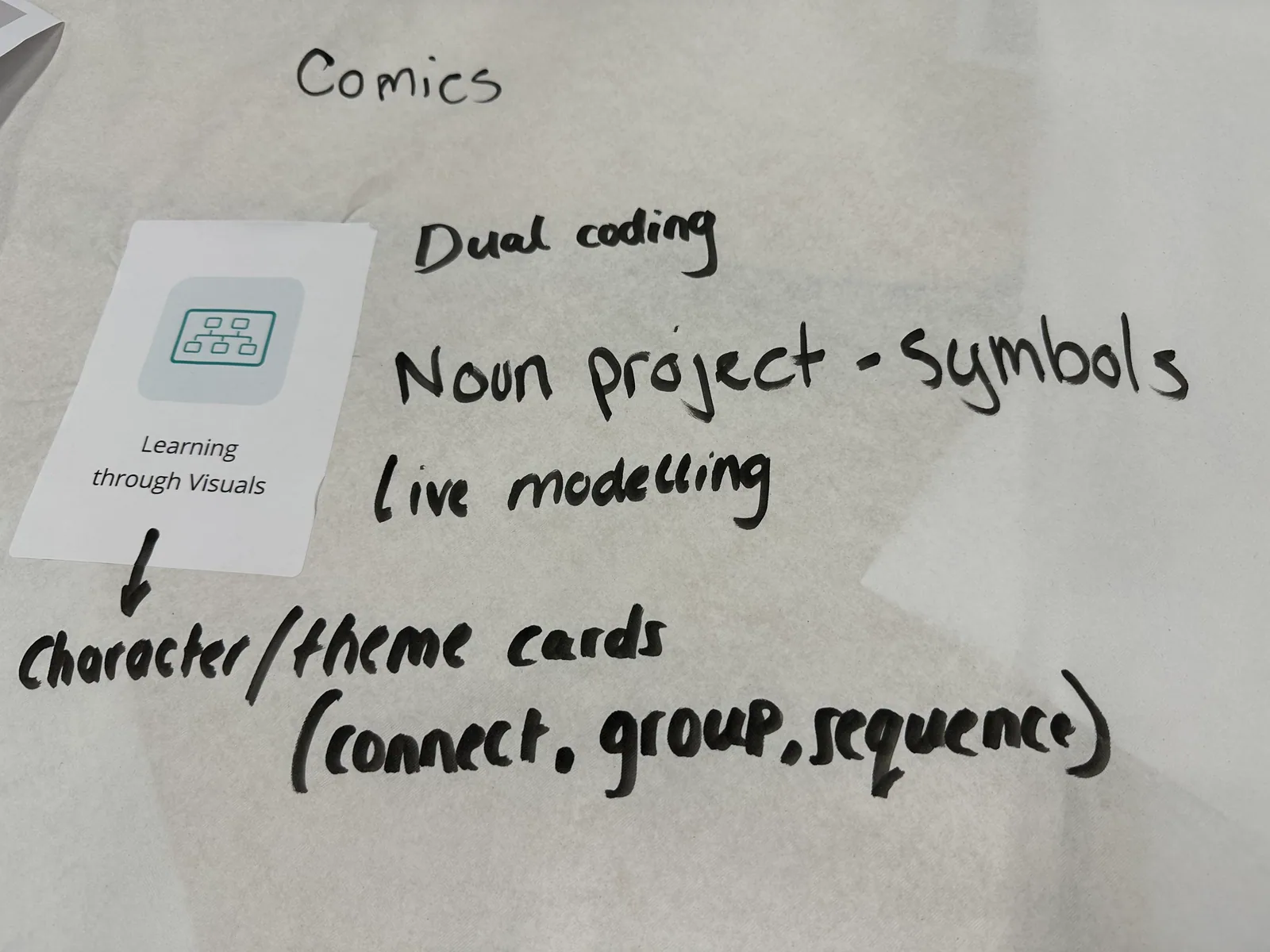
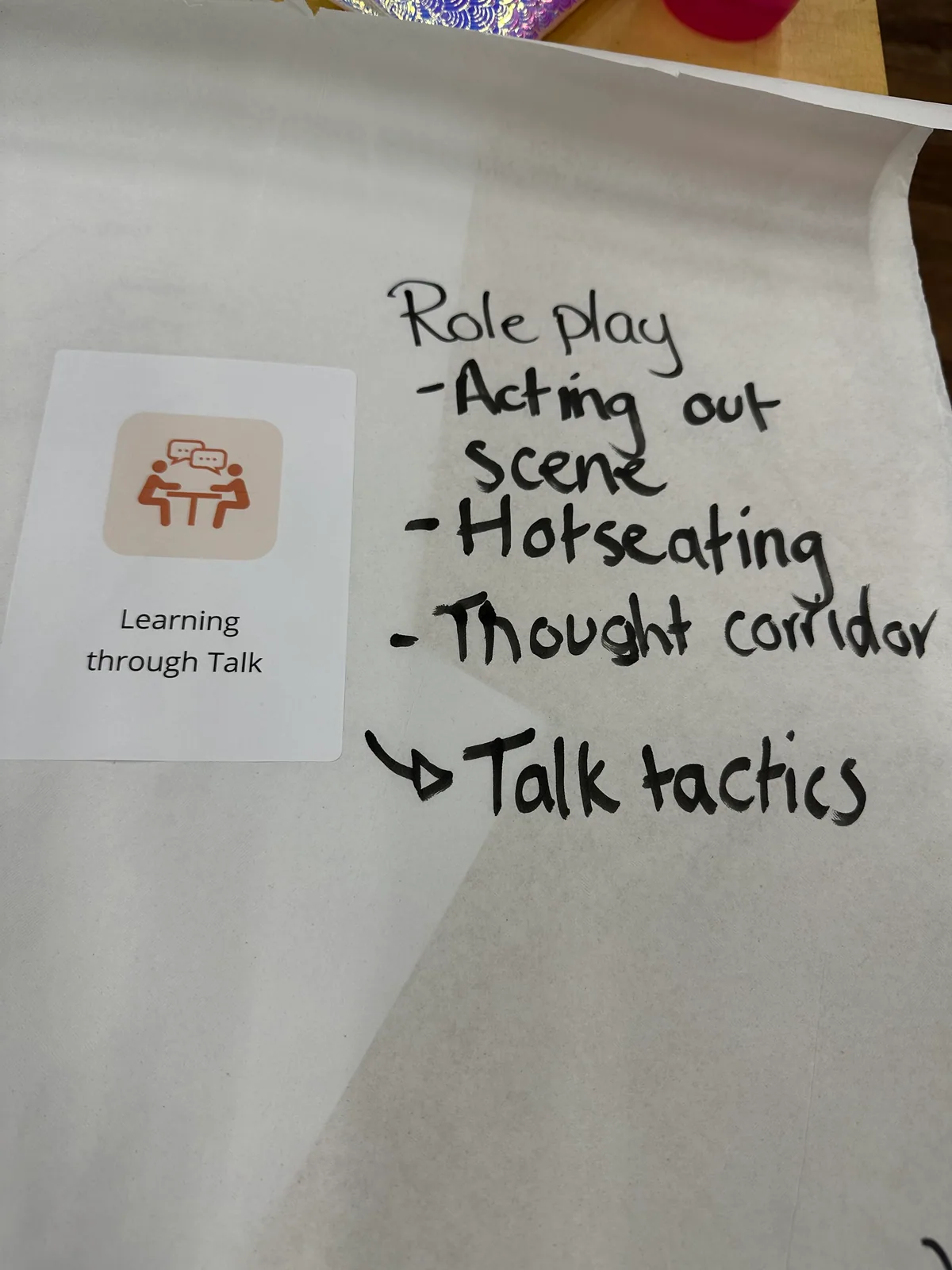
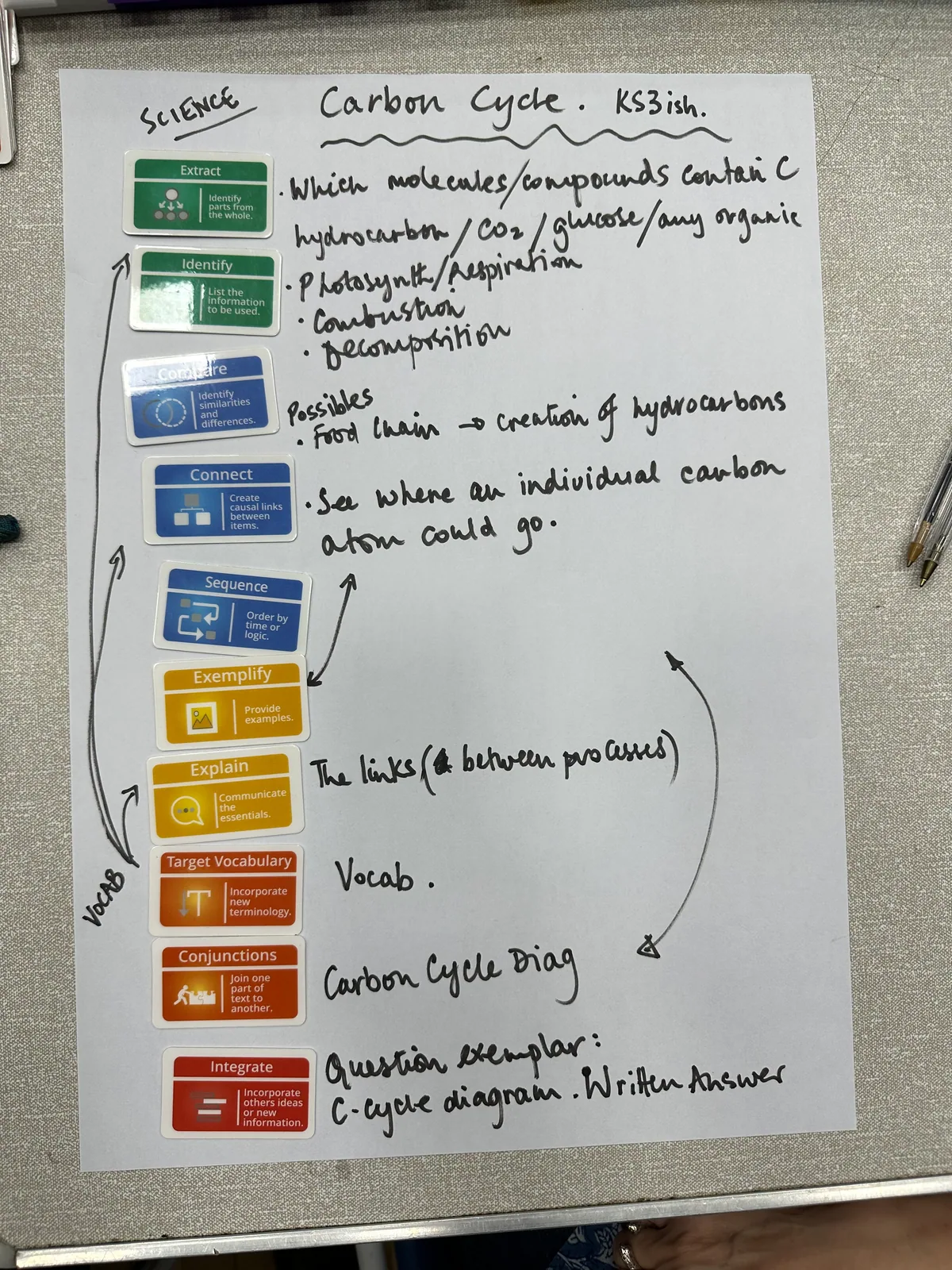
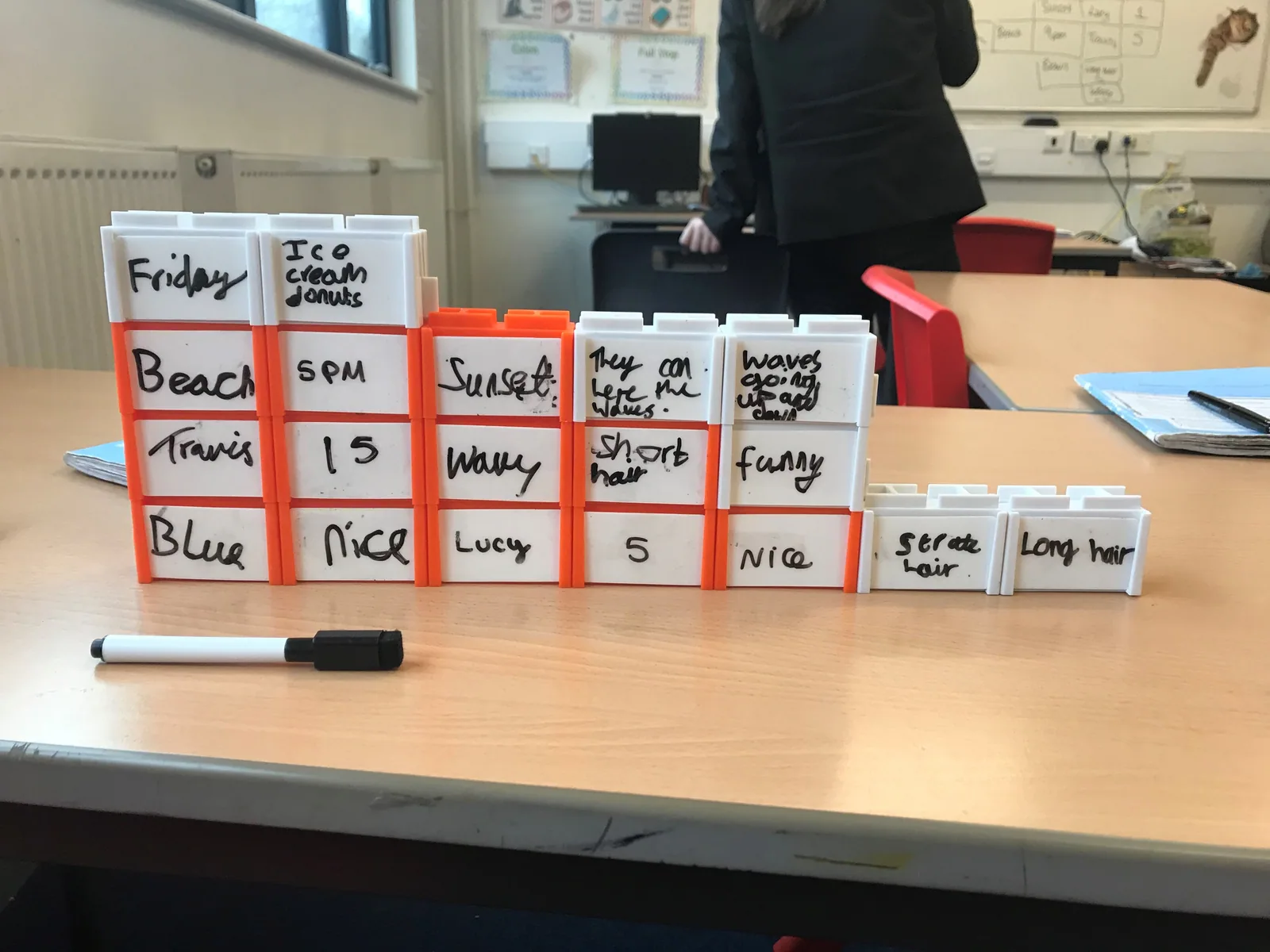
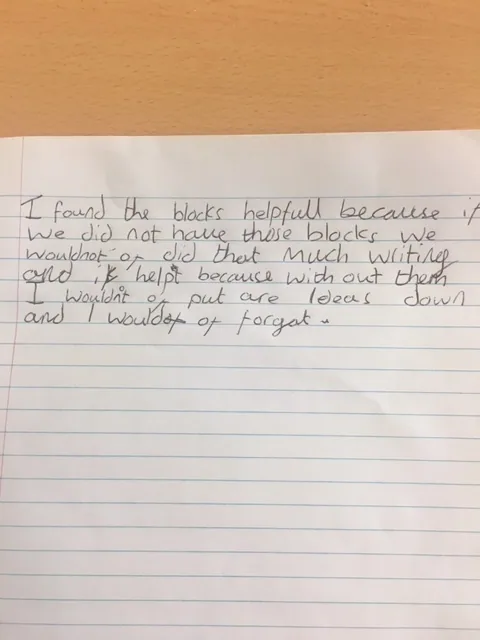
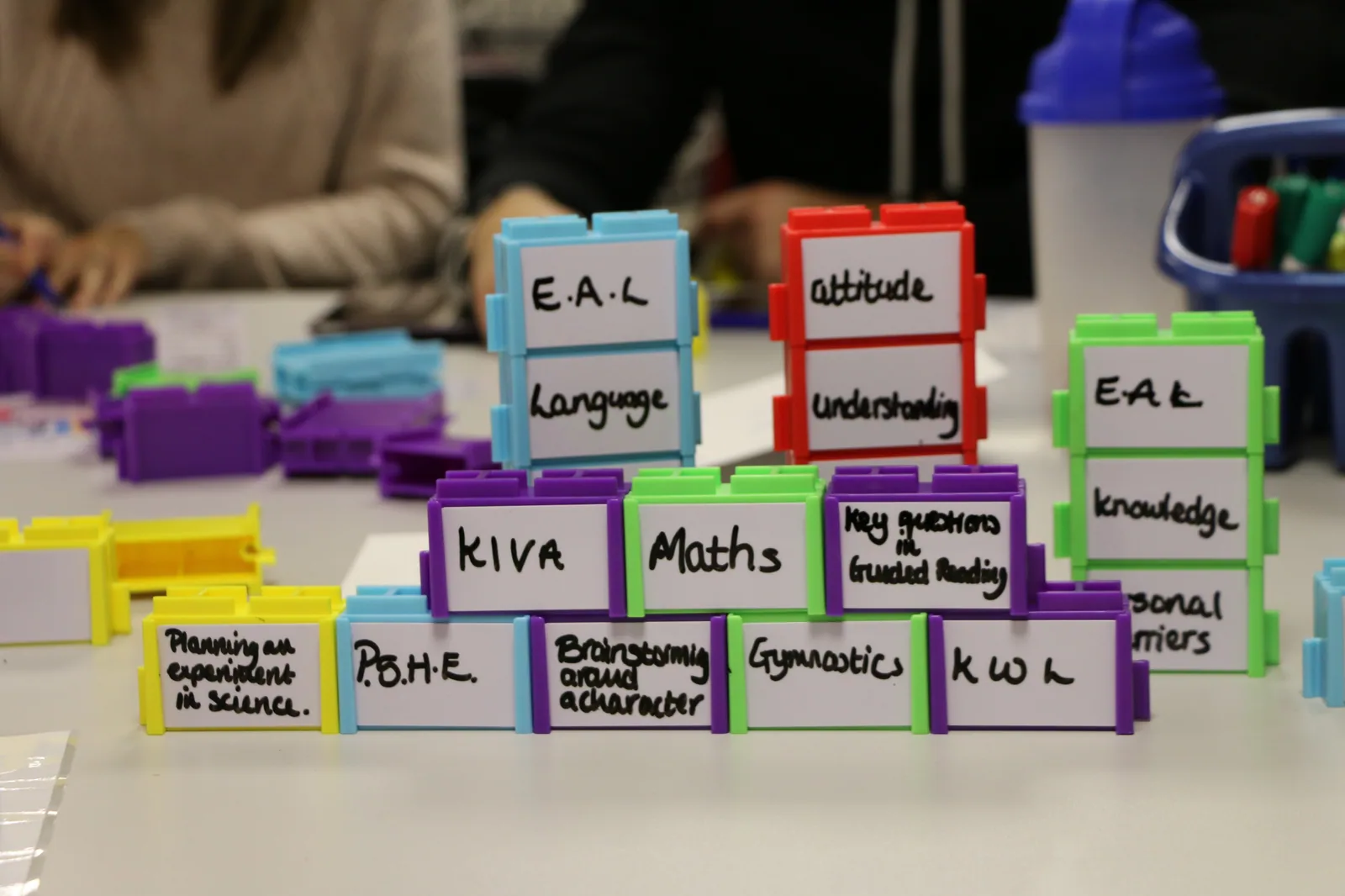
Paul Main presenting to teachers and leaders seated round the board table of the Sir Wilfrid Laurier School Board in Quebec A school hall full of teachers at long tables, seen from the back, a Thinking Framework slide on the screen at the front A sheet of teachers' handwritten notes headed Learning through Visuals: comics, dual coding, symbols, live modelling, character and theme cards Teachers' notes headed Learning through Talk: role play, acting out a scene, hot seating, thought corridor, talk tactics A science teacher's notebook with Thinking Framework cards stuck down the margin and notes on the carbon cycle beside them Writer's Block blocks in a row on a classroom table, one word or detail written on each: beach, five pm, sunset, lively, long hair A learner's handwritten note: I found the blocks helpful because if we did not have these blocks we would not have done that much writing A tower of Writer's Block blocks built by school staff, each block naming a priority: EAL, language, maths, attitude, knowledge, KiVa
A session for a school board in Quebec. A whole-staff day, every table working. Teachers dissect how their subject is learned through visuals. The same, for learning through talk. A science teacher plans a sequence, card by card. A description built one block per detail. A learner's verdict, in their own hand. A school builds its priorities before it writes them.

What do the schools think?

A primary head

“Results clearly show a higher percentage of children’s progress being recorded as ‘Better Than Expected’.”

Rob Francksen Head Teacher, Crawford’s CEVC Primary School

A director of teacher training

“These methods have had a great impact on teacher training outcomes and have led to a rise in outcomes across partnership schools.”

Ben Sperring Director of Teacher Training, LETTA, a national teaching school in East London

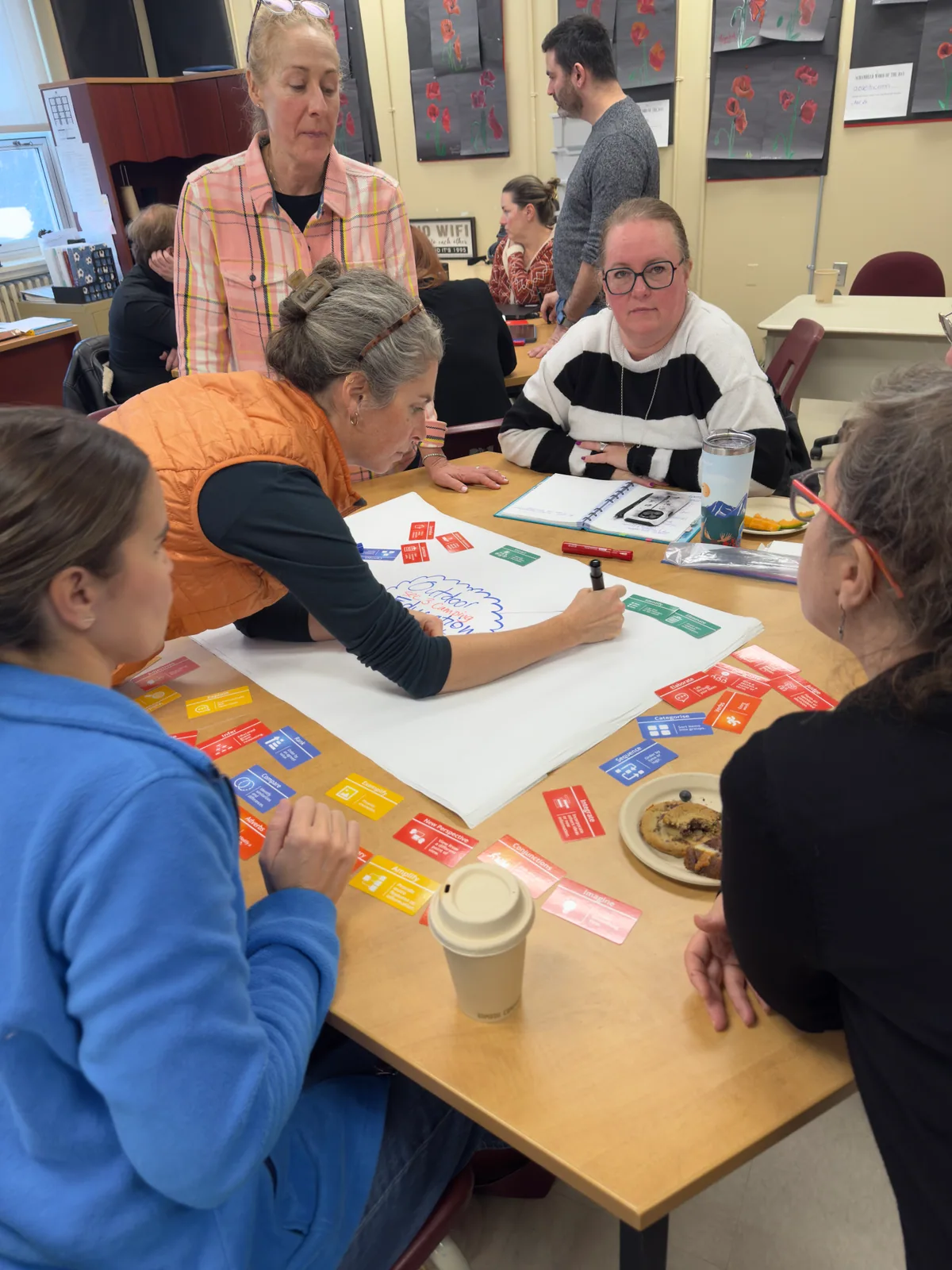
  • A teacher in Quebec leans over a large sheet, drawing a plan with Thinking Framework cards laid across it, colleagues working round the table.
    Sir Wilfrid Laurier School Board, QuebecTeachers plan a unit with the cards.
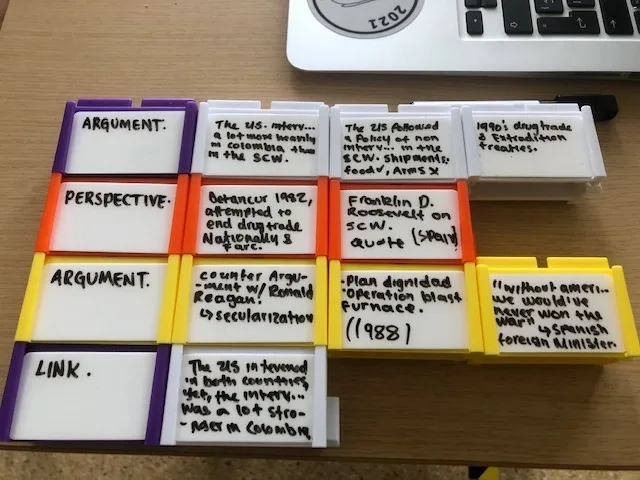
  • Writer's Block blocks laid out as an argument, labelled Argument, Perspective, Argument and Link, each filled with handwritten history notes.
    Colegio Anglo Colombiano, BogotáA history argument built in blocks: claim, perspective, link.
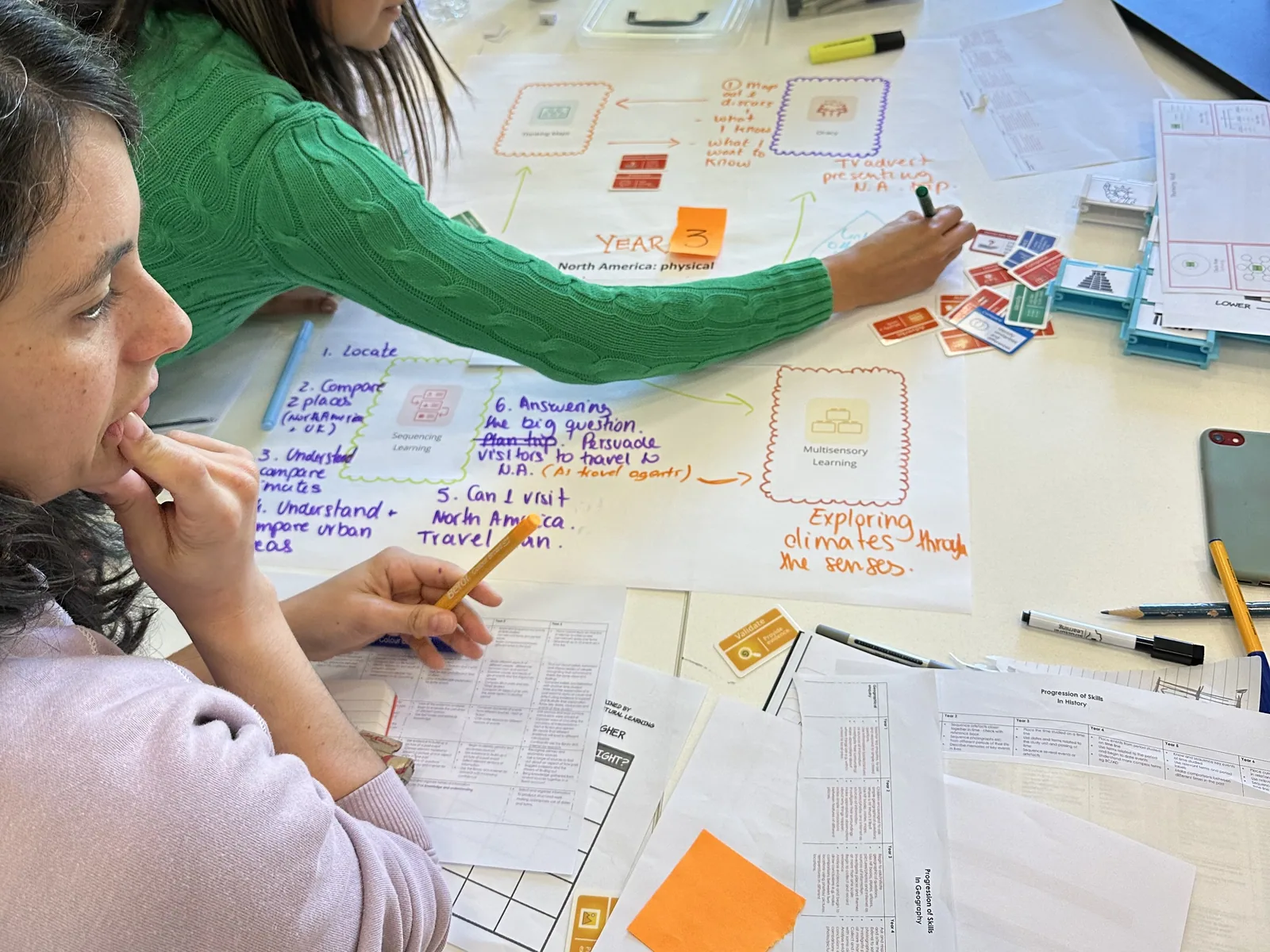
  • Two teachers at a trust training day lean over one large sheet headed Year 3, North America: physical, a unit drawn as a route between Thinking Framework cards, one teacher placing the next card.
    LETTA Trust, East LondonTeachers rebuild a Year 3 unit on one sheet.
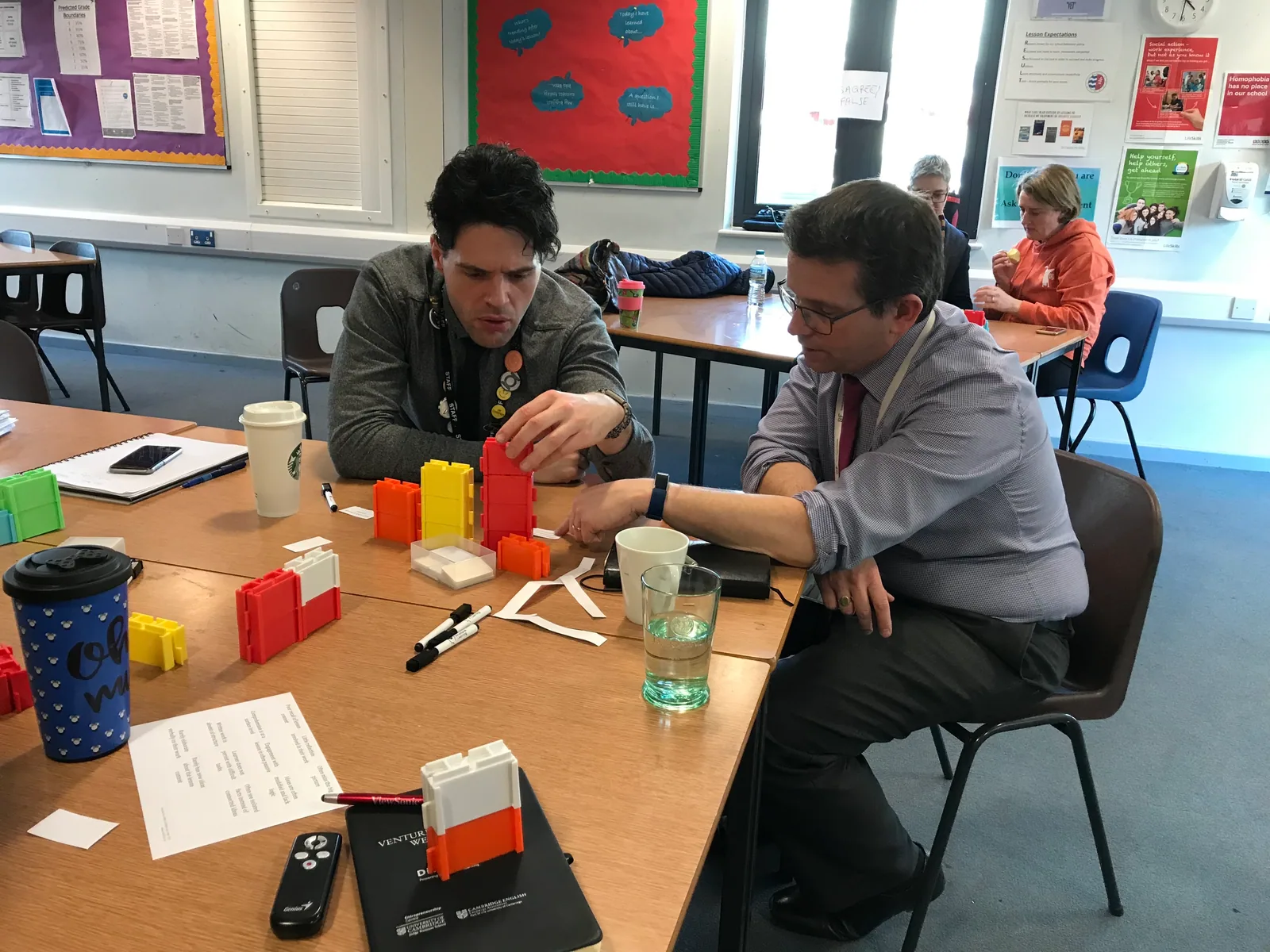
  • Two teachers at a classroom table building a structure from red, yellow and white Writer's Block blocks.
    Lincroft Academy, BedfordTwo teachers build an argument in blocks.

Teachers, heads and researchers, in their words

  • “The blocks are really clever, simple, and effective. Two of the biggest and most important skills are communication and collaboration, both of which are developed and encouraged by using the blocks.”

    Professor Anne Bamford OBEStrategic Director for Education, Culture and Skills, City of London

    Impact study, Cambridge Hub, 2021

  • “Structural Learning can turn someone that hates learning into someone who loves learning.”

    Martin Howlett MBENational Leader in Cyber Crime Training, Youth Federation

    Impact study, Cambridge Hub, 2021

  • “Over the course of 12 weeks, in a class of 27 students, 26 students improved. Their writing, punctuation, fluency has improved and they have become more interested in writing, reading and it made a big difference in their writing habits.”

    Karen SivyerPrimary teacher

    Impact study, Cambridge Hub, 2021

  • “Engagement levels and marks in the longer written responses have both improved.”

    Heather GarlandBiology, St John Plessington

    Google review

  • “Staff commenting on the quality of the training you delivered and also on how the activities you modelled, will help make lessons more inclusive for all.”

    Helen ClearyAssistant Vice Principal, Altrincham Grammar School for Girls

    Google review

  • “Teachers across all years see the positive impact of the judicious use of these tools, highlighting the universality of these methods.”

    Dr Steve ConnollyDoctor of Education, University of Bedfordshire

    Impact study, Cambridge Hub, 2021

  • “We are excited to have 2 more workshops planned with Paul and will maintain contact as this practice is something I would like to see embedded into the work of the school.”

    Maarten CrommelinHeadteacher, Maudsley and Bethlem Hospital School

    Google review

  • “Children are expected to all be the same and learn in the same way, but children have different ways of approaching problems. Structural Learning enables them to understand how to move their thinking forward, and verbalise that.”

    Emily GallagherAssistant Head Teacher, Harrow International School, China

    Impact study, Cambridge Hub, 2021

Rated 5.0 on Google. Read every review

The evidence

Built on what the research says about how learners think, and measured where we can.

The approach sits inside the Education Endowment Foundation’s guidance on metacognition and self-regulated learning. Its themes are the framework, the organisers and the blocks made physical: the thinking named, the talk structured, the load taken off working memory. In 2021 a student team at Cambridge Hub interviewed eight educators who use it; their words are above. Below is one project a university measured.

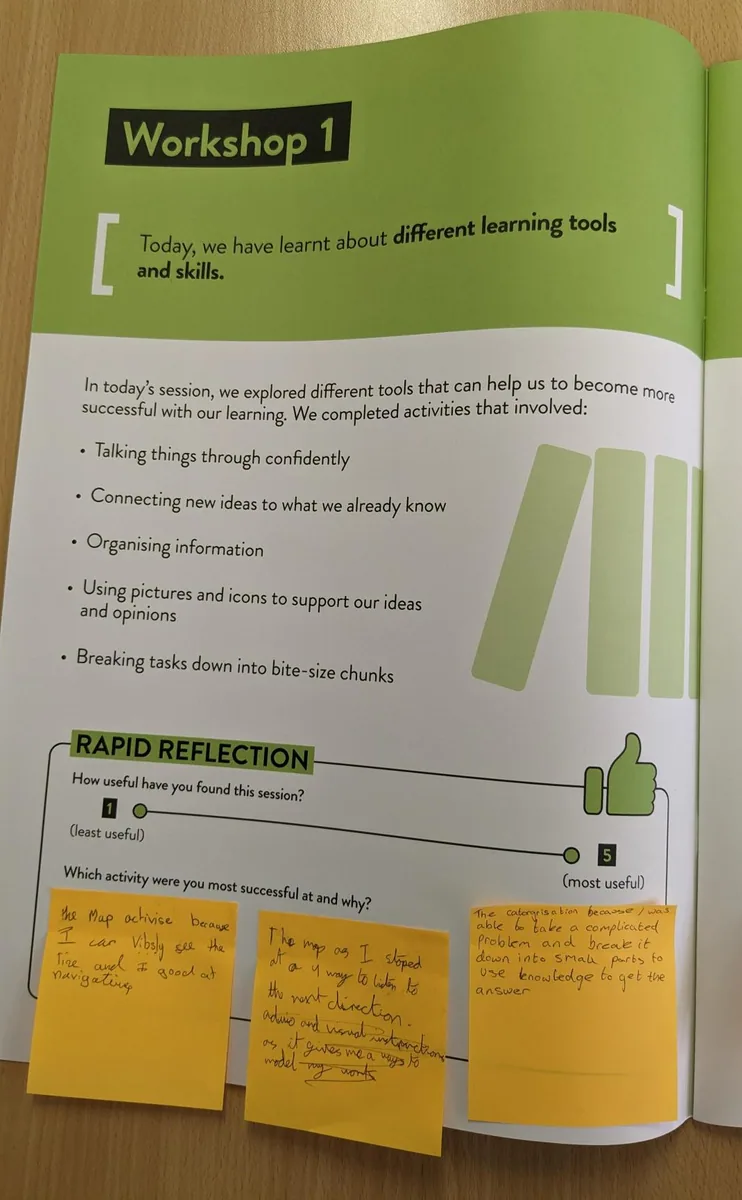
A Make It Count journal open at the Workshop 1 page, with three handwritten sticky notes from learners answering which activity they were most successful at and why.
A journal after workshop one. The sticky notes are three learners’ own reflections.

Make It Count · University of East Anglia · 2024/25

One Year 7 research project on how we learn.

We could all do with understanding a bit more about how we learn. Make It Count, the university’s outreach programme for Year 7, asks learners to work it out for themselves: over eight workshops they try talk tactics, graphic organisers and the blocks, keep a journal of what works for them, and give a speech to the group at the end. In 2024/25 it ran with 25 learners in four schools.

The university’s evaluation team surveyed them before and after. Across the “I can” statements, agreement rose 30 points, from 52% to 83%, a statistically significant change. Three of the statements:

  • I can break down a task into bite size chunks39% to 91%
  • I can talk about my ideas in a speech in front of an audience26% to 70%
  • I can talk about my ideas in small groups52% to 83%

Their teachers saw “more confidence in the participants, that they are more articulate and have more pride in what they are able to achieve”, learners “asking more questions in lessons”, and four of them using the organisers on their own in science and geography.
The next step

Curious? Let’s talk about your school or trust.

Twenty minutes on a Google Meet. Tell me what your school is working on this year and I will tell you what a session would look like, and say so if I think you do not need one. Every request comes to me, and I reply to each one myself.

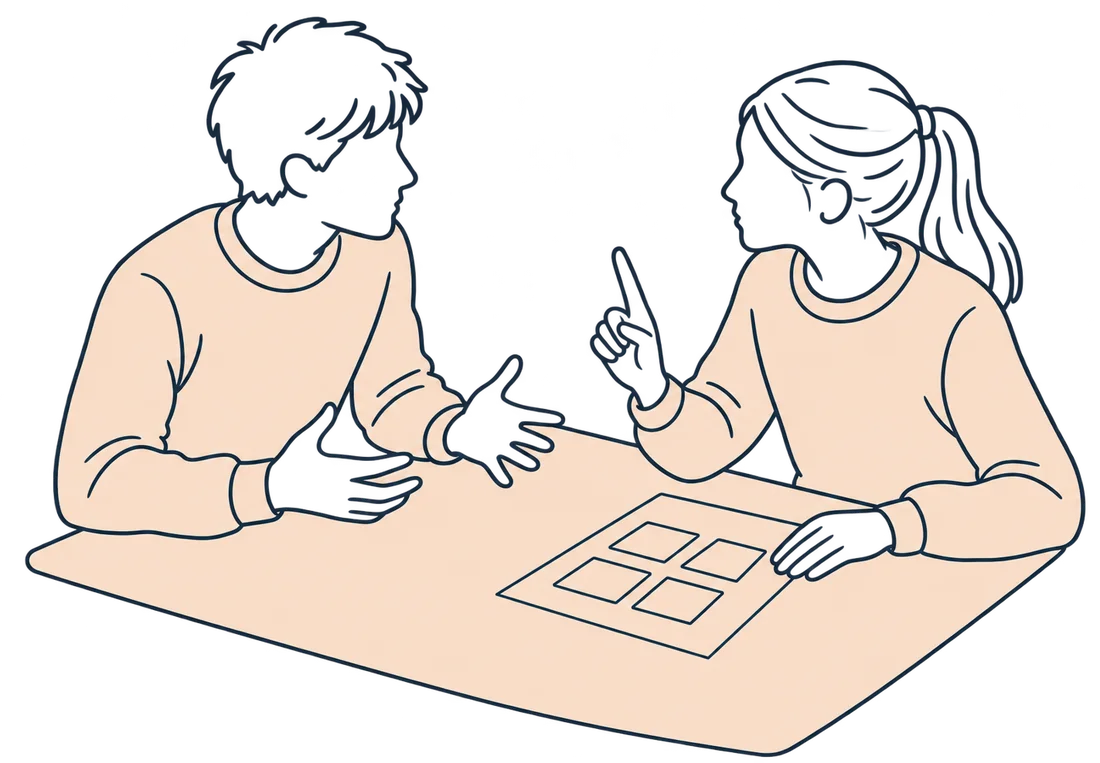
A line drawing of two older learners across the corner of a table, one arguing with open hands, the other raising a finger to counter, four cards on the sheet between them

Request a conversation

Three quick questions. I reply by email with a time, or with a better next step if a call is not the one.

Request a conversation
or

Email me directly
paul@structural-learning.com