Sentences
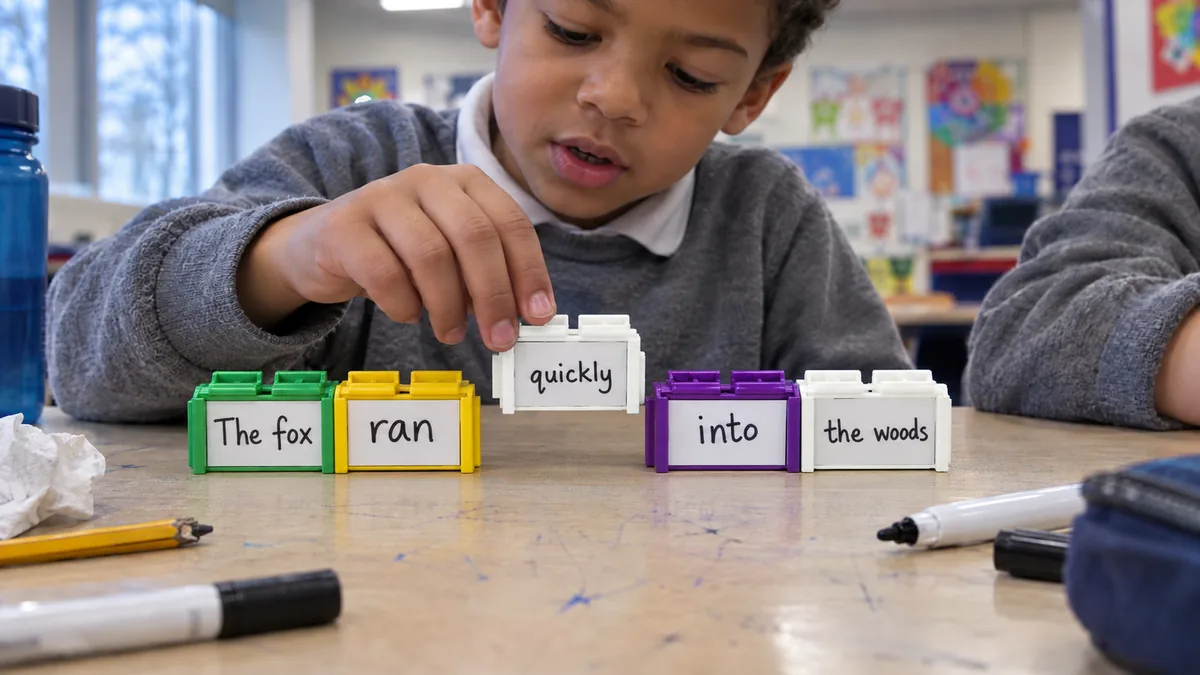
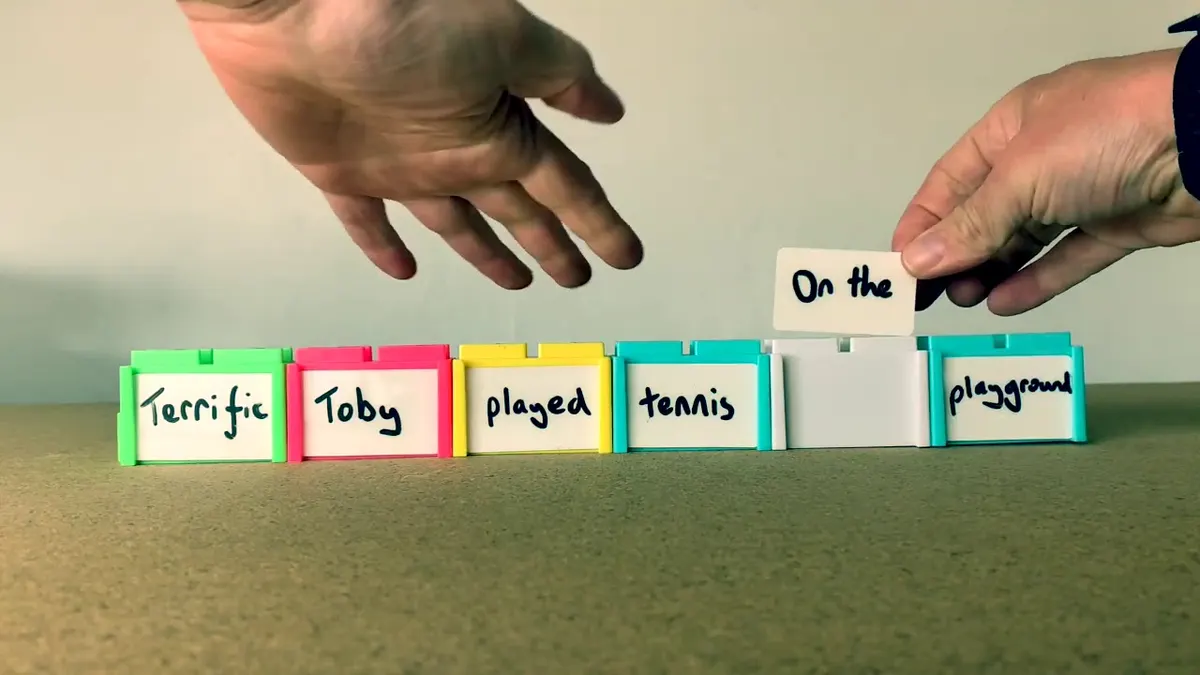
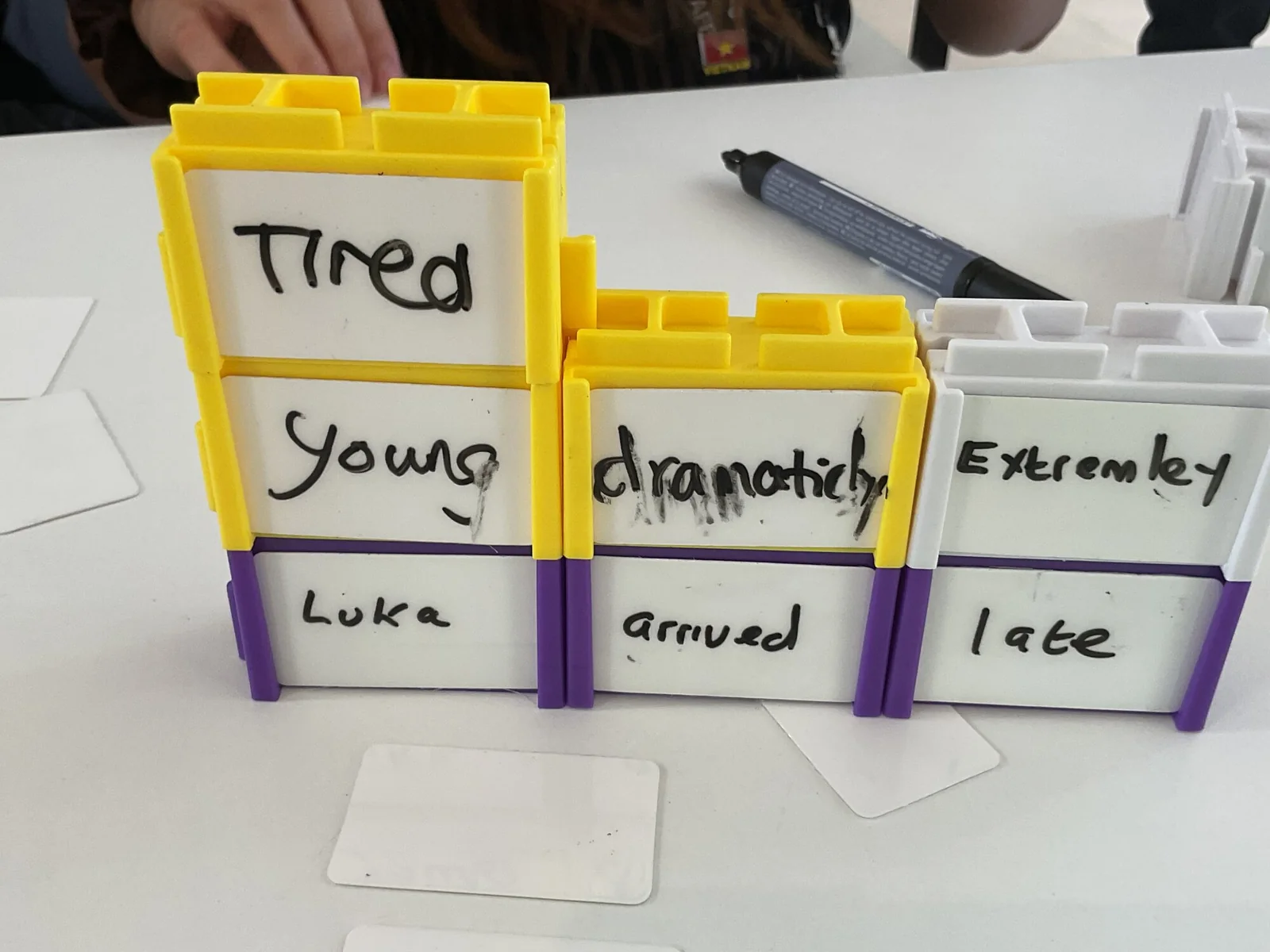
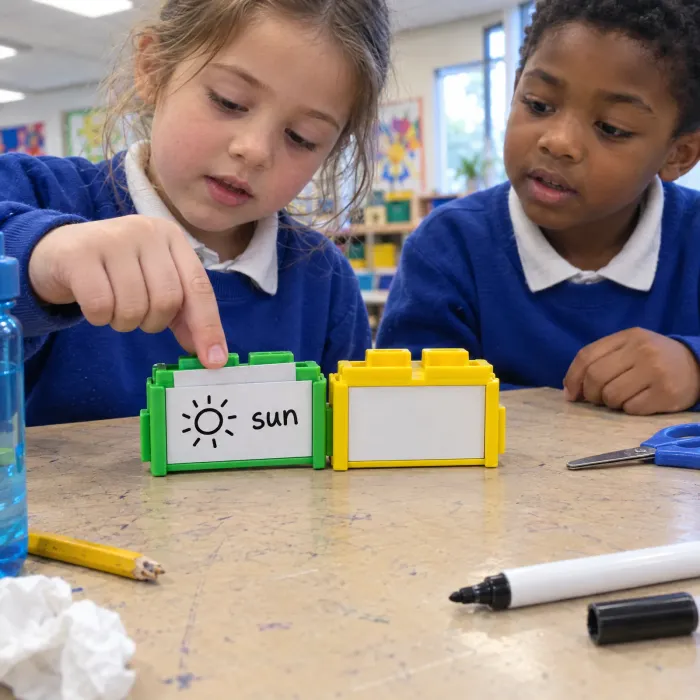
One word on each block. Move a word, say the sentence, hear the change.

Writer’s Block
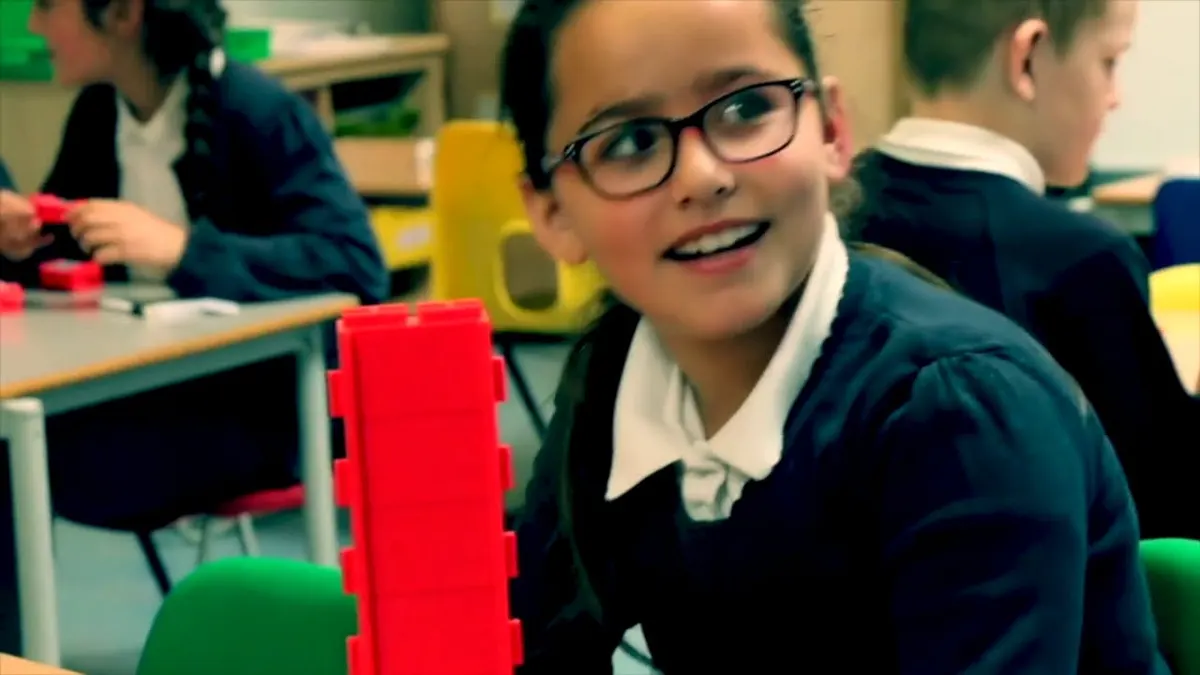
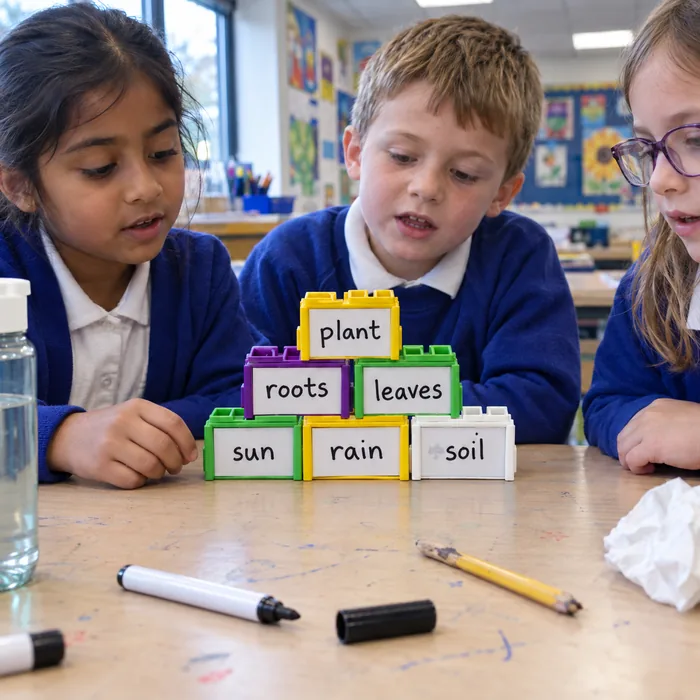
Writer’s Block is a physical scaffold for thinking. Learners build words, sentences and ideas, move them, and say them aloud before they write.
One kit for up to 15 learners, so most classes use two. No subscription needed.
Three things you can build
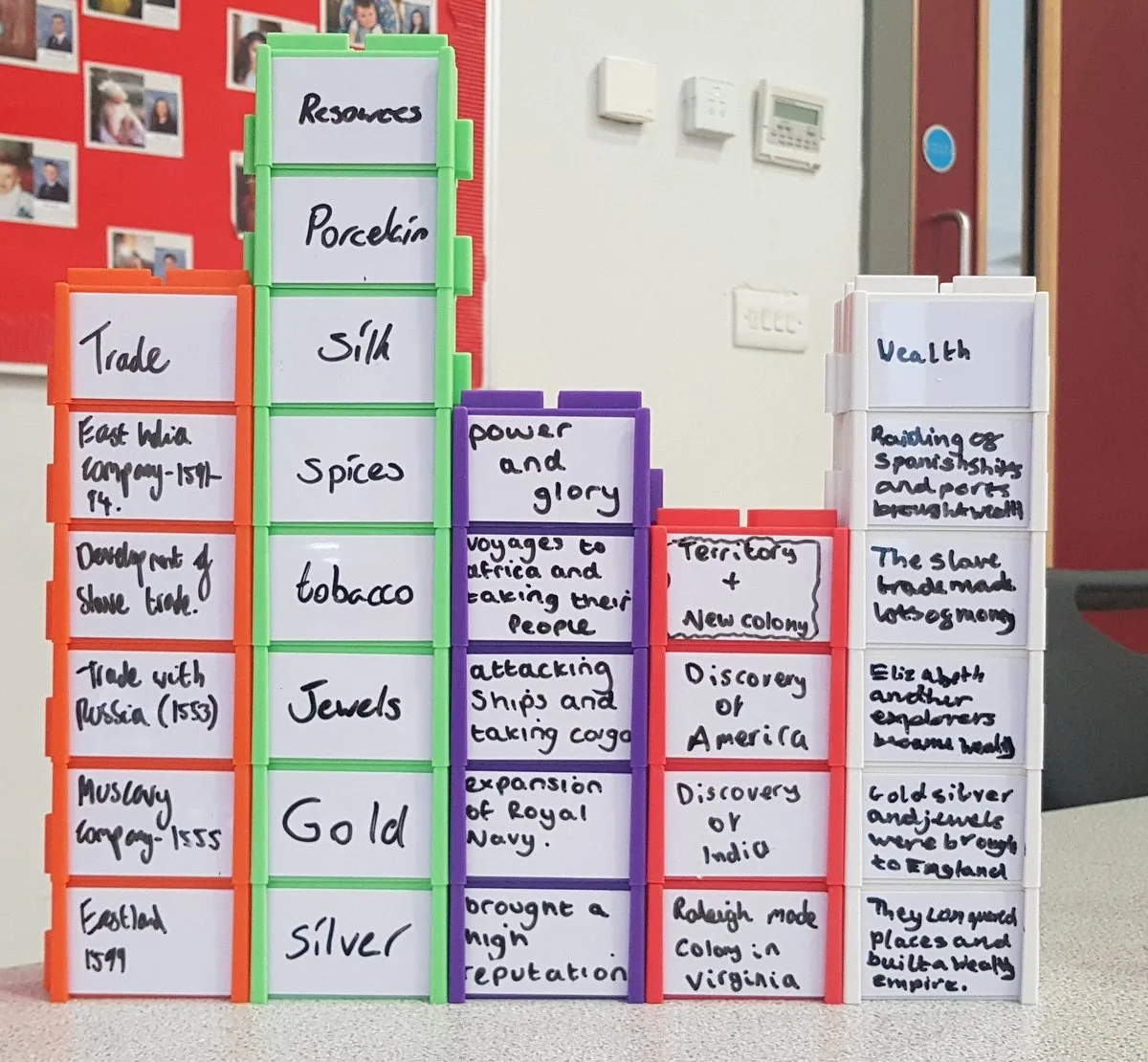
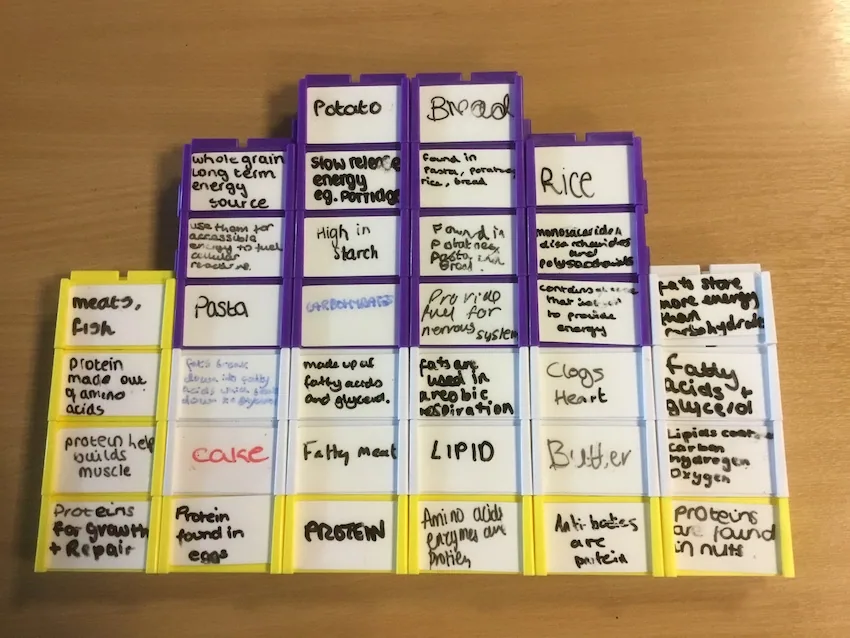
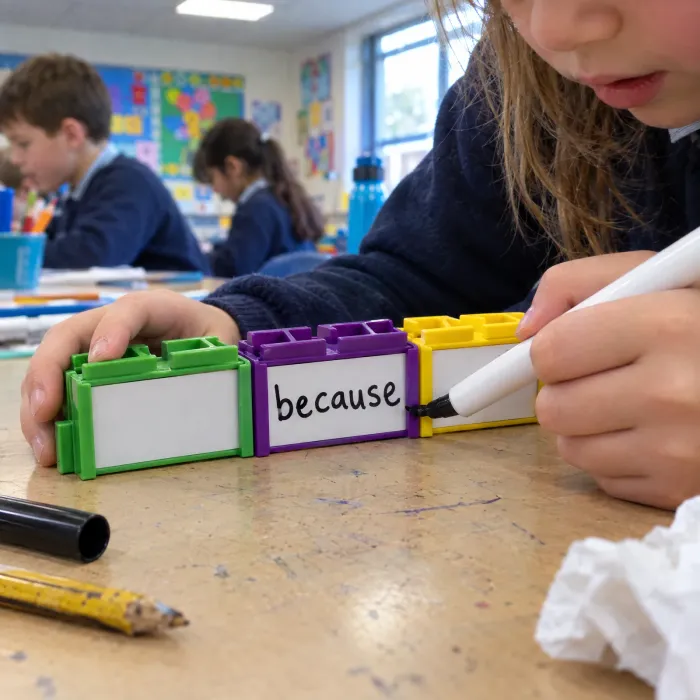
Write on the blocks, put them together, then change them before anyone writes on paper.
One word on each block. Move a word, say the sentence, hear the change.
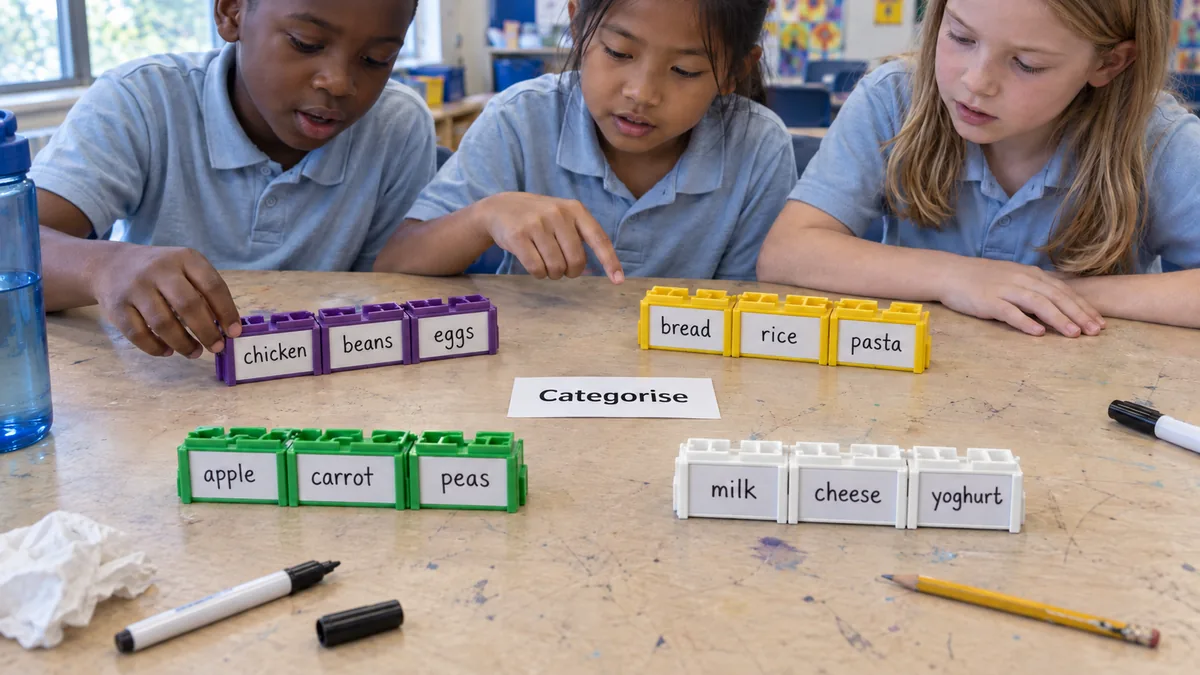
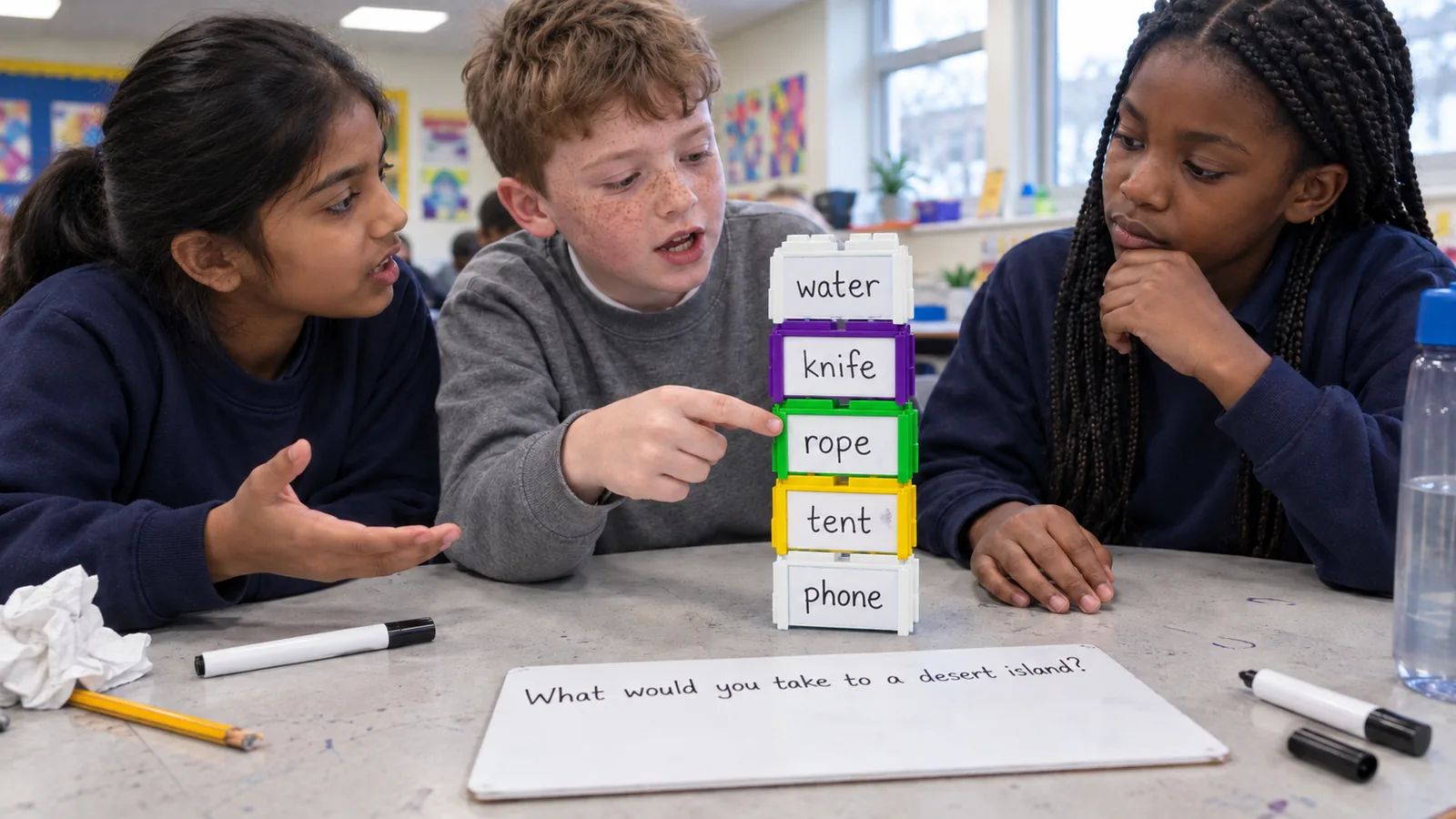
Sort ideas into groups, then say what each group has in common.
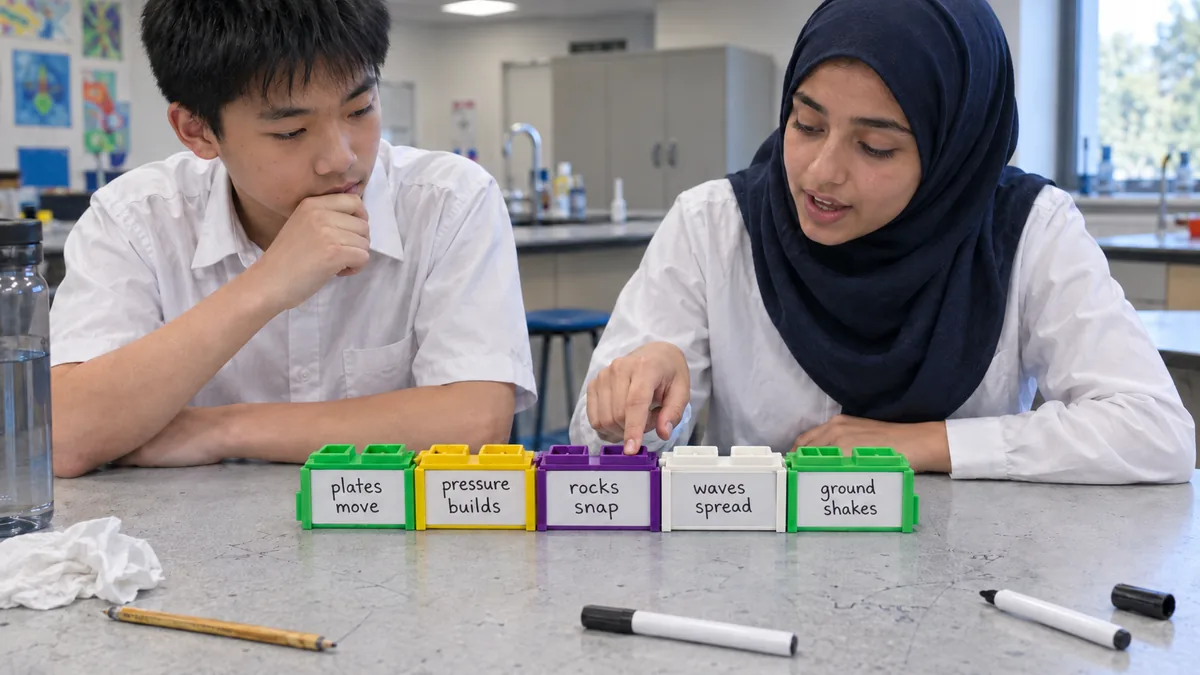
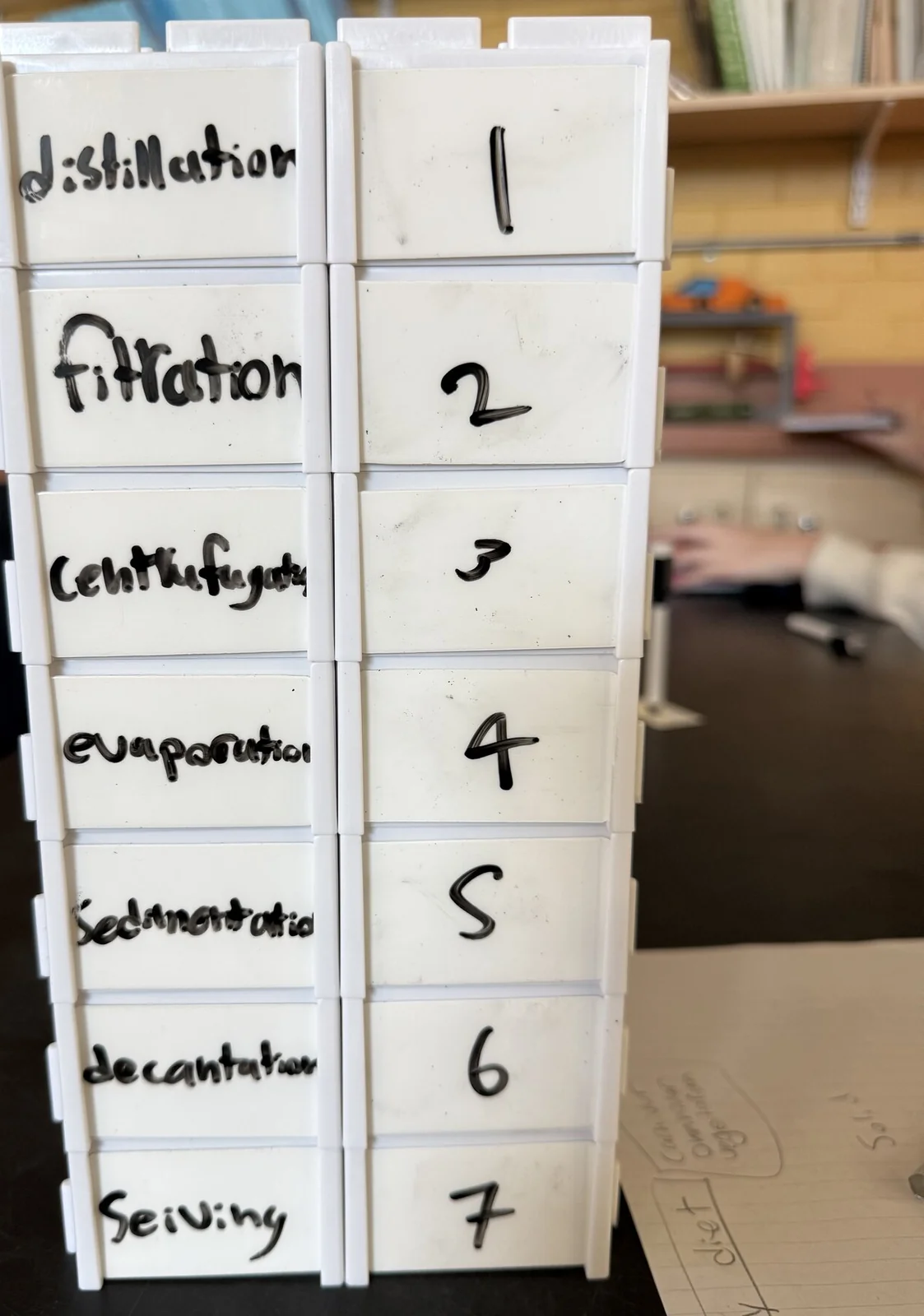
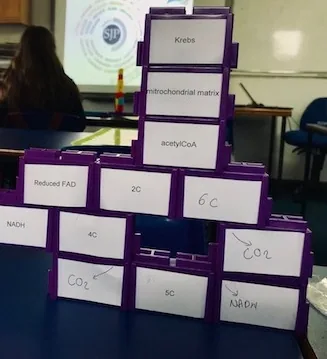
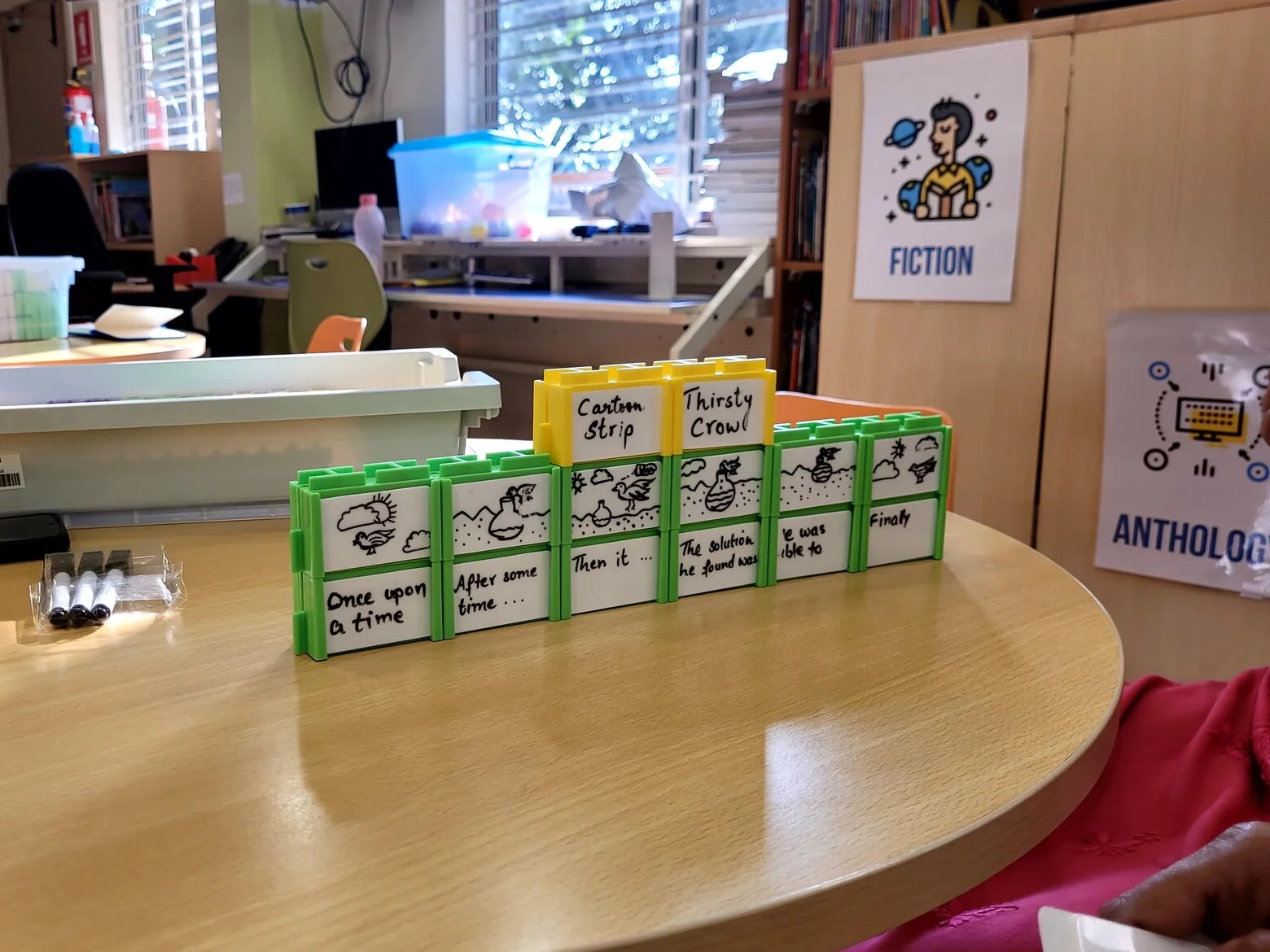
One step on each block. Put them in order and explain each link.
How to use it in a lesson
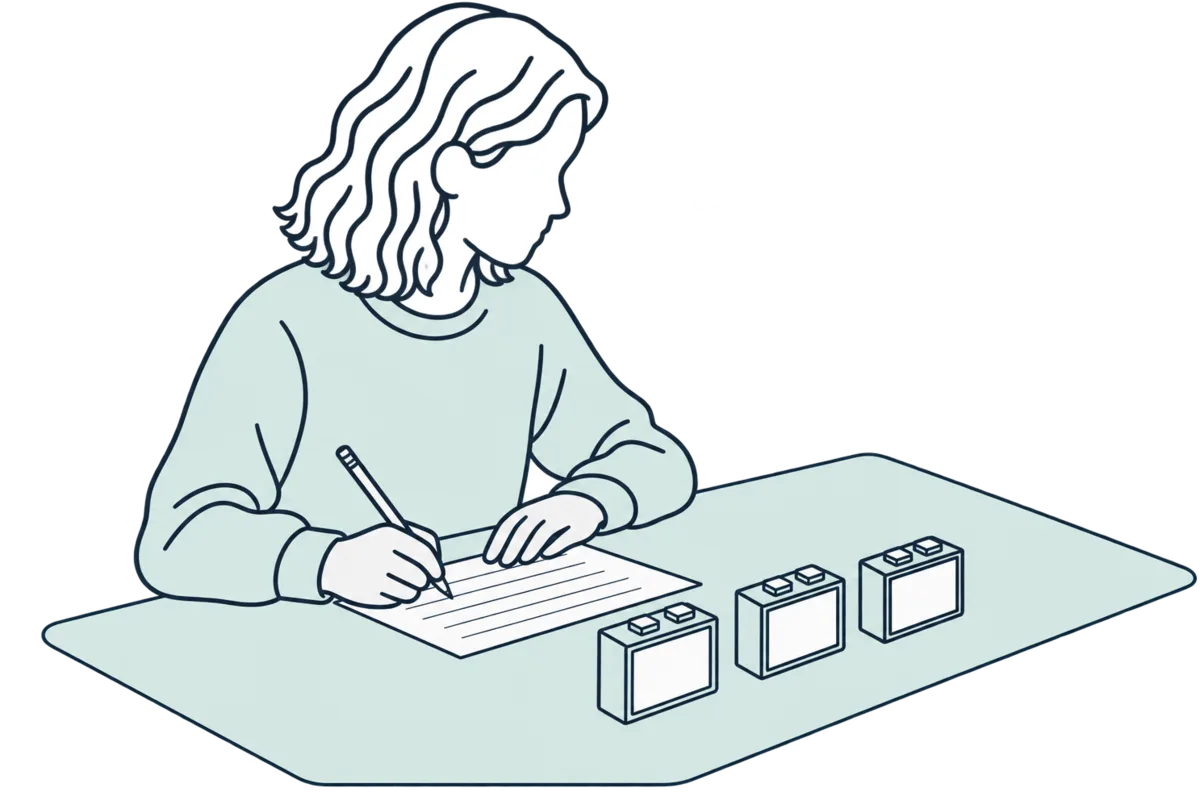
See it in real classrooms
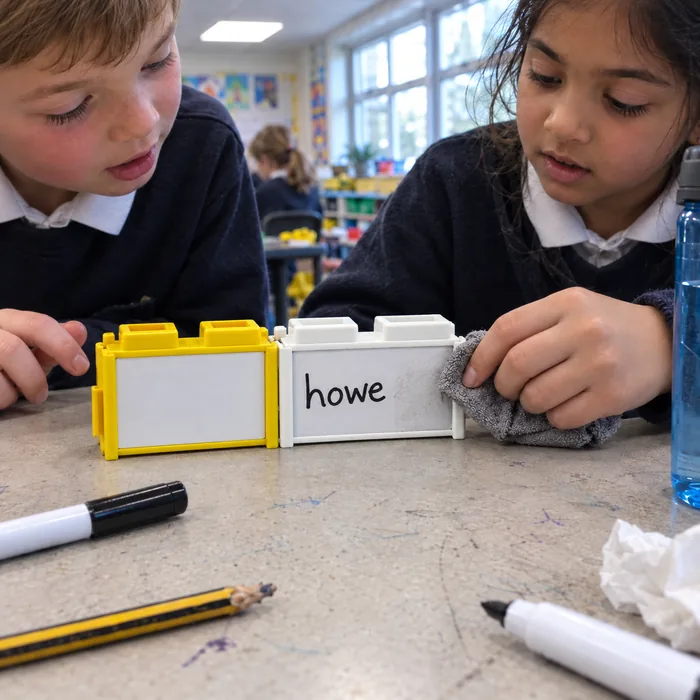
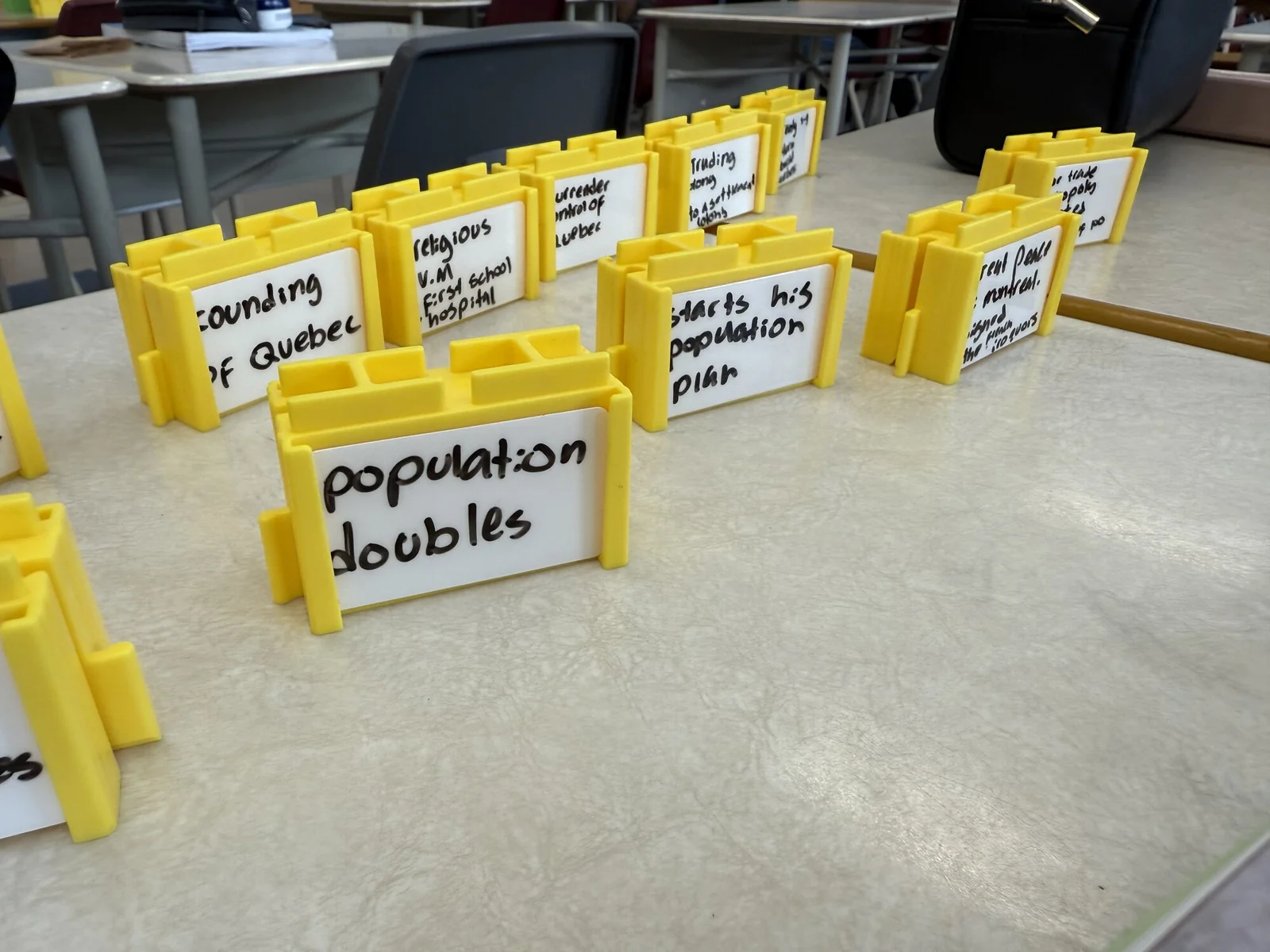
Real lessons, with the sound on. The blocks are on the desk and the learners do the talking.
Two levels
The same blocks work at two sizes. Build the shape of a whole answer, one block per step. Or build one sentence, one block per part.
The idea
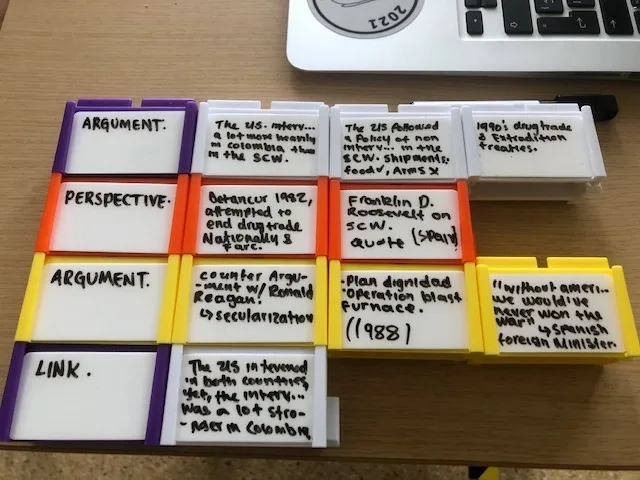
The sentence
Every age, every subject
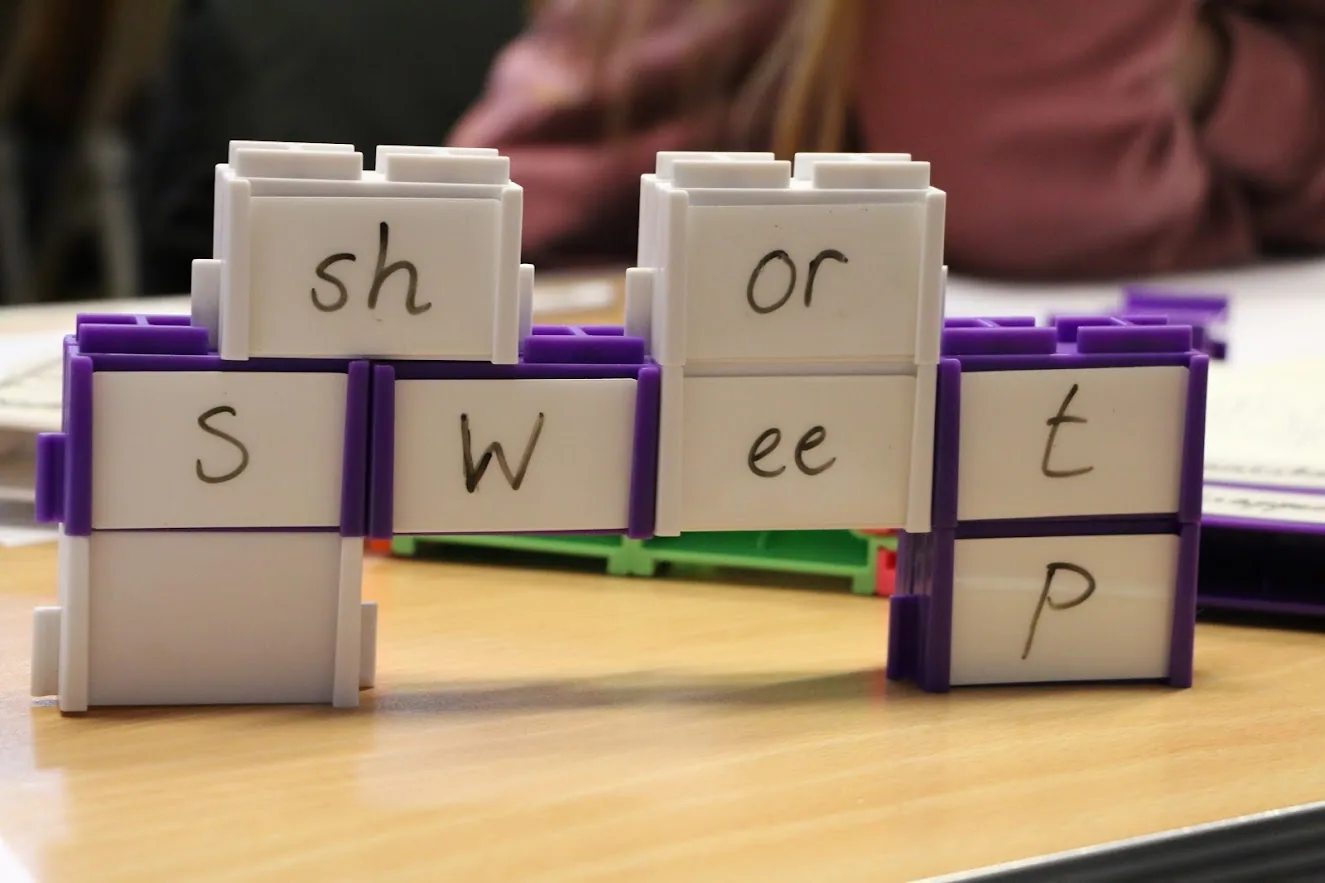
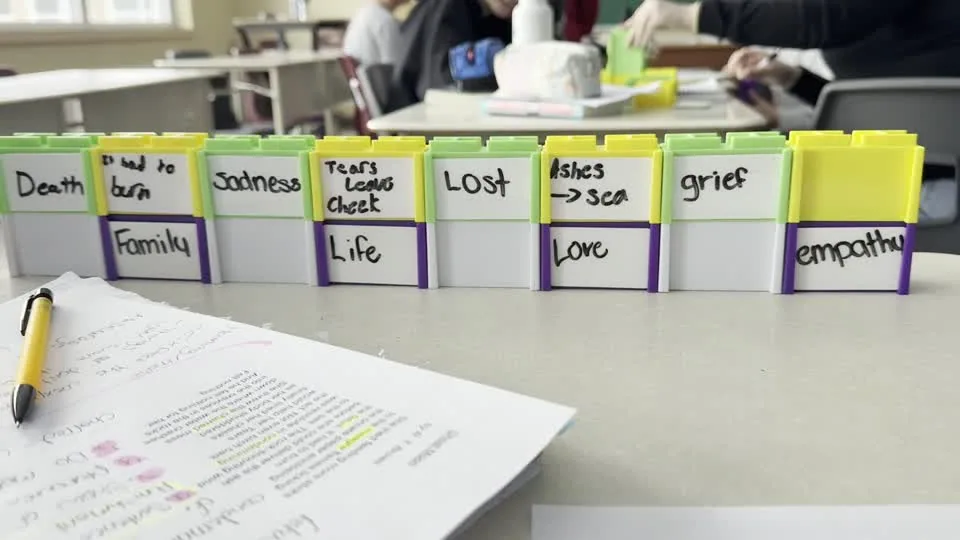
The blocks hold whatever you write on them, so the thinking sets the age, not the plastic. These are real classrooms.
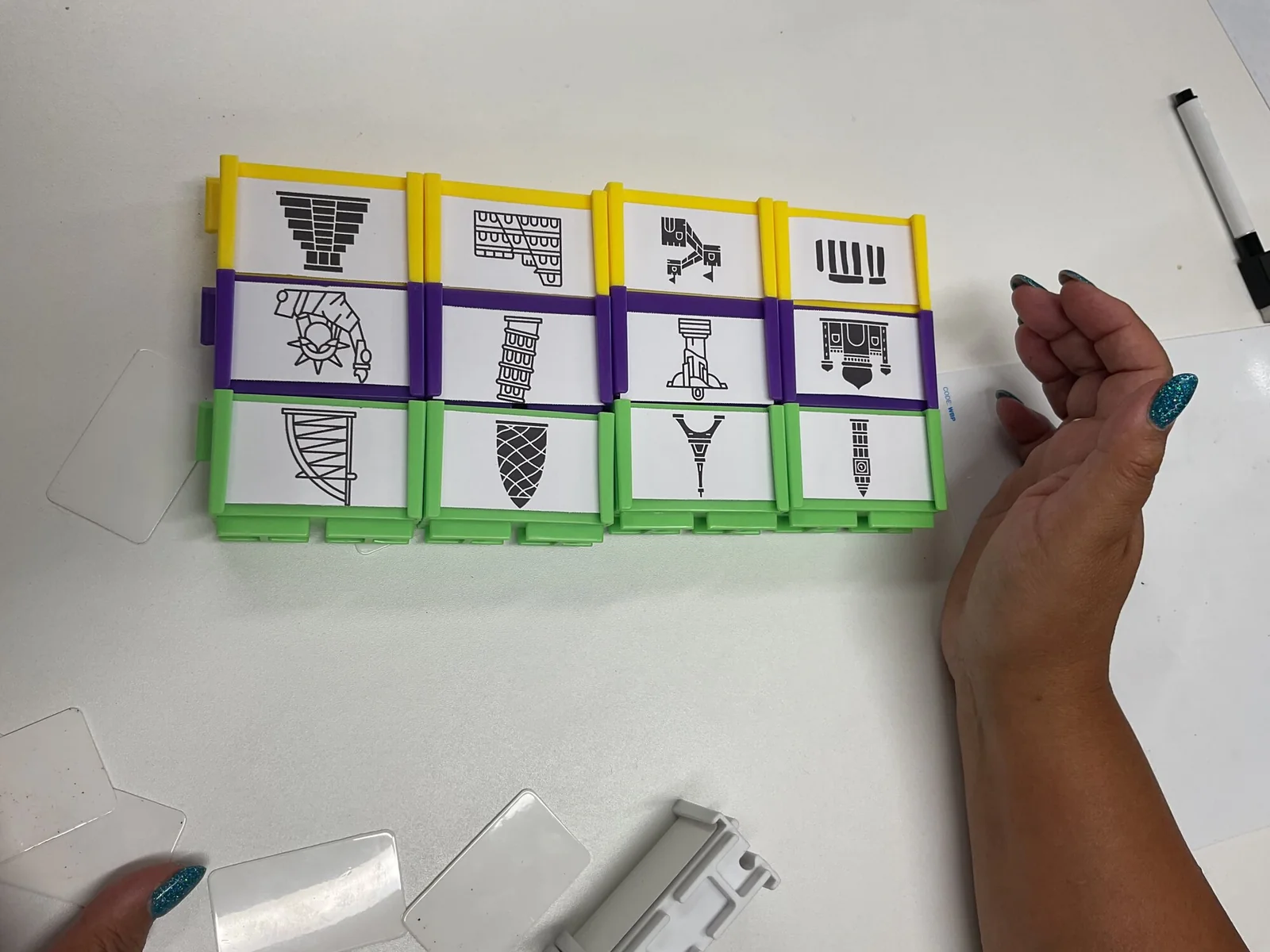
Sounds, pictures and short words on the blocks.
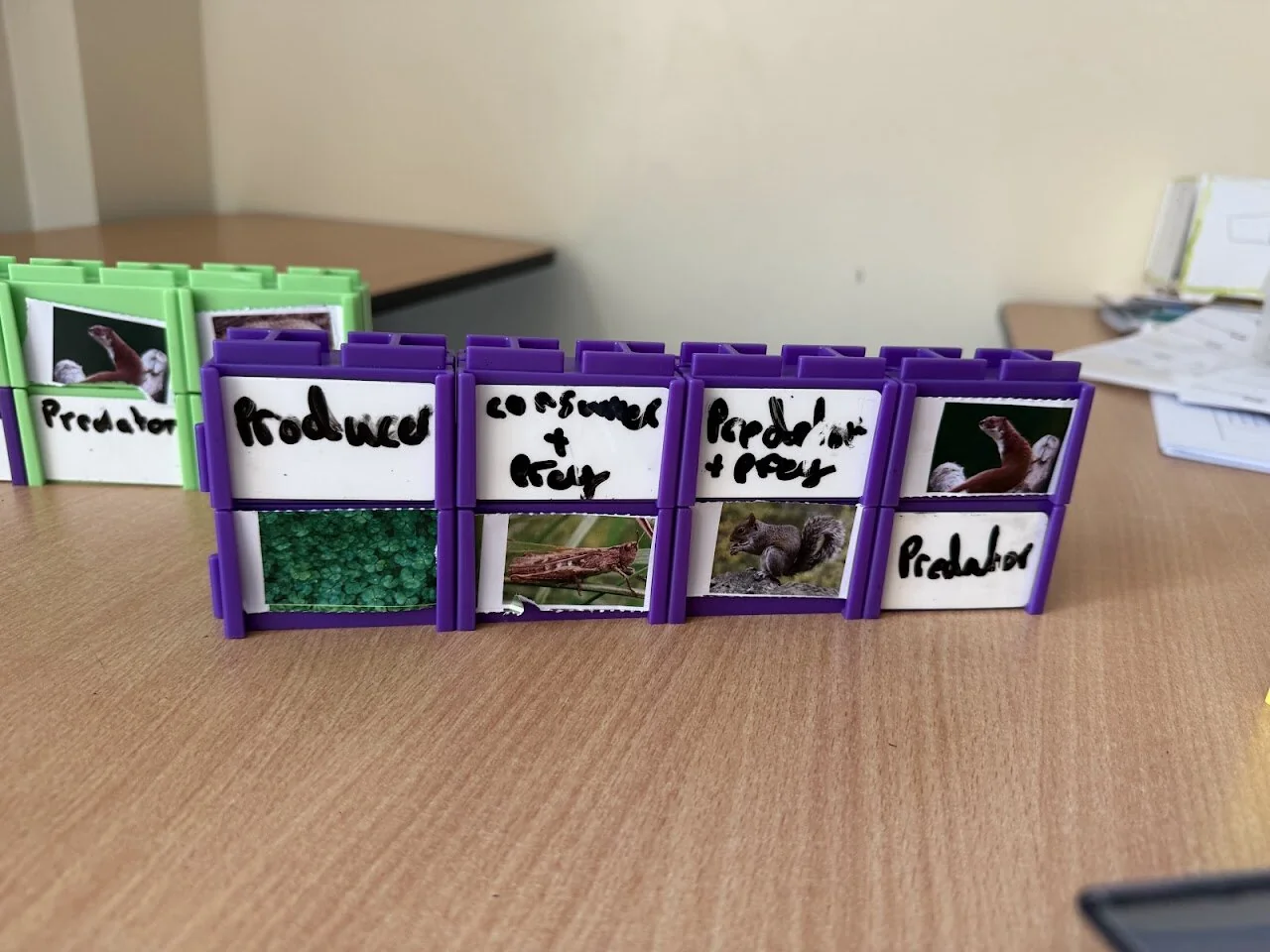
Themes, arguments and whole processes, up to age 18.
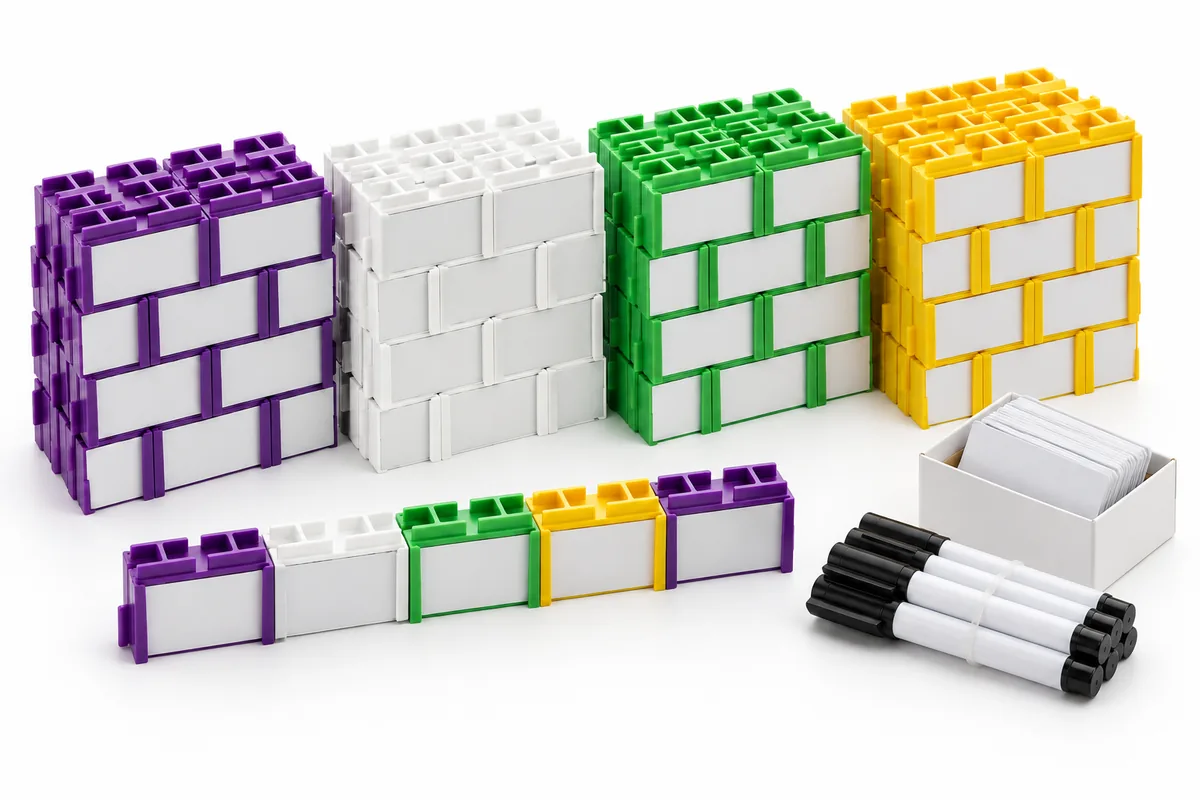
What is in a kit
Most classes use two kits (£420). A class of 30 may want three. Learners build in small groups, and kits move easily between classrooms, so a school can share them.
Buy
One kit is enough for up to 15 learners building at once, so most classes use two. Buying for a year group or the whole school costs less per learner. Choose an option to see its price and share it with your school.
Kits move between classes, so many schools share one set across year groups.
Suggested for 1 kit: 1 kit, £210 + £9 delivery = £219.
An estimate, with UK delivery at £9 per kit.
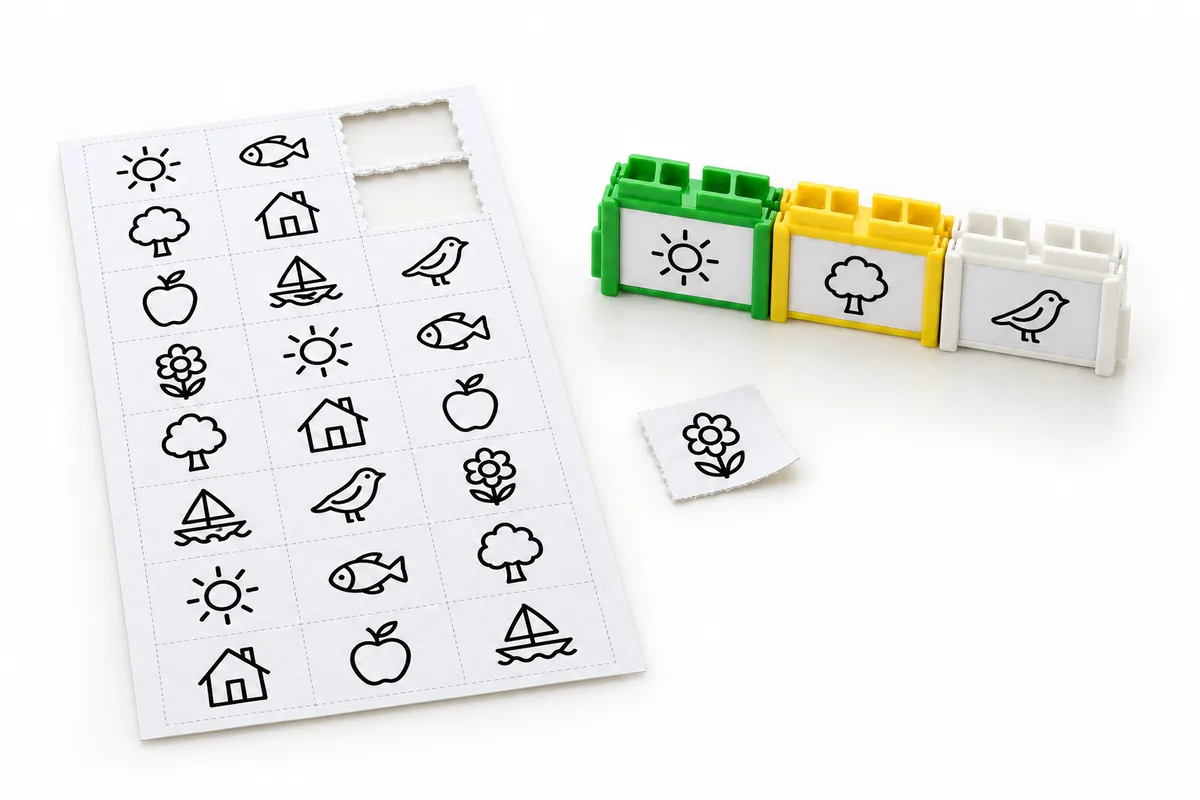
Print words or pictures, tear off the cards and slot them into the blocks.
Ask for the free Word templateWe email it to you, free, with or without an order.Enter the school details and we will email an invoice for your finance team to pay by bank transfer.
We will email the invoice to you.
Not the one who pays? Send this page to your bursar or business manager. The prices and both ways to pay are all here. No VAT to add.
Does it help writing?
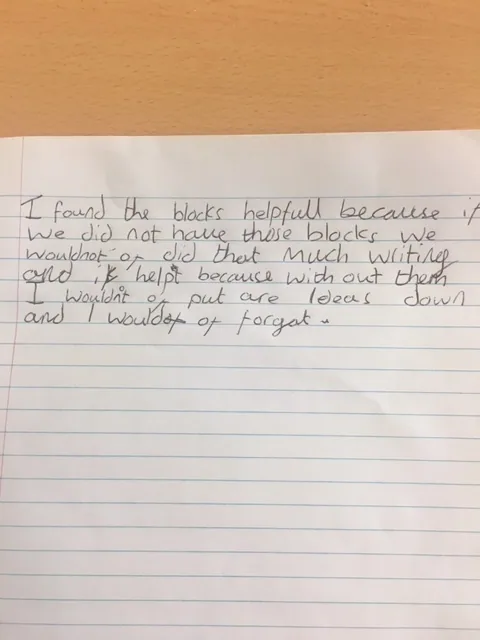
When the structure is on the desk, learners can see what they are about to write and fix it before they write it. Teachers tell us the writing gets longer and better organised.
Karen Sivyer reported that 26 of 27 learners improved over 12 weeks. She saw gains in writing, punctuation, fluency and interest in reading and writing.
Karen Sivyer, primary teacher. Cambridge Hub impact study.
“The blocks are really clever, simple, and effective. Two of the biggest and most important skills are communication and collaboration, both of which are developed and encouraged by using the blocks.”
Professor Anne Bamford OBE, Strategic Director for Education, Culture and Skills, City of London. Cambridge Hub impact study.
“For the children, the fact that they are building and not writing is beneficial.”
Karen Sivyer, primary teacher, Year 4 research project, 12 weeks.
“Students were clearly able to coherently organize their thought processes by interacting with the physicality of these blocks.”
Dr Steve Connolly, Department of Education, University of Bedfordshire (one-term English case study).
“Connecting ideas with the blocks provides a bridge between their understanding, reading and writing and fills in the gap.”
Alison Samuel, primary teacher (four weeks’ use).
These are teachers’ reports and researchers’ views, not a trial. We have no controlled study of the blocks and writing yet, and we say so.
Training
A hands-on staff session on the blocks, on its own or as one of four in a training programme.
A training programme
Each focus stands on its own, so a school can start with the one it needs. Together they make a whole-school programme for primary and secondary, so you can add the others when you are ready.
The Thinking FrameworkThe Thinking Framework
A shared language for thinking, for every teacher in the room.
This focus
Map ItMap It
Graphic organisers that make learners' thinking visible on the page.
This focus
Say ItSay It
Oracy: talk routines that give every learner a voice.
This focus
Build ItBuild It
Learners build sentences and ideas with Writer's Block, then write them.
This focus
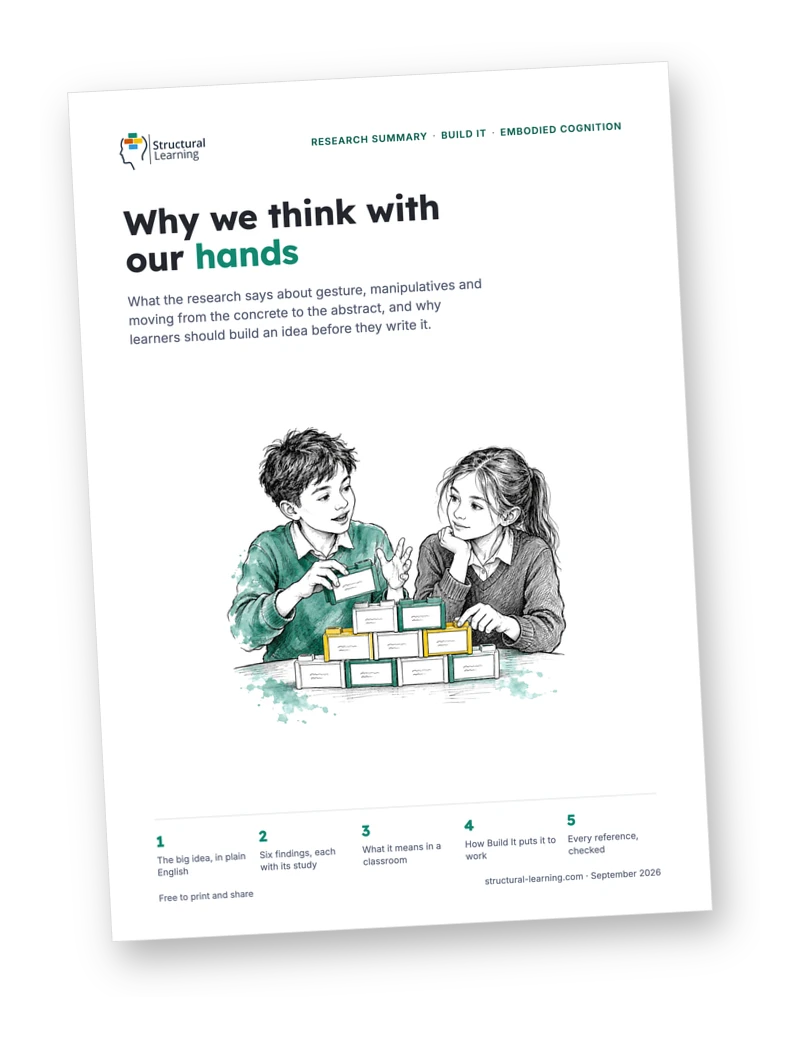 Research summary, PDFWhy we think with our handsSix findings on gesture and hands-on learning, each with its study. Free to download.