Type A and Type B Personality TheoryGCSE students aged 15-16 in green cardigans, demonstrating Type A and B personalities through individual tasks at desks.

Updated on  

January 15, 2026

Type A and Type B Personality Theory

|

February 13, 2024

Dive into the distinctions of Type A and Type B personalities and their influence on behavior and stress management.

Course Enquiry
Copy citation

Main, P. (2024, February 13). Type A and Type B Personality Theory. Retrieved from www.structural-learning.com/post/type-a-and-type-b-personality-theory

What is the Type A and Type B Personality Theory?

Type A and Type B personality theory presents a compelling lens through which to view human behaviors, particularly how they correlate with stress-related health issues and cardiovascular health. Coined in the 1950s, this theory has since been a focal point in Health Psychology, helping us understand how personality types could potentially influence one’s risk for coronary heart disease.

Key Takeaways

  1. Beyond the A-Type Achiever: Why your high-achieving pupils might be heading for burnout, and how to spot the warning signs before it's too late
  2. The Hidden Health Risk: How personality patterns in your classroom today predict cardiovascular problems tomorrow: what teachers need to know about stress responses
  3. Reframing Competitive Behaviour: Why that pushy pupil isn't just difficult: understanding Type A patterns transforms how you manage classroom dynamics and peer relationships
  4. The B-Type Advantage: How recognising and nurturing Type B traits creates resilient learners who outperform their stressed peers in the long run

Those identified as Type A exhibit a behavior pattern characterized by high drive, competitiveness, and a sense of urgency, which may contribute to elevated blood pressure and other negative health effects. In contrast, individuals with Type B personality behavior are often described as relaxed, patient, and less prone to stress-induced health problems.

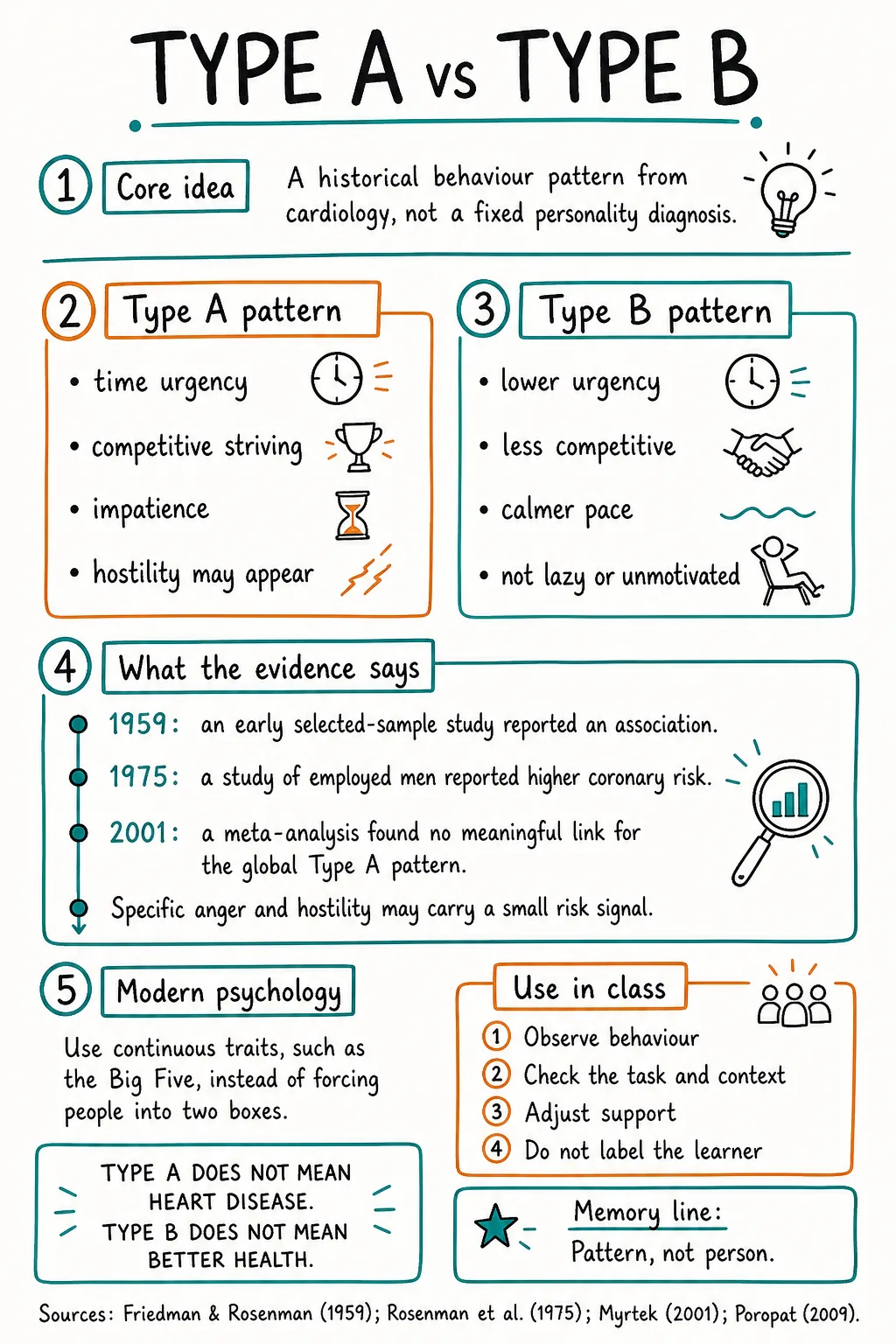
Comparison chart showing Type A vs Type B personality traits and their health impacts
Side-by-side comparison chart: Type A vs Type B Personality Characteristics and Health Outcomes

Extensive studies, including the original study by cardiologists Friedman and Rosenman and later cohort studies, have delved into these patterns of behavior, suggesting that people with Type A tendencies might have a higher propensity for developing cardiovascular disease. While the direct causation remains a subject of debate, the association between Type A behaviors and health outcomes is a pivotal discussion point for educators. Understanding these personality frameworks can be crucial, as the school environment often mirrors the high-pressure scenarios where Type A patterns emerge.

Type A vs Type B personality comparison showing behavioral traits and health impacts
Type A vs Type B Personality

As we prepare to dig deeper into Type A and Type B personality theory, it is essential that we grasp the implications that these patterns might hold for young people. Recognizing these traits early could be key in mitigating long-term health risks and fostering environments that promote healthy stress management.

Our forthcoming discussion will not only explore the efficacy of these personality types further but also provide actionable insights into nurturing well-rounded, health-conscious individuals.

When Was Type A and Type B Personality Theory Developed?

Type A and Type B personality theory was developed in the 1950s by cardiologists Meyer Friedman and Ray Rosenman. They created this framework while studying the relationship between personality patterns and heart disease in their patients. The theory emerged from their observation that certain behavioral patterns seemed to correlate with increased cardiovascular problems.

The Type A and Type B personality theory has evolved significantly since its inception, guided by the hands of various researchers seeking to understand the intricate relationship between personality types, stress, and health. This chronological list offers a glimpse into the historical milestones and the key contributors who have shaped our understanding of how these personality dimensions relate to the risk of coronary diseases and their influence on our personal lives.

Let's trace the development of this fascinating psychological theory from its origins to the most recent advances in the field.

1. 1950s, Meyer Friedman and R.H. Rosenman: The inception of Type A and Type B theory traces back to the 1950s when cardiologists Meyer Friedman and Ray H. Rosenman first identified certain behaviors and emotional reactions as a potential risk factor for coronary diseases. They noticed that people with Type A behaviors, characterized by impatience and aggression, were more prone to heart problems compared to the more relaxed Type B individuals.

2. 1970s, The Western Collaborative Group Study: In the late 1960s, with results published in the 1970s, this pivotal study followed over 3,000 healthy men aged 39-59 for eight and a half years, concluding that Type A behaviors were indeed a significant predictor for coronary heart disease, independent of other factors like smoking.

3. 1980s, Further Research and Criticism: As the theory gained traction, the 1980s saw an influx of studies examining the link between Type A behavior and heart disease. During this period, skepticism arose with researchers arguing that specific components of Type A behavior, such as hostility, were actual risk factors, rather than the broad Type A pattern itself.

4. 1990s, Refinement of the Theory: Researchers began to fine-tune the theory, distinguishing between harmful and benign elements of Type A behavior. It was acknowledged that not all Type A traits were detrimental, leading to a more nuanced understanding of how these traits interacted with personal lives and stress management.

5. 2000s, Broader Perspectives: The focus shifted to how both Type A and Type B people manage stress and the implications for health. Studies began to incorporate a broader range of psychological and social factors, considering the impact of personality on a wider array of illnesses beyond coronary diseases.

6. 2010s and Beyond, Integrative Approaches: The most current theories on Type A and Type B consider a more holistic view of health, suggesting that personality must be viewed in context with other lifestyle factors and stressors that affect individuals in their personal lives. The research community continues to explore how these personality types operate in tandem with other risk factors to influence overall well-being.

Meyer Friedman A B Theory

What Are the Main Characteristics of Type A Personality?

Type A personality is characterized by high competitiveness, time urgency, achievement orientation, and aggressive behavior. These individuals typically display impatience, hostility when challenged, and a constant sense of rushing. They often multitask, interrupt others, and measure success through quantifiable achievements.

Type A personality is often associated with competitive, ambitious, and time-conscious individuals who thrive on achievement and success. These individuals are often high-achievers, self-motivated, and driven to accomplish their goals. However, along with these positive traits, type A personalities are also known for being impatient, easily irritated, and prone to experiencing high levels of stress and anxiety.

This combination of traits can also lead them to be more susceptible to health issues such as heart disease and high blood pressure. Understanding the characteristics of type A personality can help individuals manage their stress levels and avoid burnout, while also allowing them to leverage their natural drive and ambition to achieve success in a healthy and sustainable way.

Below are the potential characteristics attributed to Type A personalities, as posited by this theoretical approach.

  • Highly competitive and achievement-oriented
  • Constantly striving for goals without feeling a sense of joy in their accomplishments
  • Impatient and often irritated, especially when delayed or not in control
  • Aggressive behavior and tend to dominate social situations
  • Always on the move and involved in multiple tasks, often in a hurry
  • Excessive commitment to work and work-related activities, even at the expense of personal relationships
  • High levels of stress and difficulty relaxing, leading to high-stress levels
  • Tendency to take on too much, overcommit, and have a hard time delegating or sharing responsibilities
  • Strong sense of time urgency, always watching the clock and obsessing over time efficiency
  • Prone to hostility and anger, which can manifest in raised voice, rudeness, or being quickly provoked by minor frustrations
Type A and B Personality Theory

High levels of stress

High levels of stress can have a significant impact on both physical and mental health. Physically, stress can manifest as headaches, fatigue, muscle tension, and gastrointestinal issues. Mentally, it can lead to anxiety, irritability, and difficulty concentrating. Long-term exposure to stress can also increase the risk of developing chronic conditions such as hypertension, heart disease, and depression.

To effectively manage stress, individuals can employ coping mechanisms and strategies. Regular exercise has been shown to reduce stress levels and improve overall well-being. Relaxation techniques such as deep breathing, meditation, and yoga can also help alleviate stress. Additionally, seeking professional help through therapy or counseling can provide valuable support and guidance in managing stress.

It is important for individuals to recognize the symptoms of stress and prioritize their mental and physical health. By implementing stress management techniques and seeking appropriate support, individuals can effectively reduce the negative impact of stress on their overall well-being.


Sense of urgency

Creating a sense of urgency in the workplace is vital for driving productivity and achieving goals. When employees feel a heightened sense of urgency, they are more motivated to take swift action and work efficiently to meet deadlines and targets. This results in better productivity, improved performance, and ultimately, the achievement of organizational goals.

Successful strategies for instilling a sense of urgency within a team or organization include clearly communicating deadlines and expectations, setting challenging but achievable goals, and providing regular feedback and support. Utilizing recognition and rewards for meeting or surpassing targets can also increase motivation and urgency. Additionally, creating a culture of accountability and transparency can instill a strong sense of urgency among team members to deliver results.

Research on motivation and performance consistently shows that a sense of urgency can significantly impact individual and team productivity. By leveraging strategies that tap into this urgency, organizations can drive performance and ultimately achieve their desired outcomes. Therefore, creating a culture of urgency should be a key workplace strategy for organizations aiming to maximize their productivity and goal achievement.

Competitive nature

Competitiveness can be demonstrated in various ways such as through sports, academic achievements, career success, and gaming competitions. In sports, individuals showcase their competitive nature through their desire to win and outperform their opponents. Similarly, in academic settings, students strive to achieve top grades and excel in their studies to prove their intellectual abilities.

In the professional world, individuals are driven by their competitive nature to climb the career ladder and achieve success in their chosen field. In gaming competitions, players demonstrate their competitive spirit by aiming to be the best and defeat their adversaries.

Competitiveness can drive individuals to excel and achieve their goals. It can push them to work harder, be more disciplined, and continuously strive for improvement. However, being overly competitive can also have negative consequences. It can lead to excessive stress, burnout, and strained relationships with others. It may also result in unethical behavior or the disregard for fair play in order to win at all costs. It's important for individuals to find a healthy balance between their competitive drive and maintaining positive relationships and mental well-being.

What Are the Main Characteristics of Type B Personality?

Type B personality is characterized by a relaxed, patient, and creative approach to life. These individuals typically work steadily without feeling rushed, enjoy achievements but don't define themselves by them, and are generally more reflective. They tend to be better at managing stress and maintaining work-life balance.

Type B personalities are often described as laid-back, easygoing, and relaxed individuals who are not easily agitated by stressors. Unlike their Type A counterparts, Type Bs are more tolerant of the unexpected and take a more flexible approach to life.

They tend to have a more balanced perspective and do not feel the need to constantly compete or be in a hurry. Instead, they value relationships, creativity, and enjoying the present moment. Type Bs are generally more patient, creative, and empathetic, which allows them to handle stressful situations with a more calm and steady demeanor. Due to their relaxed nature, they may be perceived as procrastinators, but in reality, they simply prioritize their well-being and the quality of their work over the need for constant achievement and success. 

Here's a list that encapsulates the potential characteristics of a Type B individual within this theoretical framework.

  • Generally more relaxed and easy-going
  • Less driven by competitiveness and does not suffer from the sense of urgency that Type A individuals do
  • Typically works steadily, enjoying achievements but not becoming stressed when goals are not met
  • Often more reflective and creative, thinking outside the box
  • Tends to be more patient and can handle delays or frustrations without excessive stress
  • Displays a lower level of aggression and hostility, maintaining a calm demeanor
  • More likely to take a balanced approach to life, placing equal importance on work and personal time
  • Exhibits flexibility and adaptability, managing unexpected challenges with composure
  • Enjoys the journey of life, not solely fixated on the destination or specific achievements
  • Handles stress without becoming anxious and does not let it affect personal lives or health significantly

Relaxed and laid-back attitude

Maintaining a relaxed and laid-back attitude is crucial in both professional and personal settings. By adopting a calm and composed approach, individuals can effectively reduce stress, thereby enhancing their overall productivity. In a professional setting, a relaxed attitude can lead to better decision-making, innovative thinking, and improved problem-solving skills. It can also contribute to a more positive work environment, leading to better communication and teamwork among colleagues.

In personal settings, a laid-back attitude can help individuals form positive and meaningful relationships with others. It allows for better conflict resolution, improved emotional well-being, and a more enjoyable social life. Additionally, adopting a relaxed approach can lead to better self-care practices, such as mindfulness and meditation, which can further reduce stress and promote overall well-being.

Ultimately, maintaining a relaxed and laid-back attitude helps individuals navigate through both professional and personal challenges with ease and composure. It fosters a positive mindset, increases productivity, and strengthens interpersonal relationships, creating a more fulfilling and harmonious life.

Type A and B personalities

How Do Type A and B Personalities Affect Daily Lifestyle Choices?

Type A personalities often choose fast-paced lifestyles with packed schedules, minimal downtime, and high-stress activities or careers. Type B personalities typically select more balanced lifestyles with time for relaxation, hobbies, and social connections. These differences manifest in everything from career choices to exercise habits and social relationships.

Type A and Type B personality traits can significantly impact lifestyle choices. Type A individuals, known for their competitiveness and time-consciousness, often lead high-stress lives. As a result, their career paths may lean towards high-pressure, fast-paced environments such as business or finance.

Type A individuals may also favor competitive sports or high-intensity workouts to satisfy their need for achievement. In terms of leisure activities, they may struggle to relax and unwind, which could lead to a preference for more structured hobbies or activities. For stress management, Type A individuals may benefit from techniques such as time management, meditation, or seeking professional help.

Conversely, Type B individuals, who are more laid-back and less affected by time pressures, may opt for career paths that allow for a more relaxed work environment, such as creative fields or professions with flexible schedules. Their leisure activities may include low-intensity sports or hobbies, and they may prioritize relaxation and downtime.

To manage stress, Type B individuals may practice mindfulness, engage in leisurely activities, or seek social support. Overall, understanding the influence of personality traits on lifestyle choices can help individuals tailor their habits and routines to lead a more balanced and fulfilling life.

Type A and B Differences

What Are the Health Risks Associated with Type A Personality?

Type A personality is associated with increased risk of cardiovascular disease, high blood pressure, and stress-related health problems. Studies show these individuals have higher cortisol levels and inflammatory markers due to chronic stress. The constant urgency and competitiveness can lead to burnout, anxiety disorders, and compromised immune function.

The potential health implications of Type A/B personalities based on their stress and coping mechanisms are as follows:

Type A Personality:

1. Higher risk for heart disease and hypertension due to their competitive and time-sensitive nature.

2. Increased likelihood of experiencing work-related stress and burnout.

3. Greater susceptibility to anger and hostility, leading to potential cardiovascular issues.

4. Tendency to engage in high-risk behaviors, such as excessive alcohol consumption and smoking, to cope with stress.

Type B Personality:

1. More prone to stress-related conditions like anxiety and depression due to their laid-back and relaxed demeanor.

2. Increased risk of experiencing chronic stress due to difficulty in managing time and prioritizing tasks.

3. Greater susceptibility to unhealthy coping mechanisms, such as emotional eating and substance abuse, to manage stress.

According to the theory, type A personalities may be at higher risk for heart disease and hypertension because their competitive and time-sensitive nature can lead to chronic stress, which can negatively impact the cardiovascular system.

On the other hand, Type B personalities may be more prone to stress-related conditions like anxiety and depression due to their laid-back nature and struggle with time management and prioritization. It is important for individuals to recognize their personality type and implement healthy coping mechanisms to mitigate the potential health implications associated with their personality.

Personality type and unhealthy lifestyles

Why Is Type A and B Personality Theory Considered Oversimplified?

The Type A/B theory is considered oversimplified because most people display characteristics of both types depending on the situation. Modern psychology recognizes personality as multidimensional rather than binary, with factors like culture, context, and individual experiences playing crucial roles. Many researchers now use more nuanced models that account for the spectrum of behaviors between these extremes.

Type A personalities are often characterized as competitive, ambitious, organized, and impatient, while Type B personalities are seen as more relaxed, easy-going, and creative. However, these traits only scratch the surface of the complexities of these personality types. Type A individuals may also exhibit qualities such as perseverance, high levels of self-motivation, and a strong work ethic, while Type B individuals can display remarkable creativity, adaptability, and a balanced approach to life.

These personality patterns have a significant impact on behaviors, stress levels, and overall health outcomes. Type A individuals may be more prone to stress-related illnesses and have a higher risk of heart disease, as their competitive and impatient nature often leads to higher levels of stress. On the other hand, Type B individuals may have a more laid-back approach to life, which can reduce their stress levels and lower their risk of certain health issues. Individual differences and environmental factors play a vital role in how these personality patterns manifest and influence one's well-being.

Delving deeper into the complexities of Type A and Type B personalities goes beyond the stereotypes, shedding light on the diversity and unique characteristics that each individual exhibits. Understanding these subtleties can help in providing tailored support and interventions for individuals based on their specific personality traits.

What Research Studies Support Type A and B Personality Theory?

The foundational Western Collaborative Group Study (1960s-1970s) followed over 3,000 men and found Type A individuals had twice the risk of heart disease. The Framingham Heart Study later confirmed these findings while also identifying hostility as the most harmful Type A trait. Recent meta-analyses show the relationship between Type A behavior and heart disease is most significant when combined with other risk factors.

Here are five key studies or papers exploring the concept of Type A and Type B personality theory:

1. Ikeda et al. (2018) re-evaluate classical body type theories, linking genetic correlation between psychiatric disorders and body mass index (BMI). This study suggests a significant negative correlation between schizophrenia and BMI but finds no correlation between BMI and bipolar disorder, challenging traditional somatotype and personality correlations

2. James & Kumar (2018) study the relationship between Type B personality and coping styles among post-graduation students, finding a significant relationship between Type B personality and problem-focused coping style, with females using less effective coping styles more than men. 

3. Sari (2019) investigates the impact of Type A and B personalities on the performance of accounting students, concluding that students with Type A personality exhibit better performance than those with Type B personality. This study highlights the positive influence of Type A personality traits on student performance. 

4. Gan et al. (2004) explore the relationship between Type A and B personality and debrisoquine hydroxylation capacity, finding that Type A personality is associated with extensive metabolizer status and tends to have different pharmacogenetic implications compared to Type B personality. R

5. Costa et al. (2002) discuss the replicability and utility of three personality types, finding limited evidence for distinct, replicable personality types across large and diverse samples. They conclude that while personality types provide convenient labels, dimensional trait measures are consistently better predictors of outcomes.

These studies provide a range of insights into Type A and B personality theory, from genetic correlations and coping styles to academic performance and pharmacogenetics, offering a broad perspective on how these personality types relate to various outcomes and traits.

Frequently Asked Questions

What is Type A and Type B personality theory and why should educators care about it?

Type A and Type B personality theory, developed in the 1950s by cardiologists Friedman and Rosenman, categorises behaviour patterns that correlate with stress-related health issues. Type A individuals display high competitiveness, time urgency, and impatience, whilst Type B personalities are more relaxed and patient. Understanding these patterns helps educators identify students at risk of burnout and cardiovascular problems later in life.

How can teachers identify Type A behaviour patterns in their pupils?

Look for students who are highly competitive, constantly rushing, interrupting others, and showing impatience when delayed or not in control. These pupils often multitask excessively, dominate social situations aggressively, and measure success purely through quantifiable achievements. They may also struggle to relax and show signs of chronic stress despite high academic performance.

What are the health risks associated with Type A personality traits in young people?

Students displaying Type A behaviour patterns face increased risk of elevated blood pressure, cardiovascular disease, and stress-related health problems. The original studies showed that Type A individuals were more prone to coronary heart disease than their Type B counterparts. Early recognition of these patterns is crucial for preventing long-term health consequences.

How can educators support Type A pupils without dampening their achievement drive?

Focus on helping these students develop healthy stress management techniques whilst channelling their natural ambition constructively. Teach them to find joy in their accomplishments rather than constantly striving for the next goal, and encourage delegation and collaboration skills. Create structured opportunities for them to slow down and reflect on their learning process.

What advantages do Type B personality traits offer in educational settings?

Type B students tend to be more resilient learners who can outperform their stressed peers in the long run due to their relaxed, patient approach. They're less prone to stress-induced health problems and better at maintaining sustainable work habits. These pupils often excel in collaborative environments and demonstrate better emotional regulation.

How should teachers manage classroom dynamics when Type A pupils become pushy or disruptive?

Reframe competitive behaviour by understanding that pushy pupils aren't just being difficult, but displaying Type A patterns that need guidance. Provide structured channels for their competitive energy, such as academic challenges or leadership roles. Set clear boundaries whilst teaching them patience and respect for others' contributions.

Can personality types change, and what does this mean for long-term student development?

Research from the 1990s onwards shows that not all Type A traits are detrimental, and personality patterns can be refined over time. Educators can help students develop the beneficial aspects of their natural tendencies whilst mitigating harmful behaviours. The key is creating environments that promote healthy stress management and balanced approaches to achievement.

Loading audit...

What is the Type A and Type B Personality Theory?

Type A and Type B personality theory presents a compelling lens through which to view human behaviors, particularly how they correlate with stress-related health issues and cardiovascular health. Coined in the 1950s, this theory has since been a focal point in Health Psychology, helping us understand how personality types could potentially influence one’s risk for coronary heart disease.

Key Takeaways

  1. Beyond the A-Type Achiever: Why your high-achieving pupils might be heading for burnout, and how to spot the warning signs before it's too late
  2. The Hidden Health Risk: How personality patterns in your classroom today predict cardiovascular problems tomorrow: what teachers need to know about stress responses
  3. Reframing Competitive Behaviour: Why that pushy pupil isn't just difficult: understanding Type A patterns transforms how you manage classroom dynamics and peer relationships
  4. The B-Type Advantage: How recognising and nurturing Type B traits creates resilient learners who outperform their stressed peers in the long run

Those identified as Type A exhibit a behavior pattern characterized by high drive, competitiveness, and a sense of urgency, which may contribute to elevated blood pressure and other negative health effects. In contrast, individuals with Type B personality behavior are often described as relaxed, patient, and less prone to stress-induced health problems.

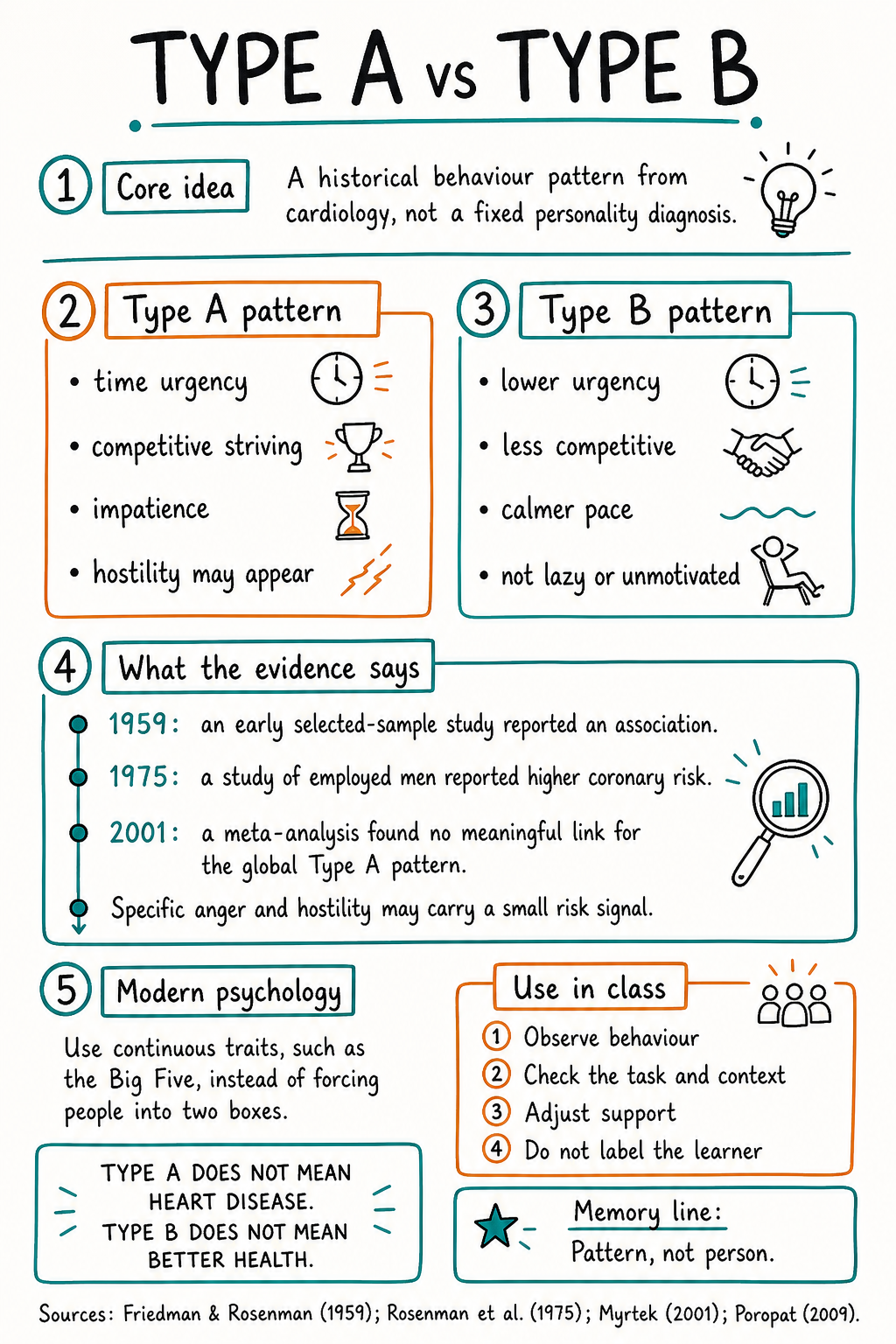
Comparison chart showing Type A vs Type B personality traits and their health impacts
Side-by-side comparison chart: Type A vs Type B Personality Characteristics and Health Outcomes

Extensive studies, including the original study by cardiologists Friedman and Rosenman and later cohort studies, have delved into these patterns of behavior, suggesting that people with Type A tendencies might have a higher propensity for developing cardiovascular disease. While the direct causation remains a subject of debate, the association between Type A behaviors and health outcomes is a pivotal discussion point for educators. Understanding these personality frameworks can be crucial, as the school environment often mirrors the high-pressure scenarios where Type A patterns emerge.

Type A vs Type B personality comparison showing behavioral traits and health impacts
Type A vs Type B Personality

As we prepare to dig deeper into Type A and Type B personality theory, it is essential that we grasp the implications that these patterns might hold for young people. Recognizing these traits early could be key in mitigating long-term health risks and fostering environments that promote healthy stress management.

Our forthcoming discussion will not only explore the efficacy of these personality types further but also provide actionable insights into nurturing well-rounded, health-conscious individuals.

When Was Type A and Type B Personality Theory Developed?

Type A and Type B personality theory was developed in the 1950s by cardiologists Meyer Friedman and Ray Rosenman. They created this framework while studying the relationship between personality patterns and heart disease in their patients. The theory emerged from their observation that certain behavioral patterns seemed to correlate with increased cardiovascular problems.

The Type A and Type B personality theory has evolved significantly since its inception, guided by the hands of various researchers seeking to understand the intricate relationship between personality types, stress, and health. This chronological list offers a glimpse into the historical milestones and the key contributors who have shaped our understanding of how these personality dimensions relate to the risk of coronary diseases and their influence on our personal lives.

Let's trace the development of this fascinating psychological theory from its origins to the most recent advances in the field.

1. 1950s, Meyer Friedman and R.H. Rosenman: The inception of Type A and Type B theory traces back to the 1950s when cardiologists Meyer Friedman and Ray H. Rosenman first identified certain behaviors and emotional reactions as a potential risk factor for coronary diseases. They noticed that people with Type A behaviors, characterized by impatience and aggression, were more prone to heart problems compared to the more relaxed Type B individuals.

2. 1970s, The Western Collaborative Group Study: In the late 1960s, with results published in the 1970s, this pivotal study followed over 3,000 healthy men aged 39-59 for eight and a half years, concluding that Type A behaviors were indeed a significant predictor for coronary heart disease, independent of other factors like smoking.

3. 1980s, Further Research and Criticism: As the theory gained traction, the 1980s saw an influx of studies examining the link between Type A behavior and heart disease. During this period, skepticism arose with researchers arguing that specific components of Type A behavior, such as hostility, were actual risk factors, rather than the broad Type A pattern itself.

4. 1990s, Refinement of the Theory: Researchers began to fine-tune the theory, distinguishing between harmful and benign elements of Type A behavior. It was acknowledged that not all Type A traits were detrimental, leading to a more nuanced understanding of how these traits interacted with personal lives and stress management.

5. 2000s, Broader Perspectives: The focus shifted to how both Type A and Type B people manage stress and the implications for health. Studies began to incorporate a broader range of psychological and social factors, considering the impact of personality on a wider array of illnesses beyond coronary diseases.

6. 2010s and Beyond, Integrative Approaches: The most current theories on Type A and Type B consider a more holistic view of health, suggesting that personality must be viewed in context with other lifestyle factors and stressors that affect individuals in their personal lives. The research community continues to explore how these personality types operate in tandem with other risk factors to influence overall well-being.

Meyer Friedman A B Theory

What Are the Main Characteristics of Type A Personality?

Type A personality is characterized by high competitiveness, time urgency, achievement orientation, and aggressive behavior. These individuals typically display impatience, hostility when challenged, and a constant sense of rushing. They often multitask, interrupt others, and measure success through quantifiable achievements.

Type A personality is often associated with competitive, ambitious, and time-conscious individuals who thrive on achievement and success. These individuals are often high-achievers, self-motivated, and driven to accomplish their goals. However, along with these positive traits, type A personalities are also known for being impatient, easily irritated, and prone to experiencing high levels of stress and anxiety.

This combination of traits can also lead them to be more susceptible to health issues such as heart disease and high blood pressure. Understanding the characteristics of type A personality can help individuals manage their stress levels and avoid burnout, while also allowing them to leverage their natural drive and ambition to achieve success in a healthy and sustainable way.

Below are the potential characteristics attributed to Type A personalities, as posited by this theoretical approach.

  • Highly competitive and achievement-oriented
  • Constantly striving for goals without feeling a sense of joy in their accomplishments
  • Impatient and often irritated, especially when delayed or not in control
  • Aggressive behavior and tend to dominate social situations
  • Always on the move and involved in multiple tasks, often in a hurry
  • Excessive commitment to work and work-related activities, even at the expense of personal relationships
  • High levels of stress and difficulty relaxing, leading to high-stress levels
  • Tendency to take on too much, overcommit, and have a hard time delegating or sharing responsibilities
  • Strong sense of time urgency, always watching the clock and obsessing over time efficiency
  • Prone to hostility and anger, which can manifest in raised voice, rudeness, or being quickly provoked by minor frustrations
Type A and B Personality Theory

High levels of stress

High levels of stress can have a significant impact on both physical and mental health. Physically, stress can manifest as headaches, fatigue, muscle tension, and gastrointestinal issues. Mentally, it can lead to anxiety, irritability, and difficulty concentrating. Long-term exposure to stress can also increase the risk of developing chronic conditions such as hypertension, heart disease, and depression.

To effectively manage stress, individuals can employ coping mechanisms and strategies. Regular exercise has been shown to reduce stress levels and improve overall well-being. Relaxation techniques such as deep breathing, meditation, and yoga can also help alleviate stress. Additionally, seeking professional help through therapy or counseling can provide valuable support and guidance in managing stress.

It is important for individuals to recognize the symptoms of stress and prioritize their mental and physical health. By implementing stress management techniques and seeking appropriate support, individuals can effectively reduce the negative impact of stress on their overall well-being.


Sense of urgency

Creating a sense of urgency in the workplace is vital for driving productivity and achieving goals. When employees feel a heightened sense of urgency, they are more motivated to take swift action and work efficiently to meet deadlines and targets. This results in better productivity, improved performance, and ultimately, the achievement of organizational goals.

Successful strategies for instilling a sense of urgency within a team or organization include clearly communicating deadlines and expectations, setting challenging but achievable goals, and providing regular feedback and support. Utilizing recognition and rewards for meeting or surpassing targets can also increase motivation and urgency. Additionally, creating a culture of accountability and transparency can instill a strong sense of urgency among team members to deliver results.

Research on motivation and performance consistently shows that a sense of urgency can significantly impact individual and team productivity. By leveraging strategies that tap into this urgency, organizations can drive performance and ultimately achieve their desired outcomes. Therefore, creating a culture of urgency should be a key workplace strategy for organizations aiming to maximize their productivity and goal achievement.

Competitive nature

Competitiveness can be demonstrated in various ways such as through sports, academic achievements, career success, and gaming competitions. In sports, individuals showcase their competitive nature through their desire to win and outperform their opponents. Similarly, in academic settings, students strive to achieve top grades and excel in their studies to prove their intellectual abilities.

In the professional world, individuals are driven by their competitive nature to climb the career ladder and achieve success in their chosen field. In gaming competitions, players demonstrate their competitive spirit by aiming to be the best and defeat their adversaries.

Competitiveness can drive individuals to excel and achieve their goals. It can push them to work harder, be more disciplined, and continuously strive for improvement. However, being overly competitive can also have negative consequences. It can lead to excessive stress, burnout, and strained relationships with others. It may also result in unethical behavior or the disregard for fair play in order to win at all costs. It's important for individuals to find a healthy balance between their competitive drive and maintaining positive relationships and mental well-being.

What Are the Main Characteristics of Type B Personality?

Type B personality is characterized by a relaxed, patient, and creative approach to life. These individuals typically work steadily without feeling rushed, enjoy achievements but don't define themselves by them, and are generally more reflective. They tend to be better at managing stress and maintaining work-life balance.

Type B personalities are often described as laid-back, easygoing, and relaxed individuals who are not easily agitated by stressors. Unlike their Type A counterparts, Type Bs are more tolerant of the unexpected and take a more flexible approach to life.

They tend to have a more balanced perspective and do not feel the need to constantly compete or be in a hurry. Instead, they value relationships, creativity, and enjoying the present moment. Type Bs are generally more patient, creative, and empathetic, which allows them to handle stressful situations with a more calm and steady demeanor. Due to their relaxed nature, they may be perceived as procrastinators, but in reality, they simply prioritize their well-being and the quality of their work over the need for constant achievement and success. 

Here's a list that encapsulates the potential characteristics of a Type B individual within this theoretical framework.

  • Generally more relaxed and easy-going
  • Less driven by competitiveness and does not suffer from the sense of urgency that Type A individuals do
  • Typically works steadily, enjoying achievements but not becoming stressed when goals are not met
  • Often more reflective and creative, thinking outside the box
  • Tends to be more patient and can handle delays or frustrations without excessive stress
  • Displays a lower level of aggression and hostility, maintaining a calm demeanor
  • More likely to take a balanced approach to life, placing equal importance on work and personal time
  • Exhibits flexibility and adaptability, managing unexpected challenges with composure
  • Enjoys the journey of life, not solely fixated on the destination or specific achievements
  • Handles stress without becoming anxious and does not let it affect personal lives or health significantly

Relaxed and laid-back attitude

Maintaining a relaxed and laid-back attitude is crucial in both professional and personal settings. By adopting a calm and composed approach, individuals can effectively reduce stress, thereby enhancing their overall productivity. In a professional setting, a relaxed attitude can lead to better decision-making, innovative thinking, and improved problem-solving skills. It can also contribute to a more positive work environment, leading to better communication and teamwork among colleagues.

In personal settings, a laid-back attitude can help individuals form positive and meaningful relationships with others. It allows for better conflict resolution, improved emotional well-being, and a more enjoyable social life. Additionally, adopting a relaxed approach can lead to better self-care practices, such as mindfulness and meditation, which can further reduce stress and promote overall well-being.

Ultimately, maintaining a relaxed and laid-back attitude helps individuals navigate through both professional and personal challenges with ease and composure. It fosters a positive mindset, increases productivity, and strengthens interpersonal relationships, creating a more fulfilling and harmonious life.

Type A and B personalities

How Do Type A and B Personalities Affect Daily Lifestyle Choices?

Type A personalities often choose fast-paced lifestyles with packed schedules, minimal downtime, and high-stress activities or careers. Type B personalities typically select more balanced lifestyles with time for relaxation, hobbies, and social connections. These differences manifest in everything from career choices to exercise habits and social relationships.

Type A and Type B personality traits can significantly impact lifestyle choices. Type A individuals, known for their competitiveness and time-consciousness, often lead high-stress lives. As a result, their career paths may lean towards high-pressure, fast-paced environments such as business or finance.

Type A individuals may also favor competitive sports or high-intensity workouts to satisfy their need for achievement. In terms of leisure activities, they may struggle to relax and unwind, which could lead to a preference for more structured hobbies or activities. For stress management, Type A individuals may benefit from techniques such as time management, meditation, or seeking professional help.

Conversely, Type B individuals, who are more laid-back and less affected by time pressures, may opt for career paths that allow for a more relaxed work environment, such as creative fields or professions with flexible schedules. Their leisure activities may include low-intensity sports or hobbies, and they may prioritize relaxation and downtime.

To manage stress, Type B individuals may practice mindfulness, engage in leisurely activities, or seek social support. Overall, understanding the influence of personality traits on lifestyle choices can help individuals tailor their habits and routines to lead a more balanced and fulfilling life.

Type A and B Differences

What Are the Health Risks Associated with Type A Personality?

Type A personality is associated with increased risk of cardiovascular disease, high blood pressure, and stress-related health problems. Studies show these individuals have higher cortisol levels and inflammatory markers due to chronic stress. The constant urgency and competitiveness can lead to burnout, anxiety disorders, and compromised immune function.

The potential health implications of Type A/B personalities based on their stress and coping mechanisms are as follows:

Type A Personality:

1. Higher risk for heart disease and hypertension due to their competitive and time-sensitive nature.

2. Increased likelihood of experiencing work-related stress and burnout.

3. Greater susceptibility to anger and hostility, leading to potential cardiovascular issues.

4. Tendency to engage in high-risk behaviors, such as excessive alcohol consumption and smoking, to cope with stress.

Type B Personality:

1. More prone to stress-related conditions like anxiety and depression due to their laid-back and relaxed demeanor.

2. Increased risk of experiencing chronic stress due to difficulty in managing time and prioritizing tasks.

3. Greater susceptibility to unhealthy coping mechanisms, such as emotional eating and substance abuse, to manage stress.

According to the theory, type A personalities may be at higher risk for heart disease and hypertension because their competitive and time-sensitive nature can lead to chronic stress, which can negatively impact the cardiovascular system.

On the other hand, Type B personalities may be more prone to stress-related conditions like anxiety and depression due to their laid-back nature and struggle with time management and prioritization. It is important for individuals to recognize their personality type and implement healthy coping mechanisms to mitigate the potential health implications associated with their personality.

Personality type and unhealthy lifestyles

Why Is Type A and B Personality Theory Considered Oversimplified?

The Type A/B theory is considered oversimplified because most people display characteristics of both types depending on the situation. Modern psychology recognizes personality as multidimensional rather than binary, with factors like culture, context, and individual experiences playing crucial roles. Many researchers now use more nuanced models that account for the spectrum of behaviors between these extremes.

Type A personalities are often characterized as competitive, ambitious, organized, and impatient, while Type B personalities are seen as more relaxed, easy-going, and creative. However, these traits only scratch the surface of the complexities of these personality types. Type A individuals may also exhibit qualities such as perseverance, high levels of self-motivation, and a strong work ethic, while Type B individuals can display remarkable creativity, adaptability, and a balanced approach to life.

These personality patterns have a significant impact on behaviors, stress levels, and overall health outcomes. Type A individuals may be more prone to stress-related illnesses and have a higher risk of heart disease, as their competitive and impatient nature often leads to higher levels of stress. On the other hand, Type B individuals may have a more laid-back approach to life, which can reduce their stress levels and lower their risk of certain health issues. Individual differences and environmental factors play a vital role in how these personality patterns manifest and influence one's well-being.

Delving deeper into the complexities of Type A and Type B personalities goes beyond the stereotypes, shedding light on the diversity and unique characteristics that each individual exhibits. Understanding these subtleties can help in providing tailored support and interventions for individuals based on their specific personality traits.

What Research Studies Support Type A and B Personality Theory?

The foundational Western Collaborative Group Study (1960s-1970s) followed over 3,000 men and found Type A individuals had twice the risk of heart disease. The Framingham Heart Study later confirmed these findings while also identifying hostility as the most harmful Type A trait. Recent meta-analyses show the relationship between Type A behavior and heart disease is most significant when combined with other risk factors.

Here are five key studies or papers exploring the concept of Type A and Type B personality theory:

1. Ikeda et al. (2018) re-evaluate classical body type theories, linking genetic correlation between psychiatric disorders and body mass index (BMI). This study suggests a significant negative correlation between schizophrenia and BMI but finds no correlation between BMI and bipolar disorder, challenging traditional somatotype and personality correlations

2. James & Kumar (2018) study the relationship between Type B personality and coping styles among post-graduation students, finding a significant relationship between Type B personality and problem-focused coping style, with females using less effective coping styles more than men. 

3. Sari (2019) investigates the impact of Type A and B personalities on the performance of accounting students, concluding that students with Type A personality exhibit better performance than those with Type B personality. This study highlights the positive influence of Type A personality traits on student performance. 

4. Gan et al. (2004) explore the relationship between Type A and B personality and debrisoquine hydroxylation capacity, finding that Type A personality is associated with extensive metabolizer status and tends to have different pharmacogenetic implications compared to Type B personality. R

5. Costa et al. (2002) discuss the replicability and utility of three personality types, finding limited evidence for distinct, replicable personality types across large and diverse samples. They conclude that while personality types provide convenient labels, dimensional trait measures are consistently better predictors of outcomes.

These studies provide a range of insights into Type A and B personality theory, from genetic correlations and coping styles to academic performance and pharmacogenetics, offering a broad perspective on how these personality types relate to various outcomes and traits.

Frequently Asked Questions

What is Type A and Type B personality theory and why should educators care about it?

Type A and Type B personality theory, developed in the 1950s by cardiologists Friedman and Rosenman, categorises behaviour patterns that correlate with stress-related health issues. Type A individuals display high competitiveness, time urgency, and impatience, whilst Type B personalities are more relaxed and patient. Understanding these patterns helps educators identify students at risk of burnout and cardiovascular problems later in life.

How can teachers identify Type A behaviour patterns in their pupils?

Look for students who are highly competitive, constantly rushing, interrupting others, and showing impatience when delayed or not in control. These pupils often multitask excessively, dominate social situations aggressively, and measure success purely through quantifiable achievements. They may also struggle to relax and show signs of chronic stress despite high academic performance.

What are the health risks associated with Type A personality traits in young people?

Students displaying Type A behaviour patterns face increased risk of elevated blood pressure, cardiovascular disease, and stress-related health problems. The original studies showed that Type A individuals were more prone to coronary heart disease than their Type B counterparts. Early recognition of these patterns is crucial for preventing long-term health consequences.

How can educators support Type A pupils without dampening their achievement drive?

Focus on helping these students develop healthy stress management techniques whilst channelling their natural ambition constructively. Teach them to find joy in their accomplishments rather than constantly striving for the next goal, and encourage delegation and collaboration skills. Create structured opportunities for them to slow down and reflect on their learning process.

What advantages do Type B personality traits offer in educational settings?

Type B students tend to be more resilient learners who can outperform their stressed peers in the long run due to their relaxed, patient approach. They're less prone to stress-induced health problems and better at maintaining sustainable work habits. These pupils often excel in collaborative environments and demonstrate better emotional regulation.

How should teachers manage classroom dynamics when Type A pupils become pushy or disruptive?

Reframe competitive behaviour by understanding that pushy pupils aren't just being difficult, but displaying Type A patterns that need guidance. Provide structured channels for their competitive energy, such as academic challenges or leadership roles. Set clear boundaries whilst teaching them patience and respect for others' contributions.

Can personality types change, and what does this mean for long-term student development?

Research from the 1990s onwards shows that not all Type A traits are detrimental, and personality patterns can be refined over time. Educators can help students develop the beneficial aspects of their natural tendencies whilst mitigating harmful behaviours. The key is creating environments that promote healthy stress management and balanced approaches to achievement.

Psychology

Back to Blog